Skip to content

Weston A Price Foundation

Teeth, nails, tongue, skin

Mark Schauss gave a couple of interesting talks. His research into nutrition and cognitive decline was comprehensive and detailed. One of his big messages was on the consistency he sees in research findings about the role of the two most heavily consumed excitotoxins (MSG and aspartame) in plaque development in Alzheimer’s. If you eat processed or packaged foods, both of these are hard to avoid since manufacturers play shell games with the naming. For MSG, see the comprehensive list from Truth In Labeling. For Aspartame, beware NutraSweet of course, as well as its new name, AminoSweet. He repeated an idea I’ve yet to see proven, that artificial sweeteners cause an insulin response similar to ingesting sugars, and lead as surely to insulin resistance and type 2 diabetes. I think there are lots of good reasons to stay away from them, but I await compelling evidence for this one. I do appreciate his main message thought, a plea for more attention paid to the gut microbiome: the more artificial the diet, the worse the gut, and a bad gut means poor communication along the gut-brain axis. Which means poor cognitive function. And, he added, exercise is the best thing you can do to keep the mind active.

Kelp, acid-alkaline, omnivorous environmentalism & brain food

KelpPeopleIt is possible to leave a nutrition conference freaked out about the state of the world, and in dire need of a good remineralizing kelp treatment. But ditto an environmental (literature) conference or just about any other kind of conference nowadays I suppose. Still, we must make the best of where we are, so a nutrition conference is a good place to take in ideas about both cautions and actions to get our bodies through. (And to get a kelp treatment if that will help you in the meantime.)

Chris Kresser has evoked much hand-wringing and teeth-gnashing in his cogently-argued dissection of the acid-alkaline theory, which has been the foundation of much nutritional training over recent decades. The theory holds that: (1) the foods we eat leave behind an ‘ash’ after they are metabolized, and this ash can be acid or alkaline; (2) we should eat more alkaline foods than acid foods, so that we end up with an overall alkaline load on our body, making us less vulnerable to conditions such as cancer and osteoporosis; and (3) that the pH of our blood can be determined by testing pH strips in our saliva or urine.

It is worth noting that although there is little agreement on which foods are acid and which alkaline (a red flag there?) the alkaline lists tend to heavy on fruits and vegetables, while acid foods include animal products, so the theory is a particular favourite with those who advocate vegetarian or vegan diets. And those would emphatically not be people attending a Weston A. Price conference (poles apart: see the veg view vs the WAPF view).

Kresser allows that foods do metabolize into ash, but dismisses the idea that what we eat affects our blood pH (except in metabolic disorders such as ketoacidosis, aka DKA, not to be confused with ketosis). And although the pH of saliva and urine may indeed be altered by diet, their pH has nothing to do with blood pH, which is regulated by the kidneys. He suggests that health improvements may follow any improvement in diet (and it’s pretty easy to work out what those are – fresh, whole foods vs refined carbs) rather than being caused by acidity or alkalinity of what’s been consumed.

For the full explanation, I recommend reading Kresser’s two-part article on the subject. He was, inevitably, asked why – if it is so obviously flawed – the theory is still taught and promoted, and he replied that it takes time for science to nudge belief into change. And not least when there are vested interests at work. He quoted Upton Sinclair: “It is difficult to get a man to understand something, when his salary depends on his not understanding it.”

Speaking of (former) vegans, Lierre Keith (The Vegetarian Myth) revealed that her talk last weekend was the first she’d done that had not inspired pre-event death threats. She was there to make an impassioned plea for environmental responsibility, a cause that should straddle, but instead divides, vegetarian from omnivore. She described human agriculture as the “death of the living world” – its destruction of ecosystems and soil fertility, the biological corners cut to improve financial returns on large scale production, and the misuse of farmland to grow crops for factory farming or fuel.

When you buy a soyburger, she observed, “you’re actually giving money to the people causing the problem.” In the Weston A Price way, she referred to the health of traditional peoples as proof of the damage we’ve done to modern bodies: how  European explorers noticed the good health of the populations they encountered, and how poor health inevitably follows modernization of our diets. “Cancer, like insanity, spreads with civilization” (Stanislas Tanchou)

Mark Schauss gave a couple of interesting talks. His research into nutrition and cognitive decline was comprehensive and detailed. One of his big messages was on the consistency he sees in research findings about the role of the two most heavily consumed excitotoxins (MSG and aspartame) in plaque development in Alzheimer’s. Both of these are hard to avoid if you eat processed or packaged foods, since manufacturers play shell games with the naming. For MSG, see the comprehensive list from Truth In Labeling. For Aspartame, beware NutraSweet of course, as well as its new name, AminoSweet.

He repeated an idea I’ve yet to see proven, that artificial sweeteners cause an insulin response similar to ingesting sugars, and lead as surely to insulin resistance and type 2 diabetes. While I think there are lots of good reasons to stay away from artificial sweeteners, I await compelling evidence for this one.

Few could argue with his main message though: the more artificial the diet, the worse the gut, and a bad gut means poor communication along the gut-brain axis. Which means poor cognitive function. And of course, daily exercise is the first best thing you can do to keep your mind fit and healthy.

Nourishing Indiana

StairwellHere in the curious world of the conference hotel, if you can find the stairs, they won’t necessarily take you where you want to go. And they are bleak enough to discourage the faint-hearted. I enjoyed a good fifteen minute cardio workout yesterday, travelling with a well-intentioned Marriott employee who tried in vain to help me find the elusive “up-stairs” to get one floor above.

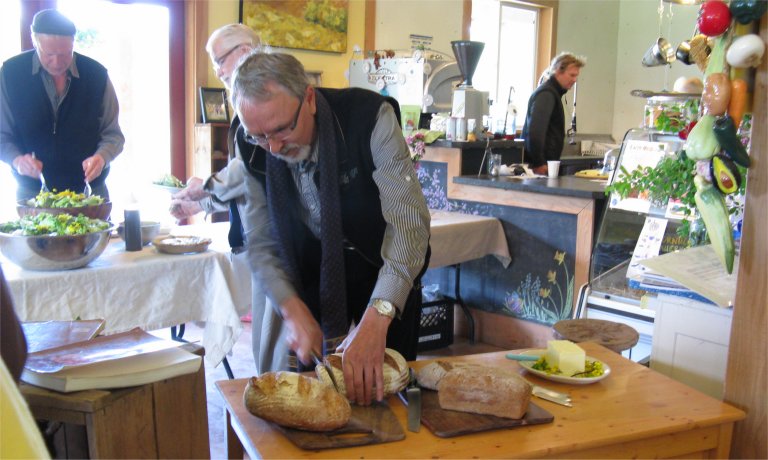
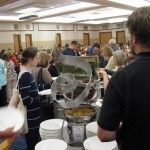
Never mind, there are plenty of long hallways to cover finding my way from FridayDinnerroom to meal to conference at the 51st instance of the Weston A Price annual conference in Indianapolis, where we “Focus on Food”. Which is invariably excellent and plentiful at these conferences. Here’s the happy queue at last night’s turkey dinner – birds donated by Fields of Athenry Farm (the farmers and producers are always credited in the menus found in our programs) and replete with several ferments (sauerkraut, fermented cranberry relish, sourdough bread, fermented herbal tea) and grass-fed butter.
Yesterday’s sessions were mostly all-day affairs. I spent most of mine fiercely concentrating on the rapid-fire thoughts and slides of Stephanie Seneff, whose talk covered Pesticides, Antibiotics, Vaccines & Pharmaceuticals at dizzying speed (see her web page to download her slides, as well as find links to  her research).

She walked us through research papers a-plenty to illustrate her points. She is a strong advocate of sulfur – it’s one of the least discussed yet most common mineral in the body after calcium and phosphorus and plays a huge role in amino acid development (essential, in short, for protein in the body). The American population tends to be deficient in it (esp. vegetarians and those on low protein diets), and chronic acetaminophen (Tylenol) use further depletes sulfate.

Glyphosate (Roundup) is implicated in many conditions, contrary to studies which claim it to be harmless. For licensing purposes, glyphosate is only tested in isolation, but Roundup contains many other ingredients designed to enhance its effects (up to 1000x); and of course it’s only studied for 90 days, whereas its health effects are cumulative. Seneff had tracked some interesting correlations: glyphosate use tracks closely with autism rates, anemia, sleep disorders, breast cancer rates, kidney disease and more.

Glyphosate has been found in breast milk, urine and water. That it hasn’t been found sooner is probably a product of the few labs willing to test for it.

Seneff explained that the reason glyphosate affects human health is its effect on beneficial gut bacteria, which serve a protective role in the body. Glyphosate blocks the production of tyrosine, tryptophan, and phenylalanine – three essential amino acids formed on the shikimate pathway. This pathway, the argument goes, “is only found in plants and microorganisms, never in humans” – however, it is found in our gut bacteria, which help to synthesize amino acids. Glyphosate also inhibits cytochrome P450 (CYP) enzymes which in humans help to break down toxins.

The best way to avoid glyphosate is to eat certified organic foods, including many sulfur-containing foods (and have epsom salt baths – which allows you to absorb sulfur and magnesium through your skin).

She had a lot to say about statins as well – I strongly recommend anyone taking these have a look at her slides and do their own research. The gist was that they may protect you from heart attacks, but they will cause heart failure – a long and limiting way to go – as well as weakening many other body systems.

I ended yesterday with a talk by naturopath Louisa Williams, who spoke about antibiotic-resistant bacteria. She believes these to be causing many chronic disorders (pain, anxiety, depression, fatigue, movement disorders, memory loss, constipation/diarrhea) and contributing to others (cancer, Crohn’s meningitis, multiple sclerosis, Parkinson’s, Pertussis, Sarcoidosis, Lyme’s…) . The gist is that antibiotic over-use has created resistant bacteria, which then mutate into cell wall defective (CWD) bacteria. These lack the structure that allows antibiotics and our own immune systems to recognize and deal with them.

Diagnosis is difficult. Treatment includes the usual detox protocols (removing environmental and dietary toxins); stop ‘feeding the fire’ by taking antibiotics except for acute conditions (even over-using microbial oils such as oregano will lead to problems); seek constitutional homeopathy remedies; and heal the gut with plant polysaccharides (mannose – though she felt the amounts needed exceeded what could be obtained through diet) and special probiotics.

Farewell to 2012

Tis the season to look back over a busy year at the Iambic Cafe, as I wish you all a happy, healthy and sustainable 2013!

JanuaryCopenhagen, mostly in the rain, and then some Cambridge


then a farewell to London and then back to Victoria in the snow, just in time for GTUF’s seed swap:


February… the Victoria READ anniversary party at Government House, and then to Saskatchewan for a winter writing retreat in the snow, with nuthatch.


March… a mega-presentation (at the Imax theatre) by Wade Davis, in support of efforts to save the Sacred Headwaters – source of four of BC’s major salmon rivers – from extensive hydraulic fracturing (fracking) for methane gas extraction by Shell (and thankfully it worked, whether by Davis’ tread softly efforts or the more confrontational approach by Forest Ethics); the start of my studies towards a Permaculture Design Certificate in Nanaimo, with Brandon Bauer and others; and a poetry reading in Vancouver with Ruth Pierson and Ted Blodgett.


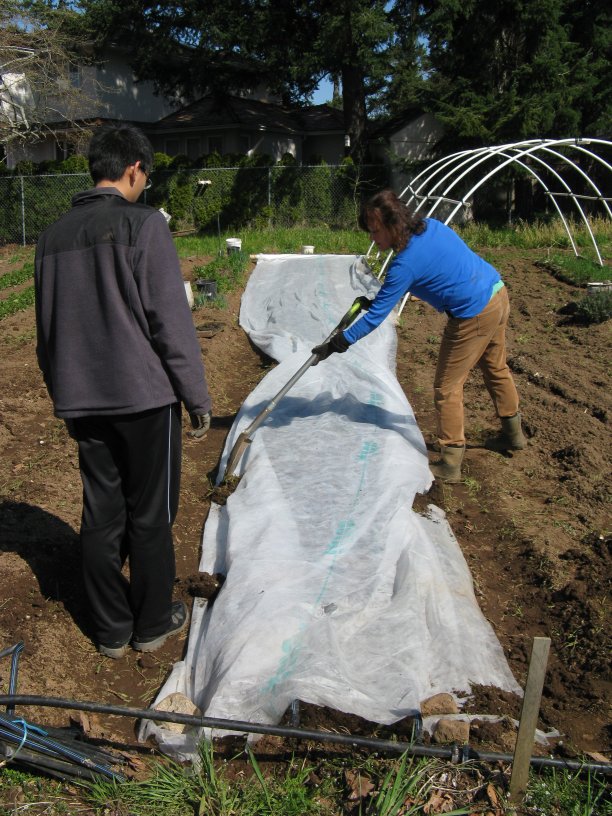
April…. freshly-hatched hummingbird chicks on my garden fence; work parties at Haliburton Farm and Gorge Park; plus more permaculture, a wild food festival and the Cucumbers to Clams discussion about local food, all in Nanaim0.

Pulling gorse root


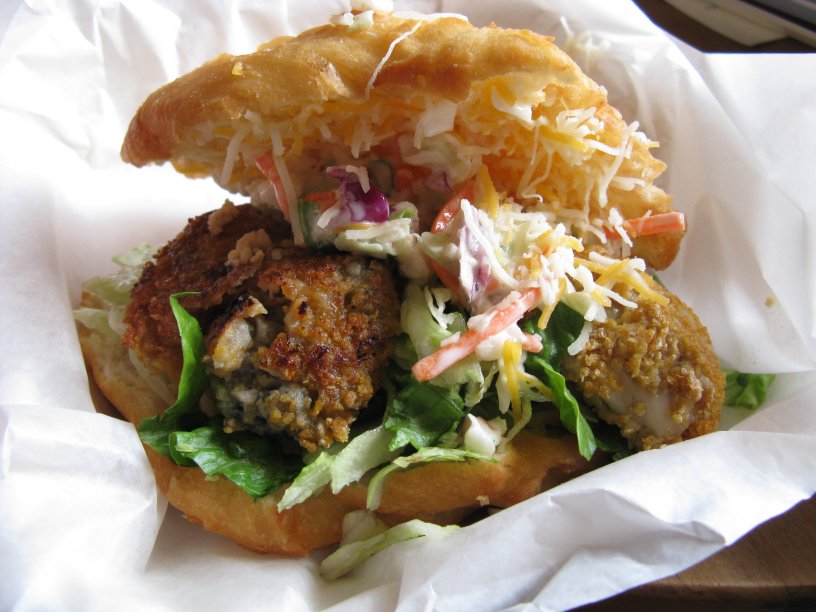
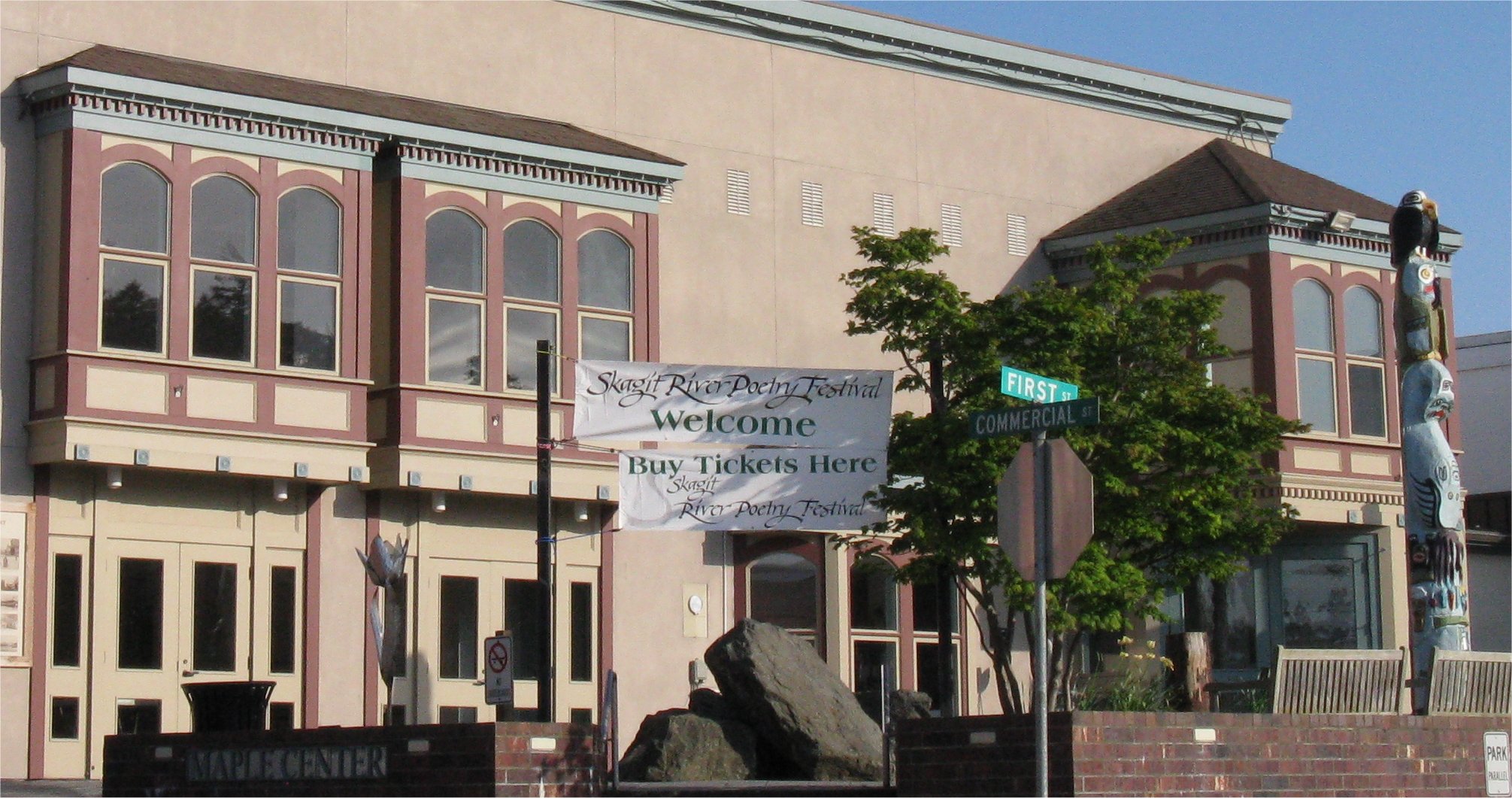
May…. A beautiful day at Alderlea Farm – with a beautiful lunch – and a chance to learn more about biodynamics from Dennis Klocek; and a trip to La Conner, WA to enjoy the Skagit River Poetry Festival (and an oyster taco or two!)


June …. tent caterpillar season with a vengeance; the Island Chefs Collaborative annual food festival; a tour of Terra Nossa Farm; and some lessons in wild food foraging with Roger Foucher.

Tent caterpillar Veggie platterTerra Nossa piglets


July…. Canada Day of course; plus a tour of O.U.R. Ecovillage; a garlic harvest and the emergence of my mason bees plus a tribe of bumblebees from my Bombus Box.

Roving musiciansBombus vosnesenskii


August….at Sage Hill Writing Experience in Saskatchewan, then Calgary, then to the Okanagan for the ALECC conference; back in Victoria to discover the loss of my bombus colony; a tour of the Garden Path, with wildlife; and a rather special rural lamb roast with Slow Food Vancouver Island.

Alberta skyWriting in the woodsArtichoke with Treefrog


September… the Eat Here Now festival feeds bodies and minds at Market Square in Victoria; the Kneading Conference West teaches kneading skills and much more in Mt Vernon WA; the first Flavour Picnic feeds hundreds in Black Creek, near Courtenay; and panelists Trevor, Angela, Guy and Andrew give us words to chew on as they discuss community supported food systems in Victoria. Undocumented on these pages was my newest project which began in September and will finish in August 2014: a new course of study in holistic nutrition, which will skew my thinking in new directions over the next couple of years.


OctoberRaj Patel comes to entertain us with his thoughts on the global food system, swiftly followed by Gary Nabhan reflecting on climate change and traditional diets; Open Cinema turns 10; and Digging the City is born.


NovemberDigging the City gets some time in the spotlight at the Heritage House promotion; I get to hear my hero Sandor Katz at the Weston A Price Foundation conference in Santa Clara CA, with numerous others on the science of nutrition; and Digging the City gets dug some more at the Cornerstone Cafe in Fernwood.


DecemberVictoria Stone Soup event; visit to the Edible Garden Project in North Vancouver; my debut on national television; and finally, elves rest during the annual Christmas hamper stuffing party (this year 137 hampers made from donated turkeys & trimmings were collected by the Salvation Army for local families, including 4 vegetarian and 21 gluten-free baskets).

Food & mood, sleep & diabetes

Having kicked off my conference by hearing from the magnificent Sandor Katz, I wondered how the rest would compare. My second session, Depression & Anxiety Epidemic: How, why & what works better than anti-depressant drugs, though interesting, was a little disappointing. Julia Ross MD (author of The Mood Cure) had clearly spent some of her thunder in the first of her three-part appearance (while I was hearing Katz) and so left unexplained in this session some of the technical aspects of her talk that she’d covered earlier.

However, she gave some good causal information: that people have a 51% greater chance of mood disorder if they eat the Standard American Diet. The top three causes of mood disorder problems are the dietary changes since the seventies (when refined foods replaced home cooking, cereal product and sugar consumption increased, and refined industrial vegetable oils replaced animal fat); the increased addictiveness of refined sugars; and low calorie dieting, where the brain chemistry needed to support mood (and much else) is literally starved out.

She sketched out the diet needed for proper brain function, and explained a useful fact about the WAPF dietary principles’ obsession with pastured meat (grass-fed and finished beef, for example), which is that corn-fed protein is deficient in tryptophan, the amino acid without which serotonin – the body’s chief mood regulator – cannot be produced or function. There was much else, including a discussion of how caffeine, aspartame and ritalin block the effects of the body’s natural relaxants, keeping it in a perpetual state of stimulation, which of course doesn’t allow the brain to rest and recharge. She observed that most people on SSRI (antidepressants) really need them, but may be unaware of the side effects or addictive qualities, or the non-pharmaceutical alternatives (she provides amino acid therapies to her patients).

After a break, she moved on to discussing Insomnia. She observed we’ve been sleeping so badly for so long, we don’t know what good sleep is, so she defined it for us:

  • 8-10 hours in the dark, with no awakening
  • dream recall in the morning
  • regular breathing (no apnea)
  • waking up rested

Insomnia is rampant in Western culture – she said that a third of teenagers report having it – and is costing us in many ways: it correlates with food cravings (increasing them by 30%), insulin resistance/diabetes, depression/anxiety, ADHD, fatigue and injury. There is also a fourfold increased risk of mortality with the use of sleep medications. So it’s a good idea to solve this without. The first step is to identify the type of insomnia (night owl who enjoys staying up late; can’t get to sleep/don’t enjoy it; light sleeper waking several times through the night; or some combination of these; apnea sufferer; person in chronic pain; restless leg; short sleeper needing only around 5 hours a night; or caffeinated or medicated – ADHD – manic type). Each one corresponds to a different neurotransmitter or amino acid treatment (details in her Mood Cure book, I imagine).

After a hearty supper we were off again, and I chose Treating Diabetes with Dr Deborah Gordon as my post-prandial entertainment. It was excellent. She had much to say on the subject (more info on her website) but the (by now) usual advice applied: no sugar or refined carbohydrates; lots of high quality protein; and the inclusion of dietary fat. She cited a study that was done of 311 women following the Atkins (high protein, low carb), LEARN (low fat, high carb) and Ornish (low fat, plant-based) diets which showed that the Atkins diet was the most successful: it’s very similar to both the Paleo and Weston  A Price eating plans. She also recommended lifestyle choices including avoiding environmental toxins (pesticides, cleaning products), reducing stress, getting enough sleep, avoiding iron supplements (shown to contribute to diabetes), and doing strength training such as the HIIE exercise plans, like Tabata Training.

Food for thought

Santa Clara Topiary

The older I get the more I experience the Whoosh factor: one minute I’m staring at West Coast rain, and the next it’s a sunny morning in Silicon Valley, and I’m part of a 1,700-strong hive of health at the Santa Clara Conference Center. We’re buzzing round stands promoting magnetic beds, fermented cod liver oil, natural cosmetics, books on healthy stomach acid and fermentation and nutritional cures for mood disorders. There’s a seafood stand doing a brisk trade in Alaskan salmon roe, a couple of guys selling crispy nuts – raw almonds which have been soaked and dried according to principles laid down by Sally Fallon Morrell, our queen bee if ever there was – and someone offering tastes of a new product made with ratfish oil.

Soon my hands are warmed by my cup of beef broth and I’m balancing a bowl of full fat sheep’s milk yogurt with frozen blueberries. I have some organic fruit and cheese in my pocket for later and am considering how I can manage to juggle a couple of boiled eggs before grabbing a bottle of raw milk to wash it all down. In my bag I have a small jar of coconut oil, some pecan nut butter and a small package of granola made from pre-soaked grains and coconut.

Such was the sweet beginning to my first Weston A Price Foundation conference. Those breakfast items were purchased for Moolah, tickets sold in support of the Farm-to-Consumer Legal Defense Fund, which exists to help those persecuted by the FDA for living the WAPF dream of eating nutrient-dense foods, including raw milk.

And eat we did over those three days. If I saw one person raising a piece of sourdough wholemeal rye topped with half an inch of butter to their lips, I saw a hundred, at every meal. The lunch and supper buffets were groaning with pastured meats, whole fat cheese and sour cream, fresh green salads, liver sausage and fermented foods of all descriptions. We had sauerkraut pretty much every meal, plus kimchi, fermented apple butter, lightly pickled beets and kombucha. (In keeping with the foundation’s food principles, there were no refined carbohydrates or sugar or caffeine.) Several times the meal lines stalled while the kitchen scrambled to keep up with demand. At every table there was a shaker of Celtic sea salt with which we could lavish minerals as well as flavour onto our food. More than one mealtime conversation embellished the theme of “how great is it to be able to trust conference food?” And it was good.

And given all that food, what was really unusual here was the size of the participants. There was another event going on at the same time in the centre, a spirituality conference: the participants there were strikingly like most large gatherings of Americans that I’ve been to: a good proportion were morbidly obese, most were at least chunky. The Weston A Price people were proportioned more like Canadians or Europeans: not many would have been described as heavy, very few obese, and most were either slender or fit. And this wasn’t because they were all in the first flush of youth: middle age was the norm. Living proof that fat doesn’t make you fat.

I’ll follow this entry up with more about the talks I attended that left my brain buzzing even while my body hummed with contentment.