-
Read Full Post: untitled post 30918
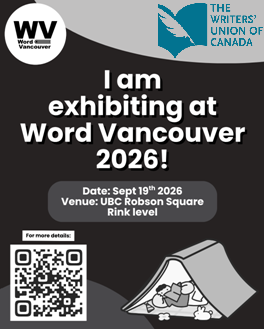 A dozen fine Writers Union members from the Vancouver area will be sitting at our TWUC table all day Saturday – if you are wandering round Word, do stop in for a friendly chat!
 -
Sublime and Twisted Readings coming up!
Read Full Post: Sublime and Twisted Readings coming up!The Sublime poetry anthology is reactivating this season! I’ll be among those reading
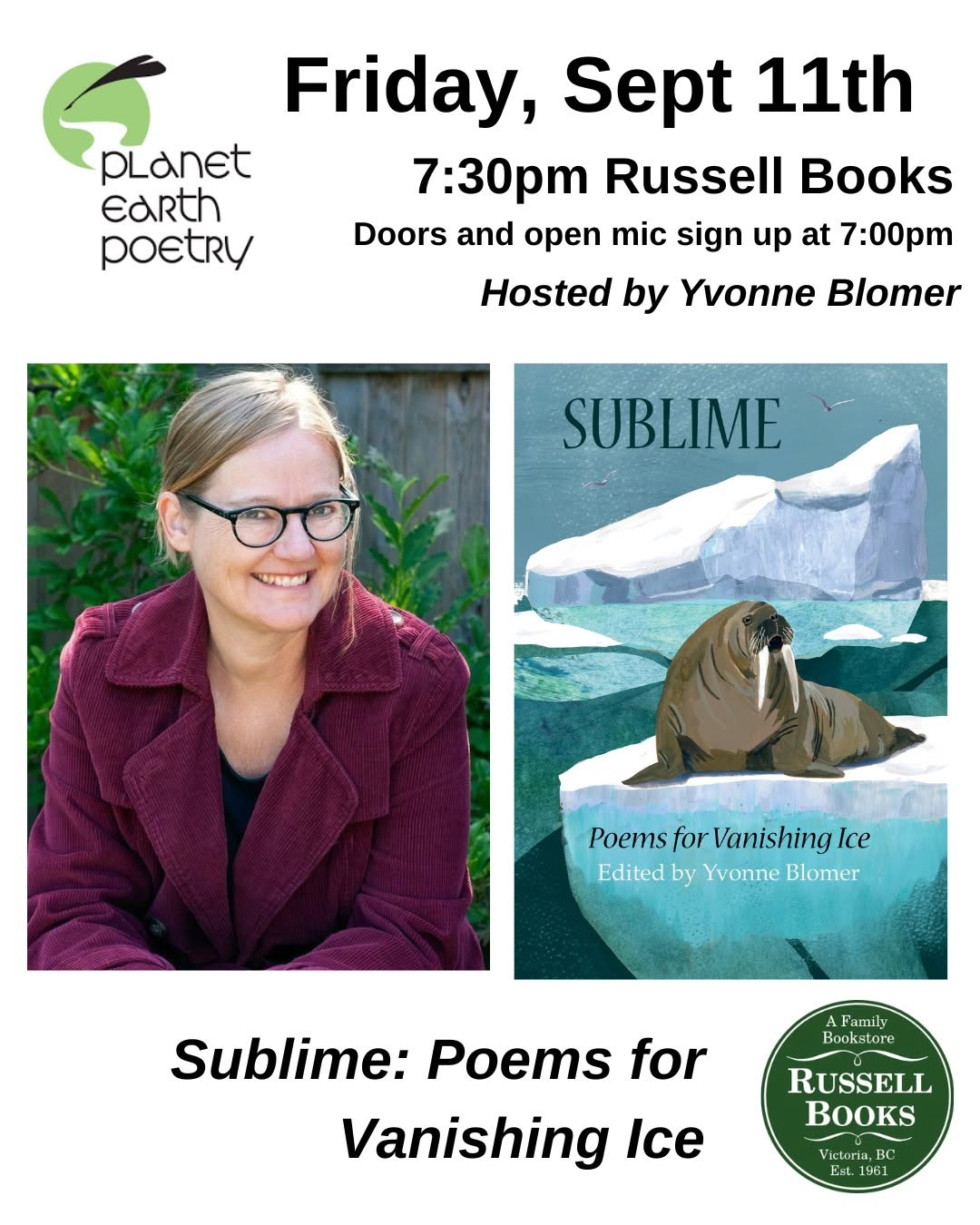
 on Friday September 11 at Planet Earth Poetry‘s fundraising 31st season opener – come along to Victoria’s own Russell Books at 7:30pm if you’re in the neighbourhood – the event features a mega sale of gently used poetry books for $5, plus of course shiny new copies of Sublime!
 Then at the Britannia Branch Library in Vancouver on Wednesday September 16 I’ll be joining more poets reading from the anthology at the Twisted Poets Literary Salon.
It’s an off-site event of the Word Vancouver festival which I’ll be attending on Saturday September 19, coordinating our Writers Union of Canada exhibitors’ table – do drop by if you’re there, and meet a writer or two!
-
Sublime
Read Full Post: Sublime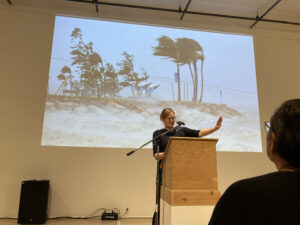 I was honoured to be one of the 110 poets included in Yvonne Blomer’s latest and last poetry anthology dealing with the difficult aspects of climate change and water.
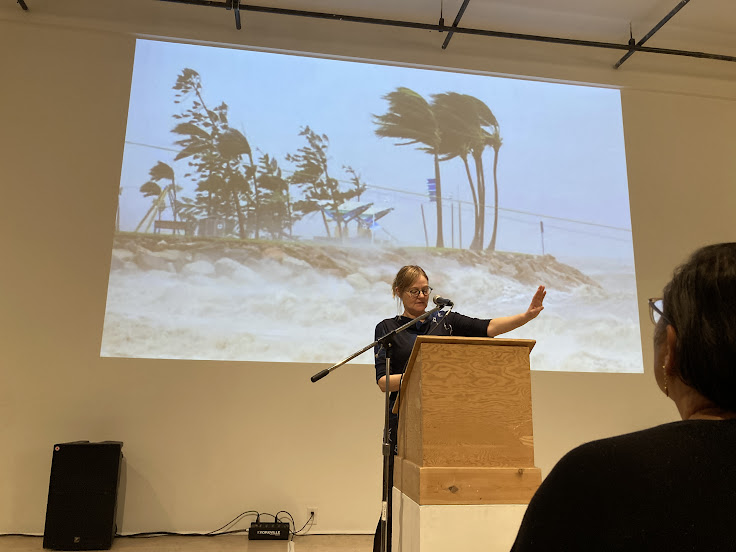
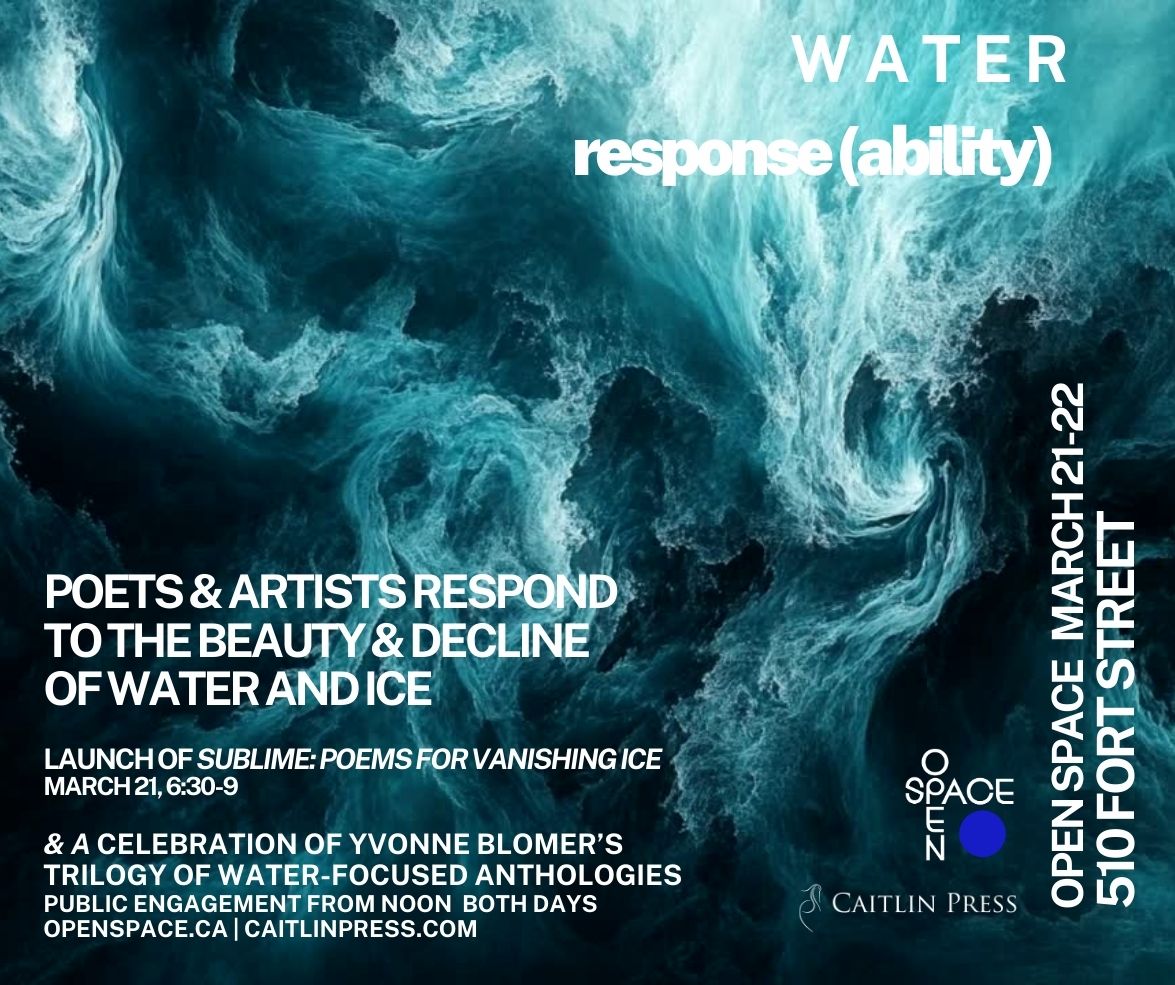
Sublime: Poems for Vanishing Ice is now freshly launched, following two days of readings, commencing on what was appropriately both World Poetry Day and World Water Day.
Not all 110 poets featured read, but 28 of us came from near and far, with pl
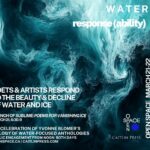 easure, gratitude and admiration for Yvonne’s perseverance over the past decade of her work on the trilogy.
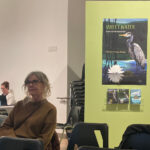
Three gorgeous posters for silent auction: Refugium, Sweet Water, and Sublime.
Latest Posts
- (no title)
- Sublime and Twisted Readings coming up!
- Sublime
- Good weather for reading
- The world, the world
- Sublime launch!
Aldeburgh Poetry Festival Barny Haughton BBC BC poets Berkswell blackberries Black Stilt Bologna book launch Borough Market Carlo Petrini Catalonia Cyrus Todiwala dairy Daunt's Books Dijon Edinburgh Fanny Bay Feast of Fields Food and Morality food history food journalism Jenna Butler lardo Malahat Review Michael Pollan Okanagan olive oil tasting olive trees Omnivore's Dilemma Our Food Our Future Oxford Parmigiano-Reggiano Planet Earth Poetry poetry poetry readings Poetry videos prosciutto salumi Sean O'Brien Suffolk ticks Wendy Morton Wired Writing Yvonne Blomer
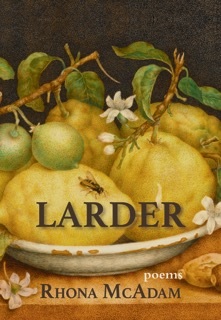
In her latest collection, Rhona McAdam navigates the dark places of human movement through the earth and the exquisite intricacies lingering in backyard gardens and farmlands populated by insects and pollinators, all the while returning to the body, to the tune of staccato beats and the newly discovered symmetries within the human heart.
“…A beautiful, filling collection, Larder is a set of poems to read at the change of the seasons, to appreciate alongside a good meal, and to remind yourself of the beauty in everything, even the things you may not appreciate before opening McAdam’s collection….”
Rhona McAdam is a writer, poet, editor, and Registered Holistic Nutritionist with a Master’s in Food Culture from Italy and a deep-rooted passion for ecology and urban agriculture. Her work spans corporate and technical writing to poetry and creative nonfiction, often exploring the vital links between what we eat and how we live. Based in Victoria, BC, and available via Zoom, Rhona is always open to new writing commissions, readings, or workshops on nutrition and the culinary arts.