Skip to content

community gardens

Serenity on the Farm

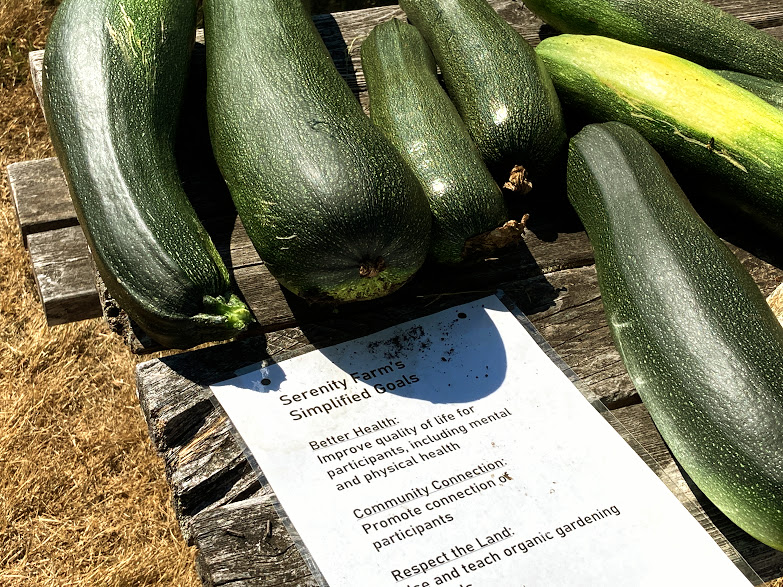
Serenity Farm had an open garden yesterday, and I’d wanted to see what went on there for a while.

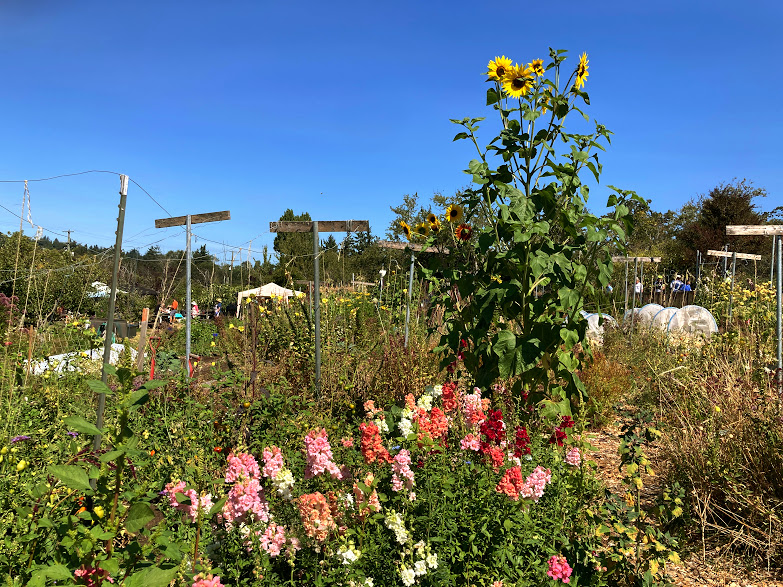
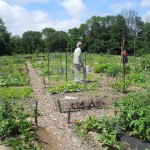
A therapeutic farm, it’s a small (half acre) site that grows flowers, vegetables and herbs, and boasts a small orchard with pears, apples, plums and figs.

The farm was established to provide a working space for people with mental illness, as well as others working off community orders. And it’s attracted a team of volunteers who come a couple of times a week to help out (more always wanted!)

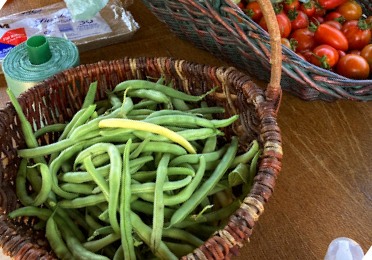
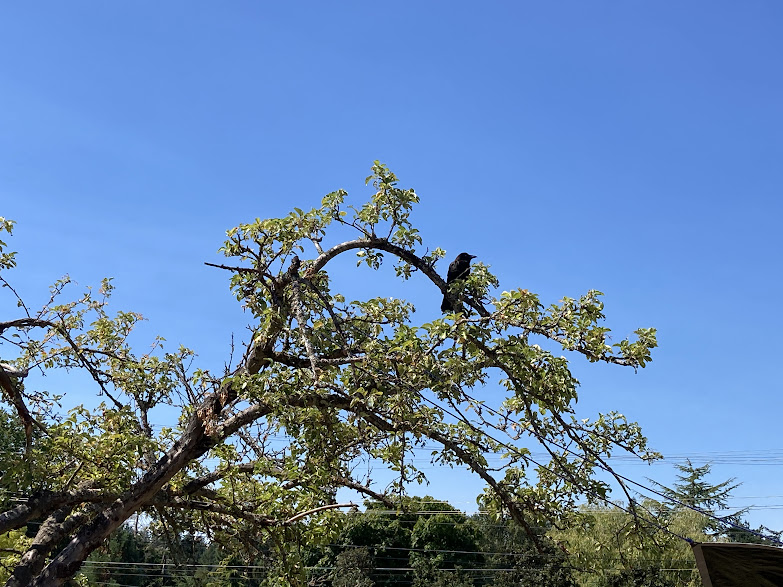
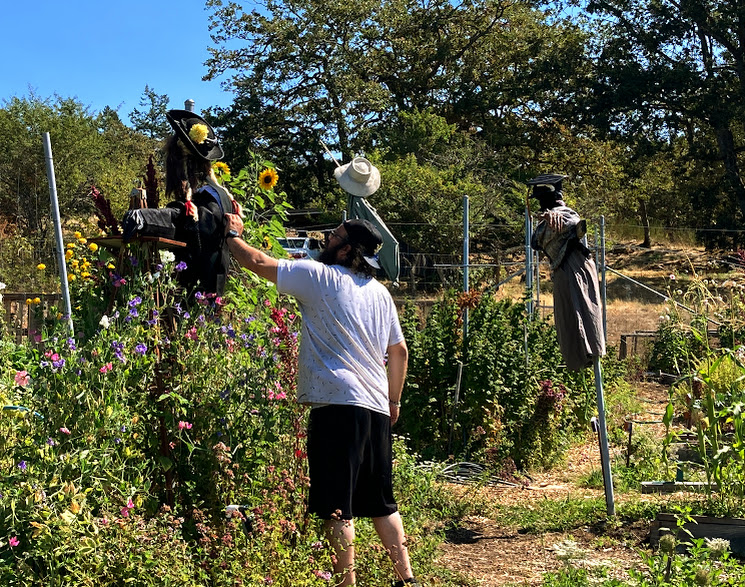
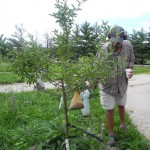
The project has been going for around 10 years and sits in a sunny field on the grounds of the Seven Oaks Tertiary Care Facility, in the Blenkinsop Valley. It’s always cheering to see how much food can be produced in a small space with volunteer effort, and the beans and tomatoes were abundant, as were the flowers and fruit – the plum tree was laden and the small apple tree boasted enormous apples. A crow presided from a nearby branch, presumably keen to judge the scarecrow competition that was underway.

Seedy, raw community

Maple Bay Witch Hazel

It was an intense ag-food weekend starting with Seedy Saturday at the Victoria Conference Centre. Many were the crowds, nigh on as numerous as the seeds on sale, and much was the diversity on offer. I was helping out at the CRFAIR stand, conveniently situated next to Jacob of Salt Spring Sprouts & Organic Mushrooms, who is always generous with his samples. I also sampled some excellent banana pancakes made by chef Joseph from his bean flour pancake mix. Managed to escape with only one package of seeds, this one from GTUFer Kendell Nielsen, PAg, who had dropped off some mini-spaghetti squash seeds that caught my eye. I did not need her giant Jerusalem artichokes though they were beautiful. There was a very busy table of volunteers repackaging the donated seeds, and a large variety on offer (free for trade or $1 a package).


My book was on sale at the CRFAIR table (near the giant rutabaga); Verna & Bob Duncan talked fruit and fruit trees at their very popular stand, and it was spring all over the place with tender snowdrops and other spring shoots waiting to be taken home. There were many workshops as well, including a preview of the Changing the Way We Eat food talks which are upcoming at the Belfry Theatre in late April. Watch this space for news..


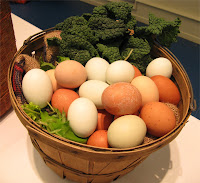
Sunday was a double whammy. First, the GTUF meeting, in which Gabe Epstein and Belle Leon shared some photos of community gardens in Victoria, Seattle and South Africa, and invited discussion about the nature and purpose of community gardens in our area. Then we broke for snacks – including two glorious pizzas hand-crafted by local caterer Eugene Monast who has often blessed us with food at our meetings. GTUFer Robert Baker had brought a basket along to show what he’d harvested from his garden that morning, encouraging us to make the most of winter growing.


And finally it was on to the VIVA-RAW monthly potluck, to see what delectables were on the table and to hear Aika Tuomi talk about mushrooms. He focused on shiitake, reishi and chaga mushrooms and did a good plug for mushroom powders and extracts on sale where he works, Ingredients Health Foods.

And the raw food we ate: below, a delicious and beautiful salad featuring pomegranate, kiwi and avocado; seedy flax crackers; mock salmon (walnut) pate (my contribution); zucchini noodles; ingredients list from some cocoa-date cookies; and finally the groaning plate which features everything but the late-breaking and improbable-sounding but gorgeous salad of mango, citrus and sauerkraut.

Edible Gardens, Terra Madre Day & Digging the City on TV

I was over on the Mainland earlier this week and spent three days enjoying many things, including a tour of some urban agriculture in practice, Terra Madre Day celebrations Vancouver style, and a few minutes in the public eye to promote Digging the City.

On Monday afternoon I was delighted to be able to meet up with Emily Jubenvill, community liaison with the Edible Garden Project in North Vancouver. They use a mixture of community gardens and corporate partnerships to grow food, teach gardening skills and increase the amount of food growing going on in the community.

They’d planted an urban plot behind a skateboard shop which demonstrated a couple of the problems that can arise with urban growing. The shop’s ownership was about to change, and so the garden’s future is as uncertain as on any borrowed land. This is something that affects SPIN farmers and other farmers working under leases rather than secure tenure: it determines the kind of crops they can grow and the amount of long term planning they can do. And then there’s urban vandalism: a ripped polytunnel and a few torn plants here; earlier at the community garden we’d passed a sign asking people not to steal the vegetables.


One of EGP’s high profile projects, Loutet Farm, was built on the underused edge of a city park with considerable help from private and public funds. It’s a place for workshops and demonstrations, but mostly it’s land for growing food, which can be sold to raise money to fund green jobs in the community. Its success, Emily thinks, is due in large part to the fact they can pay a farmer to manage it: anyone who’s struggled with the ebb and flow of energy and funds around community garden management – or any other social enterprise run by volunteers – will understand what a big deal it is to be able to have someone in charge! On our visit the drainage was being revamped with the help of some grant money and a lot of free muscle. An apiary was under construction as well: this being North Vancouver, it has to be bear-proof: the sturdy mesh cages for the hives will be sunk into concrete before they’re stocked next spring.


Monday evening was of course Terra Madre Day everywhere, a global celebration of local eating. As I was missing the carnivore culinary book exchange that Slow Food Vancouver Island was hosting, I was grateful to catch wind of Slow Food Vancouver’s  celebration, which took place at Chill Winston in Gastown. Chef Derek Bothwell is a hand-crafter if ever there was, and brought many of his wares for us to sample. Ingredients included house smoked steelhead, bison (he’s an Alberta boy, originally), a pretty amazing lentil caviar, and local pork belly, with some salt caramel chocolates to finish. We ordered some nice limey crab cakes, smashed potatoes and wild mushrooms to tide us over in between.

Tuesday I made my television debut on CTV with a short spot on a noon show where I was grilled on food security in Canada. You can still catch my moments here.

Dashing around London

It’s a busy old place, this London. Crowded, too. Even, at times, in the spacious halls of the British Library where I spend as much time as I can. I noticed a little urban food growing going on in the forecourt, where giant planters are evidently brimming with strawberries.

Wandering round Vauxhall after a dog walk we stopped for a little breakfast at a dog-friendly pub, the Black Dog, which is a great thing to have in one’s neighbourhood. As is this venerable tea house, a building which Virginia tells me is mentioned in one of Thackeray’s novels.


We stopped in for a peek at the Vauxhall City Farm, which is part petting zoo and part community garden. There are horses large and small as well as rabbits, chickens, goats, sheep and a fair number of waterfowl of various shapes and sizes. In the back there’s a modest allotment which in this unseasonably warm December is still growing, unimpeded by frost.


And on for a look at Borough Market where there’s everything from bread to biltong.


ASLE 2: gardens

One of the features of ASLE conferences most beloved by attendees is the choice of activities slotted in to highlight the environmental features of the host region. My Friday afternoon pick was a tour of the Bloomington Community Orchard. The 44-variety organic orchard was planted last October, so it will be a couple of years before it’s bearing fruit (although there are berry bushes which will keep volunteers interested until then, perhaps).

It’s administered by a volunteer board and has received grants already from Toms of Maine and Edys Ice Cream. Our guide, board member Ross Gay, said the grants were helpful as they gave the orchard focus through its beginnings, since the requirements – to carry out educational projects and the like – had to be satisfied within a strict time period.

Situated at one end of land that was a former pig farm, the orchard is ringed by deer fencing and punctuated with handmade gates and posts of local locust wood.

They try to use local materials wherever possible: the paths are made from local limestone which, compacted for use, are firm and even enough for wheelchair access. The garden shed was built with reclaimed wood, recycled materials and volunteer labour; the compost included donated leavings from a local brewery (until the eau de organic matter put a halt to that ingredient).

Though water – and nutrients – are being carefully nurtured in the soil (groundcovers like rye and buckwheat are planted, and levelled with sickles), water will be an issue to be faced in the future because the cost of extending the water pipes is prohibitive for a nonprofit. So there are plans for a cistern and water harvesting in the works; meanwhile, in keeping with the permaculture principles being used in its design, the orchard boasts this swale which holds water along the contour of the orchard.

Efficient use of resources means improvising and using sustainable gardening methods. Permaculturalists love comfrey as a dynamic accumulator, its use as a green manure, and its size which keeps down weeds, so it’s been planted around all the trees. The bagged decorations are actually weights intended to train the tree limbs into a horizontal or downward growth; and most of the trunks are protected with wrapping (rabbits and other rodents would be the chief culprits here, I suppose, as the fencing should keep the deer out).

We had time to have a nose round the nearby community gardens as well, where a few people were pottering around on a Friday afternoon. Things were looking pretty healthy, despite a lot of Japanese beetles sunning themselves on corn leaves; a reminder that community includes shared pests… like this potato beetle in its striped pyjamas.

Organics ABC

I spent much of this past weekend at the COABC (Certified Organic Associations of British Columbia) annual conference which was conveniently held in Sidney and attracted some great speakers and lots of friendly farm folk, with tasty organic fare to fuel the conversation (“When was the last time you saw organic milk at a conference?” we marvelled in the coffee queue; “This would be a first” we agreed.)

The two headliners for my interests were Chris Thoreau, an urban farmer from Vancouver, speaking about how to make money from farming in cities, and Todd Kabaluk, a researcher from Agriculture Canada, speaking on current research into wireworm.

Thoreau’s talk on Friday night promised to go beyond community gardens to explore some of the economic aspects of urban farming. An entrepreneurial bent is needed to make money from farming in the city, and Thoreau’s aim is to prove it’s a viable economic model for some, both by farming himself and by creating an urban farming network in Vancouver (where there are 19 urban farms – comparing poorly with the 700+ that now exist in Detroit .. but on the other hand, there is – let us be grateful – not the same degree of vacant lots in Vancouver)

City FarmBoy is believed to be the longest standing urban farmer in Vancouver, farming 14 backyards and one rooftop. Farmers on 57th work with residents of the George Pearson Centre providing food and involvment to people living in the facility. Thoreau’s own business, My Urban Farm: small scale sunflower sprouts delivered by bicycle. SOLEfood has literally taken over a parking lot on East Hastings, with the help of a grant from the city to set up. They use raised beds to grow food to sell at high end restaurants, farmers market, recreation centres and so on, using the proceeds to hire people and train farmers.

And then there was a reception, featuring Crannog Ales and Summerhill wines.
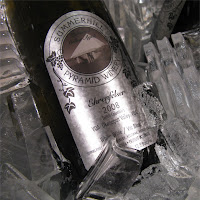
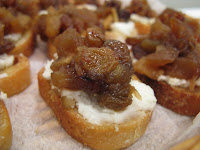
Friday night nibbles included…
On Saturday, we had opening addresses from Dag Falck,
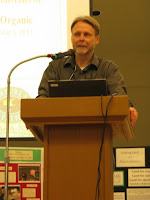
of Nature’s Path, explaining the negative effect that “natural” food branding is having on certified organic food sales. He pointed out that only half a percent of all farmland in North America is under organic cultivation, which means that shortages of organic ingredients are imminent if the sector continues to grow. There is a widespread misunderstanding of the meaning of the term – led by marketing – that leads the public to pay a premium for goods made from agricultural products that are – and cost- exactly the same as conventional products. There is a white paper on the subject, from COTA (Canadian Organic Trade Association).

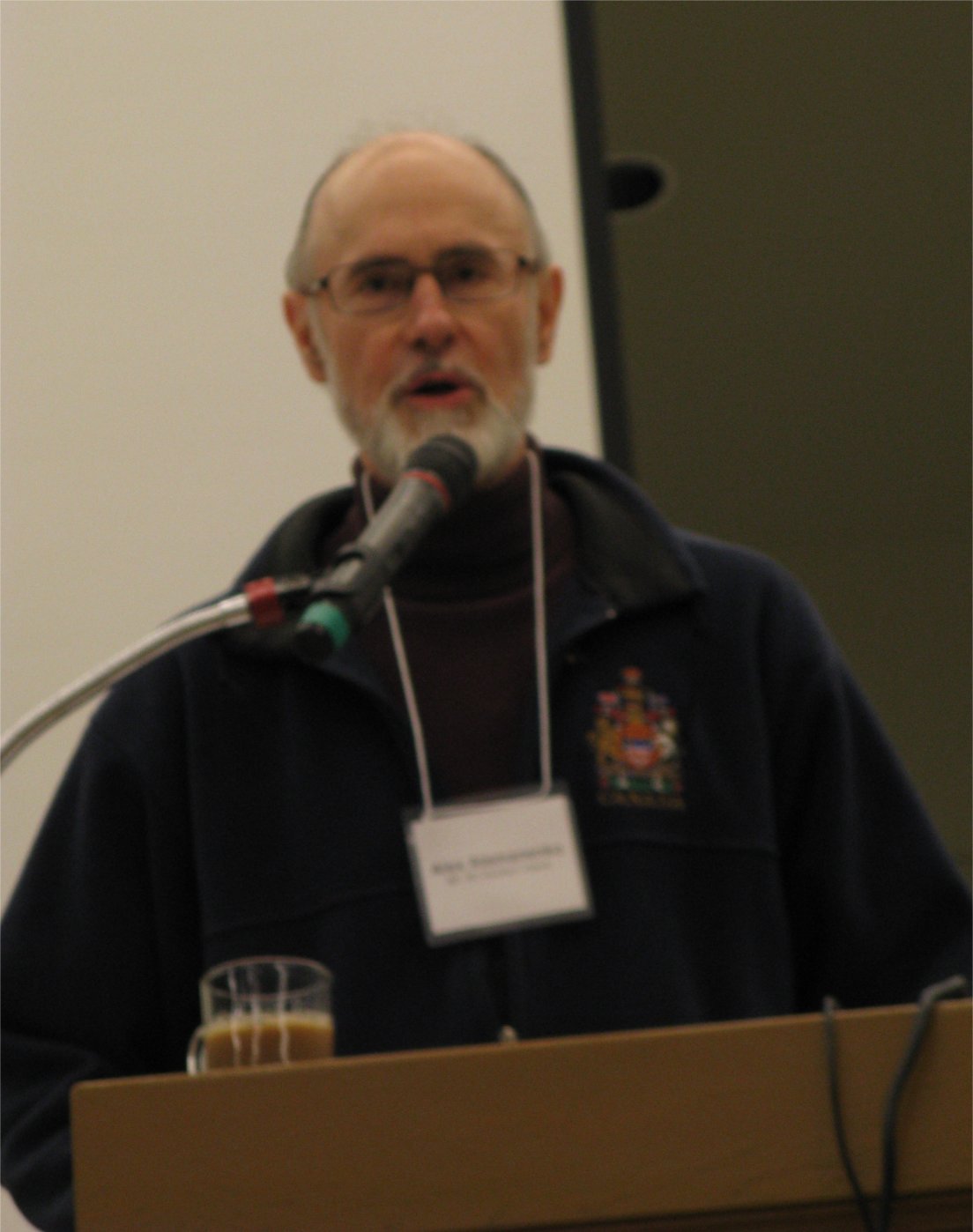
Alex Atamanenko
spoke about organic items topical in Ottawa, including Bill C-474. There is still a shred of hope around the topic, with a new campaign to support a moratorium on GM alfalfa in Canada. He addressed the worrying elements in CETA (Canada–European Union) trade negotiations that threaten seed-saving, and later confirmed what I’d heard about the first-time inclusion of municipal level obligations that could end institutional support for local foods (the proposed changes would “prohibit municipalities from using procurement for sustainable development purposes such as promoting food security by adopting “buy local” food practices”). So lobbying is suggested at the municipal as well as federal level.

I went on to a talk abou soil ecology and alternative mulches for organic blueberry production; basically a discussion about traditional use of sawdust vs composts. One of the reasons was to reduce the loss or injury of plants through plant-parasitic nematodes, which can more easily be kept in check by natural predators such as those found in soil enriched with organic matter.

Then there was a coffee break
and I skipped out to do some errands. After a vibrant lunch
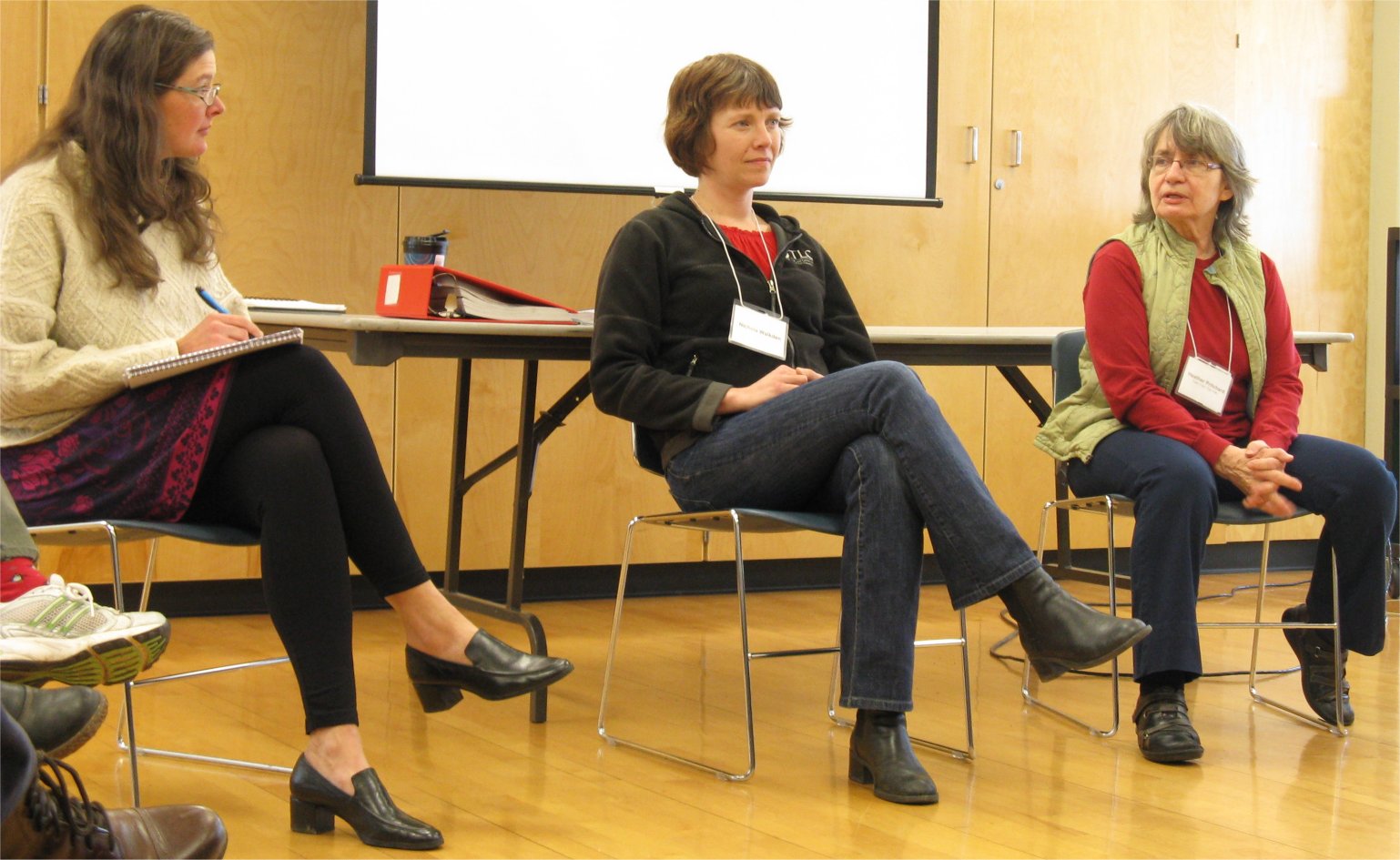
there was a panel on Community Farms, land leasing and other ownership models with Jen Cody of Growing Opportunities; Nichola Walkden of The Land Conservancy; and Heather Pritchard of Farm Folk City Folk. There was a lot of discussion about the ins and outs of land tenure when working with a collective or community model; issues to do with zoning, neighbours and conditions of tenancy.
Then it was time to turn to the most evil insect of them all. Todd Kabaluk gave a thorough consideration to the life and times of the wireworm, mortal enemy to all potato growers and many others besides. As has been previously discussed here, it’s a long-lived pest with a big hunger and an undiscriminating palate; laying waste to seedlings and rendering root vegetables unsaleable. There are no known enemies, though research is looking for these; and it’s hard to kill since its whiskers allow it to whisk up and down in the soil, so you can’t be sure exactly where it is. As Kabaluk wryly observed, “Wireworms are where you find them”.

One place you will certainly find them is in forage crops/ set-aside/ any longer-term grass (like lawns and turf) where moisture levels are steady and there’s lots of food in the roots of grasses. Till that under and you move the grass and the wireworm beneath the soil; when the grass decomposes, and the wireworm loses its food source, you have created a situation where the wireworm must seek a new food source. If you’ve planted a crop, expect visitors, as they’re attracted to the CO2 emitted by the roots.

Although some useful research has been done – involving brown mustard as a rotation crop; use of aromatic oils like citronella; and use of a fungal biological control – there is no quick fix available yet. Kabaluk is focusing on better methods of monitoring their numbers (to reduce the need, e.g., for corn farmers to automatically treat seed with clothianidin even where wireworm numbers are not known). The best summary he could recommend of non-chemical treatments is this article from 2008.

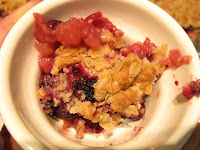
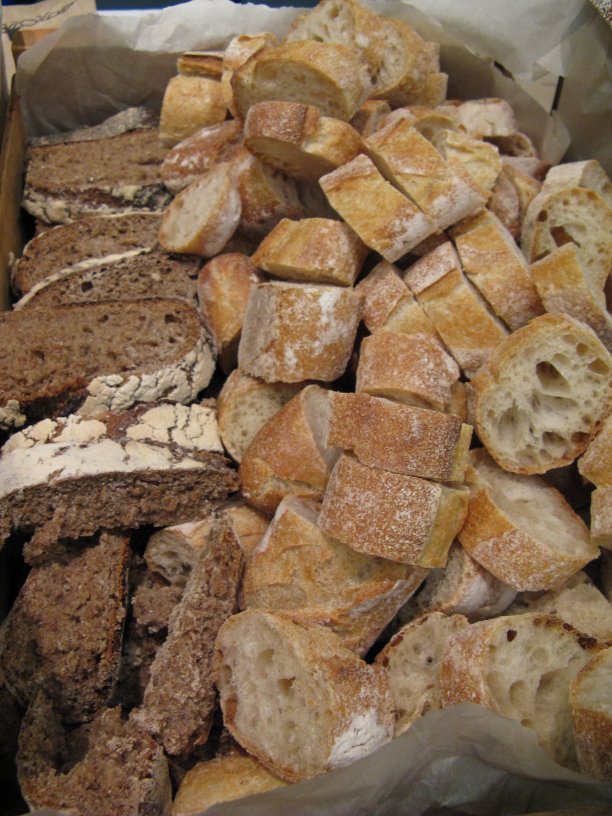
Supper was good and featured lots of salmon from Sointula, as well as local cheese and charcuterie. And a very nice apple and berry crumble to finish.
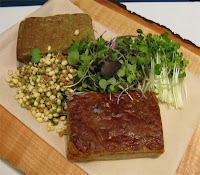
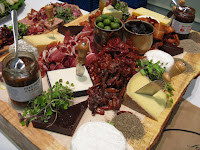
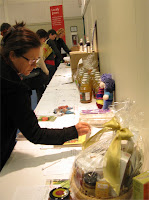
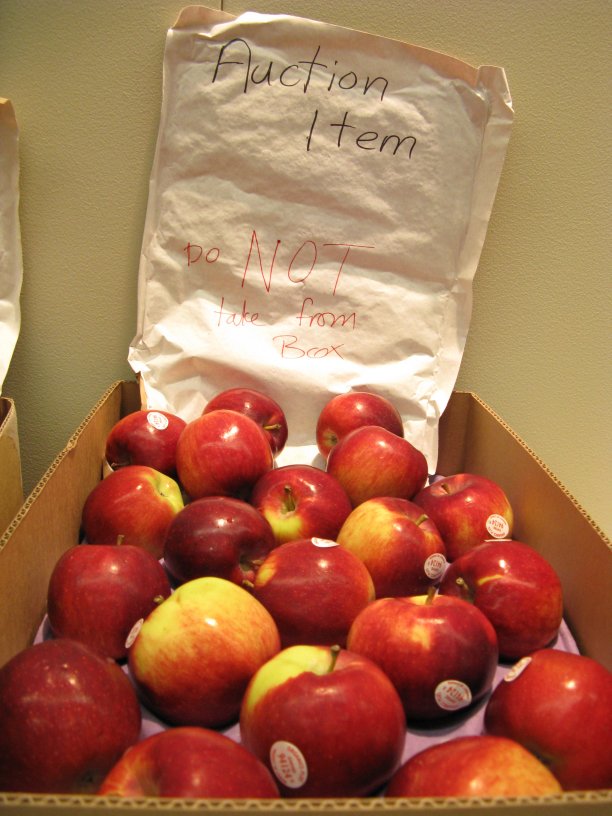
A last look at the silent auction items
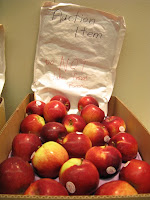
– I was outbid on everything (luckily) – and some jolly tunes from the Jugbandits, and that was it for me. I couldn’t make it to the Sunday sessions as I had a bee talk to attend.