Skip to content

mushrooms

Seedy, raw community

Maple Bay Witch Hazel

It was an intense ag-food weekend starting with Seedy Saturday at the Victoria Conference Centre. Many were the crowds, nigh on as numerous as the seeds on sale, and much was the diversity on offer. I was helping out at the CRFAIR stand, conveniently situated next to Jacob of Salt Spring Sprouts & Organic Mushrooms, who is always generous with his samples. I also sampled some excellent banana pancakes made by chef Joseph from his bean flour pancake mix. Managed to escape with only one package of seeds, this one from GTUFer Kendell Nielsen, PAg, who had dropped off some mini-spaghetti squash seeds that caught my eye. I did not need her giant Jerusalem artichokes though they were beautiful. There was a very busy table of volunteers repackaging the donated seeds, and a large variety on offer (free for trade or $1 a package).


My book was on sale at the CRFAIR table (near the giant rutabaga); Verna & Bob Duncan talked fruit and fruit trees at their very popular stand, and it was spring all over the place with tender snowdrops and other spring shoots waiting to be taken home. There were many workshops as well, including a preview of the Changing the Way We Eat food talks which are upcoming at the Belfry Theatre in late April. Watch this space for news..


Sunday was a double whammy. First, the GTUF meeting, in which Gabe Epstein and Belle Leon shared some photos of community gardens in Victoria, Seattle and South Africa, and invited discussion about the nature and purpose of community gardens in our area. Then we broke for snacks – including two glorious pizzas hand-crafted by local caterer Eugene Monast who has often blessed us with food at our meetings. GTUFer Robert Baker had brought a basket along to show what he’d harvested from his garden that morning, encouraging us to make the most of winter growing.


And finally it was on to the VIVA-RAW monthly potluck, to see what delectables were on the table and to hear Aika Tuomi talk about mushrooms. He focused on shiitake, reishi and chaga mushrooms and did a good plug for mushroom powders and extracts on sale where he works, Ingredients Health Foods.

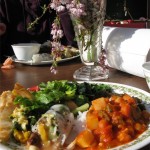
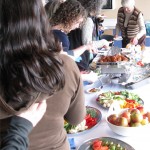
And the raw food we ate: below, a delicious and beautiful salad featuring pomegranate, kiwi and avocado; seedy flax crackers; mock salmon (walnut) pate (my contribution); zucchini noodles; ingredients list from some cocoa-date cookies; and finally the groaning plate which features everything but the late-breaking and improbable-sounding but gorgeous salad of mango, citrus and sauerkraut.

Clay, cordyceps, clams and cucumbers

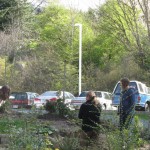
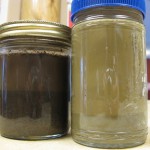
Last weekend’s permaculture course covered soil (with Christina Nikolic of Gaia College, SOUL and The Organic Gardener’s Pantry), fungi and animal husbandry. We started things off with a bit of digging in the garden to collect our soil samples, which we scooped into flat-bottomed jars, topped up with water and commenced agitating to thoroughly break the soil finely enough to settles and show its layers. We were advised to scrape aside the organic matter and just go for the soil. It was going to take some time for everything to settle – but we began to see the surprising truth of Christina’s observation that even where we thought we had hard clay soil, chances were it was simply compacted and the actual clay content would not be that great. The colour of the soil reflects the amount of organic matter, with darker samples being higher in humus, and lighter ones tending towards higher clay content… no bad thing since clay holds water and nutrients better than silt or sand.

Water made up most of the jars, and the layers then settle in this order:

  • (small amount of organic matter floating on top)
  • water
  • clay
  • silt
  • sand

Christina takes a more benign view of soil than most instructors. Knowing your soil type does not mean you have a problem to manage, she says, and nor is there any point to spending money on soil tests. Instead, focus your energies on building up the organic matter in your soil (even a great soil probably only comprises about 10% organic matter) which makes it more able to absorb and retain water and nutrients.

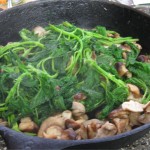
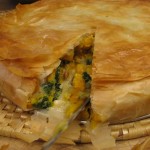
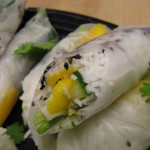
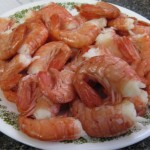
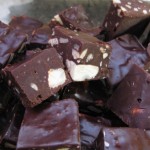
There followed one of our increasingly excellent potluck suppers, which we were delighted to be able to eat on the sunny patio, and which included such local delicacies as steamed nettles with shiitake mushrooms, kale & squash filo pie, mango spring rolls and spot prawns… but the vegan fudge shamelessly stole the show.


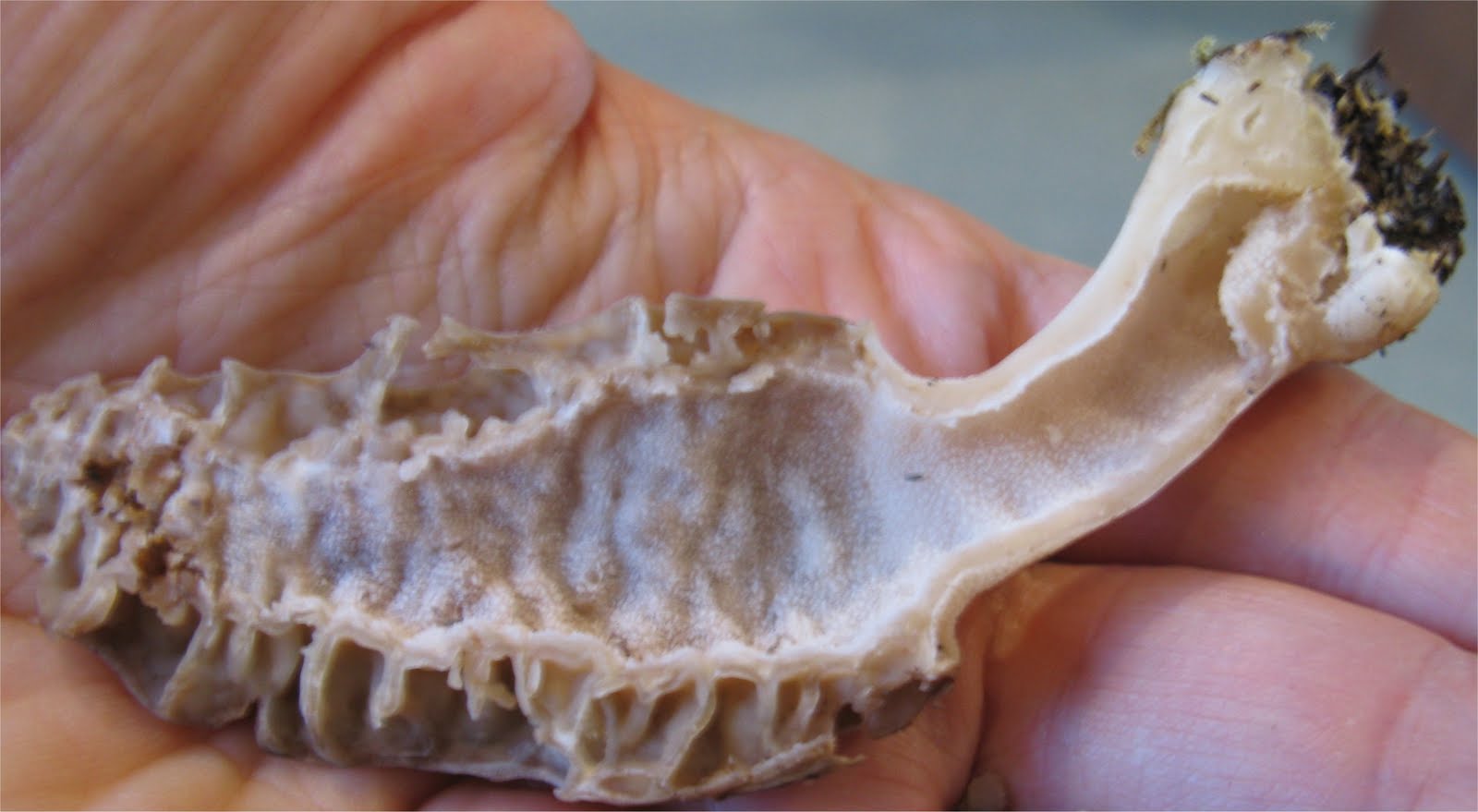
After our giant feed, we talked about different ways of growing mushrooms – from inoculated logs (actually bagged bricks of substrate made from grain or wood chips – these are widely

Mushroom stem butt

available here nowadays at farmers’ markets), from spore prints or even stem butts. We were told that mushroom logs can be broken up and used to inoculate mushroom beds made in various ways in the garden, or rehydrated to fruit multiple times, as the mycelium web runs throughout the substrate. By far the most entertaining moment came when Brandon told us about the cordyceps mushroom that infects carpenter ants – compelling them to take to the highest branches of trees, and killing them at the moment their mandibles bite into a leaf, at which point the fungus grows from their bodies. It is a method of pest control (carpenter ants and termites) described by the mushroom guru Paul Stamets whose TED talk also discusses how to use mushrooms to clean industrial waste and for so many other purposes – medicinal, fuel and more – that he proposes preserving old growth forests as a matter of national defense. David Attenborough has documented cordyceps too:

I finished my weekend on Monday evening when I moseyed over to Vancouver Island University to attend a discussion about local food which featured John Ehrlich (of Alderlea Farm) who has a 300-subscriber biodynamic CSA (veg box scheme), and Guy Johnston, who is starting his second year of a Community Supported Fishery offering salmon, prawns and octopus. We broke for a mid-session snack offering local foods including Natural Pastures cheese – but one of the points earlier made was proved to us: in order to offer us local food, the organizers had to buy it and bring it into the meeting. This college with its cafeteria downstairs and a well-established culinary arts program is tied like many institutions to trade agreements and supplier contracts that do not address the provenance of ingredients. In order to assure a local food supply, local food producers need local consumers, and as has been often said most of our food is made up of cheap imports purchased from off-Island wholesalers.

Farmer John Ehrlich
Fisherman Guy Johnston

Readings & mushrooms & quince

On Wednesday I went along to Bolen Books to hear Lynn Coady reading with Douglas Gibson. Gibson was in good form, spinning tales I hadn’t heard on my last listen, from WO Mitchell’s farewell joke, to respectful admiration of Alice Munro, to the dangers of crossing Montreal streets with Pierre Elliot Trudeau. Coady read a mesmerizing passsage from The Antagonist, which I must get my hands on one of these days when I can force myself to sit down and read something.

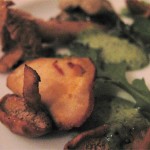
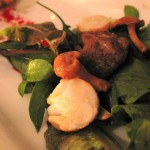
Last night I joined about 50 others to enjoy wild mushrooms, many of them unearthed earlier that day by participants in a foray led by our mycophilic host Sinclair Phillip. The chefs of Sooke Harbour House were given the challenge of coming up with a menu to suit the finds (on top of regular restaurant duties and, I think they said, a reception as well). They more than managed to offer us four fine courses, starting with a Matsutake broth in which were floating the selfsame pine mushrooms, surrounded by assorted wild morsels, a bit of nettle emulsion and a few nasturtium petals and shuagiku leaves.

Second course was a trio of tasties: porcini quinotto topped with boletes; pear-poached white chanterelle; and a bear’s head and spot prawn herbal salad with pickled hedgehogs.


Third course, the “wild plate”, included morels (from Eric Whitehead) stuffed with polenta; a venison croquette of Sidney Island fallow deer (these are culled annually, a fellow diner told me) with shallots and hunter’s stew (made from assorted foraged mushrooms) ; a pretty triangle of beet-mushroom terrine; and boletus grilled in leek oil with Red Fife “soil”. And the finale was Kabocha squash pie accompanied by an amazing candy cap mushroom ice cream, candied chanterelles and a darling meringue mushroom. The jelly that topped the pie was made from a delicious mushroom reduction (from the icecream making).


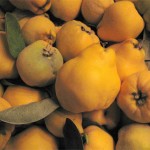
Back in my own kitchen, it’s preserving time and I’m wearingmy fingers to the bone making quince everything.

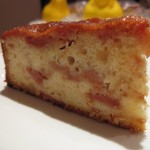
My lunch today was a modest harvest feast: a tomato-mustard tart, some fresh sauerkraut which made itself while I was away in Banff, and a crunchy baby cucumber from the garden; then a slice of yesterday’s Sticky Quince & Ginger Cake – part of my ongoing quest for new ways to use quince.

Mushrooms & poets

It sounds like the start of a bad joke, doesn’t it? When is a poet like a mushroom..? If I had been to more meetings of the South Vancouver Island Mycological Society, I’m sure I’d be able to fill in a punchline. We’ll have to come back to that another time I think.

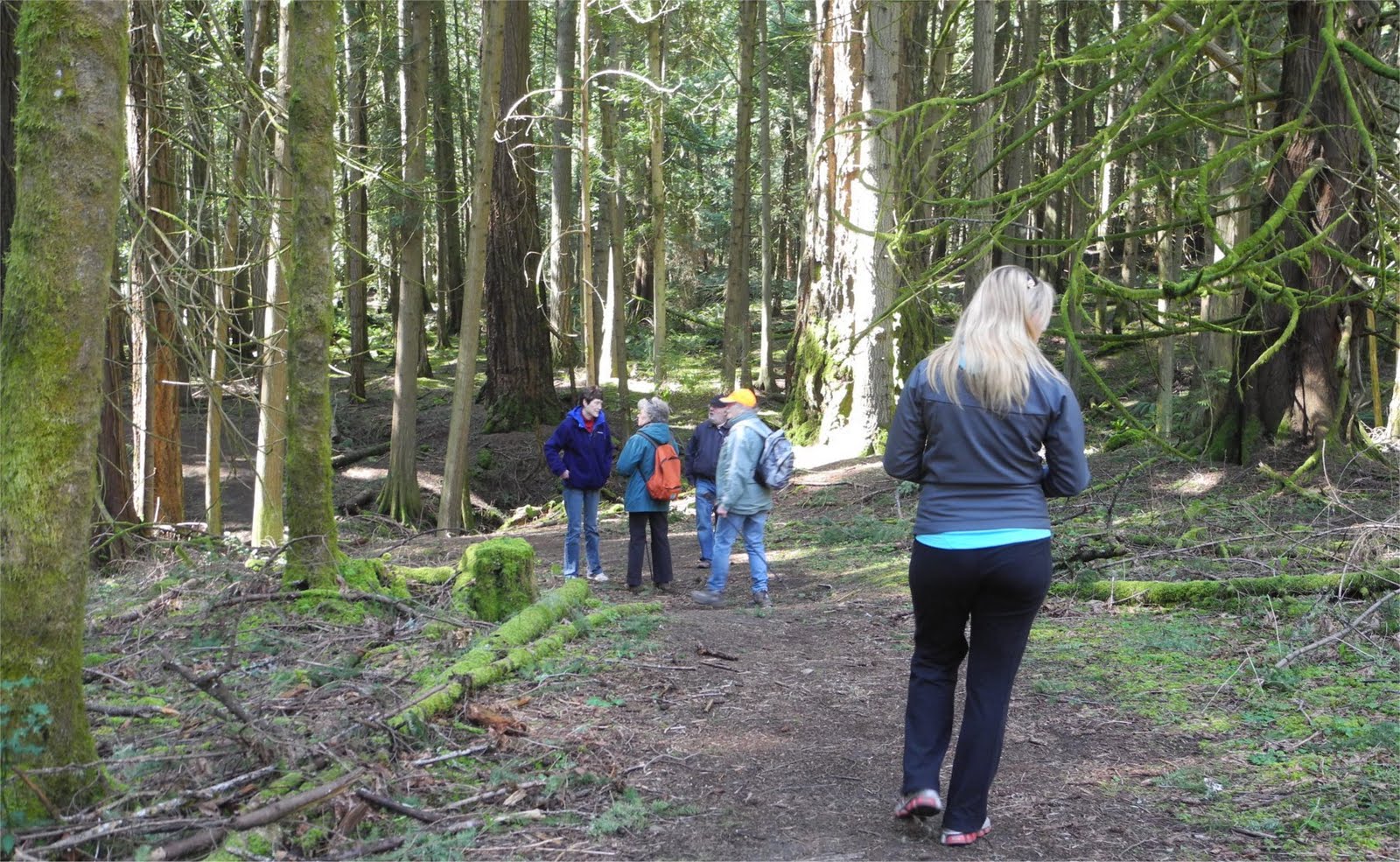
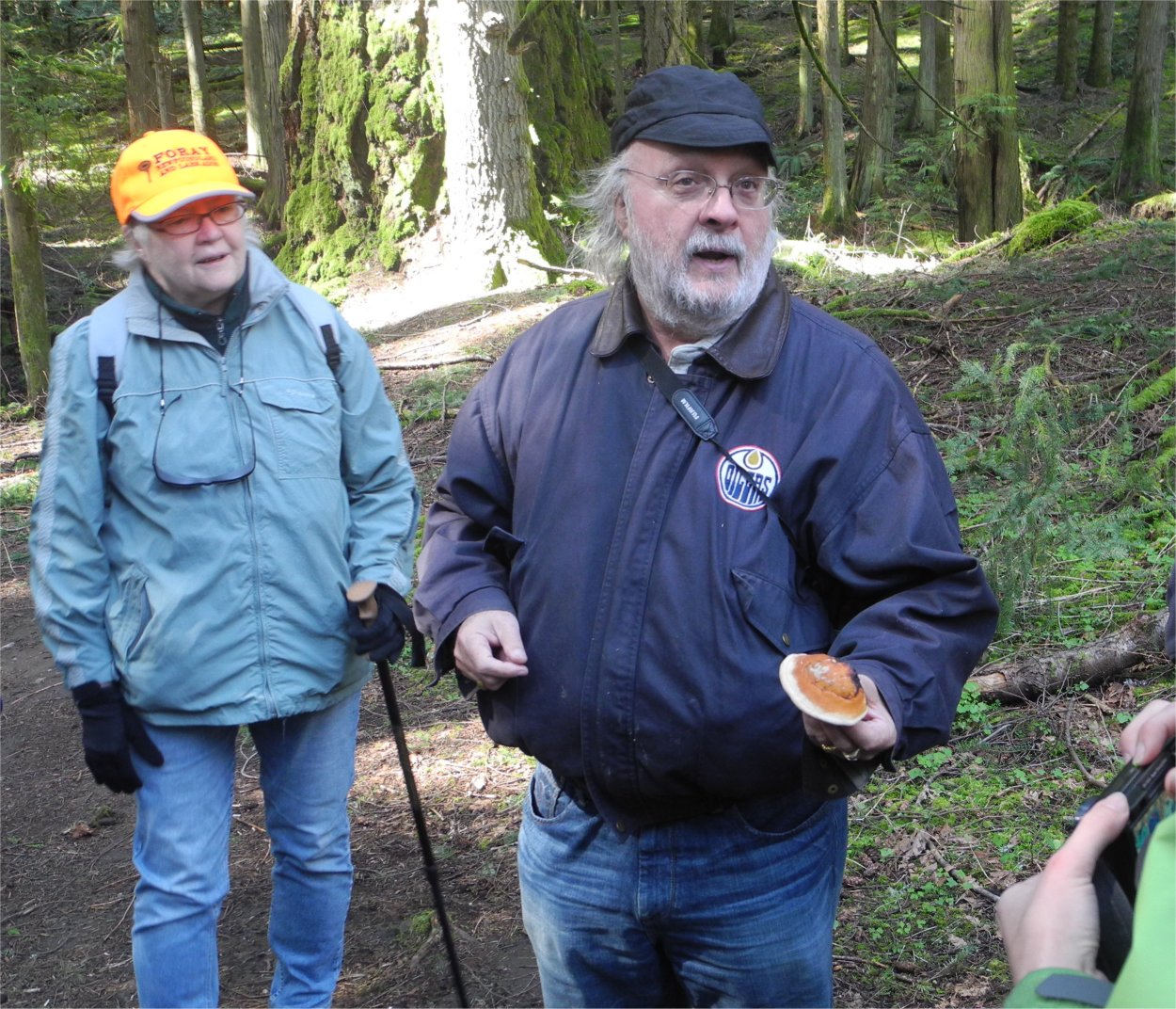
Last Thursday I was lucky enough to join a mushroom foray with SVIMS’ evening speaker Robert Rogers, from Edmonton, who was in town to talk about the medicinal uses of mushrooms. He described himself as a herbalist rather than a mycologist, but was pretty quick off the mark when it came to talking up the medicinal benefits of what we found in Francis King Park.

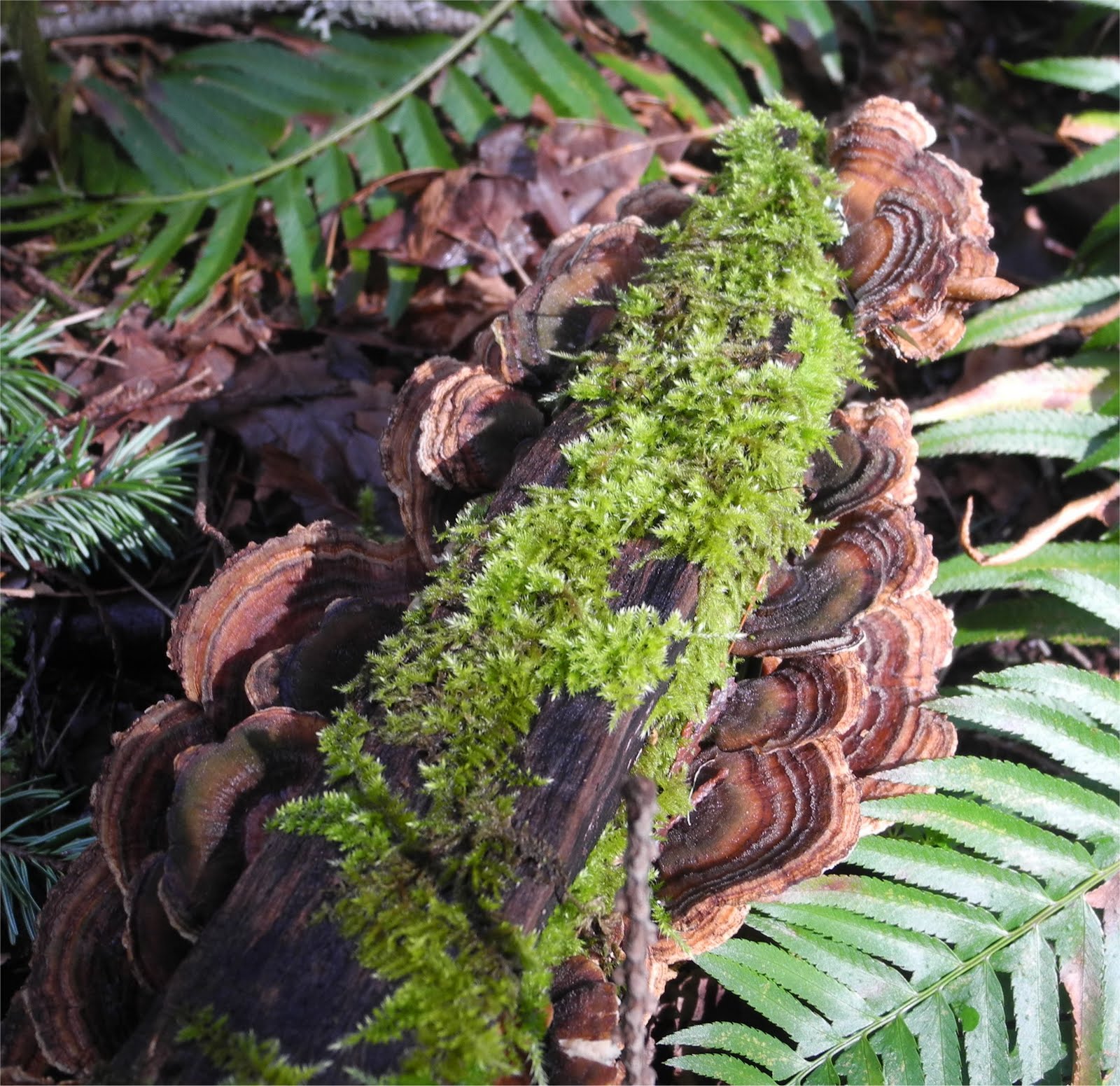
First up was a Turkey Tail (Trametes versicolor) on the park gate.

Better specimens found later on. Robert says it is the most important medicinal mushroom in Japan; the healthcare system there spends around $2.5bn a year providing it in extract form to post-operative cancer patients. In one study the placebo group had a 4.6 yr survival rate, while those taking a daily supplement survived 10.6 yrs post-op. He said it was an immune modulator and an important mycoremediator: its mycilium masses can convert PCBs and petrochemicals into CO2 and water. And it’s edible – just – a sort of mushroom chewing gum.

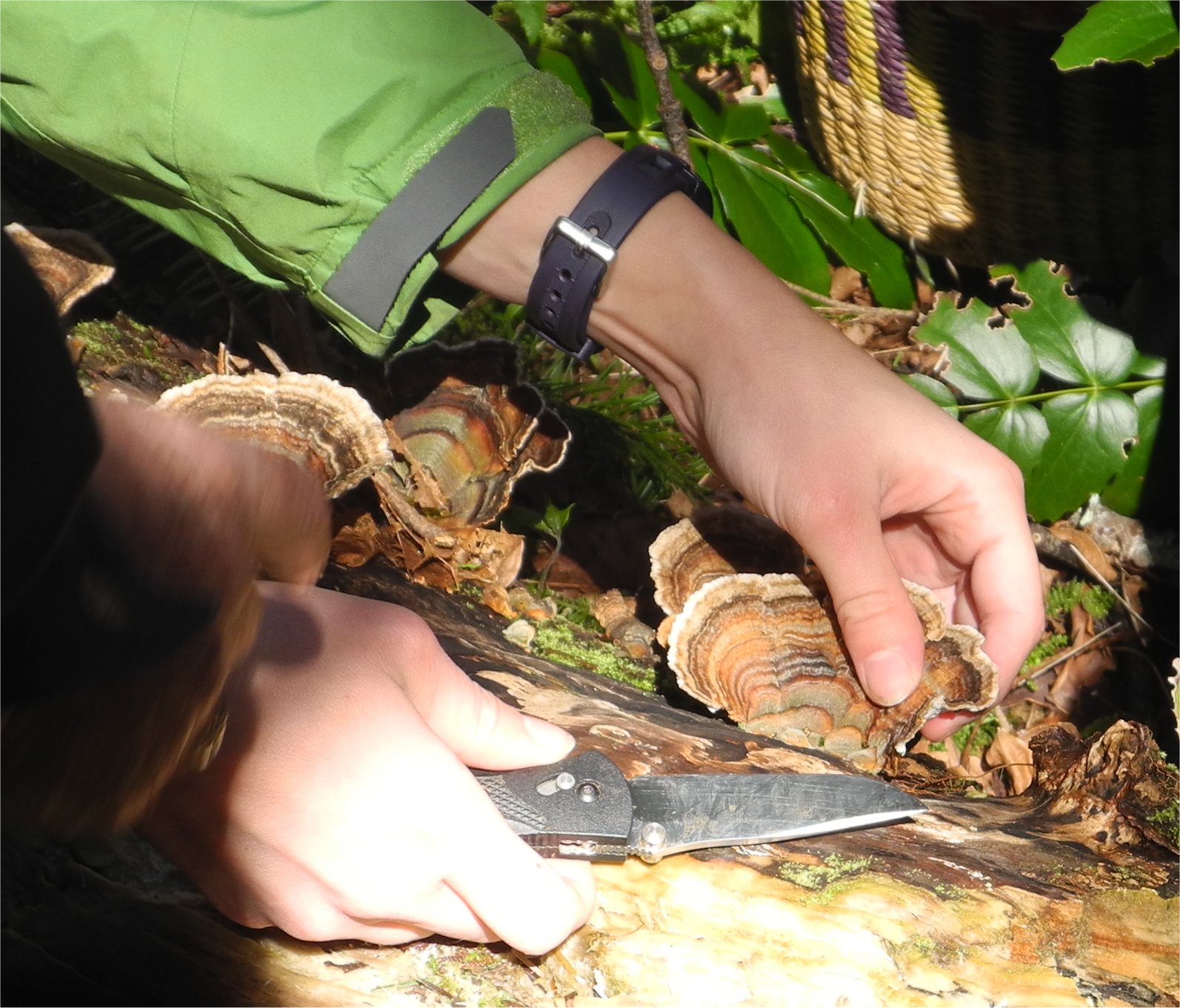
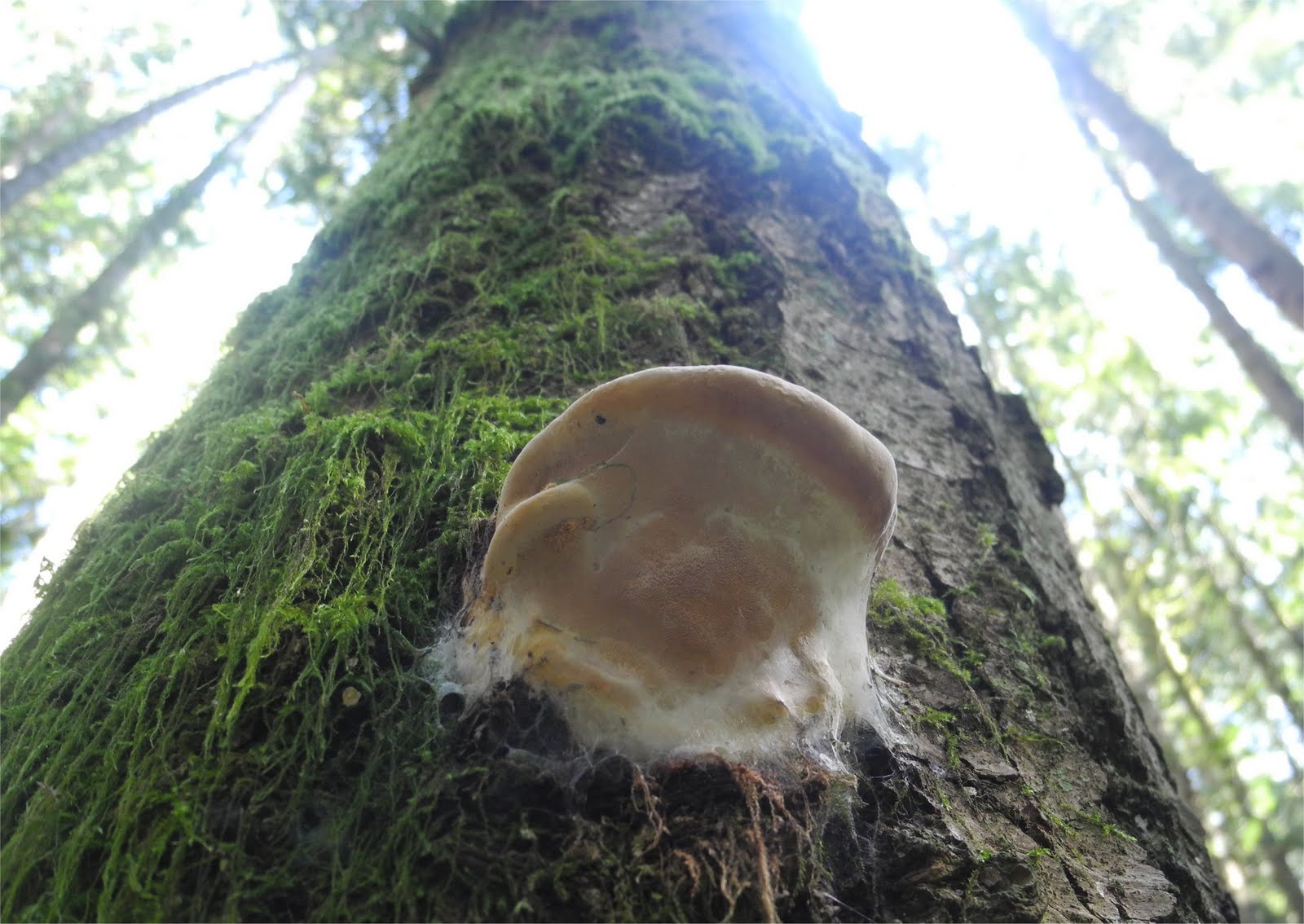
Many were the Polypores. Here a Ganoderma tsugae, one of the Reishi mushrooms. The Reishi is said to be the most studied mushroom of all time. It’s easily collected; best to work with when younger and spongier, as it’s easier to slice before processing. To prepare it you need to get polysaccharides and other matter out first, and through a series of soakings and decantings make it into a tincture that can be taken for various conditions. It modulates the immune system (perks it up when depressed, damps it down when over-active, as in the case of rhumatoid inflammation, lupus etc.) as well as reducing inflammation (and it is inflammation after all that kills us). It’s a great anti-cancer agent because it interrupts the cycle of cancer cells (via Apotosis 53: a point in self-cycled growth where cells are dividing) so can help prevent cancer formation. Chinese medicine uses it for esophageal carcinoma and indigestion.

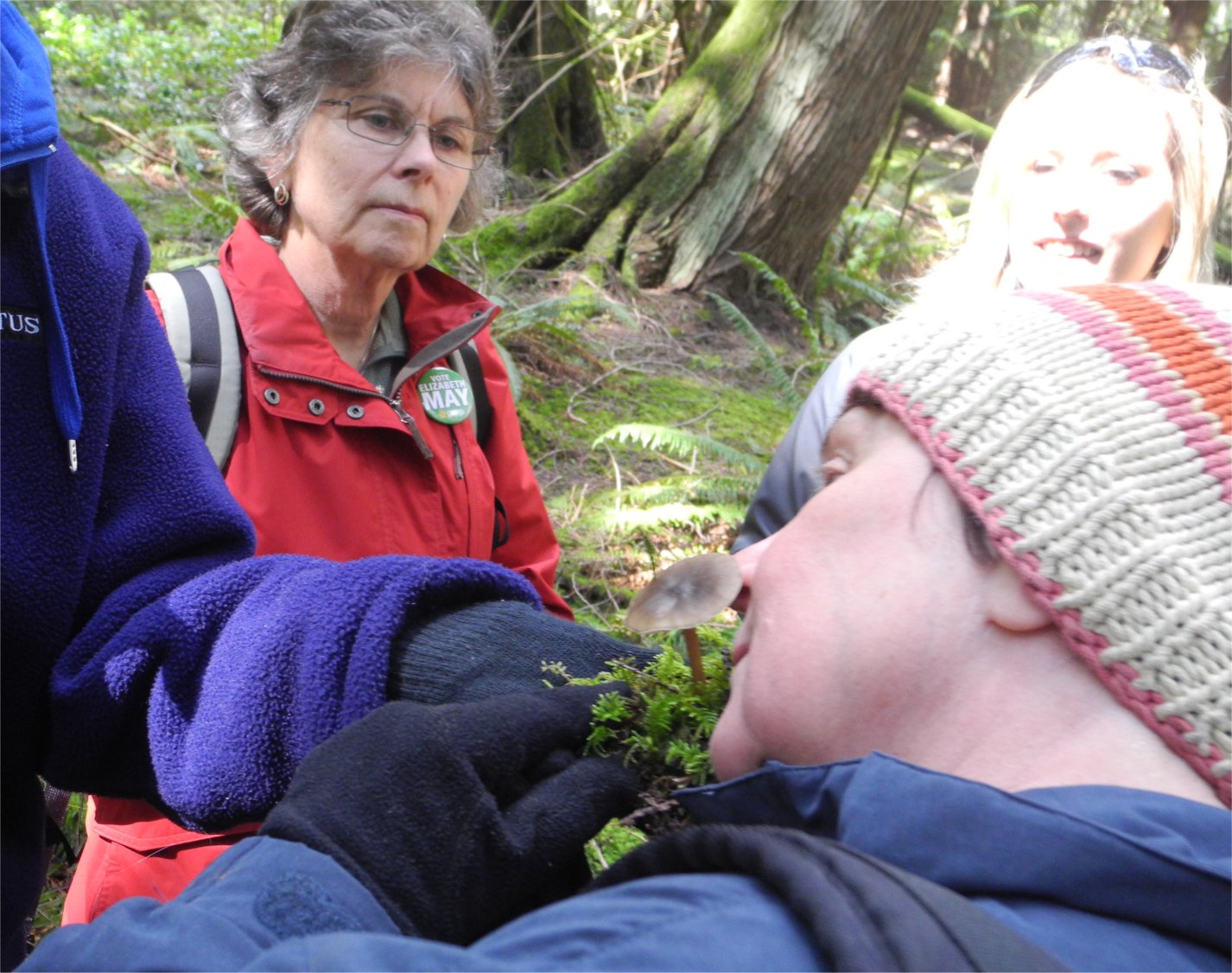
Mushroom hunters use all their senses in identification.

Dacrymyces palmatus (Witch’s Butter)


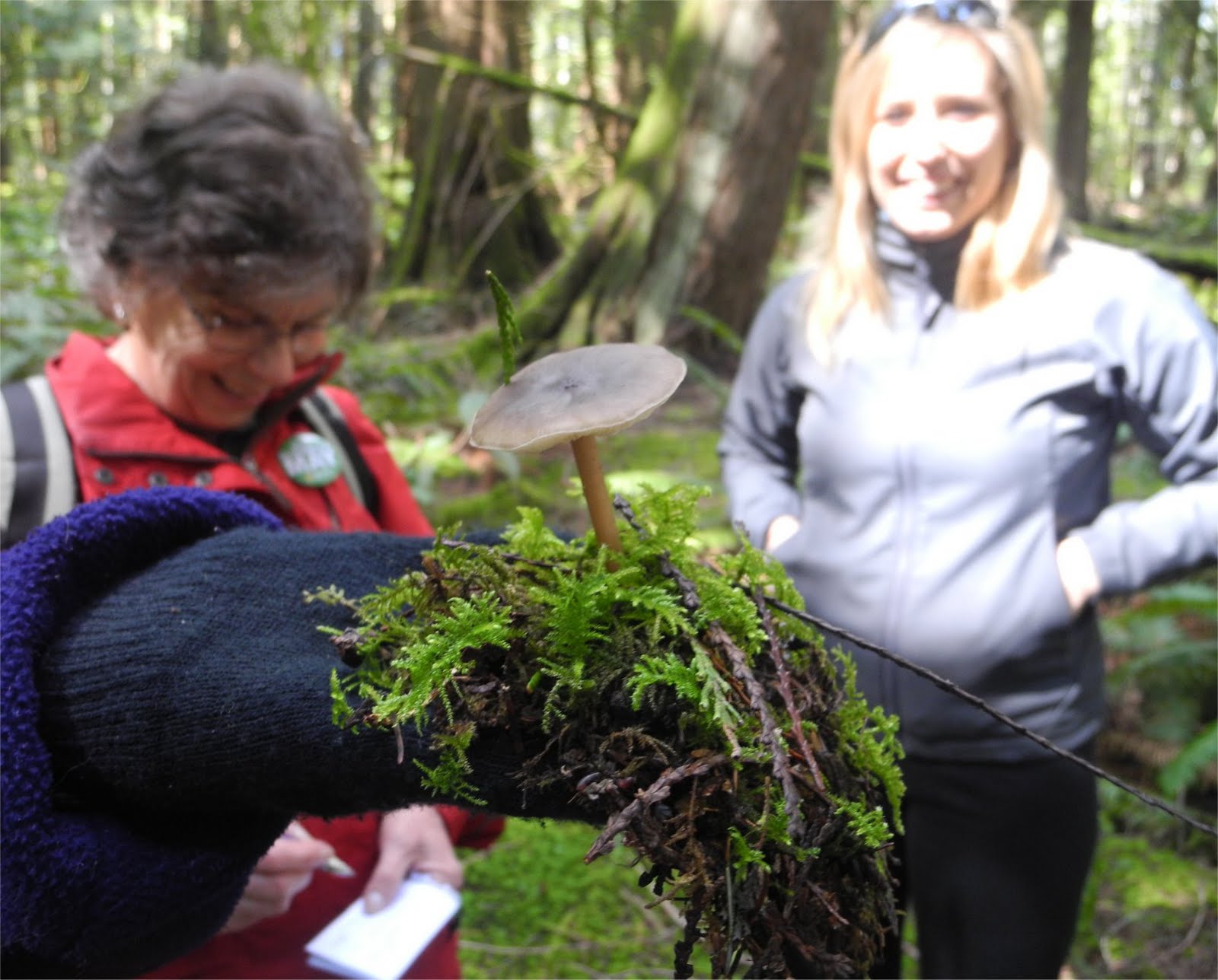
Inocybe sp.
— is this the LBJ of mushrooming?

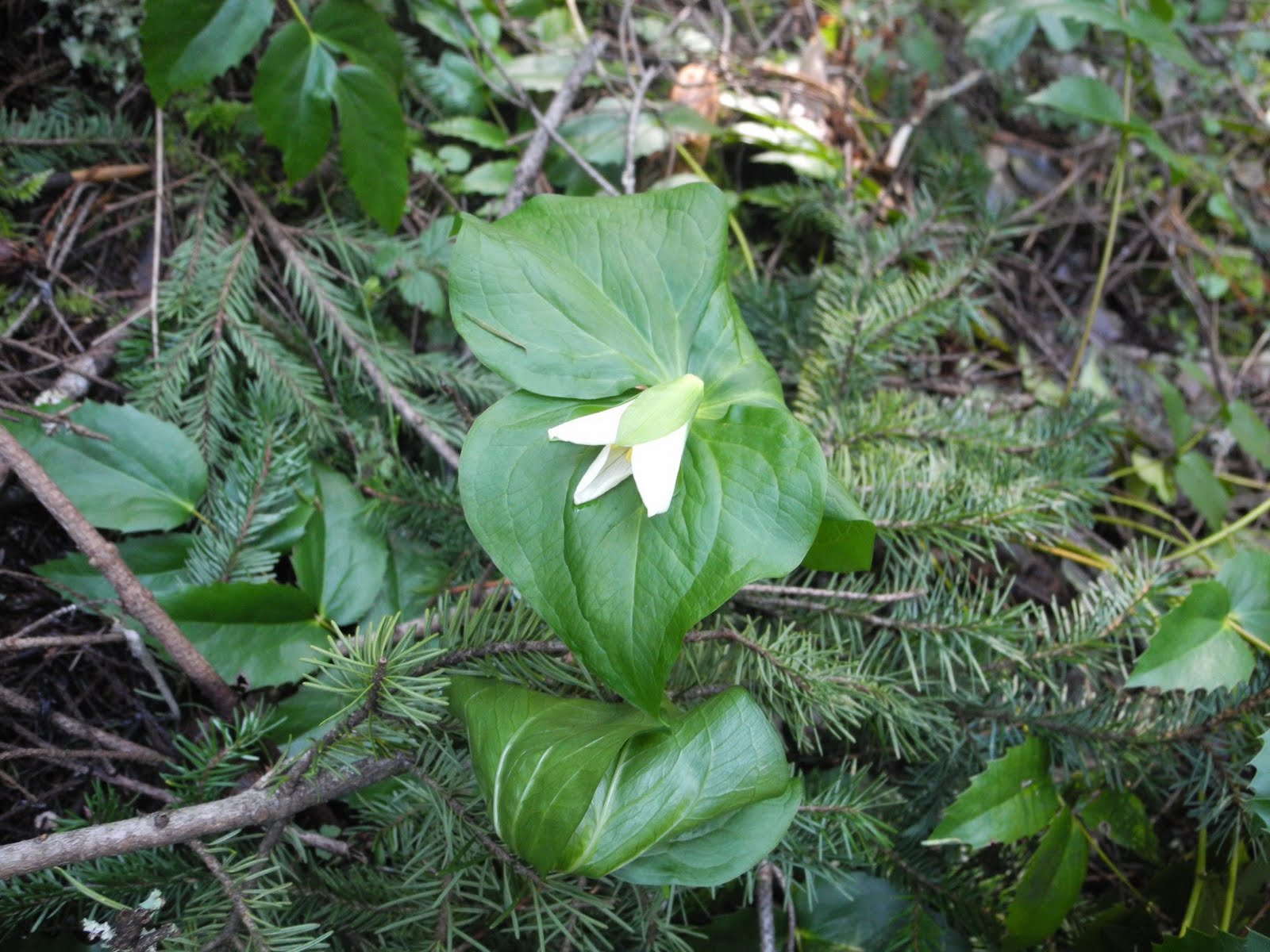
Spring in the rainforest: skunk cabbage and trilliums:

That evening at the meeting Robert went into more detail about a selection of mushrooms. But first we took a look at a Black Morel (Morchella elata), and observed the way the cap is integral to the stem, which is the way to distinguish a true Morel from a false one. It is of course an excellent eating mushroom, but one that can cause some diners upset, particularly if consumed with alcohol.

Then we heard about the beneficial properties of common edible mushrooms like Shiitake (Lentinula edodes) which a San Francisco hospital apparently found to be as good as any of its existing retroviral drugs); and it’s a cardiovascular regulator, preventing “hardening” of arteries, coronary embolisms, varicose veins, and helping with cholesterol problems.

The Enoki (Flammulina velutipes) cultivar is the only mushroom that Robert recommends eating raw; it is a cancer-preventive food, and one of the few to have undergone trials on breast and ovarian cancers.

Even the button/crimini/portobello mushrooms (Agaricus bisporus) got mention: don’t eat them raw, he says: some compounds may be toxic. But they are aromatase inhibitors (as are nettle leaves) preventing replication of hormone-sensitive cancers (prostate, breast). Regular consumption can act as good prophylactic. Reduction in breast cancer through eating these was found to be 67% but when combined with green tea, raised the reduction rate to 97% .

Oyster mushrooms (Pleurotus populinus; P. ostreatus) is a cholesterol reducer, containing lovastatin. Mitochondrial cell efficiency is affected by statin drugs (this inhibits Q10) but not by eating mushrooms. Two meals a week, he says, are as effective as statin drugs. They prevent build-up of placque in arterial walls, and are protease inhibitors: when the liver starts to shut down, cholesterol levels rise, but oyster mushrooms prevent both, and are antiviral as well. And an important mycoremidator – oyster mushroom mycillium can help clean up environmental messes (an idea Paul Stamets explains in his TED Talk).

There were many more besides.. described in fascinating detail in Robert’s book, The Fungal Pharmacy – Medicinal Mushrooms of Western Canada.

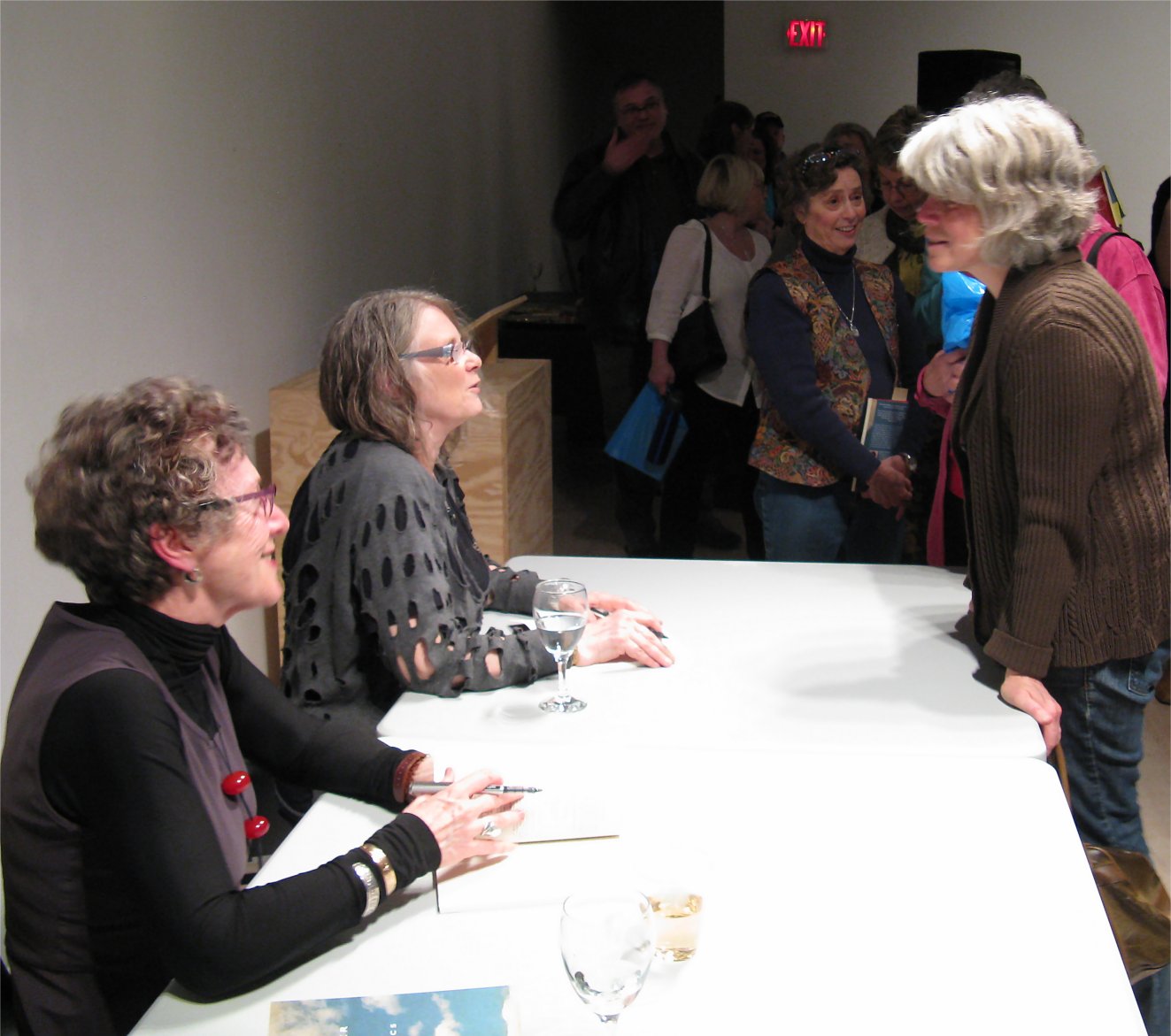
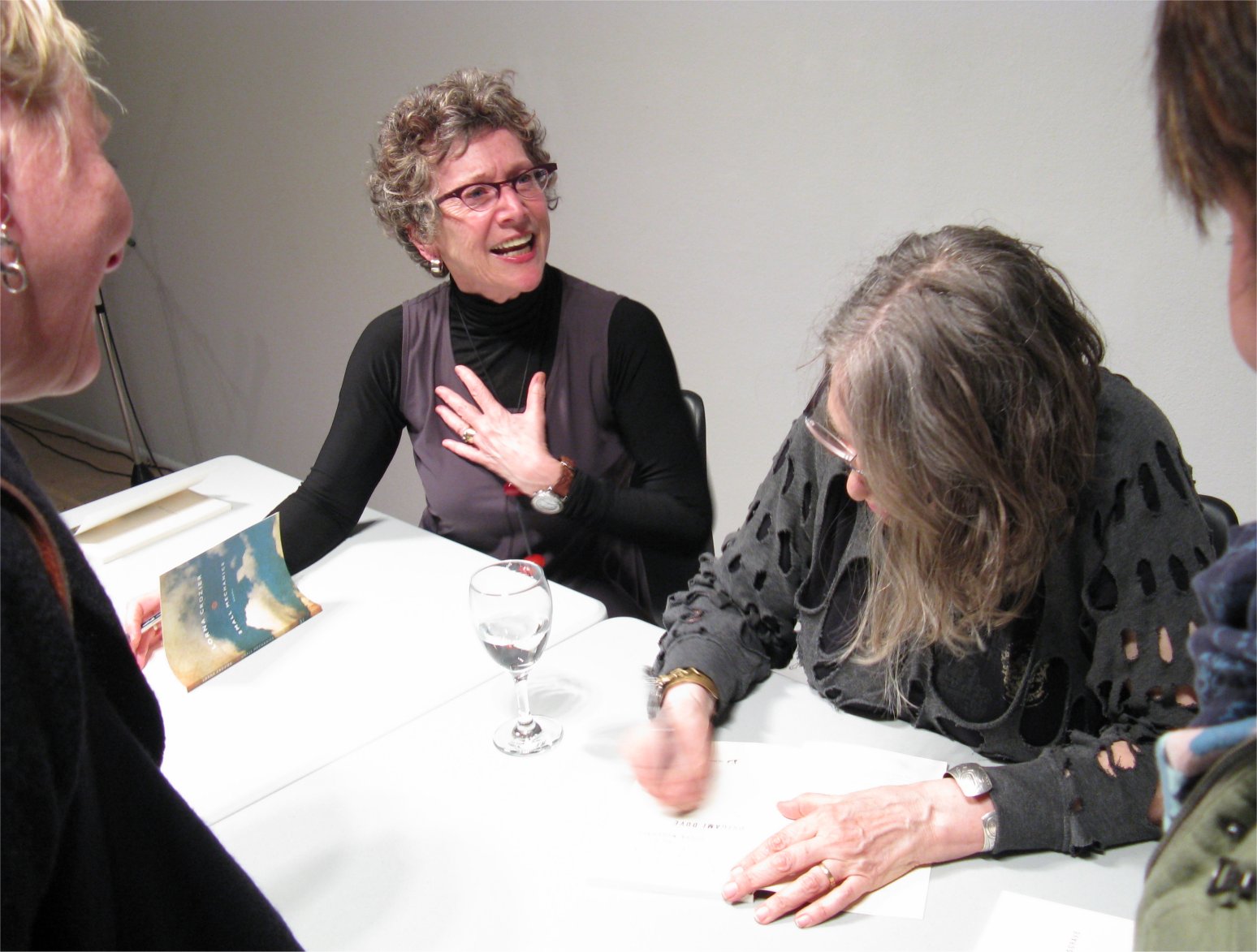
And on Friday, I was one of a multitude attending a book launch for new collections by two grande dames of Canadian poetry: Susan Musgrave (Origami Dove) and Lorna Crozier (Small Mechanics).

A stylish and hilarious evening, fuelled by quantities of sushi from the restaurant next door.