Skip to content

sustainable seafood

Octopus Day on the Gorge

I have some deadlines looming, so of course I am overcome with a need to cook and clean and hang laundry on the line while the sun shines.

And so it was that while diligently sorting through the hidden treasures in my freezer, I came upon an octopus, bounty from last year’s Michelle Rose seafood share.

This particular species, the red octopus (O. rubescens), is considered bycatch in prawn fishing, so the Michelle Rose fishermen decided to make a meal of it and add it to their offerings. Spot prawn season started last Thursday and  I’m looking forward to another share of both this year. All the more reason to drop everything and cook up some octopus surprise.

Octopus is not something I’ve found too often on Canadian menus; when I mention it my friends gag and make squeamish noises about tentacles. They are surprised when I tell them how tender and delicious it can be, as they assume it will be rubbery like cuttlefish and as flavourless as the depressing platters of calimari that (dis)grace so many bar menus.

One of my enduring memories of Crete is a particularly delicious dinner featuring octopus in red wine. This must have been nearly ten years ago, yet the taste and texture live on. When in Italy I always have insalata di polpo, and occasionally carpaccio di polpo. So I was game to try cooking some myself.

Many recipes consulted, and Italian cooking videos watched for good measure. In all of them they dunk the octopus three times in boiling water, to curl the ends of the tentacles and gradually introduce the change in temperature to assure tender cooking. They all stewed or simmered the octopus in water, but I had taken the words of saint Harold McGee to heart–“If you cook octopus in water, you dilute those juices and their flavor.” The flesh, he advises, is 80% water, so it does release a lot of juice while cooking.

This was a hefty one, in excellent condition, having been frozen in salt water. I forgot to weigh it before I started but I’d guess at least 2kg, with very long tentacles making it a bit of a trial to handle. I decided to blanch it as directed – eschewing the salt at Harold’s suggestion – and divide it in two so I could try a couple of different recipes.

One batch I cooked in the oven, with no added water, at 200f. I can cool this and eat it as is, or use it in salads or make a carpaccio. Harold said it could take up to five hours for a large octopus but this one was seeming very tender after blanching, so I only needed an hour; put it in a smaller casserole and turned it at the halfway point and then cooled it in its juices. When I reduced them they were salty indeed so I was glad I hadn’t added any seasonings.

The other half I cooked in red wine the Cretan way. The initial instructions were a little difficult to believe: cook in olive oil on low heat until all the juices are absorbed. Of course the opposite happened, but I figured I could reduce the juices later. I decided to pause after half an hour as the flesh was starting to tenderize beautifully. I added the red wine and gave it another half hour and let it cool in the juices before tucking it away in the fridge for my supper.

Looking forward to a nice healthy meal  of it which will contain iron, calcium, potassium, phosphorus, selenium and zinc; vitamins C, A, B12, folate and Niacin; as well as some omega-3 fatty acids, choline and taurine.

Here are the recipes:

Slow-cooked octopus (based on Harold McGee’s To Cook an Octopus)

    1kg octopus
    1 large kettle boiling water
  • Clean the octopus, if needed: remove any extraneous matter from the hood, cut out the eyes and remove the beak (found on the bottom of the octopus where the arms meet). Rinse well.
  • Using a large fork, hold the octopus just under the hood so that the tentacles fall downwards. Dip the tentacles almost up to the fork in the boiling water and hold for about 15 seconds. Lift and note the way the ends have curled in. Repeat, plunging a bit further to cover the hood. Once again lift and let the water drain; then repeat a third time, ensuring the octopus is covered in water. Hold there for about 10 seconds and then lift, drain and place in an ovenproof covered casserole.
  • Place the casserole in a 200f/95c oven and cook for 2-5 hours, checking for tenderness with a knife.
  • Drain the juices and boil them down to reduce them to the desired consistency and amount.
  • When cool, you will probably want to remove the skin and perhaps the suckers for a more aesthetic look.
  • Serve the octopus as is, with the juices, or cut into pieces and make into an octopus salad dressed with good quality olive oil and fresh lemon juice (cold boiled and sliced potatoes make a nice addition) with freshly chopped parsley; a mixed seafood salad; or make octopus carpaccio (scroll down to see photos in this recipe for easy instructions) drizzled in olive oil and lemon dressing. Or perhaps you could add potatoes and beans and make a version of this nice sounding octopus stew.


Octopus in Red Wine (based on Cretan Cooking, by Maria & Nikos Psilakis)

  • Clean the octopus, if needed: remove any extraneous matter from the hood, cut out the eyes and remove the beak (found on the bottom of the octopus where the arms meet). Rinse well.
  • Using a large fork, hold the octopus just under the hood so that the tentacles fall downwards. Dip the tentacles almost up to the fork in the boiling water and hold for about 15 seconds. Lift and note the way the ends have curled in. Repeat, plunging a bit further to cover the hood. Once again lift and let the water drain; then repeat a third time, ensuring the octopus is covered in water. Hold there for about 10 seconds and then lift, drain and place on a chopping board.
  • Cut the octopus up into pieces about an inch long, or to your preference.
  • Heat half a cup of good olive oil in a pot large enough to hold the octopus pieces comfortably. Add the octopus and cook at low heat for around half an hour, until starting to become tender.
  • Add half a cup of red wine and cook another half an hour or so, until very soft and tender.
  • Serve with rice and a Greek salad, and lots of your best crusty bread.

Flavour of September, with a pinch of October


How busy can one month be? Very very in September’s case. Here it is October and I’m still rushing. A quick review will show why I’ve been too crazed to post, though it’s been delightful and stimulating.

Friday Sept. 21 was the long-anticipated (by me, certainly) panel discussion featuring visiting baker Andrew Whitley, community-supported fisherman Guy Johnston and urban farmer Angela Moran, with her chicken wrangler Trevor van Hemert. Whitley kicked off with a description of the organic baking career that led him to his current life as a baking instructor and organic activist. He is helping to launch a local community supported baking enterprise, and through the Real Bread Campaign which he co-founded, to raise awareness about different ways to promote bread in communities. Johnston described his two-year old community supported fishery, which helps him keep his boat in the water and his family in the sustainable fishing business. He urged us to join in the October 22 protest against the Northern Gateway Pipeline, which will endanger the livelihood of all those who fish in west coast waters. Moran and van Hemert have arranged with eight neighbours to share both chicken-shaped responsibilities and egg-shaped outcomes so that Moran’s urban farm is able to keep its flock of laying hens. They’ve come up with a model agreement they want to share with others to spread the joy of shared chicken ownership.

Saturday we put Andrew back in the kitchen to lead a breadmaking workshop for a lucky baker’s dozen who were spared the cost of airfare to Scotland to take the class at Bread Matters. In the beautifully equipped domestic science lab at Royal Oak Middle School, Andrew and the participants faced some challenges with the limitations of domestic ovens and unfamiliar flours while he shared some of his knowledge about bread, flour and the state of grain in the world today.


Sunday Sept. 23 marked the first offering of the Flavour Gourmet Picnic, held at Coastal Winery in Black Creek, just north of the Comox Valley. I’d been to Feast of Fields and the Island Chefs Collaborative festivals, and thought it would be interesting to experience a north Island event. Andrew & Veronica joined us to sample the many, many wares on offer at a gentle, sun-warmed and well-organized afternoon of sipping and tasting. One of those who’d attended Andrew’s talk to the VIU Professional Baking program in Nanaimo the week before was there with her Church Street Bakery breads, and he make an appearance in the rather lovely video made to commemorate the day (accepting one of the most delicious items on offer: a piece of chocolate pave from Kingfisher Lodge).


On Monday, after a relaxing morning gathering oysters for supper, we headed back to Victoria where I attended a meeting of the Victoria Horticultural Society‘s Veggie group – one of the members was explaining her planting calendar and use of cover crops, which is something I’d like to do better even in my tiny garden.

By Wednesday 26th Andrew & Veronica were packed and ready to leave, but not until we’d stopped in to see Cliff Leir’s operation at Fol Epi. He’d described his grain soaking and flour milling operations at the Kneading Conference, but seeing the tiny space in which the magic happens made it the more special. Good things, small packages etc. (and the pumpkin pie and sausage roll we sampled, among other treats, were formidably good).

Wednesday evening arrived promptly and after a small misspelling on the poster had been swiftly corrected (yes, I pine still for England where there is never a D in my name) the maiden voyage of Digging the City took place in a room in my local library filled with interesting and interested people, many from GTUF.

Thursday saw me back on the farmstand at Haliburton and then back on the road to Nanaimo where we were discussing vitamins and minerals in the CSNN introductory holistic nutrition course. Fascinating but mind-blowing.

Friday 28th I went to a permaculture potluck to hear Brandon Bauer, one of the instructors in the permaculture design course I took earlier this year, talk about his work replenishing the soil on his property on Salt Spring Island. He’s currently teaching a permaculture and site planning workshop and as ever had some pithy things to say about his own experiences in those areas. Saturday was a workshop on tenancy management (better late than never) that was fascinating and offered by one of the very knowledgeable souls at ROMS. That evening we went for supper at the Moon Under Water brewpub which I hadn’t had a chance to try out, and enjoyed my Fanny Bay Oyster Burger for auld lang syne.

Sunday was my weekly family dinner, plus some lying-in, sitting-down and catching-up, which meant I missed the Saanich Sustainable Food Festival and the 5th Annual Chef Survival Challenge and Feast at Madrona Farm… I’ll get to one of those one of these days… AND the Slow Food Terra Madre fundraiser Last Hurrah At Orange Hall.

Monday it was suddenly October, and I joined some other GTUFers to talk about food security at Gorge-ous Coffee, our newly opened local hangout. While we did not quite set the world to rights, we had an interesting chat about foraging in the neighbourhood, rooftop gardens, preserving skills, grafting tours and nut trees, among others.


After a quasi-restful Tuesday in which I attempted to catch up on a few more things, like a bit of light tomato canning, and a chat with my neighbour who’d attracted a frog to his garden, and a bit of acorn gathering, it was suddenly Wednesday and time for the debut screening of Symphony of the Soil, Deborah Koons Garcia’s (The Future of Food) second feature film  and an excellent one it is. It explains very beautifully what soil is, how it produces food (not just for humans) and how it can be preserved and nourished. Recommended viewing for all living things. We too were nourished with birthday cake as the occasion marked Open Cinema’s tenth anniversary and afterwards there was a panel discussion with Robin Tunnicliffe, Heide Hermary and the filmmaker.


Clay, cordyceps, clams and cucumbers

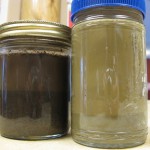
Last weekend’s permaculture course covered soil (with Christina Nikolic of Gaia College, SOUL and The Organic Gardener’s Pantry), fungi and animal husbandry. We started things off with a bit of digging in the garden to collect our soil samples, which we scooped into flat-bottomed jars, topped up with water and commenced agitating to thoroughly break the soil finely enough to settles and show its layers. We were advised to scrape aside the organic matter and just go for the soil. It was going to take some time for everything to settle – but we began to see the surprising truth of Christina’s observation that even where we thought we had hard clay soil, chances were it was simply compacted and the actual clay content would not be that great. The colour of the soil reflects the amount of organic matter, with darker samples being higher in humus, and lighter ones tending towards higher clay content… no bad thing since clay holds water and nutrients better than silt or sand.

Water made up most of the jars, and the layers then settle in this order:

  • (small amount of organic matter floating on top)
  • water
  • clay
  • silt
  • sand

Christina takes a more benign view of soil than most instructors. Knowing your soil type does not mean you have a problem to manage, she says, and nor is there any point to spending money on soil tests. Instead, focus your energies on building up the organic matter in your soil (even a great soil probably only comprises about 10% organic matter) which makes it more able to absorb and retain water and nutrients.

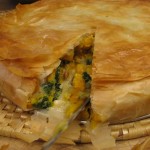
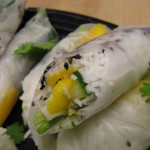
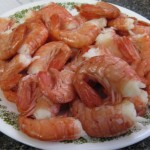
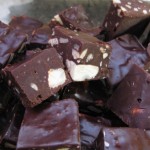
There followed one of our increasingly excellent potluck suppers, which we were delighted to be able to eat on the sunny patio, and which included such local delicacies as steamed nettles with shiitake mushrooms, kale & squash filo pie, mango spring rolls and spot prawns… but the vegan fudge shamelessly stole the show.


After our giant feed, we talked about different ways of growing mushrooms – from inoculated logs (actually bagged bricks of substrate made from grain or wood chips – these are widely

Mushroom stem butt

available here nowadays at farmers’ markets), from spore prints or even stem butts. We were told that mushroom logs can be broken up and used to inoculate mushroom beds made in various ways in the garden, or rehydrated to fruit multiple times, as the mycelium web runs throughout the substrate. By far the most entertaining moment came when Brandon told us about the cordyceps mushroom that infects carpenter ants – compelling them to take to the highest branches of trees, and killing them at the moment their mandibles bite into a leaf, at which point the fungus grows from their bodies. It is a method of pest control (carpenter ants and termites) described by the mushroom guru Paul Stamets whose TED talk also discusses how to use mushrooms to clean industrial waste and for so many other purposes – medicinal, fuel and more – that he proposes preserving old growth forests as a matter of national defense. David Attenborough has documented cordyceps too:

I finished my weekend on Monday evening when I moseyed over to Vancouver Island University to attend a discussion about local food which featured John Ehrlich (of Alderlea Farm) who has a 300-subscriber biodynamic CSA (veg box scheme), and Guy Johnston, who is starting his second year of a Community Supported Fishery offering salmon, prawns and octopus. We broke for a mid-session snack offering local foods including Natural Pastures cheese – but one of the points earlier made was proved to us: in order to offer us local food, the organizers had to buy it and bring it into the meeting. This college with its cafeteria downstairs and a well-established culinary arts program is tied like many institutions to trade agreements and supplier contracts that do not address the provenance of ingredients. In order to assure a local food supply, local food producers need local consumers, and as has been often said most of our food is made up of cheap imports purchased from off-Island wholesalers.

Farmer John Ehrlich
Fisherman Guy Johnston