I have some deadlines looming, so of course I am overcome with a need to cook and clean and hang laundry on the line while the sun shines.
And so it was that while diligently sorting through the hidden treasures in my freezer, I came upon an octopus, bounty from last year’s Michelle Rose seafood share.
This particular species, the red octopus (O. rubescens), is considered bycatch in prawn fishing, so the Michelle Rose fishermen decided to make a meal of it and add it to their offerings. Spot prawn season started last Thursday and I’m looking forward to another share of both this year. All the more reason to drop everything and cook up some octopus surprise.
Octopus is not something I’ve found too often on Canadian menus; when I mention it my friends gag and make squeamish noises about tentacles. They are surprised when I tell them how tender and delicious it can be, as they assume it will be rubbery like cuttlefish and as flavourless as the depressing platters of calimari that (dis)grace so many bar menus.
One of my enduring memories of Crete is a particularly delicious dinner featuring octopus in red wine. This must have been nearly ten years ago, yet the taste and texture live on. When in Italy I always have insalata di polpo, and occasionally carpaccio di polpo. So I was game to try cooking some myself.
Many recipes consulted, and Italian cooking videos watched for good measure. In all of them they dunk the octopus three times in boiling water, to curl the ends of the tentacles and gradually introduce the change in temperature to assure tender cooking. They all stewed or simmered the octopus in water, but I had taken the words of saint Harold McGee to heart–“If you cook octopus in water, you dilute those juices and their flavor.” The flesh, he advises, is 80% water, so it does release a lot of juice while cooking.
 This was a hefty one, in excellent condition, having been frozen in salt water. I forgot to weigh it before I started but I’d guess at least 2kg, with very long tentacles making it a bit of a trial to handle. I decided to blanch it as directed – eschewing the salt at Harold’s suggestion – and divide it in two so I could try a couple of different recipes.
One batch I cooked in the oven, with no added water, at 200f. I can cool this and eat it as  is, or use it in salads or make a carpaccio. Harold said it could take up to five hours for a large octopus but this one was seeming very tender after blanching, so I only needed an hour; put it in a smaller casserole and turned it at the halfway point and then cooled it in its juices. When I reduced them they were salty indeed so I was glad I hadn’t added any seasonings.
 The other half I cooked in red wine the Cretan way. The initial instructions were a little difficult to believe: cook in olive oil on low heat until all the juices are absorbed. Of course the opposite happened, but I figured I could
  reduce the juices later. I decided to pause after half an hour as the flesh was starting to tenderize beautifully. I added the red wine and gave it another half hour and let it cool in the juices before tucking it away in the fridge for my supper.
Looking forward to a nice healthy meal of it which will contain iron, calcium, potassium, phosphorus, selenium and zinc; vitamins C, A, B12, folate and Niacin; as well as some omega-3 fatty acids, choline and taurine.
Here are the recipes:
 Slow-cooked octopus (based on Harold McGee’s To Cook an Octopus)
1kg octopus
1 large kettle boiling water
- Clean the octopus, if needed: remove any extraneous matter from the hood, cut out the eyes and remove the beak (found on the bottom of the octopus where the arms meet). Rinse well.
- Using a large fork, hold the octopus just under the hood so that the tentacles fall downwards. Dip the tentacles almost up to the fork in the boiling water and hold for about 15 seconds. Lift and note the way the ends have curled in. Repeat, plunging a bit further to cover the hood. Once again lift and let the water drain; then repeat a third time, ensuring the octopus is covered in water. Hold there for about 10 seconds and then lift, drain and place in an ovenproof covered casserole.
- Place the casserole in a 200f/95c oven and cook for 2-5 hours, checking for tenderness with a knife.
- Drain the juices and boil them down to reduce them to the desired consistency and amount.
- When cool, you will probably want to remove the skin and perhaps the suckers for a more aesthetic look.
- Serve the octopus as is, with the juices, or cut into pieces and make into an octopus salad dressed with good quality olive oil and fresh lemon juice (cold boiled and sliced potatoes make a nice addition) with freshly chopped parsley; a mixed seafood salad; or make octopus carpaccio (scroll down to see photos in this recipe for easy instructions) drizzled in olive oil and lemon dressing. Or perhaps you could add potatoes and beans and make a version of this nice sounding octopus stew.
 Octopus in Red Wine (based on Cretan Cooking, by Maria & Nikos Psilakis)
- Clean the octopus, if needed: remove any extraneous matter from the hood, cut out the eyes and remove the beak (found on the bottom of the octopus where the arms meet). Rinse well.
- Using a large fork, hold the octopus just under the hood so that the tentacles fall downwards. Dip the tentacles almost up to the fork in the boiling water and hold for about 15 seconds. Lift and note the way the ends have curled in. Repeat, plunging a bit further to cover the hood. Once again lift and let the water drain; then repeat a third time, ensuring the octopus is covered in water. Hold there for about 10 seconds and then lift, drain and place on a chopping board.
- Cut the octopus up into pieces about an inch long, or to your preference.
- Heat half a cup of good olive oil in a pot large enough to hold the octopus pieces comfortably. Add the octopus and cook at low heat for around half an hour, until starting to become tender.
- Add half a cup of red wine and cook another half an hour or so, until very soft and tender.
- Serve with rice and a Greek salad, and lots of your best crusty bread.
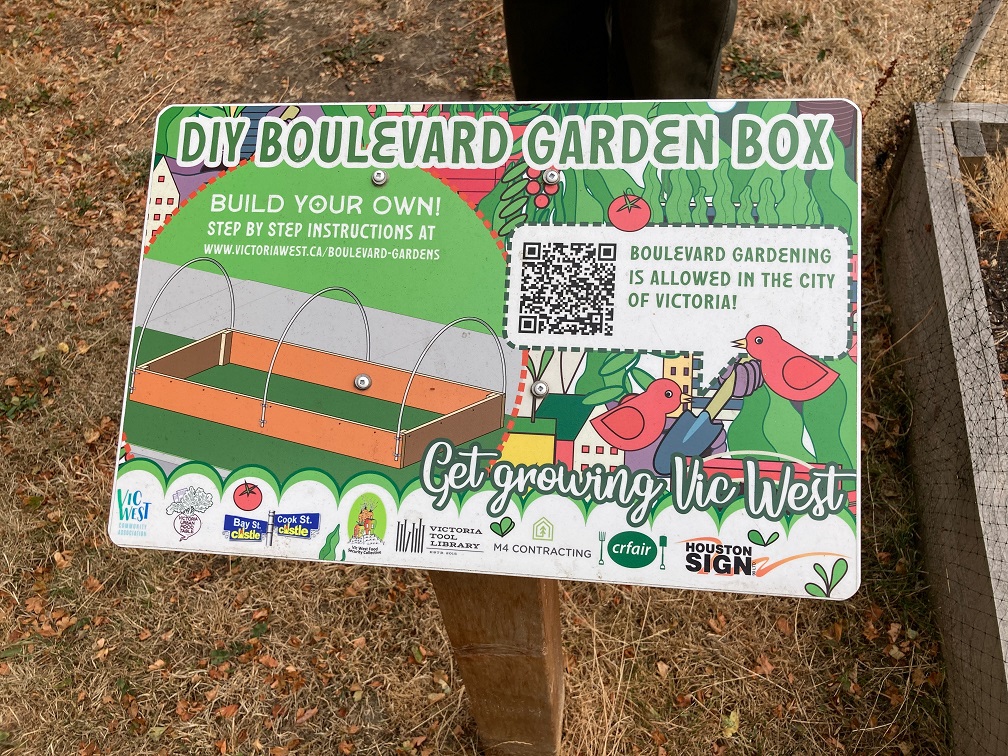
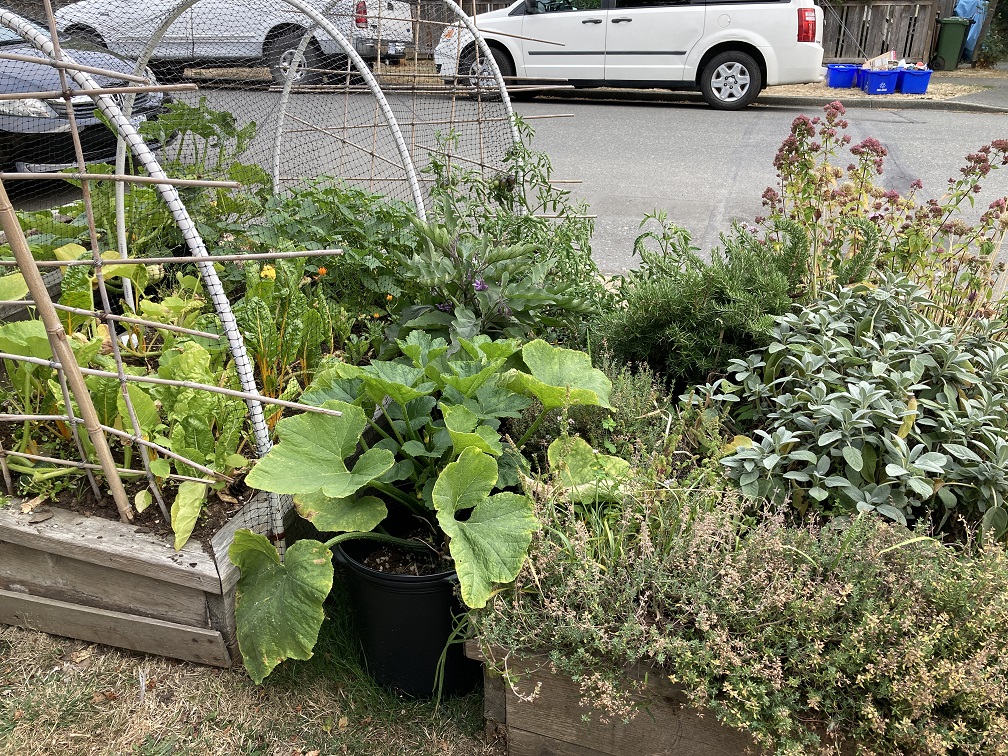
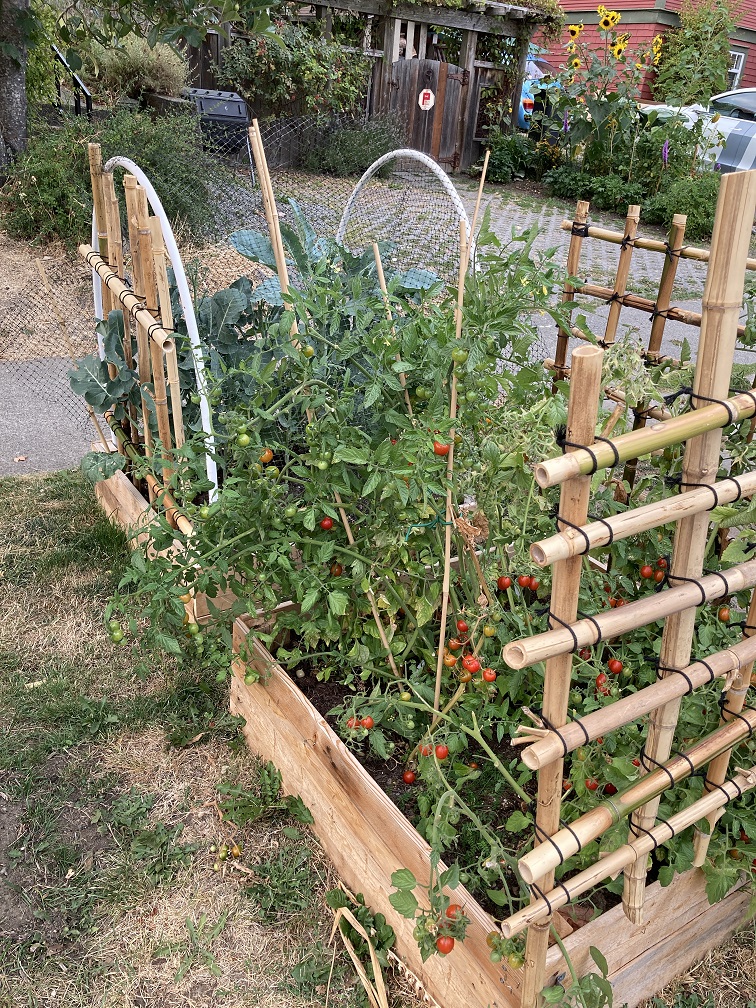
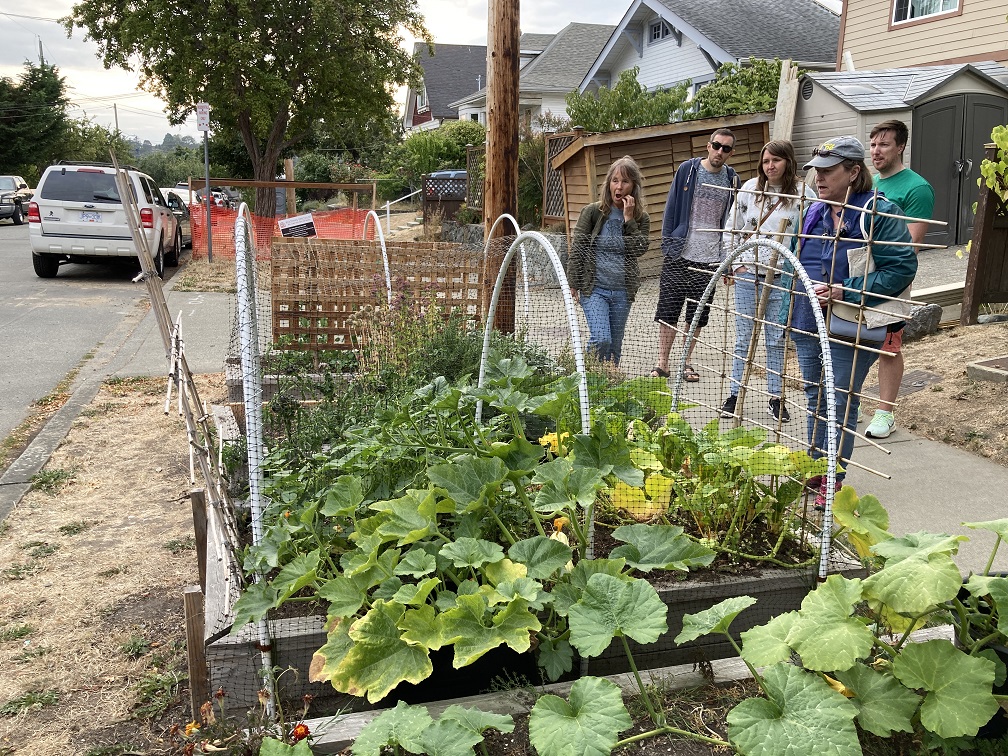
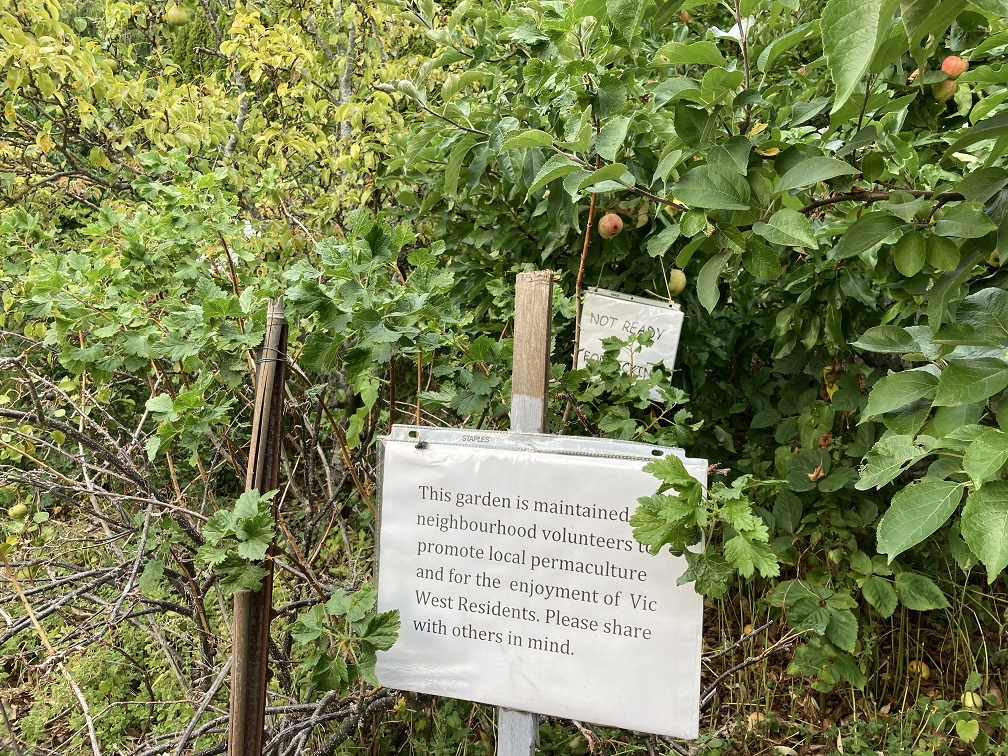
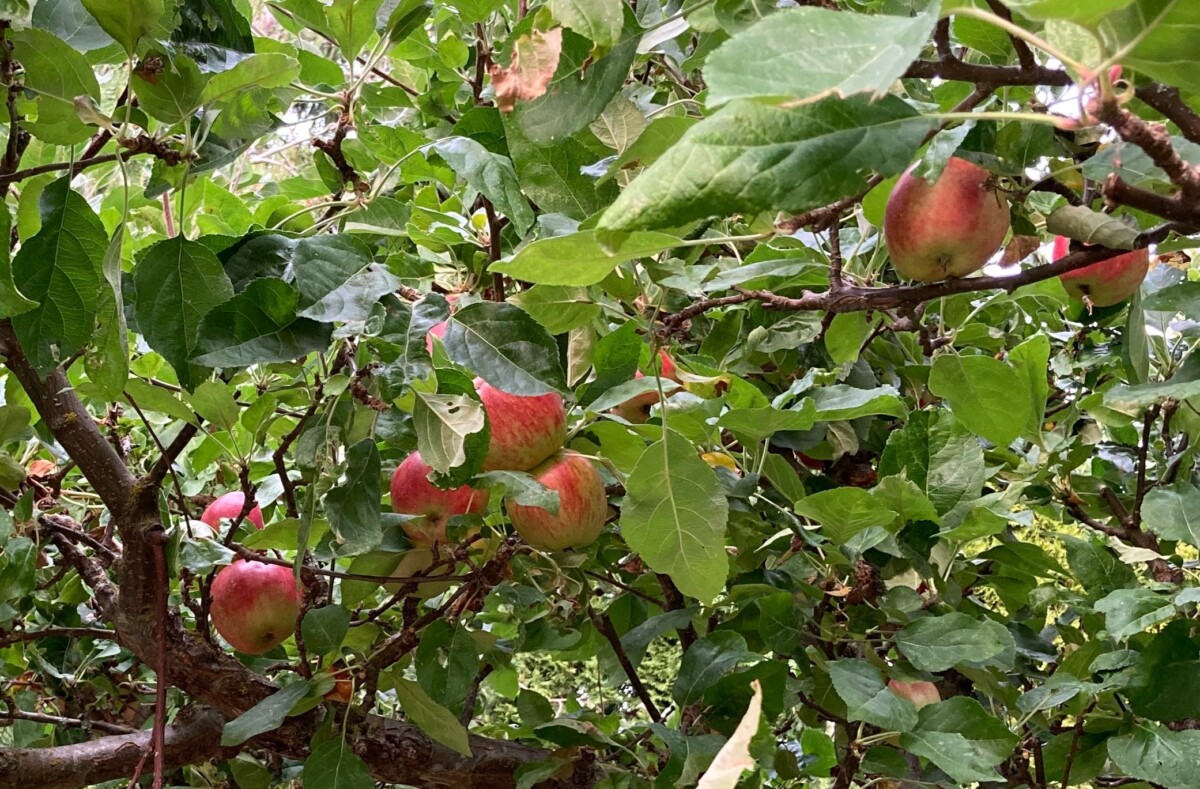
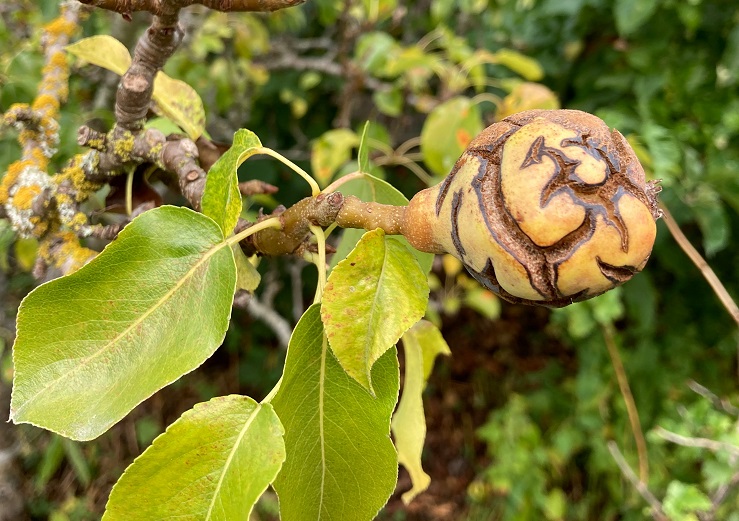
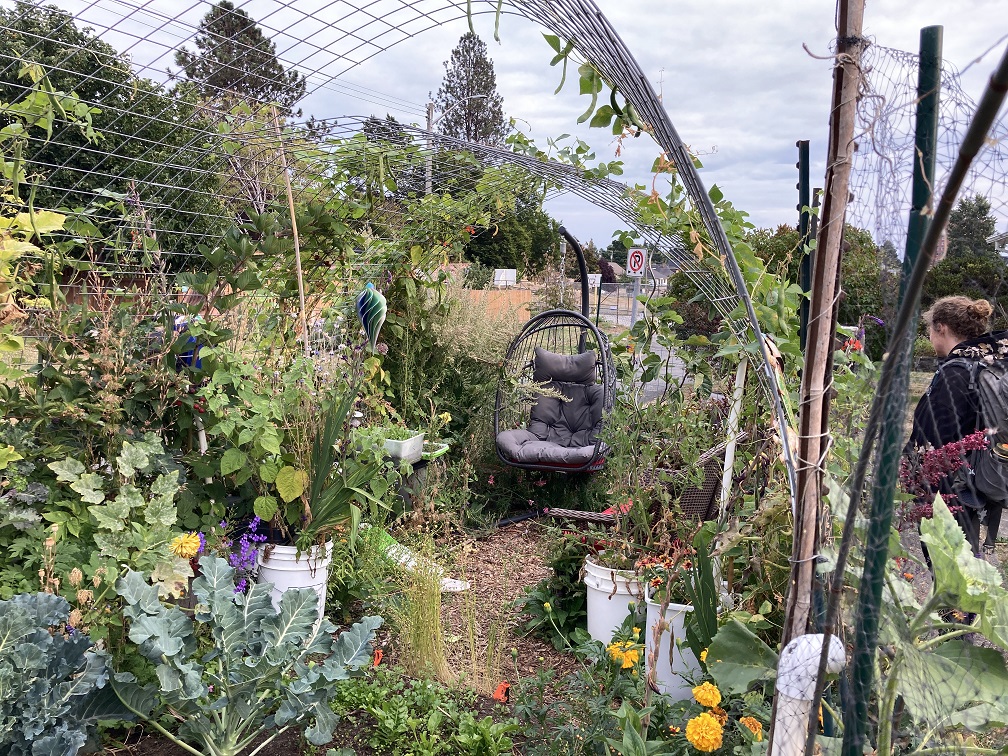
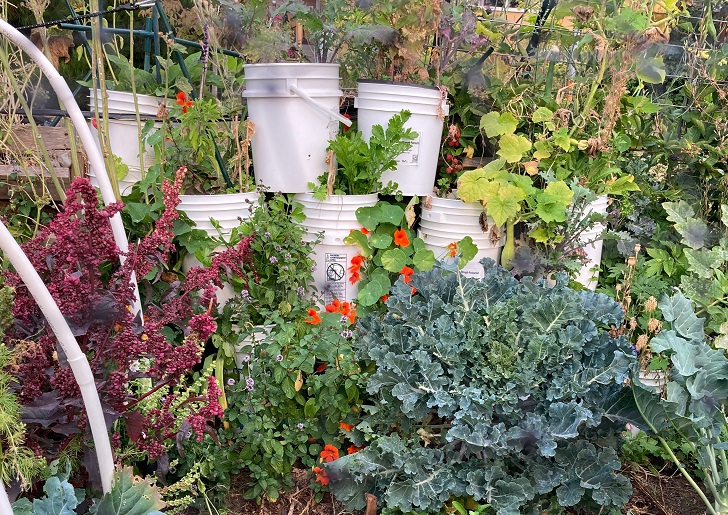
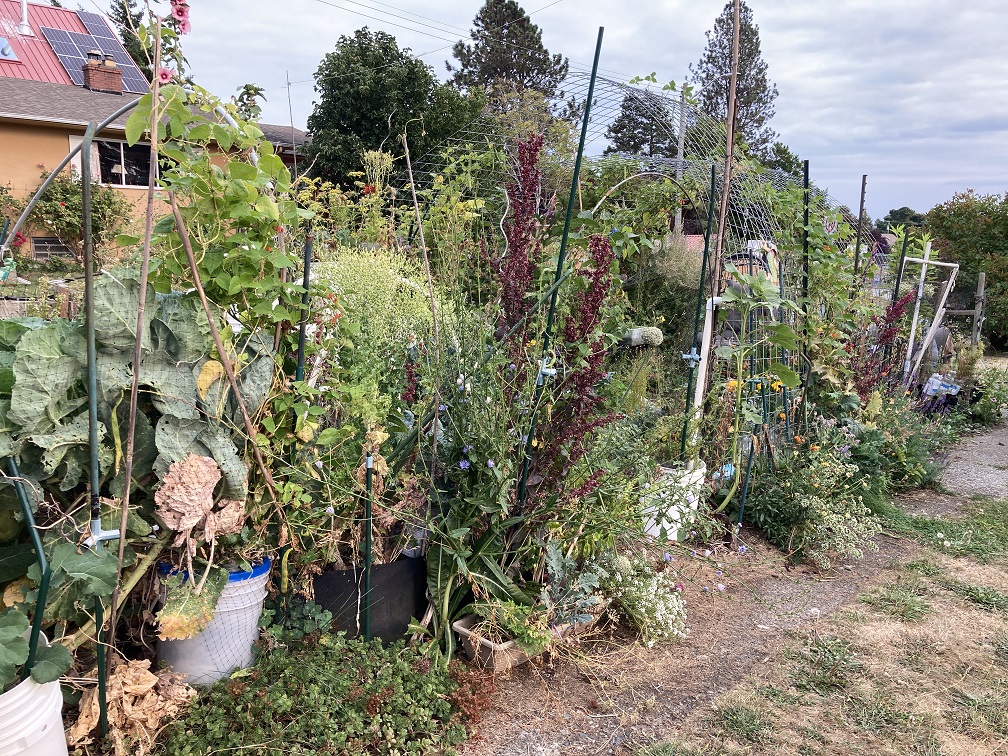
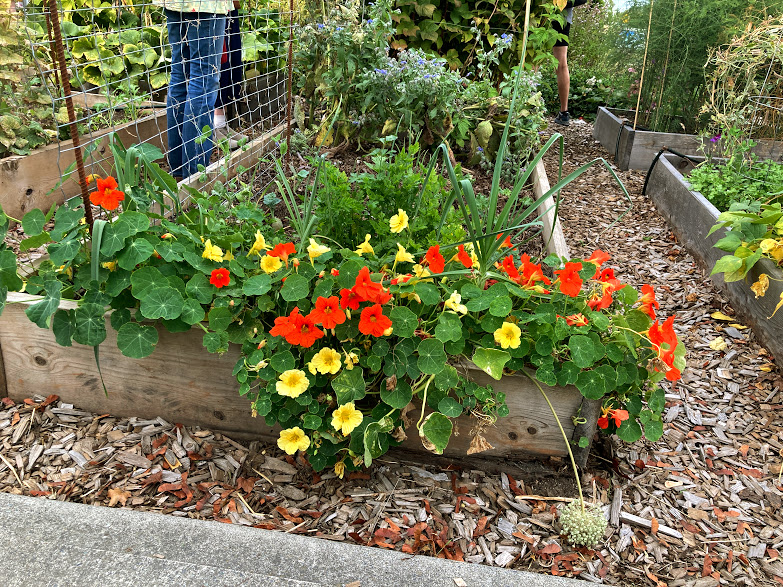 Having planned my backyard reading for the same day as the Gorge Tillicum Urban Farmers summer garden tour (oops) I was pleased to be able to take in the follow on tour, and manage to get to one of the gardens at least.
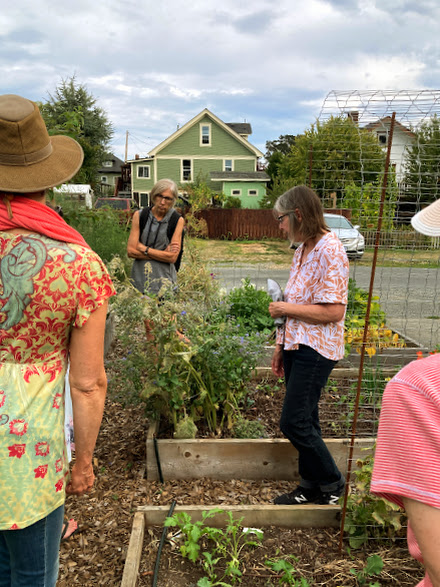
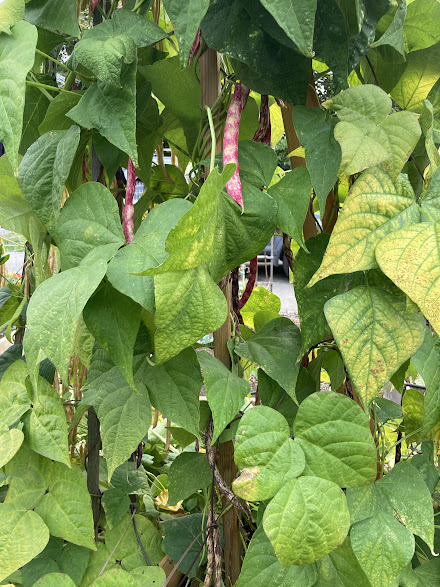
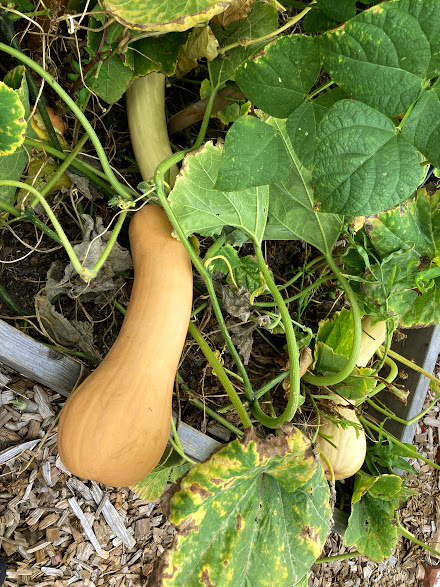
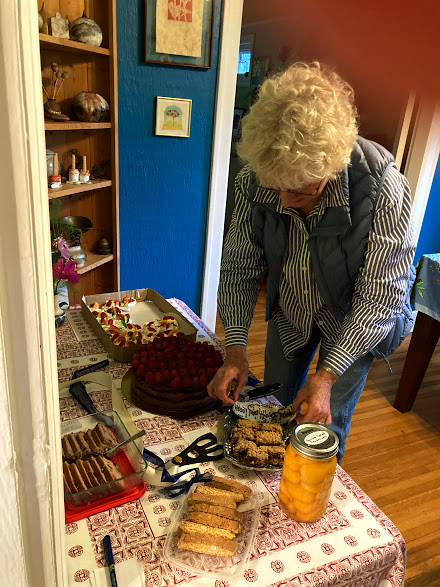 After the tour we repaired to Gabe & Belle’s for a poke round their garden and a large and splendid potluck supper, which featured many locally grown vegetables, and finished off with a large gluten-free chocolate cake to celebrate Lorrie’s birthday… and some rather luscious fruit pavlovas, cakes and (ahem) some bourbon-spiced peaches that I’d canned earlier in the summer.