Skip to content

organic farming

Farm tour: salad greens and looong greenhouses

The COG-VI tour this month was to 30-acre Kildara Farms, organic since 1994 and run by Brian and Daphne Hughes. They started off with an apple orchard; went into strawberries but tired of feeding the deer, and are now supplying year round organic greens to local supermarkets.

They rinse the greens, then wash them in food grade hydrogen peroxide solution (1:1000) and then rinse again and spin them dry (equipment and surfaces are sterilized with 1:25 solution). When asked why they use this rather than bleach, which many organic suppliers in the US use, Brian replied, “One word: chlorine.” He says there’s always chlorine residue regardless of rinsing. For two years they have used a strict testing protocol, to avoid any issues with food-borne illnesses. As many travellers have found, salad greens, because they are eaten raw, are particularly vulnerable to these – if birds or other wildlife come into contact with them while growing in the fields or in open greenhouses. So Brian has the greens tested twice weekly for peace of mind, and provides test results to the retailers as well.


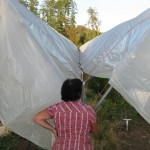
We looked at two different sets of greenhouses. The first were designed by British farmers whose company – Haygrove – quickly cornered the polytunnel market. They’re immense structures which can be extended to cover acres of ground, and use y-shaped posts that allow them to be extended efficiently in rows. They’re also simple to construct and inexpensive (by greenhouse standards) to erect, using legs which can be screwed into the ground and hold fast to clay soil. You can add deer fencing around the perimeter, which is open for better ventilation. Because the plastic is lashed in place by ropes rather than clipped, it is simpler and quicker to put up and take down. Any greenhouse is vulnerable to bad weather and these are no exceptions: during one particularly bad storm the plastic came loose twice in the same day. But they are otherwise working very well and are easy to ventilate further in hot weather, by just lifting and clipping the plastic as needed.


Next we looked into some Harnois greenhouses, made in Quebec. Fancier and more expensive, and full of winter greens – in this case Mizuna – which can grow unheated, or be covered by row cover if it get very cold. The watering system mists from overhead: more efficient than watering tapes, according to Brian, but in need of constant checking as the heads get clogged very easily.


The greehouse sides are enclosed so need to be ventilated during hot and sunny days. Pickers were at work while we were there, taking advantage of the evening cool (the greens start wilting by about 11 am). They chill the greens overnight before washing, sorting, weighing and bagging them. Kildara uses biodegradable bags – they used to use plastic clamshells but discovered that people were failing to recycle these and sending them to the landfill, so opted to change to bags for environmental reasons.


Kildara is one of a number of farms and food places on the North Saanich Flavour Trail this weekend.

Haliburton spring

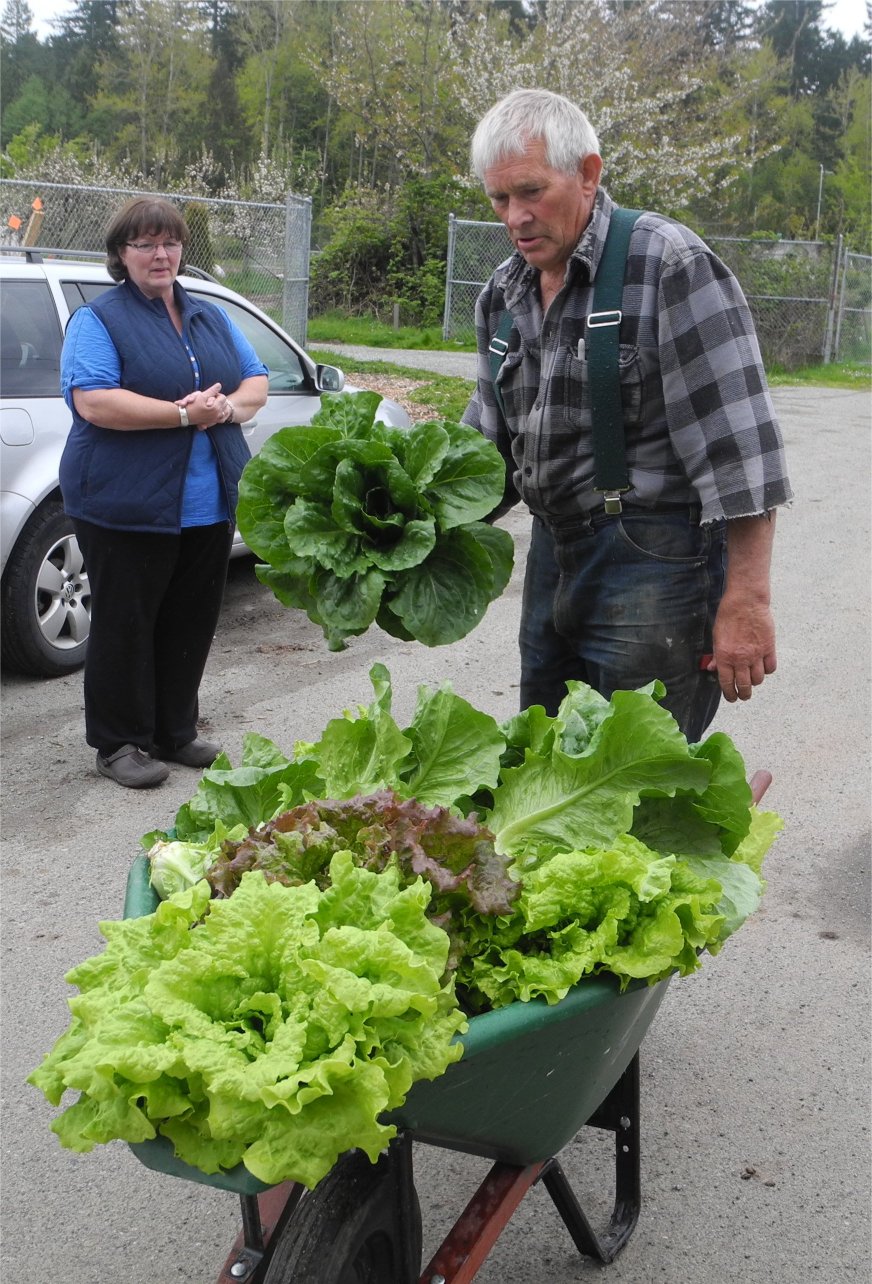
All is well at Haliburton Farm, although cold, wet weather makes for slow growing. Unless you are a lettuce in Farmer Ray’s greenhouse of course:

One hates to think what size they’d be if he ever started using artificial fertilizer…

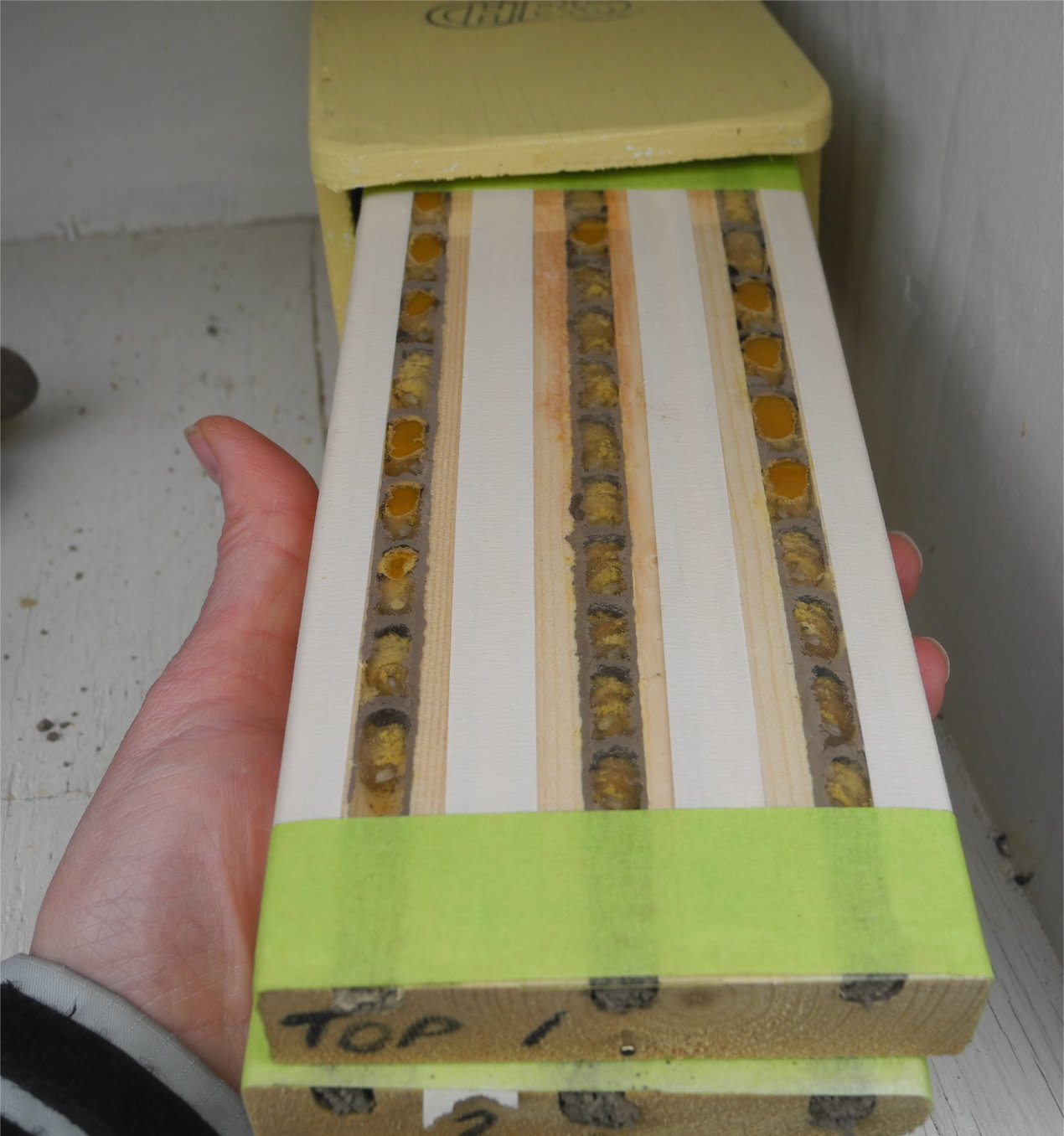
Gord Hutchings‘ bee barn is humming with blue orchard mason bees, who are laying eggs while the sun shines. Which is about one day in ten at the moment.

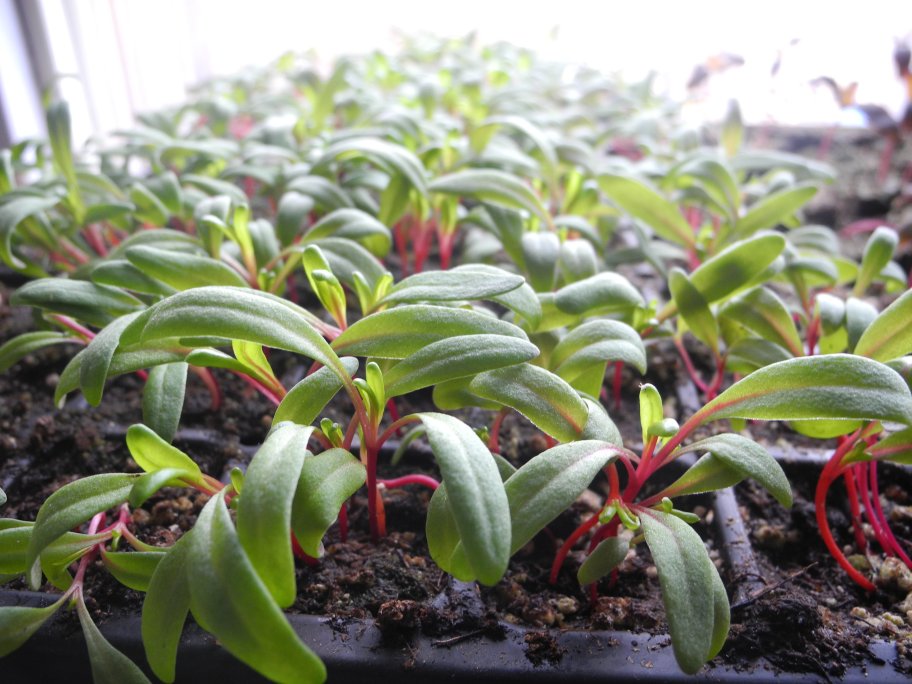
Lovely greens.. that are not green.

New plantings this year include kiwi, just starting to leaf. It should start fruiting next year, if it likes the climate on the farm.

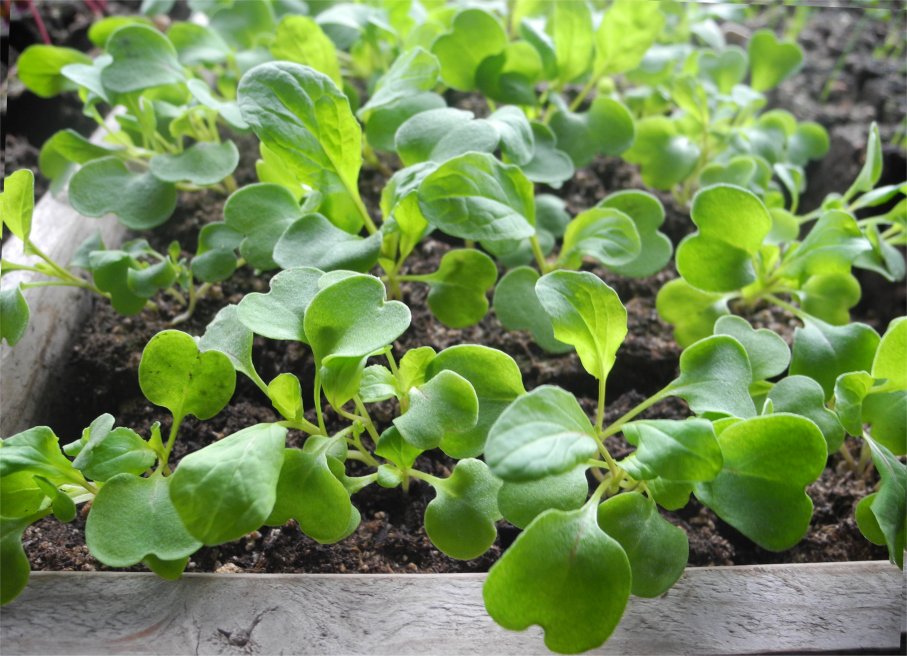
Seedlings loaded in the growing cupboard:

In the greenhouse, a lot of plant starts, some of them for sale on the farm stand and at the various markets and plant sales.

Greens and salads

are popular sellers at the moment. All harvested

and washed and packed by hand, of course.

Cold frames

and row covers

and greenhouses large and small are getting a good workout until it warms up:

Farmer2Farmer in Saanich

Wednesday I joined – at a guess – around 70 farmers from Vancouver Island and Gulf Islands for a Farmer 2 Farmer information exchange. Bob Maxwell, Linda Geggie and Barbara Brennan

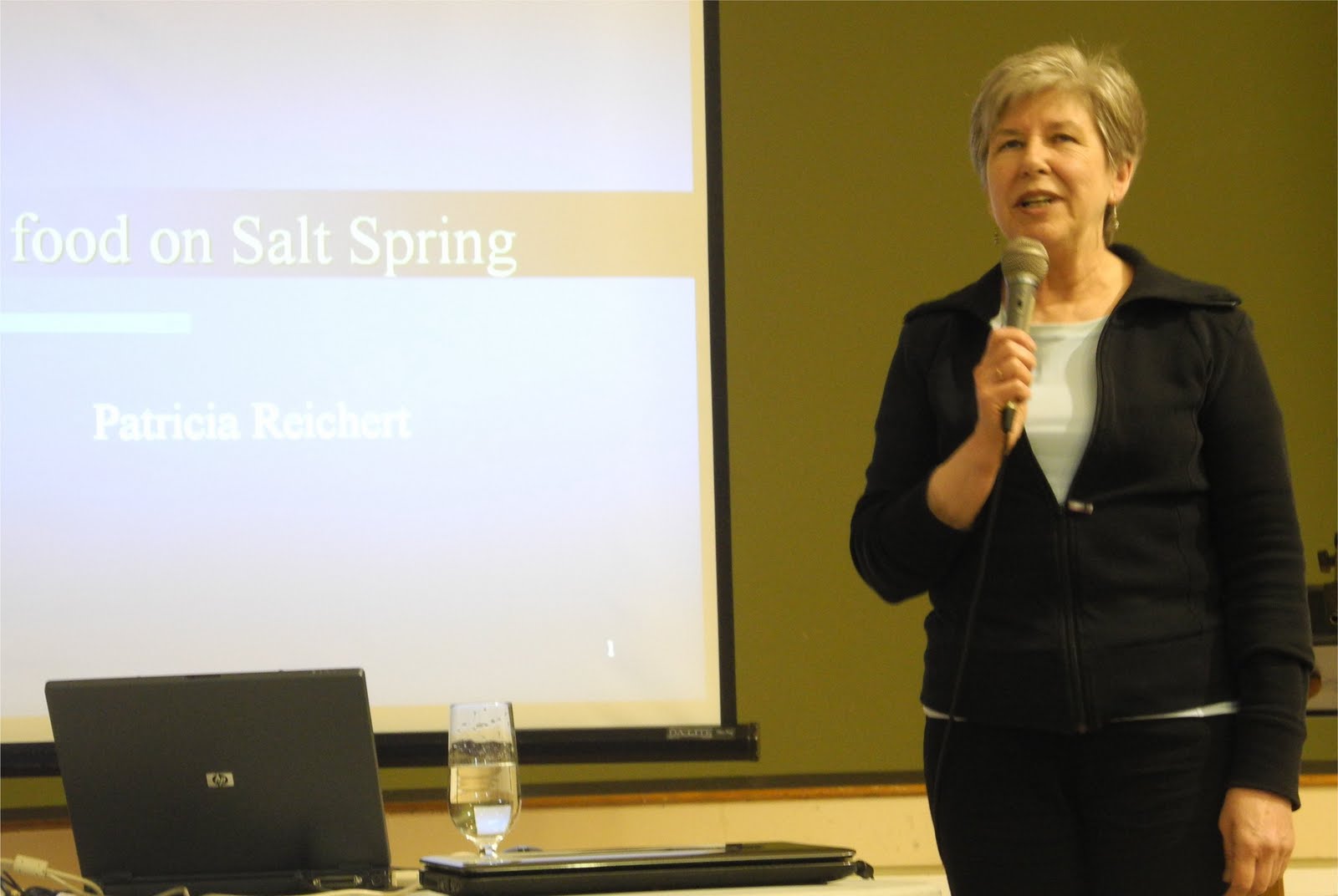
introduced the day, and then Pat Reichert

of Island Natural Growers on Salt Spring Island kicked off with a keynote address. She talked about her research into food production on Salt Spring, a task she describes as “not for the faint of heart, or those with short attention spans”. She found that around 96% of the produce consumed there is imported; and that the change to BC’s meat regulations had a devastating effect on Salt Spring meat production which dropped 50% in the face of requirements to ship all animals off the island for slaughter and butchery.

Island Natural Growers created a demo project – Farm Food Link – to help local organic growers distribute their products to local businesses and institutional buyers on Salt Spring. It’s now a going concern called Growing Up Organic. ING has also partnered with the local Farmers Institute and the Chamber of Commerce, Salt Springers for Safe Food and the Earth Festival Society to form the Salt Spring Food Alliance. They’ve achieved much in a short time through an over-arching Infrastructure Project. There’s a packing and distribution centre in the works, which would provide a central point for small farms to ready their goods for market; an abattoir project, which will provide a mobile abattoir offering both slaughtering and butchery services for Salt Spring (to be shared with Pender Island); and a community compost project. There’s a land lease project in the works as well to improve access to affordable farming land on the island.

Thus inspired, we were invited to join a couple of sessions on topics ranging from Increasing Profitability through specialization? Diversification? Both? to Emerging Food and Ag Business Opportunities in the Region to Integrated Pest Management: What’s bugging you?.

I was at the Pollination Power talk, where we heard from pollinator activist Nathalie Chambers and beekeeper Ed Banas.

Nathalie Chambers’ monumental fundraising efforts to save Madrona Farm have been followed by work with The Land Conservancy where she leads the Pollinator Enhancement Program. Wild bees, she said, are under some of the same threats that are decimating honeybees: loss of habitat and nectar sources, diseases and pesticide use.

She proposes three simple steps that everyone can take to improve the lot of pollinators:

  1. To feed all types of pollinators, ensure there is adequate pollen and nectar available from February to November: native plants are very helpful for this, because native bees are 4 times more attracted to native species than to introduced plant varieties. Native species are also timed to flower in succession: which is something farmers should aim for when planning cover crops as well.
  2. Provide habitat: 70% of bees are solitary ground nesters: the dirt “volcanoes” you may see in the ground indicate their presence. Keep an area of exposed soil undisturbed for them (they like south facing sandy slopes too). Another 30% of bees live in trees, stumps and snags – so leave some of those.
  3. There’s a knowledge gap between scientists and the wider community: but the simple fact is that most pesticides are lethal to invertebrates. She urged us to check out Xerces.org to learn more about organic pest management techniques. She recommended looking into this Wikileaks article which explains the deliberate approval of a pesticide known to be toxic to bees.

Ed Banas talked about pollination from a honey bee keeper’s perspective; about the hazards we create by a fondness for pristine lawns (dandelions and white clover are excellent food sources for bees). And it’s not just the immediate deaths from pesticide spraying that are problematic, he noted, but the generational deaths that follow, when contaminated nectar and pollen are taken back to the hive and fed to the more vulnerable young. He also talked about the crippling effects of using coated seeds, which are treated with fungicides and/or insecticides; when they germinate, they exude a kind of sugar that bees take back to the hive together with its hidden load of pesticides. Corn is particularly often treated, but so are many other seeds: he strongly advises people check seed packs to make sure they’re uncoated.

There was a break and time for another couple of sessions. I dropped into Marketing-it’s about relationships? where there was much talk about the ins and outs of blogs, websites and social media; and Random Acts of Agriculture – which was a forum to share ideas and innovations. The latter group had some interesting ideas to float: Nathalie Chambers told us of her “Random acts of cooking” – a dream of travelling from farm to farm on a truck with a coleman stove and picnic table, ready to cook up produce right on the farm, to show people how good and easy fresh food can be (she did this to enthusiastic response at Madrona’s farm stand until VIHA caught a whiff and shut it down).

Other suggestions included telling consumers that eating good, local, organic food is within reach of almost everyone: you don’t need to commit all your resources, or blow your whole income on food, but buying just a little – a flat of organic blueberries here, a few heads of lettuce there, a pound of local garlic – from a lot of farmers would help them enormously. There was some puzzlement by the farmers present over the misperception that supporting businesses like the Red Barn and the Root Cellar was equated with supporting local growers, when both of these outlets import most of their stock. They were also peeved by the latter’s marketing slogan (“Farm Fresh, Dirt Cheap”) which is simply untrue as people should know by now: good food costs more, and cheap food really isn’t. Don’t worry, said someone, the global economy will take care of that: once cheap oil is taken out of the equation, the profit margin won’t be so attractive for imported food.

A couple of the farmers talked about grain growing on Vancouver Island. One, a hay producer, explained that the market for hay has tanked and that the Island’s hay fields could easily be converted to grain growing, but there’s a lack of infrastructure for other aspects of the process, like milling and grain storage.

Unfortunately taking all that in meant missing Mary Alice Johnson’s talk about Land Leasing and LLAFF (Linking Land and Future Farmers): a regional land registry and database to link up those looking for land with those who have land they wish to share or lease.

After lunch there were roundtable sessions, giving a bit more time for questions and answers about growing new farmers, marketing, government funding, agricultural infrastructure and more. A lively and useful day… may there be more!

March work party at Haliburton

Things are well at Haliburton Farm where I joined the Saturday work party. Seedlings are thriving and will soon be on sale or in the ground.

Having learned, I suspect, the lessons of the fall of Sumerian civilisation (brought about by soil salination caused by poor drainage in an area of rapid evaporation) the farmers are putting lots of drainage in the fields this year.

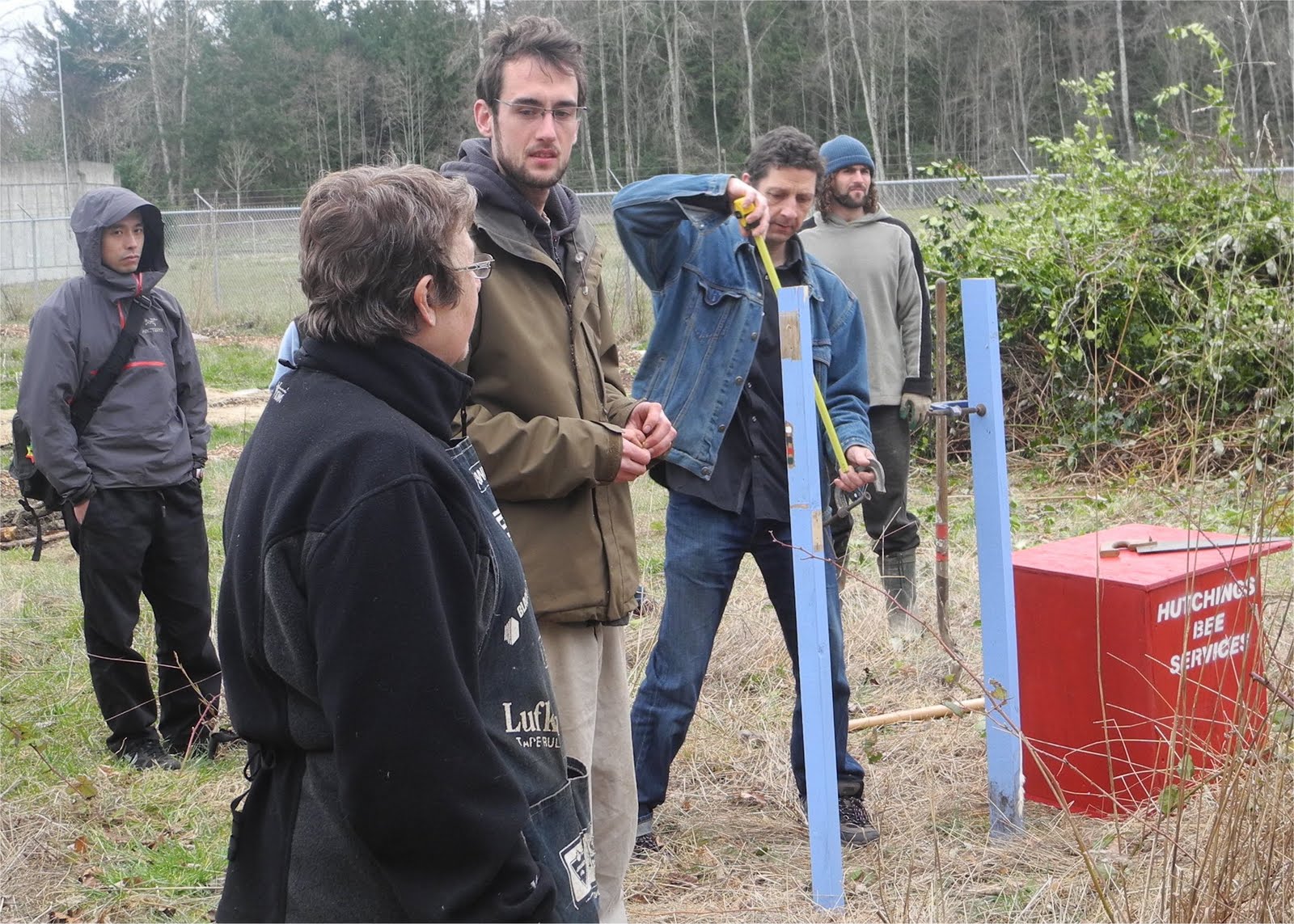
Gord Hutchings was there for a few hours, offering a native pollinator workshop, and installed a mason bee barn on the property to provide housing for lots of orchard mason bees.

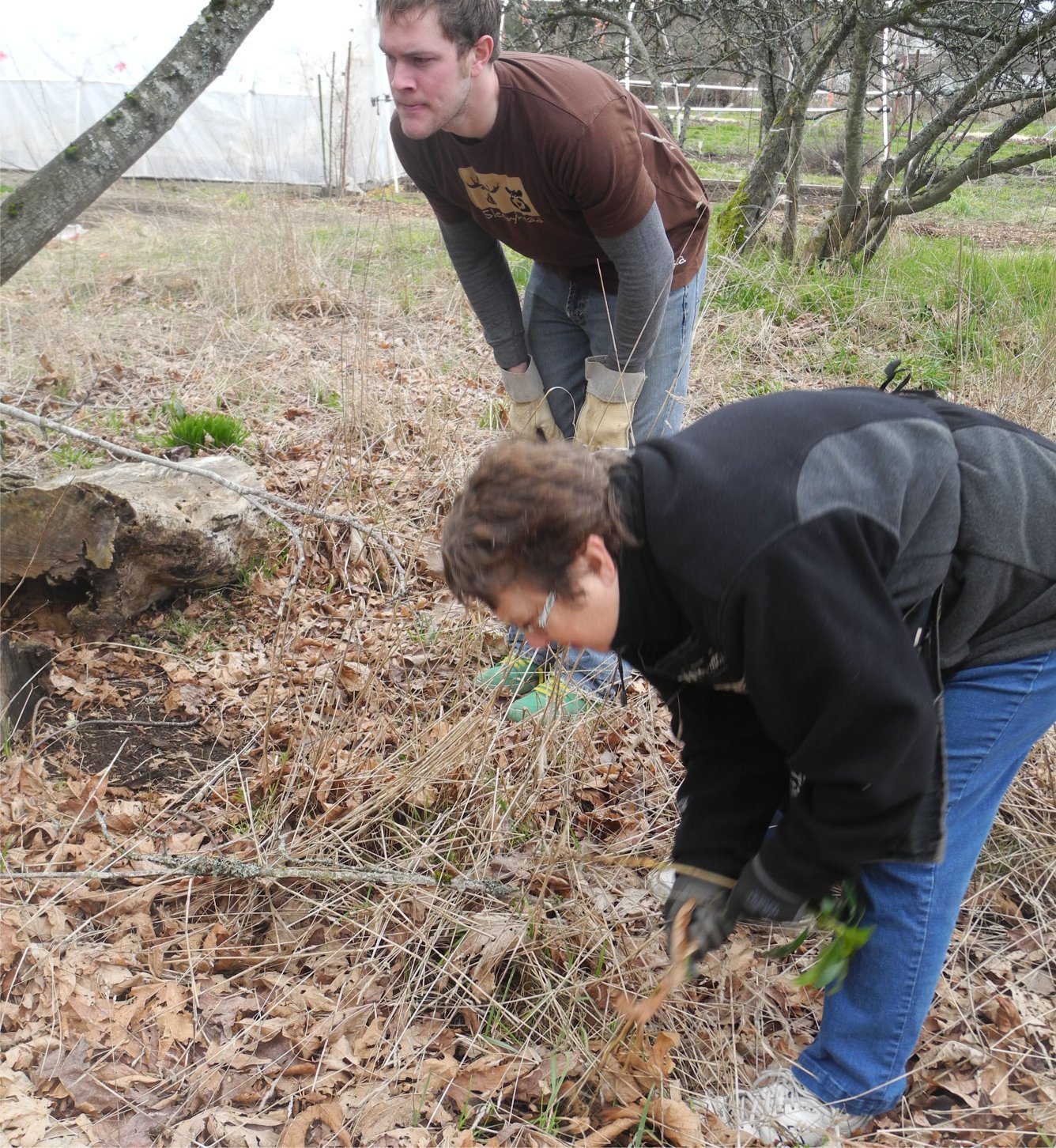
Meanwhile we went in search of invasive species to pull

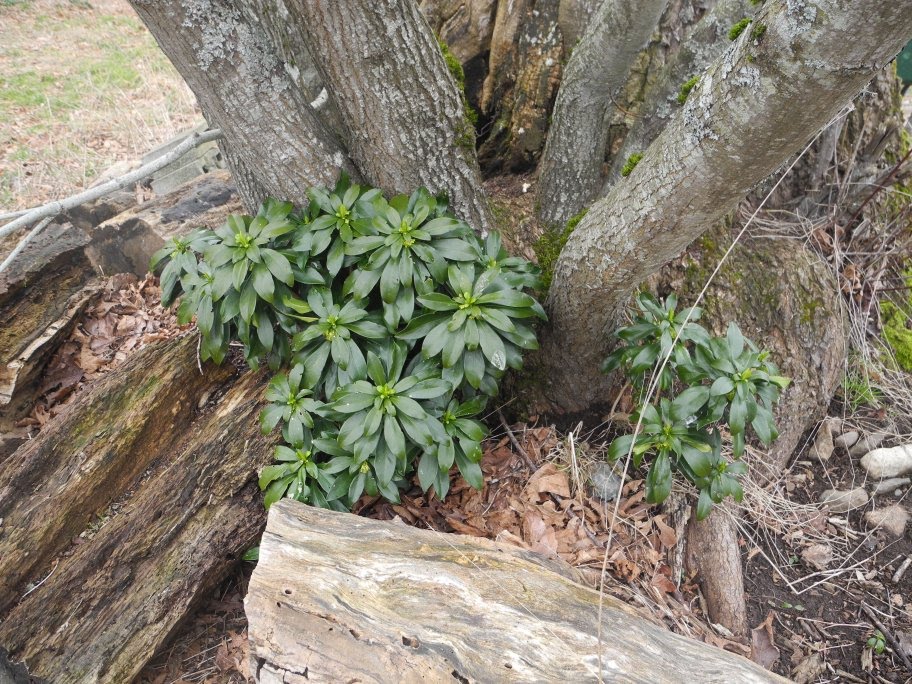
and found lots of Daphne (spurge) laurel, the scourge of Victoria (alongside the scourges of Himalayan blackberry, broom, English ivy, morning glory/bindweed, holly, garlic mustard, and… a few others).

Discovered that the black sheep standing hopefully at the other side of the fence had a taste for ivy and blackberry leaves (not Daphne which is toxic) and took care of some of that for us. Patches kept watch, as a watchdog should:

Organics ABC

I spent much of this past weekend at the COABC (Certified Organic Associations of British Columbia) annual conference which was conveniently held in Sidney and attracted some great speakers and lots of friendly farm folk, with tasty organic fare to fuel the conversation (“When was the last time you saw organic milk at a conference?” we marvelled in the coffee queue; “This would be a first” we agreed.)

The two headliners for my interests were Chris Thoreau, an urban farmer from Vancouver, speaking about how to make money from farming in cities, and Todd Kabaluk, a researcher from Agriculture Canada, speaking on current research into wireworm.

Thoreau’s talk on Friday night promised to go beyond community gardens to explore some of the economic aspects of urban farming. An entrepreneurial bent is needed to make money from farming in the city, and Thoreau’s aim is to prove it’s a viable economic model for some, both by farming himself and by creating an urban farming network in Vancouver (where there are 19 urban farms – comparing poorly with the 700+ that now exist in Detroit .. but on the other hand, there is – let us be grateful – not the same degree of vacant lots in Vancouver)

City FarmBoy is believed to be the longest standing urban farmer in Vancouver, farming 14 backyards and one rooftop. Farmers on 57th work with residents of the George Pearson Centre providing food and involvment to people living in the facility. Thoreau’s own business, My Urban Farm: small scale sunflower sprouts delivered by bicycle. SOLEfood has literally taken over a parking lot on East Hastings, with the help of a grant from the city to set up. They use raised beds to grow food to sell at high end restaurants, farmers market, recreation centres and so on, using the proceeds to hire people and train farmers.

And then there was a reception, featuring Crannog Ales and Summerhill wines.
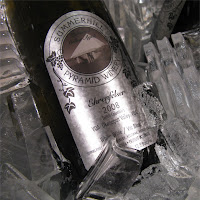
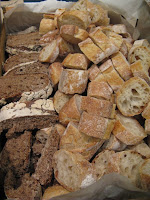
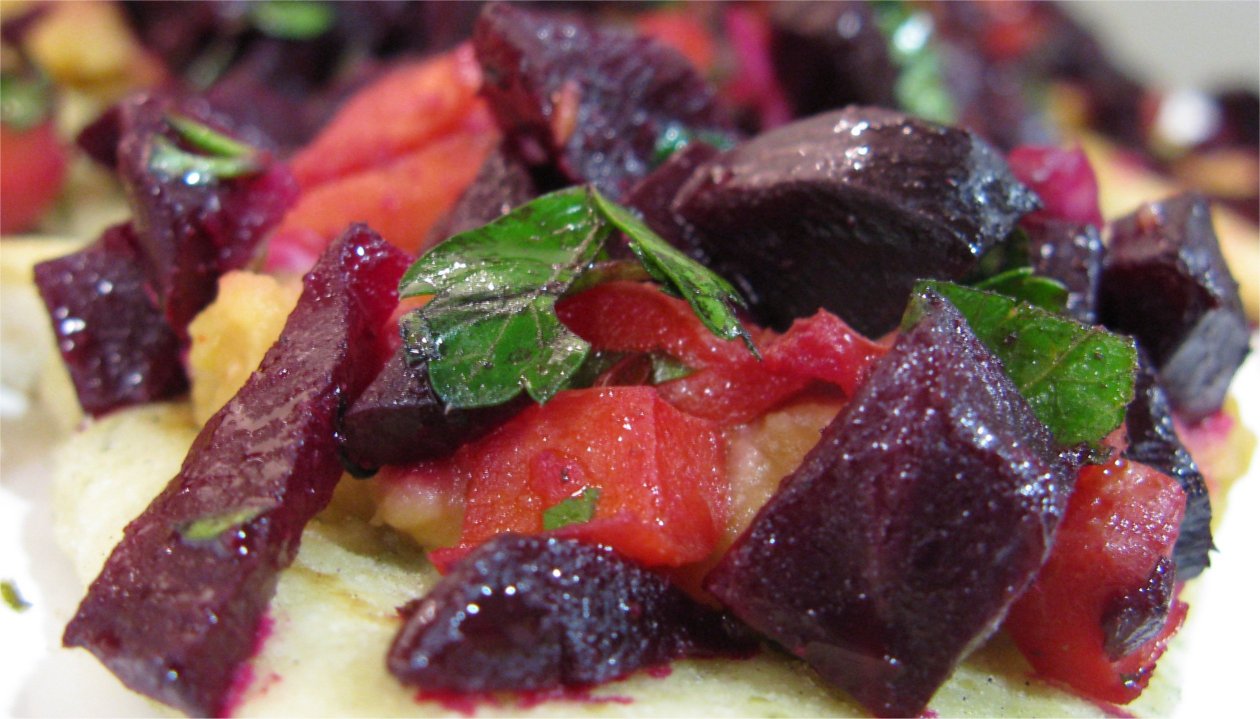
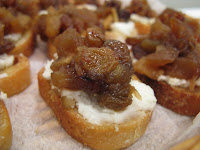
Friday night nibbles included…
On Saturday, we had opening addresses from Dag Falck,
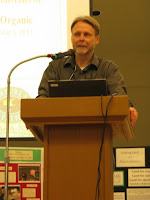
of Nature’s Path, explaining the negative effect that “natural” food branding is having on certified organic food sales. He pointed out that only half a percent of all farmland in North America is under organic cultivation, which means that shortages of organic ingredients are imminent if the sector continues to grow. There is a widespread misunderstanding of the meaning of the term – led by marketing – that leads the public to pay a premium for goods made from agricultural products that are – and cost- exactly the same as conventional products. There is a white paper on the subject, from COTA (Canadian Organic Trade Association).

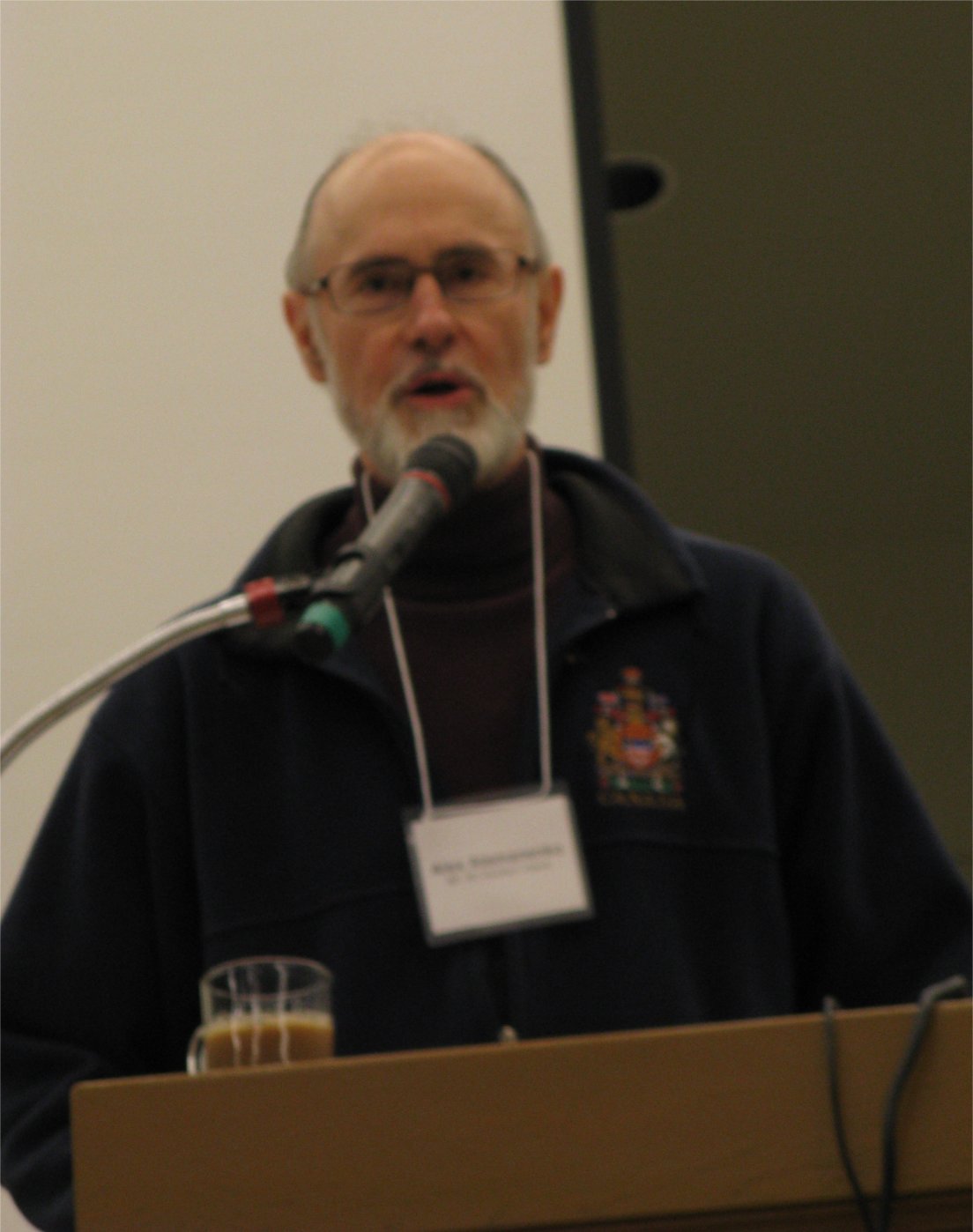
Alex Atamanenko
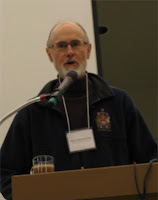
spoke about organic items topical in Ottawa, including Bill C-474. There is still a shred of hope around the topic, with a new campaign to support a moratorium on GM alfalfa in Canada. He addressed the worrying elements in CETA (Canada–European Union) trade negotiations that threaten seed-saving, and later confirmed what I’d heard about the first-time inclusion of municipal level obligations that could end institutional support for local foods (the proposed changes would “prohibit municipalities from using procurement for sustainable development purposes such as promoting food security by adopting “buy local” food practices”). So lobbying is suggested at the municipal as well as federal level.

I went on to a talk abou soil ecology and alternative mulches for organic blueberry production; basically a discussion about traditional use of sawdust vs composts. One of the reasons was to reduce the loss or injury of plants through plant-parasitic nematodes, which can more easily be kept in check by natural predators such as those found in soil enriched with organic matter.

Then there was a coffee break
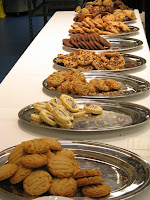
and I skipped out to do some errands. After a vibrant lunch
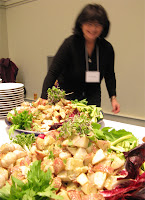
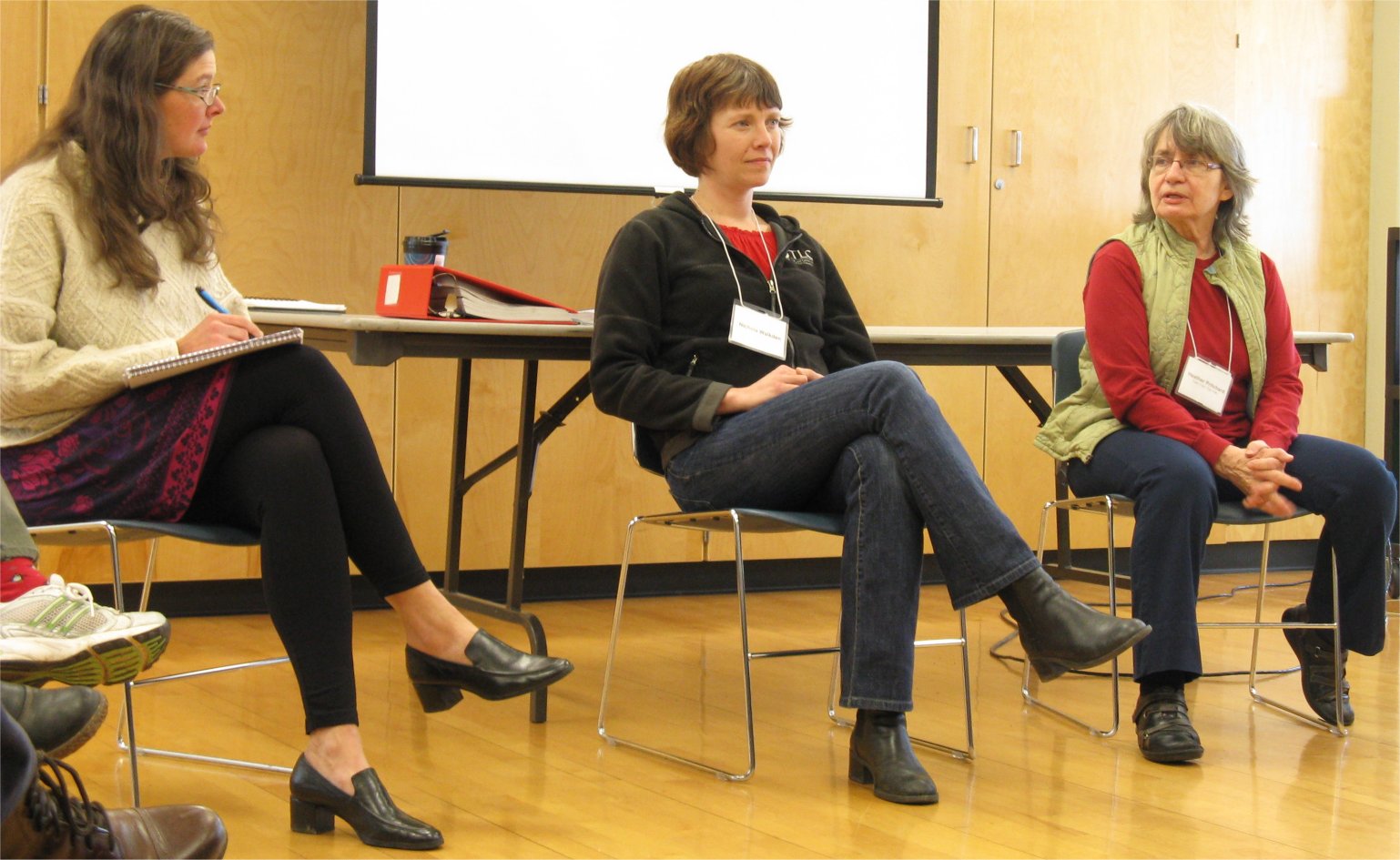
there was a panel on Community Farms, land leasing and other ownership models with Jen Cody of Growing Opportunities; Nichola Walkden of The Land Conservancy; and Heather Pritchard of Farm Folk City Folk. There was a lot of discussion about the ins and outs of land tenure when working with a collective or community model; issues to do with zoning, neighbours and conditions of tenancy.

Then it was time to turn to the most evil insect of them all. Todd Kabaluk gave a thorough consideration to the life and times of the wireworm, mortal enemy to all potato growers and many others besides. As has been previously discussed here, it’s a long-lived pest with a big hunger and an undiscriminating palate; laying waste to seedlings and rendering root vegetables unsaleable. There are no known enemies, though research is looking for these; and it’s hard to kill since its whiskers allow it to whisk up and down in the soil, so you can’t be sure exactly where it is. As Kabaluk wryly observed, “Wireworms are where you find them”.

One place you will certainly find them is in forage crops/ set-aside/ any longer-term grass (like lawns and turf) where moisture levels are steady and there’s lots of food in the roots of grasses. Till that under and you move the grass and the wireworm beneath the soil; when the grass decomposes, and the wireworm loses its food source, you have created a situation where the wireworm must seek a new food source. If you’ve planted a crop, expect visitors, as they’re attracted to the CO2 emitted by the roots.

Although some useful research has been done – involving brown mustard as a rotation crop; use of aromatic oils like citronella; and use of a fungal biological control – there is no quick fix available yet. Kabaluk is focusing on better methods of monitoring their numbers (to reduce the need, e.g., for corn farmers to automatically treat seed with clothianidin even where wireworm numbers are not known). The best summary he could recommend of non-chemical treatments is this article from 2008.

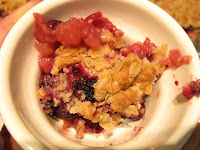
Supper was good and featured lots of salmon from Sointula, as well as local cheese and charcuterie. And a very nice apple and berry crumble to finish.
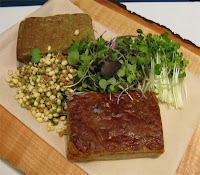
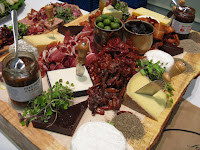
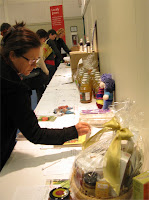
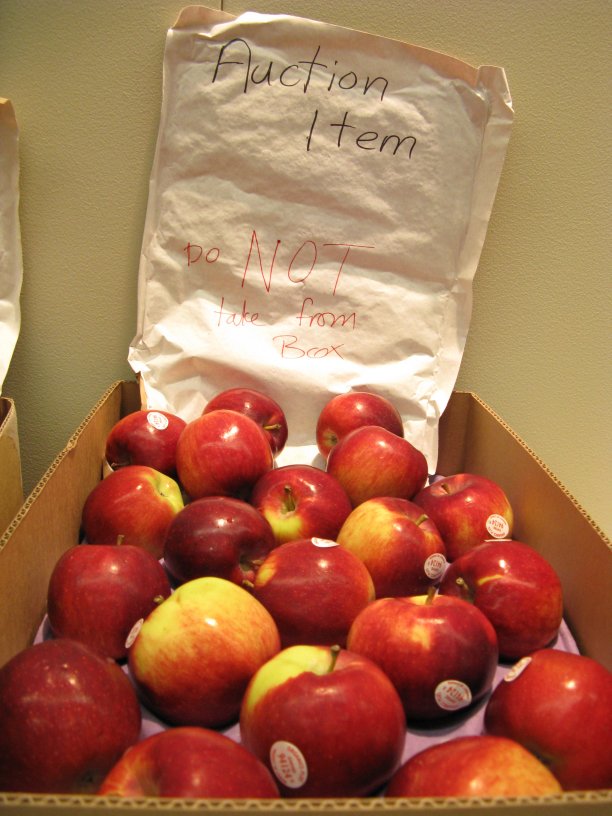
A last look at the silent auction items
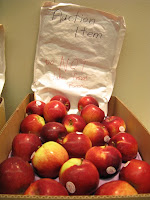
– I was outbid on everything (luckily) – and some jolly tunes from the Jugbandits, and that was it for me. I couldn’t make it to the Sunday sessions as I had a bee talk to attend.

Organic weeds

I spent some time reflecting on the back-breaking nature of organic farming last week.

Wednesday’s tasks at Haliburton were to liberate the squash patch from smartweed, which was something more than abundant.

Four of us made a good dent

and were rewarded with lemonade and some rejected potatoes, which I took home and roasted with thyme, lemon and mushrooms, as instructed by Nigel Slater.

Saturday I paid a visit to Local Yokels, where with my growing weed-naming skills I can with some certainty say that we pulled smartweed, sorrel, morning glory, plantain, mustard and lots of other stuff from the squash,

the broccoli

the cabbage

and the corn (boo!)

Couldn’t say hello to the chickens as they had been taken away for a holiday to get over the trauma of witnessing whatever was killing their kin – a weasel, it was thought, rather than raccoons, as the corpses were left in the chicken tractor. Whatever it was, security’s going to be ramped up considerably before they return to the field.

But the berry trail was looking good, with lots of berries ready for the picking.

And the bees are very happy in the borage

though it’s nearing the end of honey season, and I’m looking forward to a visit to Larry & Marilyn’s to help out with some extraction on Monday.