-
Sublime and Twisted Readings coming up!
Read Full Post: Sublime and Twisted Readings coming up!The Sublime poetry anthology is reactivating this season! I’ll be among those reading
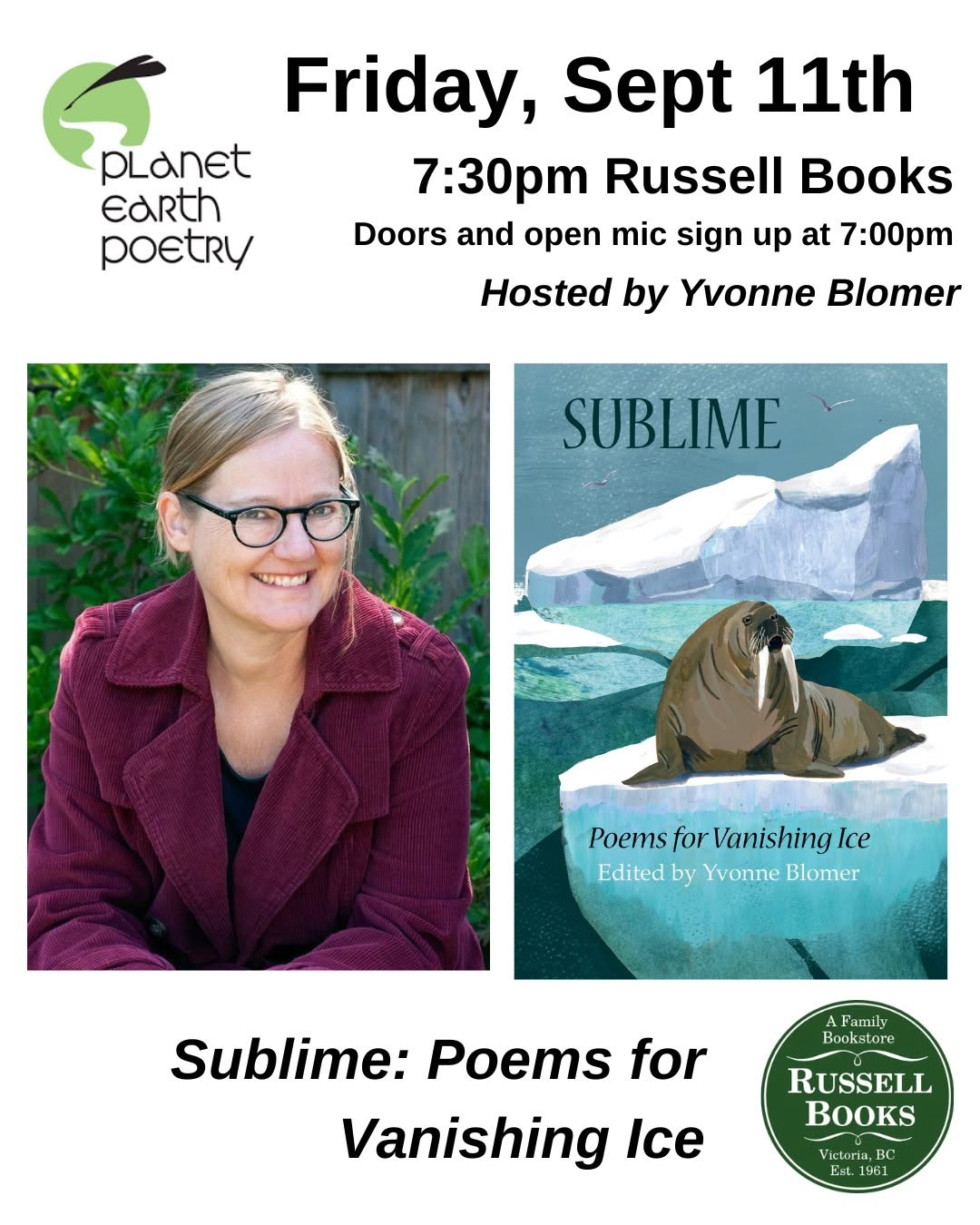
 on Friday September 11 at Planet Earth Poetry‘s fundraising 31st season opener – come along to Victoria’s own Russell Books at 7:30pm if you’re in the neighbourhood – the event features a mega sale of gently used poetry books for $5, plus of course shiny new copies of Sublime!
 Then at the Britannia Branch Library in Vancouver on Wednesday September 16 I’ll be joining more poets reading from the anthology at the Twisted Poets Literary Salon.
It’s an off-site event of the Word Vancouver festival which I’ll be attending on Saturday September 19, coordinating our Writers Union of Canada exhibitors’ table – do drop by if you’re there, and meet a writer or two!
-
Sublime
Read Full Post: Sublime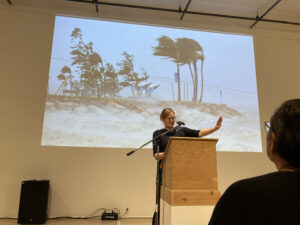 I was honoured to be one of the 110 poets included in Yvonne Blomer’s latest and last poetry anthology dealing with the difficult aspects of climate change and water.
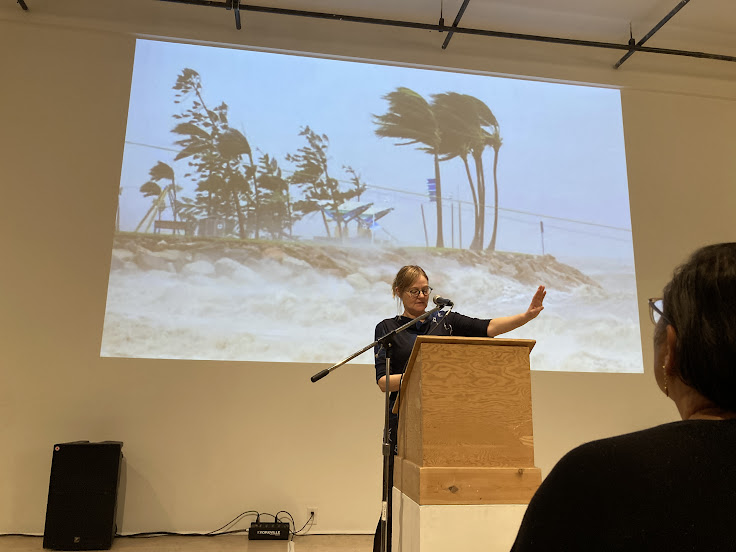
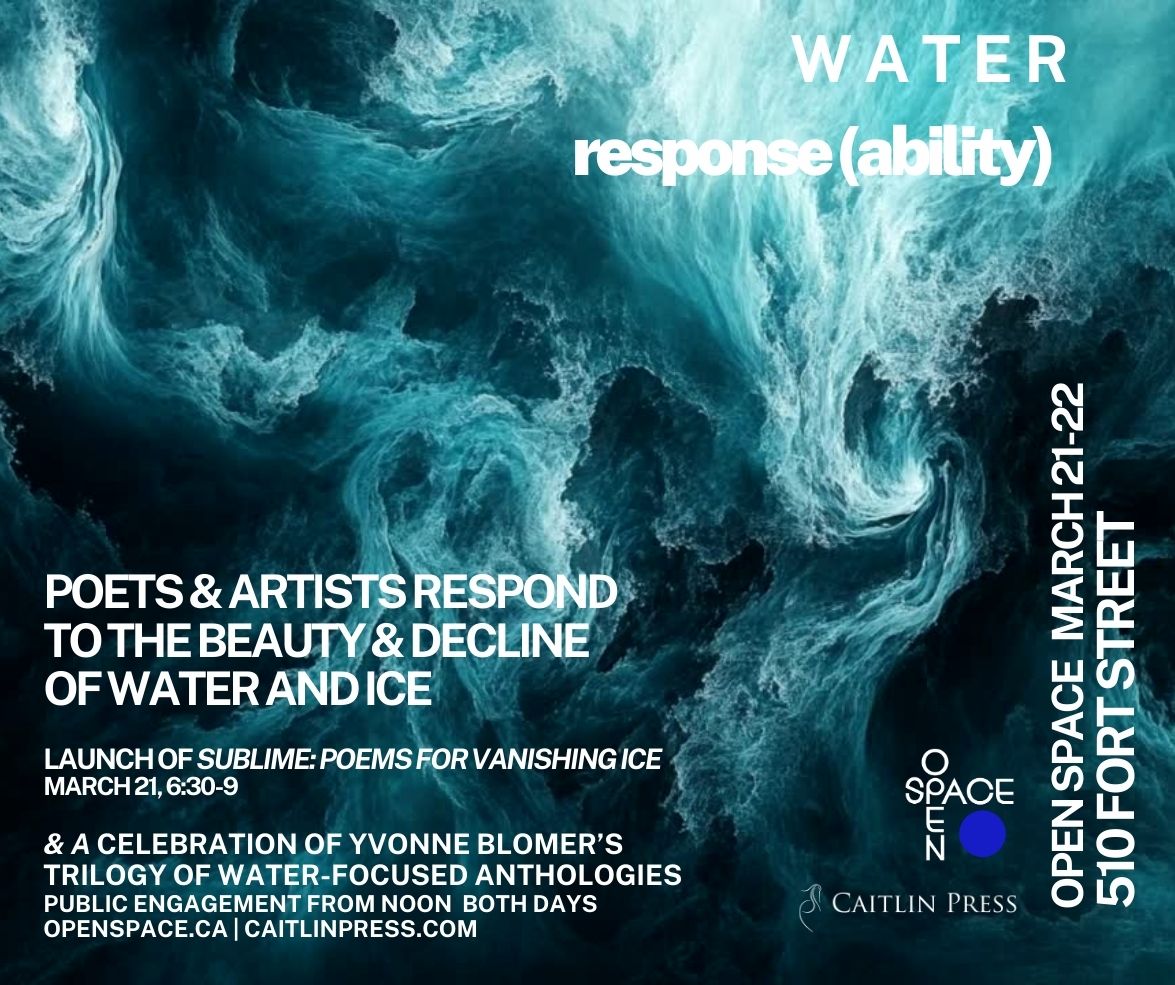
Sublime: Poems for Vanishing Ice is now freshly launched, following two days of readings, commencing on what was appropriately both World Poetry Day and World Water Day.
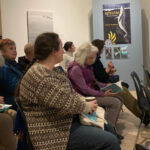
Not all 110 poets featured read, but 28 of us came from near and far, with pl
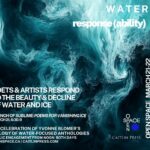 easure, gratitude and admiration for Yvonne’s perseverance over the past decade of her work on the trilogy.
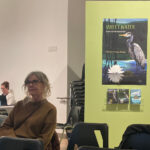
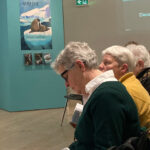
Three gorgeous posters for silent auction: Refugium, Sweet Water, and Sublime.
-
Good weather for reading
Read Full Post: Good weather for reading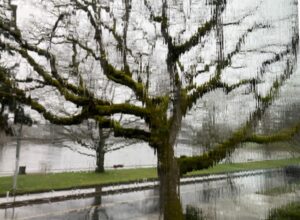 It is La Niña, I’m told, that is responsible for our cold, wet spring, after a warm, wet winter. A good time to settle in with reading and writing, I suppose, although I find it increasingly difficult to do more than listen to audiobooks while I potter around the kitchen or carry them around the house in my phone.
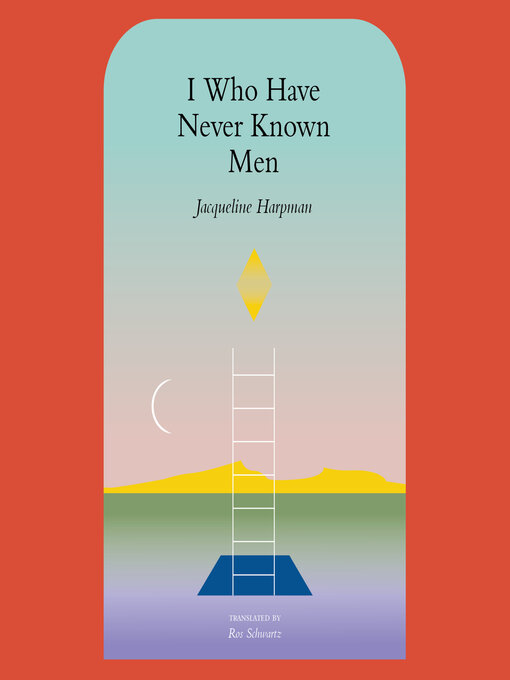
Most recently I listened to I Who Have Never Known Men,
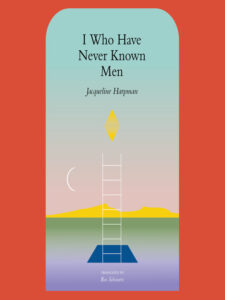 a post-apocalyptic Belgian novel by Jacqueline Harpman, whose new translation, I gather, has been giving it new life. It was thoughtful, and, like so much speculative fiction, unsettlingly prescient in its depiction, in this case, of unexplained imprisonment. I did appreciate its turning some male views of forced communities – think Lord of the Flies – on their heads. The women in this novel manage to get along and get things done and built. Reading her bio, I see that Harpman was trained as a psychoanalyst, which perhaps explains much about the carefully constructed relationships between the women.
Before that, I was in an entirely different world. A couple of years ago, a friend from
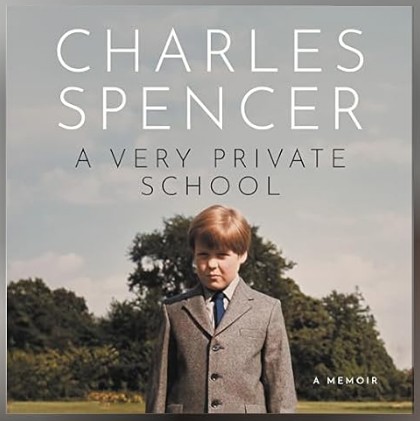
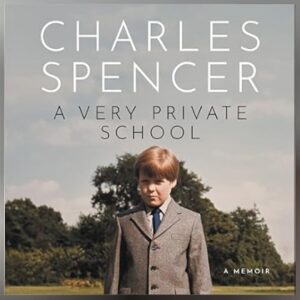 my boarding school childhood sent along some comments responding to a review in the Guardian of Charles Spencer’s memoir, A Very Private School. This led me down some rabbit holes, not least of which were a couple of fascinating nonfiction books about boarding school syndrome; Joy Schaverien had coined the term and written about it in a book of that name, as had another therapist, Nick Duffell, in his book The Making of Them.
Though Spencer’s school’s structure and terminology were very close matches to mine, my experiences were, mercifully, without the physical and sexual brutality of Spencer’s schooldays. Girls’ schools are (were, in the time period Spencer and I share, the seventies) kinder places, at least physically. And perhaps that makes them harder to write about, so there are far fewer books on the topic. Much of what I’ve seen is of the Enid Blyton variety; who knows, perhaps even back then there were a lot of girls who enjoyed the experience.
At a dinner with half a dozen of my former classmates from boarding school days a couple of summers ago, it did seem that most had more or less favourable memories. It may have helped that they had graduated from the school, which means they reached the age when they were able to exercise some control over their lives there than I had when I left after grade 10; and they also graduated under the eye of a different head of school than was running things in my day.
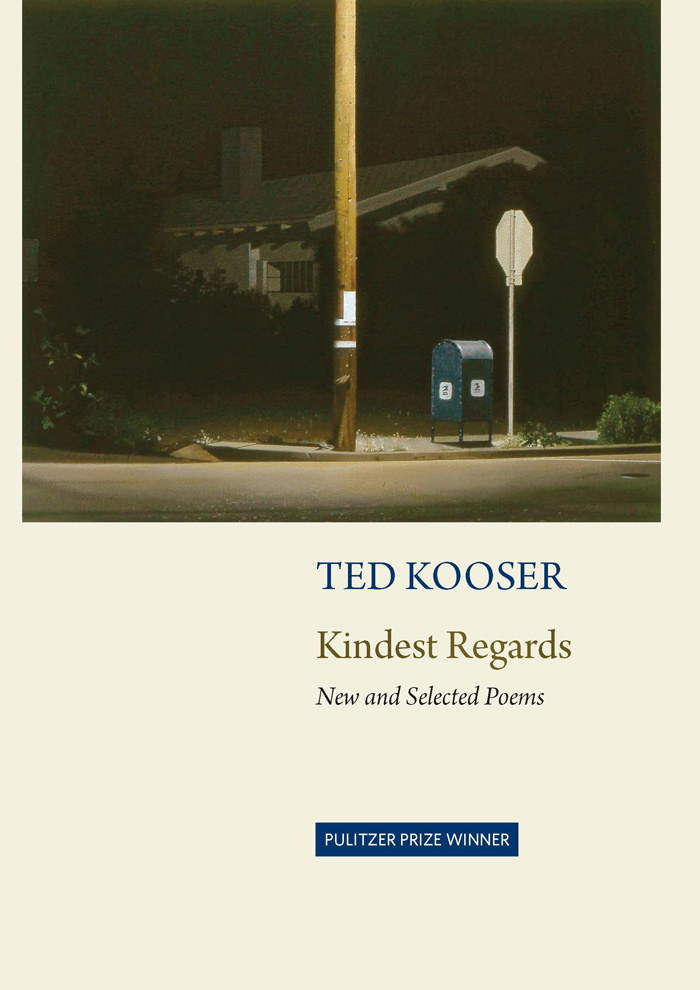
And the actual physical book I’ve been enjoying is Kindest Regards : New and Selected Poems by Ted Kooser. I had heard his name and seen the odd poem but hadn’t
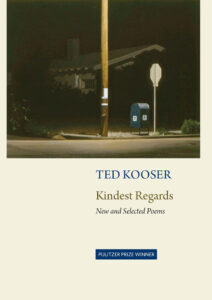 sat down with a full collection before. Alas for my shelf space and budget, I was compelled to return the library copy and buy my own as it’s something I expect to dip into for some time to come. Readable and rich in its language – a tough trick to pull off.
And something I had been reflecting on after seeing an old interview with Scottish poet Norman MacCaig, who believed strongly in poetry as a communication. Said that when this had become clear to him, had gone through and edited the obfuscations out of his old work in the interests of clarity.
Latest Posts
- Sublime and Twisted Readings coming up!
- Sublime
- Good weather for reading
- The world, the world
- Sublime launch!
- Planet Earth Poetry – Readings by Volunteers, Victoria 2026
Aldeburgh Poetry Festival Barny Haughton BBC BC poets Berkswell blackberries Black Stilt Bologna book launch Borough Market Carlo Petrini Catalonia Cyrus Todiwala dairy Daunt's Books Dijon Edinburgh Fanny Bay Feast of Fields Food and Morality food history food journalism Jenna Butler lardo Malahat Review Michael Pollan Okanagan olive oil tasting olive trees Omnivore's Dilemma Our Food Our Future Oxford Parmigiano-Reggiano Planet Earth Poetry poetry poetry readings Poetry videos prosciutto salumi Sean O'Brien Suffolk ticks Wendy Morton Wired Writing Yvonne Blomer
In her latest collection, Rhona McAdam navigates the dark places of human movement through the earth and the exquisite intricacies lingering in backyard gardens and farmlands populated by insects and pollinators, all the while returning to the body, to the tune of staccato beats and the newly discovered symmetries within the human heart.
“…A beautiful, filling collection, Larder is a set of poems to read at the change of the seasons, to appreciate alongside a good meal, and to remind yourself of the beauty in everything, even the things you may not appreciate before opening McAdam’s collection….”
Rhona McAdam is a writer, poet, editor, and Registered Holistic Nutritionist with a Master’s in Food Culture from Italy and a deep-rooted passion for ecology and urban agriculture. Her work spans corporate and technical writing to poetry and creative nonfiction, often exploring the vital links between what we eat and how we live. Based in Victoria, BC, and available via Zoom, Rhona is always open to new writing commissions, readings, or workshops on nutrition and the culinary arts.