Skip to content

urban agriculture

Food Security in Bloom
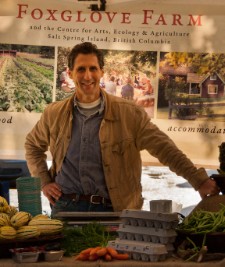
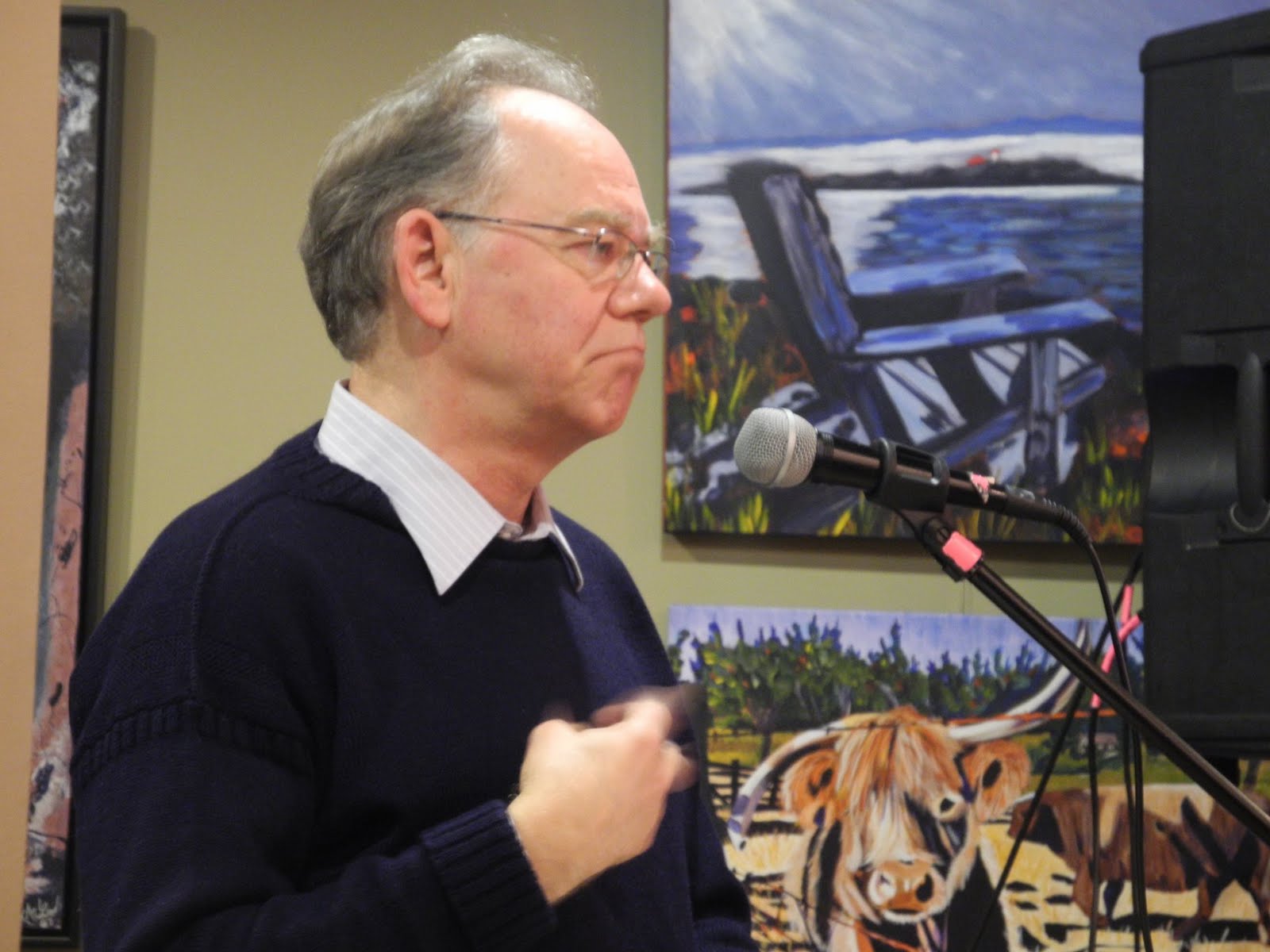
I blossomed along last night to catch Michael Ableman speak on Thinking Like an Island: Food Security and Sustainability, as part of the art gallery’s Art in Bloom series. The promo promised we’d hear about how “thinking like an island means minimizing reliance on “off-island” resources.”

And indeed it was so. It was a lively, passionate and articulate talk, presenting alternatives for a sustainable future, “where communities develop their own full cycle food systems and city planners integrate food production into new developments.” Ableman speaks with authority, from the foundations of a lifetime spent farming and driving urban agriculture programs (like SOLEfood in East Vancouver), which he now does from Foxglove Farm on Salt Spring Island.

On Salt Spring, he said, there are the problems we all share today: utter dependence on fossil fuel and the automobile and imported food; and like many other urban centres, even this island has its share of poverty and food insecurity, well hidden from public view.

Think of Earth as an island floating in a sea of space, he suggested; perhaps if we thought of it that way we might take better care of it.But it all starts with food: nothing is more basic to our needs, and yet we’ve handed over that responsibility to others, and we’re seeing the results in soil loss, water contamination, obesity, health problems of many kinds.

But islands of farming – for every farm should be as self-contained, self-sufficient and self-renewing as an island – nowadays have ecological and educational roles as well as to feed a predominantly urban world.

His deepest message for the future of food security has to do with education. We can learn to build food security by growing our own gardens: people need the knowledge as well as the means and land to produce some part of the food supply. We can secure it for the future by cultivating those skills in our children, who will after all reap the fruits of our time, so they might as well learn to grow vegetables while they’re at it.

While you can’t impose changes on those who don’t understand the value of food, you can teach children in schools – where the curriculum needs to cover all aspects of food production with the same importance currently given to math and history. Moreover, every school should restructure its approach to food procurement, and make use of its off-duty kitchens for neighbourhood food processing and preservation.

On land tenure, a much discussed obstacle to new farmers, he proposes different models of ownership. It’s wrong, he said, that the only qualification you need for this at present is capital, when stewardship is the more important quality for custodians of this essential resource.

If we are all just passing through, all that remains is the land: we owe it to the future to leave it more fertile than we found it. Land ownership, particularly of parcels of 5 acres or more, should be tied to requirements to learn how to rebuild the soil for growing. But for any new development, building permits should include food production component in proportion to population they support; industrial buildings should be required to have rooftop growing spaces.

He suggests that the armed forces should be put to work restoring growing land and our railway system. Because a local diet is not necessarily an inclusive or varied one, particularly in northern areas, we need to make use of regional foodsheds and transportation is central to providing the population. Rail is the most cost and energy-efficient way to do that.

He paused to throw a few cautions in about phosphorus, one of the three essential components in plant nutrition (along with nitrogen and potassium). Commercial farming uses about 90% of mined phosphorus in agricultural production: this includes, of course, biofuels. Phosphorus is another nonrenewable resource which is due to become scarce, and Ableman feels it’s the elephant in the room, and it’s going to be the next thing worth fighting for. He suggested we check out which countries hold reserves of it. The answer is: China (which has just upped the price so as to conserve supplies for its own use); the US (will run out in 25 years); and, sadly for Africa, Africa.

He mentioned some lectures he’d given on the Hawaiian Islands for the Center for Ecoliteracy. Hawaii used to be a model of self sufficiency, where the population’s role in relation to the environment that supplied its food supply was fully understood; where it was appreciated that the survival of each of us is inextricably tied to one another and the world around us: and that what we do in the way of harvesting seafoods, for example, affects the survival of our community in the long term. But that knowledge has been lost and Hawaii now imports 80% of its food and suffers the same associated problems as everywhere else.

He spoke as well of time he spent as a teenager in Jamaica, and how that island too now relies upon imported food; and in its altered agriculture, geared to supply global markets, has lost what he calls its “national wealth” – the flavour of its fruits.

He quipped that it’s time farmers received the same rock star status that chefs do; but then again, farming is not a spectator sport. People who don’t want to farm should make friends with a farmer: you will need them. And speaking of rocks, he has a fine idea for soil replenishment, which is that every community should have a rock grinder, to enable us to replenish soil minerals by creating our own rock dust.

The bottom line: though it’s encouraging to see how many people want to eat well and locally today, there simply aren’t enough of us doing the hands-on work of growing food. We have a couple of generations of people now who know no more than how to push keys on a keyboard. We need to consider what we’ll depend on when we can’t depend on technology, for the skills we’ll require to survive on this earth include growing food and restoring the soil.

Organics ABC

I spent much of this past weekend at the COABC (Certified Organic Associations of British Columbia) annual conference which was conveniently held in Sidney and attracted some great speakers and lots of friendly farm folk, with tasty organic fare to fuel the conversation (“When was the last time you saw organic milk at a conference?” we marvelled in the coffee queue; “This would be a first” we agreed.)

The two headliners for my interests were Chris Thoreau, an urban farmer from Vancouver, speaking about how to make money from farming in cities, and Todd Kabaluk, a researcher from Agriculture Canada, speaking on current research into wireworm.

Thoreau’s talk on Friday night promised to go beyond community gardens to explore some of the economic aspects of urban farming. An entrepreneurial bent is needed to make money from farming in the city, and Thoreau’s aim is to prove it’s a viable economic model for some, both by farming himself and by creating an urban farming network in Vancouver (where there are 19 urban farms – comparing poorly with the 700+ that now exist in Detroit .. but on the other hand, there is – let us be grateful – not the same degree of vacant lots in Vancouver)

City FarmBoy is believed to be the longest standing urban farmer in Vancouver, farming 14 backyards and one rooftop. Farmers on 57th work with residents of the George Pearson Centre providing food and involvment to people living in the facility. Thoreau’s own business, My Urban Farm: small scale sunflower sprouts delivered by bicycle. SOLEfood has literally taken over a parking lot on East Hastings, with the help of a grant from the city to set up. They use raised beds to grow food to sell at high end restaurants, farmers market, recreation centres and so on, using the proceeds to hire people and train farmers.

And then there was a reception, featuring Crannog Ales and Summerhill wines.

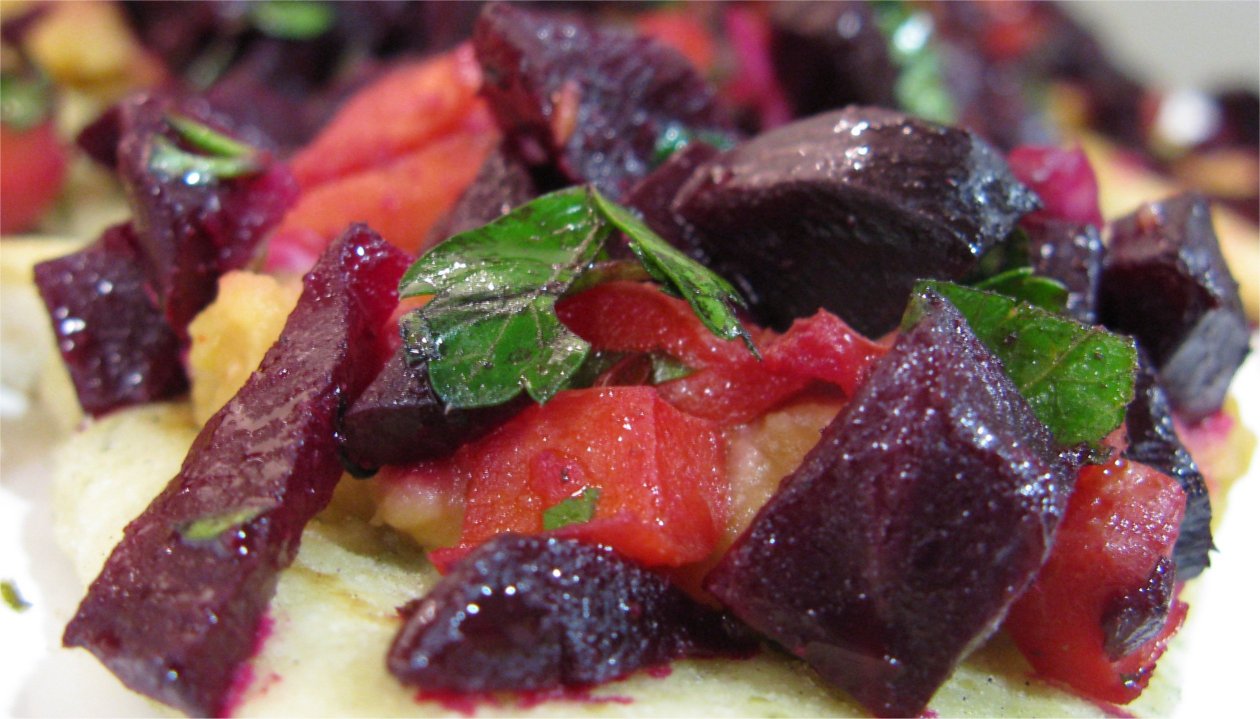
Friday night nibbles included…

On Saturday, we had opening addresses from Dag Falck,

of Nature’s Path, explaining the negative effect that “natural” food branding is having on certified organic food sales. He pointed out that only half a percent of all farmland in North America is under organic cultivation, which means that shortages of organic ingredients are imminent if the sector continues to grow. There is a widespread misunderstanding of the meaning of the term – led by marketing – that leads the public to pay a premium for goods made from agricultural products that are – and cost- exactly the same as conventional products. There is a white paper on the subject, from COTA (Canadian Organic Trade Association).

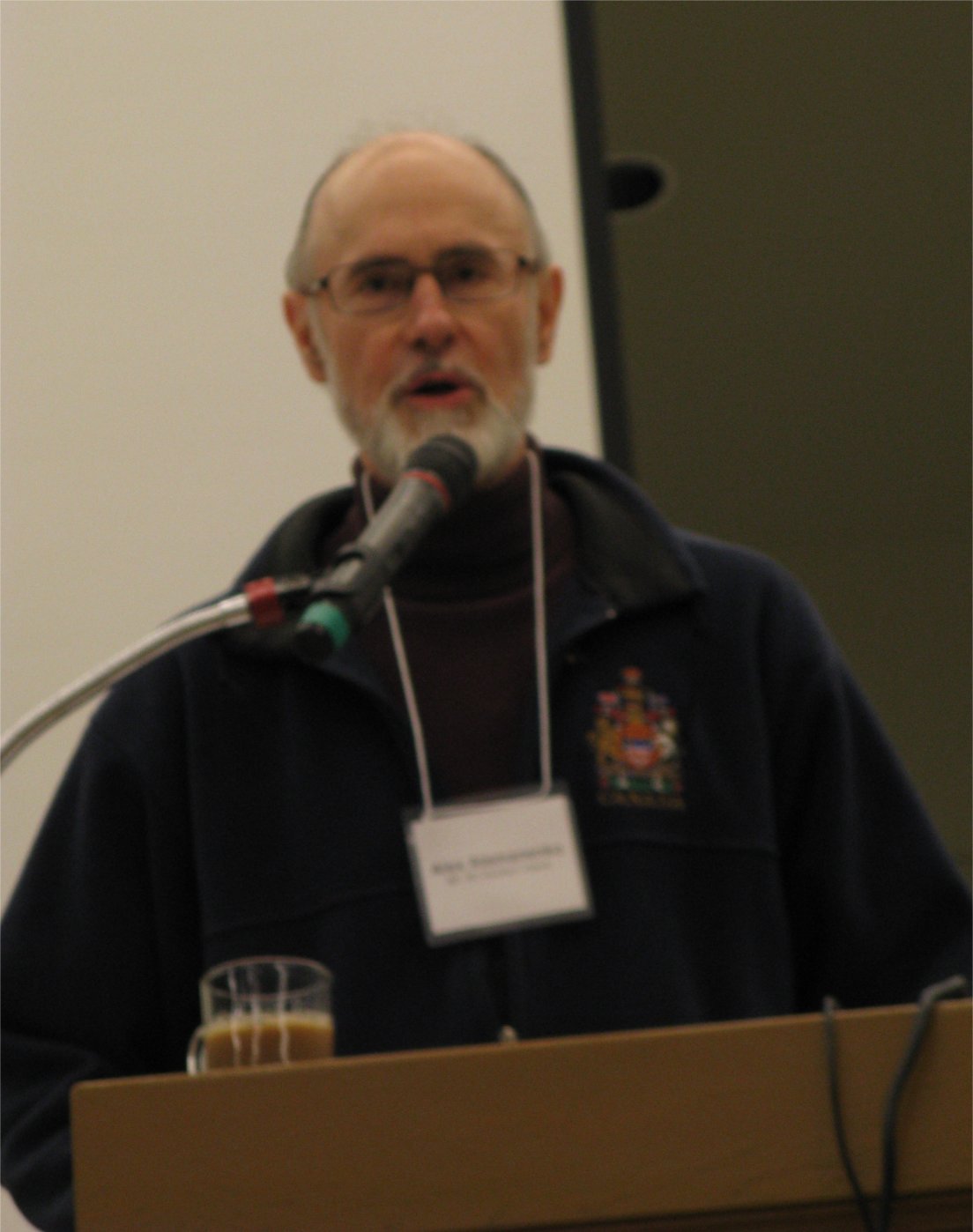
Alex Atamanenko

spoke about organic items topical in Ottawa, including Bill C-474. There is still a shred of hope around the topic, with a new campaign to support a moratorium on GM alfalfa in Canada. He addressed the worrying elements in CETA (Canada–European Union) trade negotiations that threaten seed-saving, and later confirmed what I’d heard about the first-time inclusion of municipal level obligations that could end institutional support for local foods (the proposed changes would “prohibit municipalities from using procurement for sustainable development purposes such as promoting food security by adopting “buy local” food practices”). So lobbying is suggested at the municipal as well as federal level.

I went on to a talk abou soil ecology and alternative mulches for organic blueberry production; basically a discussion about traditional use of sawdust vs composts. One of the reasons was to reduce the loss or injury of plants through plant-parasitic nematodes, which can more easily be kept in check by natural predators such as those found in soil enriched with organic matter.

Then there was a coffee break

and I skipped out to do some errands. After a vibrant lunch

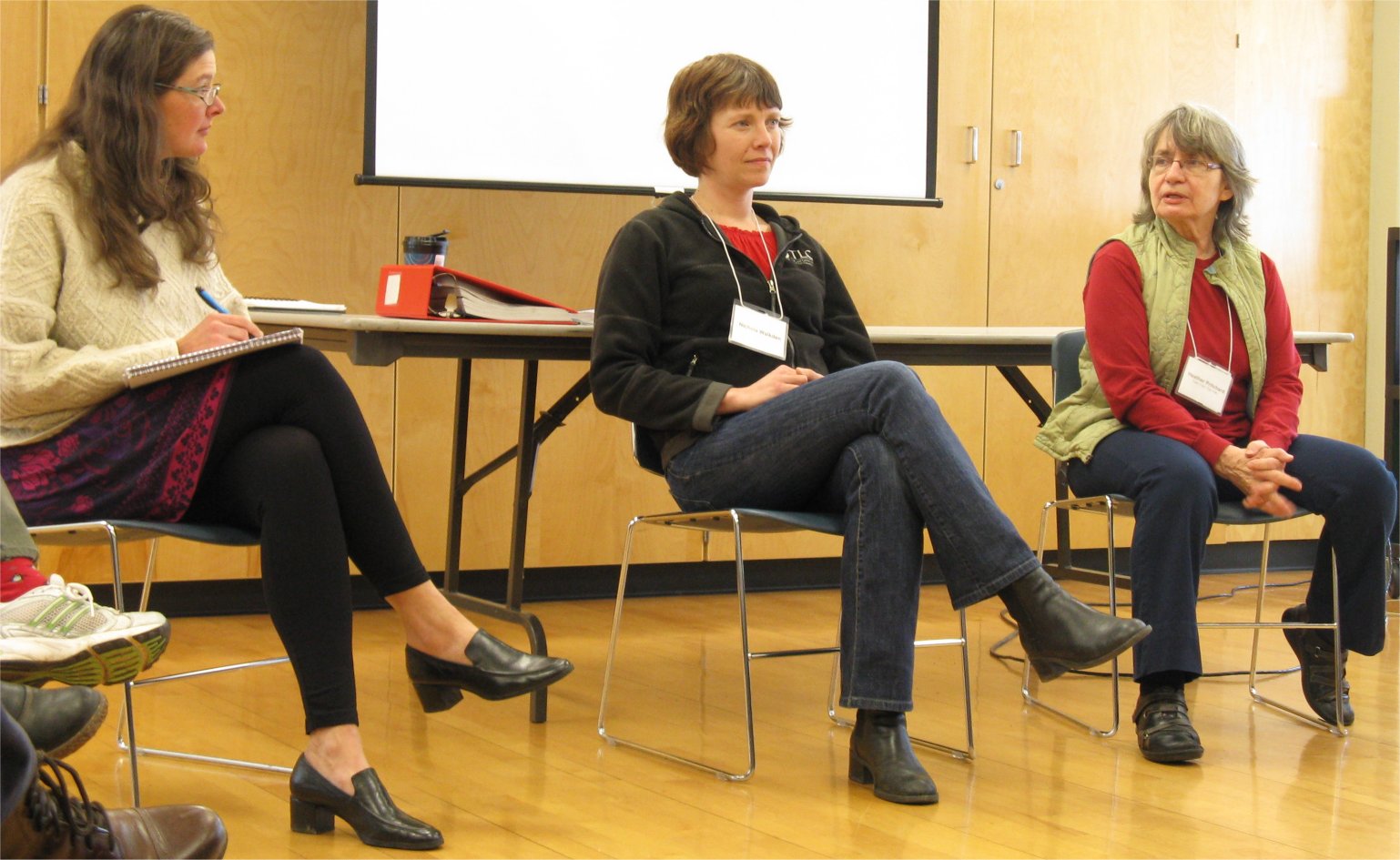
there was a panel on Community Farms, land leasing and other ownership models with Jen Cody of Growing Opportunities; Nichola Walkden of The Land Conservancy; and Heather Pritchard of Farm Folk City Folk. There was a lot of discussion about the ins and outs of land tenure when working with a collective or community model; issues to do with zoning, neighbours and conditions of tenancy.

Then it was time to turn to the most evil insect of them all. Todd Kabaluk gave a thorough consideration to the life and times of the wireworm, mortal enemy to all potato growers and many others besides. As has been previously discussed here, it’s a long-lived pest with a big hunger and an undiscriminating palate; laying waste to seedlings and rendering root vegetables unsaleable. There are no known enemies, though research is looking for these; and it’s hard to kill since its whiskers allow it to whisk up and down in the soil, so you can’t be sure exactly where it is. As Kabaluk wryly observed, “Wireworms are where you find them”.

One place you will certainly find them is in forage crops/ set-aside/ any longer-term grass (like lawns and turf) where moisture levels are steady and there’s lots of food in the roots of grasses. Till that under and you move the grass and the wireworm beneath the soil; when the grass decomposes, and the wireworm loses its food source, you have created a situation where the wireworm must seek a new food source. If you’ve planted a crop, expect visitors, as they’re attracted to the CO2 emitted by the roots.

Although some useful research has been done – involving brown mustard as a rotation crop; use of aromatic oils like citronella; and use of a fungal biological control – there is no quick fix available yet. Kabaluk is focusing on better methods of monitoring their numbers (to reduce the need, e.g., for corn farmers to automatically treat seed with clothianidin even where wireworm numbers are not known). The best summary he could recommend of non-chemical treatments is this article from 2008.

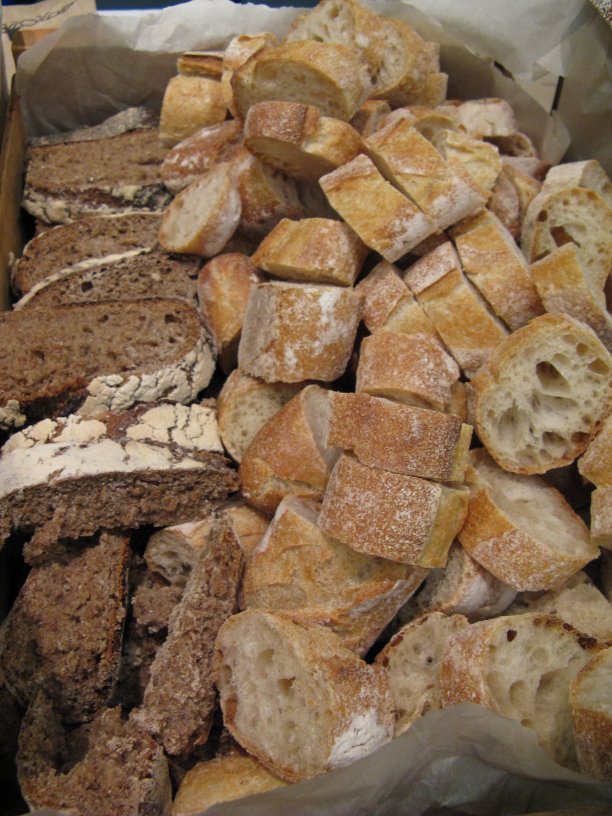
Supper was good and featured lots of salmon from Sointula, as well as local cheese and charcuterie. And a very nice apple and berry crumble to finish.

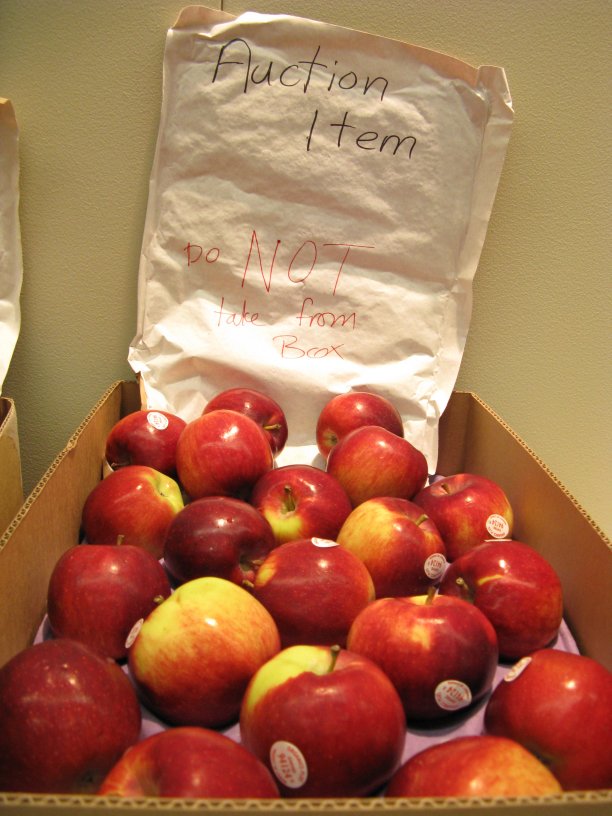
A last look at the silent auction items

– I was outbid on everything (luckily) – and some jolly tunes from the Jugbandits, and that was it for me. I couldn’t make it to the Sunday sessions as I had a bee talk to attend.

Four and a microphone

Busy times… I took in four interesting and very different readings and talks in just over a week. From Byzantium to North Van; from the farms of Milwaukee to forms of aging.

Chronologically, we start with Myrna Kostash,

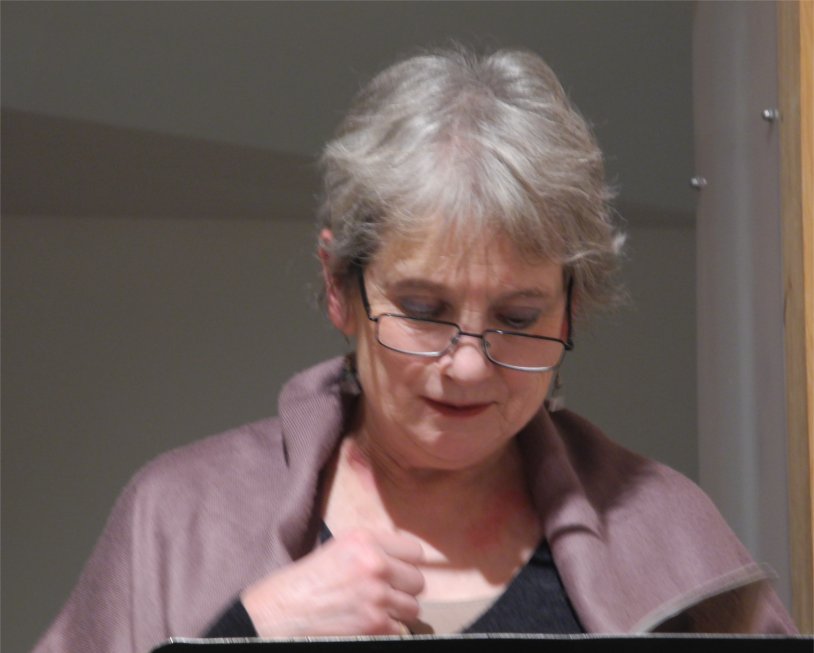
who read and spoke at the Open Space Gallery on January 20, launching her new book, Prodigal Daughter, an exploration of Byzantium and the Eastern Christian (Orthodox) Church. It was a cold, wet, miserable night but a warm and engaging discussion (Where does the East begin? How does Demeter relate to St Demetrius?)

Next up was David Zieroth

who read – at Planet Earth Poetry – some of his fine work from The Fly in Autumn, as well as some new writing.

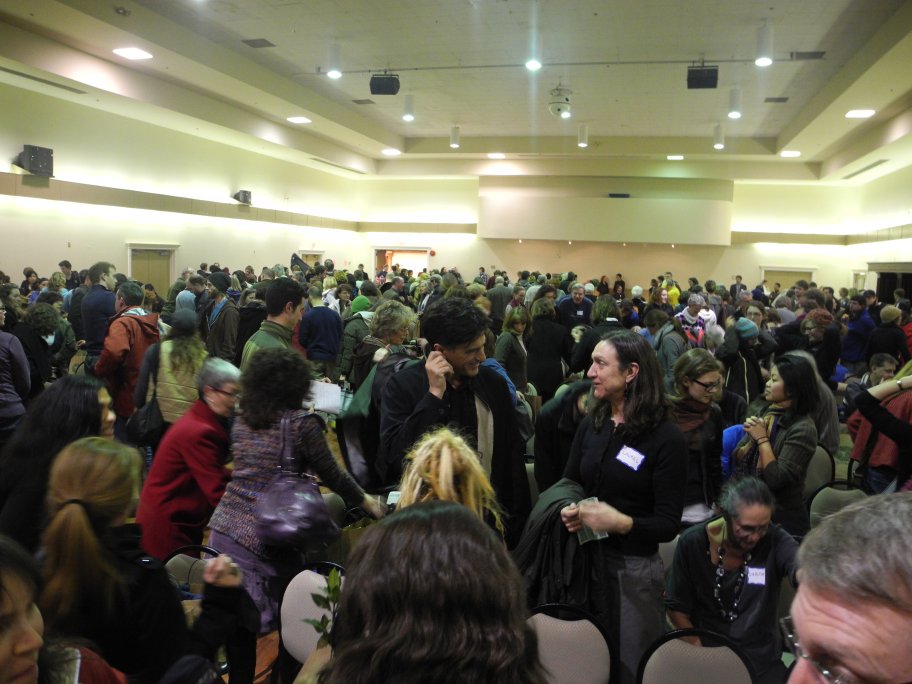
And last Thursday I joined 700 others at the Croatian Cultural Centre in Vancouver

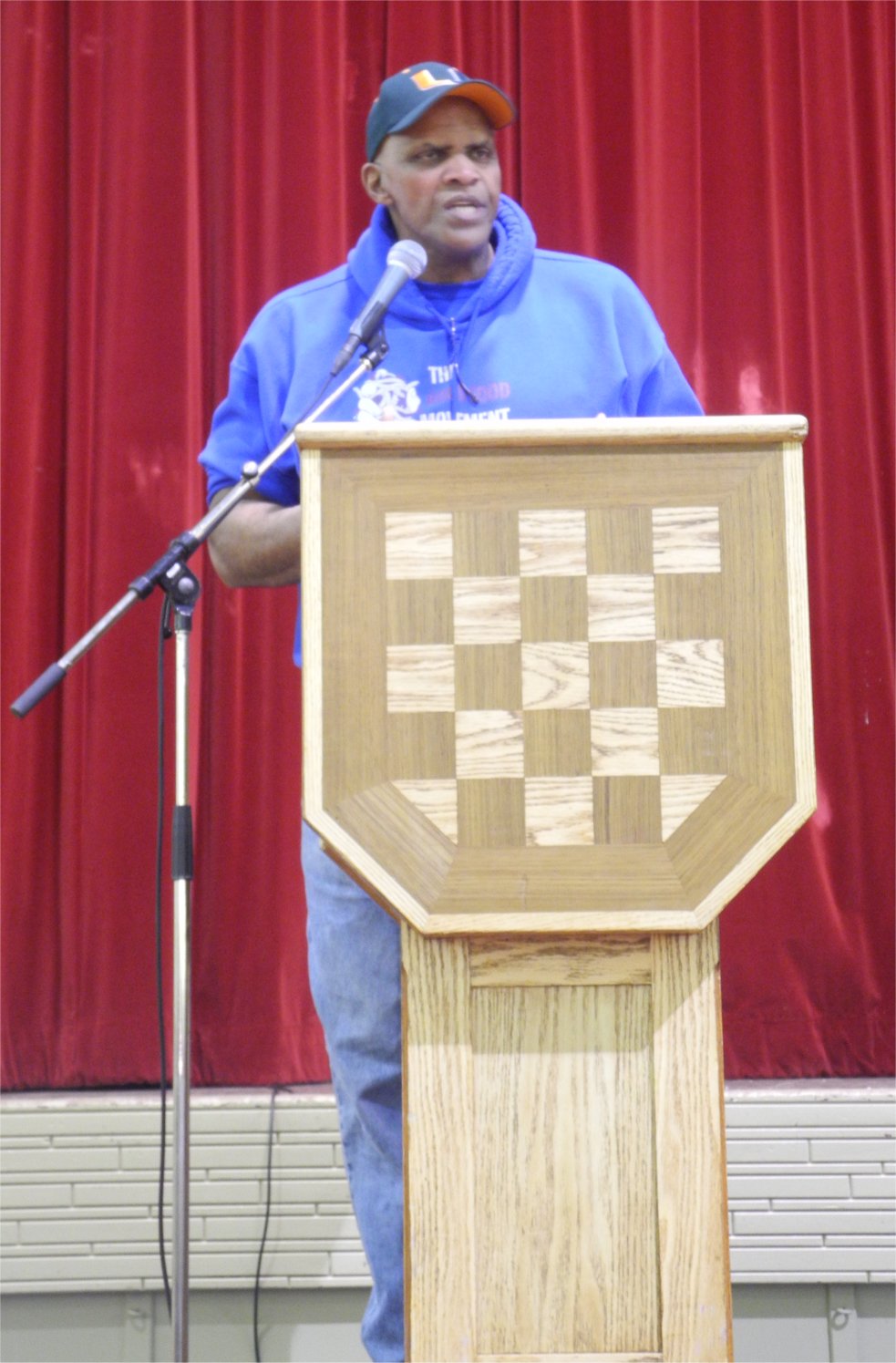
to hear urban agriculturalist Will Allen

talk about his work with Growing Power. He showed some 700 images of Growing Power’s many projects – mostly in the US but a few outside the country. His basic ideas are: that everyone deserves good, nutritious food; that it’s possible to provide this by intensive growing in cities; that the foundation of nutritious food is good soil, and it’s possible to provide this by composting. Which he does on an enormous scale, turning over truckloads of unsold warehouse fruits and vegetables with backhoes, and cultivating billions of worms to finish the job once the compost has been mostly broken down. He declares himself to be in direct competition with the landfill: showed us a picture of a garbage truck door that boasted the company had created 17,000 acres of wildlife habitat, and quipped “all I’ve seen is seagulls and really big rats.”

He shows that you shouldn’t let a little thing like lack of land to grow on stop you: he plants into 2 feet of compost, on top of concrete and tarmac, in abandoned industrial sites and on top of lawns and flower gardens. At its Milwaukee site, Growing Power produces a year round supply of herbs and greens in greenhouses; and is gaining some fame for its work in aquaponics, raising tilapia and yellow (freshwater) perch. Allen’s greatest interest is in teaching children about food and agriculture, and in providing disadvantaged people with the knowledge of how to produce food, as well as process and market it.

Too much time is wasted, he says, talking about urban agriculture: you need to get out there and do it. Create a project that will act to educate and motivate others in your community, that they can volunteer at, work on and buy from.

He’s big on creating networks that are inclusive and that reap tangible benefits like the space to grow food, and the tons of waste he diverts into his composting projects. When people sniggered at the picture of Wal-Mart execs touring his farm, he said “We need everybody at the good food revolution table. We can’t do it alone. The days are over when we exclude people and organizations.” And added, “Our families and friends work at these places.”

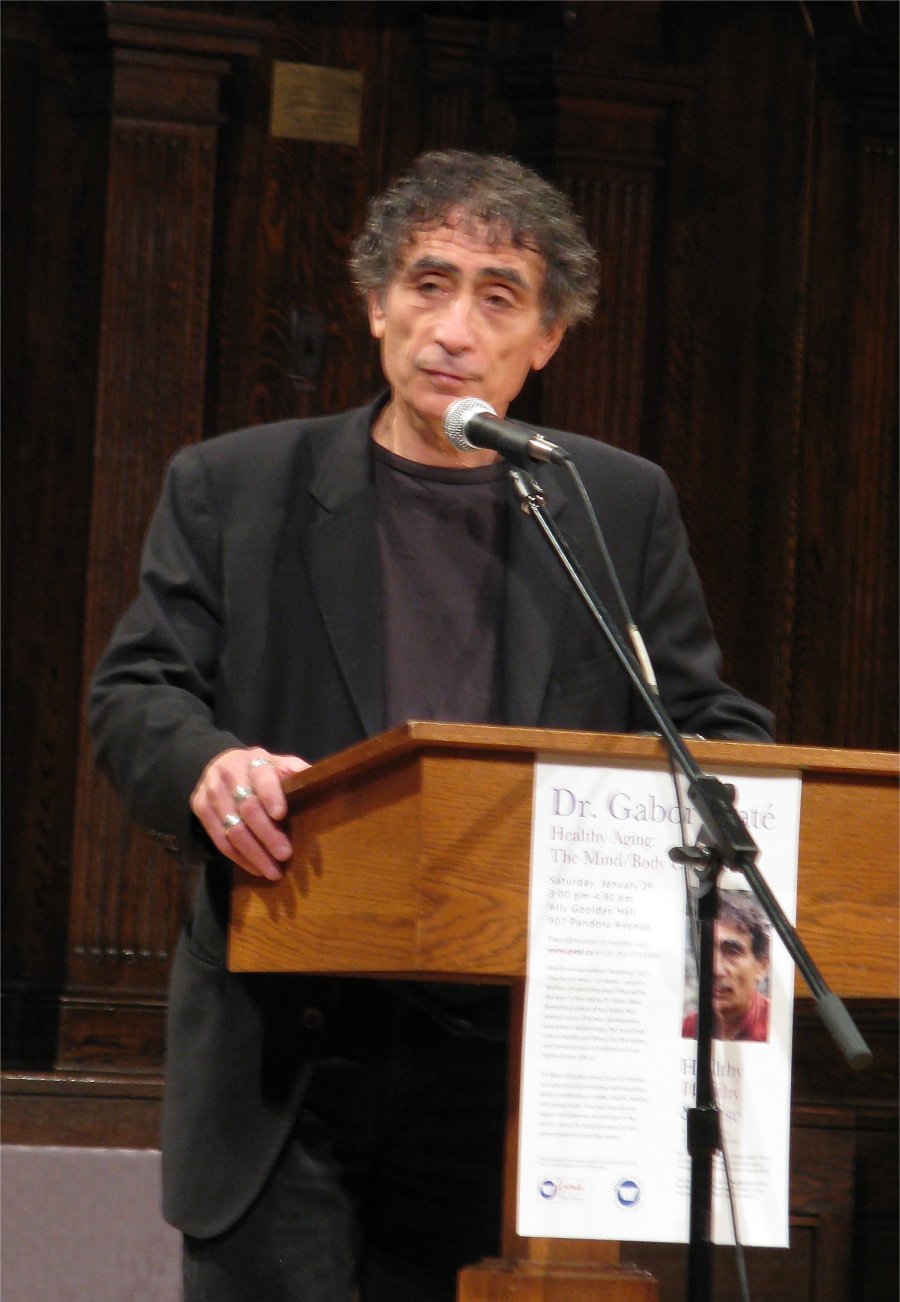
And then yesterday I joined several hundred others to hear physician/author Gabor Mate

talk about aging. We were bemused to see what a draw this topic is… Mate was blunt, opinionated and controversial, offering a blend of personal wisdom about the interconnectedness of the body, emotions and spirituality. When considering aging, he says, we are considering death, and that is why our youth-obsessed culture is so reluctant to permit it. In planning our lives, knowing they are finite, we should aim to leave the world as we entered it, with no baggage. By which he means we must discard the constraints and emotional demands of the world to be other than who we are.

His ideas on physical health as we age are quite simple: read Andrew Weil, get exercise, eat good food, and eat less. He moved on to some ideas about health and illness, saying that what he concludes from his experience in palliative care is: who gets ill is not a matter of fate. Nor are genetics the key to health and longevity: it is something of a no-brainer to say that there are too many variables in a person’s life, and genes are turned on and off by the environment.

To answer questions of illness, he says, we need to look at people’s lives. He read from a few obituaries and observed that so often in obits we celebrate the qualities that kill people: compulsive concerns with the needs of others to the neglect of their own. “When you don’t know how to say no,” he said, “your body will say it for you.”

Because the emotional centres in our brains send out hormones and chemicals that affect our physiology, it is not possible to draw a distinction between physical and emotional health when treating an illness; and if you suppress emotions, you also suppress the immune system. “Emotions are not luxuries: we have them in order to survive.” There are two primary emotions: fear and love; everything else is secondary. Love is about the human need for primary support.

There was a short unplanned interval while one of the audience members suddenly fell ill, but luckily there was a doctor in the house, and after ensuring that the man would be ok and the ambulance was on its way, Mate returned to the podium with a few words on dementia. It is not enough, he said, to keep your mind active with intellectual explorations; you must also maintain and develop emotional authenticity, because the biggest emotional stress you can put yourself under is trying to be other than you are.

Happy chickens, modern sharecroppers and wild strawberries

Just came across this sweet story about a heritage breed of chicken that has been revived in India, to help counter the trade in industrial egg and poultry production.

And while we’re in a positive mood, another happy story, about the rise of garden-sharing by urban gardeners.

On my eternal quest for food poems, I found this one by Helen Dunmore, called Wild Strawberries.