Skip to content

food poetry

Big sky readings

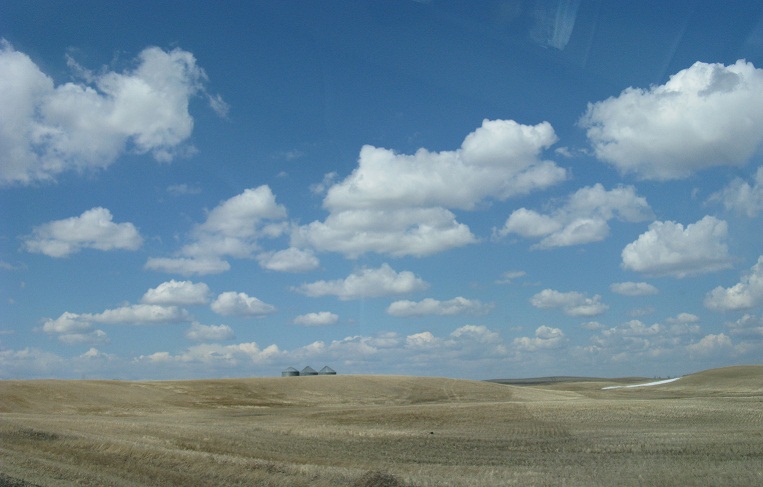
Saskatchewan, the beautiful.

It’s been quite a spring for some farmers here; signs suggest they won’t be suffering from drought this year… So sayeth the cows in a field near Muenster:

I had a very pleasant afternoon yesterday with the creative writing students at Humboldt Collegiate, who garnished our discussions of food poems with cookies and jello.

A display of my oeuvre at Humboldt’s Reid Thompson Public Library:

Returned to Saskatoon in fair weather indeed:

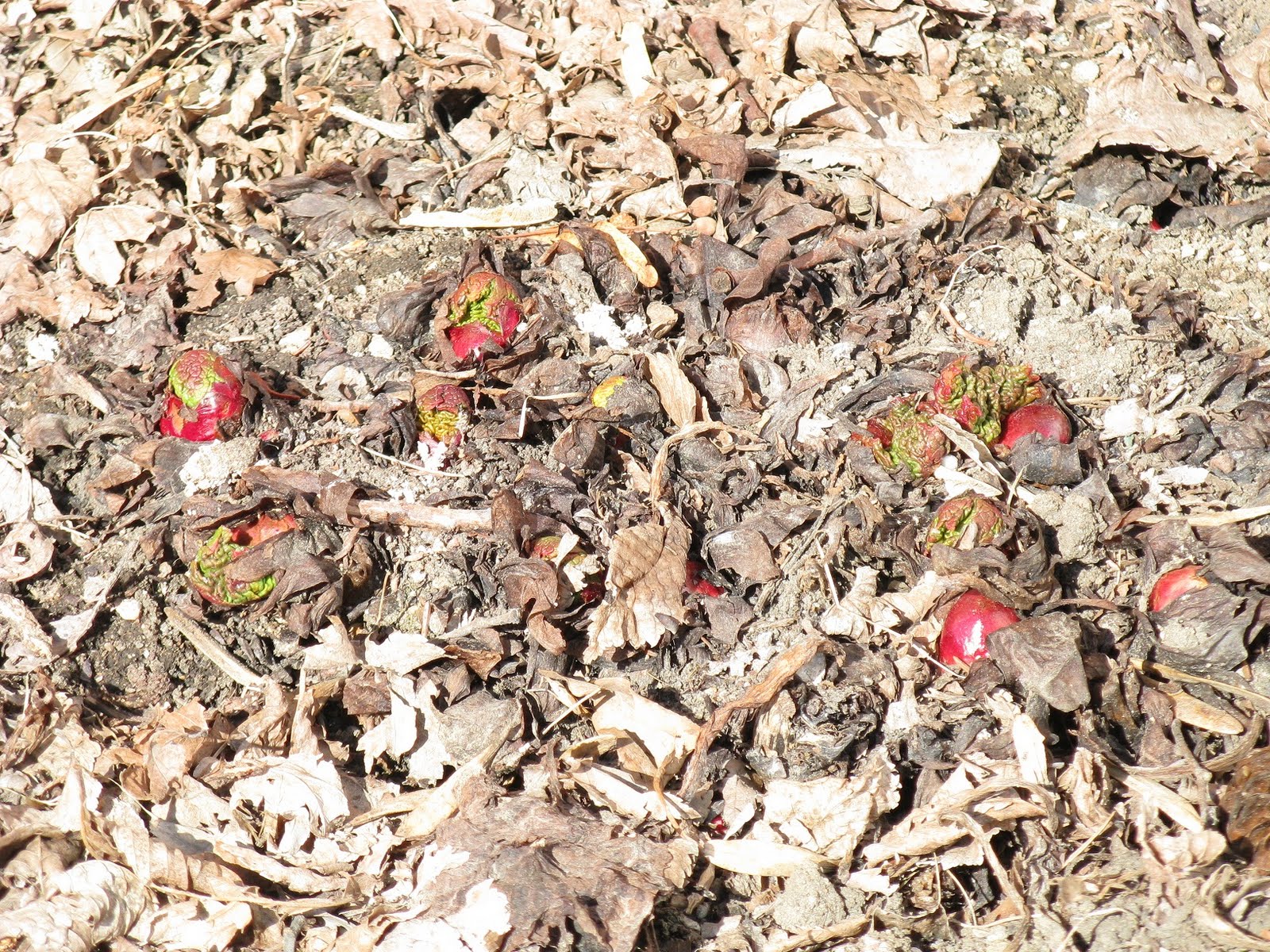
Hopeful signs abound, including rhubarb buds in Mari-Lou’s garden:

Happy chickens, modern sharecroppers and wild strawberries

Just came across this sweet story about a heritage breed of chicken that has been revived in India, to help counter the trade in industrial egg and poultry production.

And while we’re in a positive mood, another happy story, about the rise of garden-sharing by urban gardeners.

On my eternal quest for food poems, I found this one by Helen Dunmore, called Wild Strawberries.

Food & poetry

It seems I am not the only one on the planet with these twinned obsessions. On Friday I went to Farringdon Road and found my way up the near vertical stairs of the Betsey Trotwood, which by its position I’d guess is frequented by Guardian writers and which boasts music and poetry nights, and locally-sourced foods (though I think not including the tiny bag of crisps I purchased from them at some considerable expense: when did they go up to 80p I wonder?). Friday night’s reading theme got its title, as the lucky winner of the bottle of Italian brandy was able to identify, from The Naked Lunch: Unspeakably Toothsome – an evening of food poems. Co-hosts Annie Freud and Roddy Lumsden read and invited a number of other poets to read also, from their own work as well as favourite food related poems by other poets. Each poet participating was rewarded with a food and drink goodies parcel rather than a fee.

Readers included: John Stammers (reading John Berryman, Frank O’Hara‘s “For Grace after a party”), Simon Barraclough (reading from Titus Andronicus, and Anonymous); ex-chef Angela Kirby (Peter Phillips – “I want to be buried in a restaurant” and Anne Stewart “To a melon”); Isobel Dixon (Les Murray – “In a time of cuisine” and Jonathan Swift “Green Leeks”); Mark Waldron (Russell Edson “Mouse” and Mattea Harvey “Setting the table”); Roddy Lumsden (Paul Muldoon “Holy Thursday”, Neil Rollinson “Scampi” – and a memorable poem of his own about the horrors of eating stroganoff in Shannon Airport); Annie Freud (Wendy Cope “The uncertainty of the poet”, DH Lawrence “Figs” and Bertolt Brecht “Buying oranges”); Cath Drake (Michael Ondaatje “Rat jelly”, Jacques Prevert “Breakfast”); Heather Philipson (Wallace Stevens “Floral decorations for bananas”, Frank O’Hara “Animals”); Susan Grindley (Lewis Carroll “Walrus and the carpenter”) and Tim Wells (Rodney Jones “First coca-cola” and Luke Warmwater “Hungry for pizza”).

One afternoon I caught up on some Radio 4 listening and heard a recent Food Programme about anchovies, which told a by-now familiar tale of looming extinction: the best varieties of anchovy are being harvested for volume rather than sustainability, and so we are likely to lose them altogether before too long.

Brunch yesterday was a delightful piece of french toast

at Sam’s

I now embark on a week without (gasp) internet access. See ya later!

Suet, treacle and some other things

Canadians who have acquired British cookbooks may sometimes need to know equivalent ingredients or measurements. Here’s a site that offers quite a bit of information, although not an answer to the question that still stumps me: what in a Canadian grocery store can equate to shredded suet for making mincemeats, dumplings, pastries and puddings? The suet offered by grocers in Victoria when I asked included bird suet (studded with birdseed!) and chunks of fat pared from beef cuts.

The official word on suet as sold in England is that it is made by grating the hard white fat which surrounds the kidneys, although there is also a vegetarian version, which according to the label is made of hydrogenated vegetable oil, wheat flour, sunflower oil, pectin and sugar. Lard and shortening are the wrong consistency: too soft and greasy. I haven’t experimented to see if they actually work in the finished product, though. I did find mention that hard coconut fat might be the answer. Further experimentation clearly needed in this area. Stay tuned.

Or apparently I can order vegetable suet through A Bit of Home, which happily is based in Toronto so no issues with customs, GST and duty. Everything from self-raising flour to jelly cubes to PG Tips pyramid teabags. Disappointing not to see Cornish Wafers, or Mackerel in brine which are – besides the cheese, the yogurt, the stunning produce selection, the extravagant selections of cream, of marmalade and of sugar – among the things I miss most about living in London.

I must make a return visit to the lonely little UK shelf in Market on Yates, which stocks a similar selection to A Bit of Home. I scored a 500g jar of Marmite there last year for around $18 – which is still cheaper and easier than flying over and slogging back with it in the overwrought luggage.

In The Boy from the Chemist is Here to See You, Paul Farley painted a memorable portrait of black treacle, loosely equivalent to molasses in North America (I’m happy to see that Treacle also appears in New British Poetry):

Funny to think you can still buy it now,
a throwback, like shoe polish or the sardine key.
When you lever the lid it opens with a sigh
and you’re face-to-face with history.
By that I mean the unstable pitch black
you’re careful not to spill, like mercury

that doesn’t give any reflection back,
that gets between the cracks of everything
and holds together the sandstone and bricks
of our museums and art galleries…