Skip to content

Haliburton Farm

Linen, flax, apples and more apples

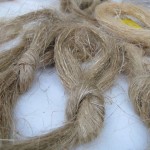
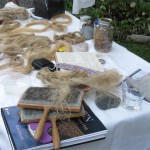
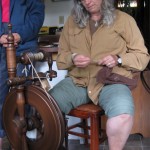
On the last day of August I wandered along to a potluck information session on the Linen Project that Denise – who’s been driving the project forward under Victoria Transition‘s Reskilling umbrella – hosted. Although the sun was setting and the day’s participants had scattered, there was a full scale exhibition set up in the garden, and a spinner demonstrating how to spin linen from flax fibre that had been retted, broken, scutched and hackled by willing volunteers. A perfect plant, flax, offering flowers, food and fibre.


Meanwhile, the fruit continues its burst of plenty in these summery September days. I joined three other Fruit Tree Project volunteers this morning to pick a tree that yielded a spectacular 260kg of apples before we had to leave with promises to return.


After weeks of picking, juicing, freezing, baking and sharing my own apples, I finished stripping my yellow transparent tree on the weekend, which also had a record yield, and squeezed around 30kg into the Fruit Tree Project’s cooler, which is busting at the seams while its coordinators work to distribute the bounty between charities and local processors.

Things continue to flourish at Haliburton Farm too where our veg boxes this week included a first crop of apples from the farm’s replanted orchard, some herb bundles pretty enough to grace a table, and some rather beautiful sweet peppers.


Time of the stinking rose

It’s all about the garlic just now. Harvests are in. Those who haven’t experienced devastating losses due to excess moisture and rot are crowing about the enormous healthy bulbs that are popping up at farm stands all over Vancouver Island. They cost between $2 and $3 a bulb at farmers markets; more than that if sold by weight, as they’re plump, fresh and juicy and a world away (literally) from the cheap bulbs from China.

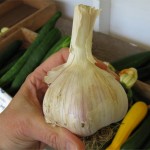
Farmer Ray at Haliburton Farm certainly has something to crow about. Customer after customer came by and marvelled at it, and insisted it must be elephant garlic! But it’s just good old organic hardneck garlic. Ray’s farming smarts, winning ways with compost and several years of patient experimentation have led to a record yield this year: some 1000 bulbs pretty nearly the size of a tennis ball. He planted deeply, spaced well and mulched it well in March with a thick layer of some of his amazing organic compost.
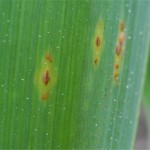
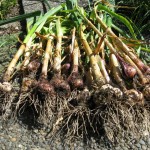
Garlic RustGarlic 22 July 2011My own yield – harvested nearly two weeks ago – was more modest, but I believe all 14 cloves I planted came up and, aside from some split bulbs the bulbs look healthy and firm with no sign of mold. Like last year, they showed some rust that had persisted on the overwintering leeks, despite ministrations with home-made sulfur spray. It didn’t affect the bulbs, though, and they’re drying in an airy corner of the shed as I write.

After they’ve dried properly in another few days I’ll cut them down and peel off the grubby wrappers. The choicest bulbs will be saved for seed. One thing I learned this year, thanks to a lively discussion on the COG listserve, was to check the base of the cloves for two distinct ‘footprints’ – and if found, to separate the cloves even if there is only one clove skin, because otherwise they’ll split after planting. I did successfully pull up and replant a split clove but it’s not recommended. The fatter the bulb and cloves you plant, the bigger your plants will be next  year, says Ray.

I planted a mixture of soft and hard necked and so finally got scapes this year, which I put Garlic Scape June 2011into soups and so on where garlic was called for: felt happy about this as it was great to get fresh garlic of any kind at the end of a long dark spring.
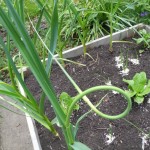
I’ve been thinking on how to store the garlic this year. I usually just keep it with the onions in a loosely covered bin or mesh bag. Various people I’ve talked to have been freezing it and two versions I’ve heard are: peel the cloves and freeze in ziplocks (easy to slice paper thin); or grate or mince and freeze in a slab in a tray, then cut the block into clove-sized pieces and keep frozen to pull out the right portion for your recipe. You can also dehydrate it. I haven’t really enough to start experimenting I think, but am planning to plant more for next year.

One of many interesting facts gleaned from the helpful folks at Boundary Garlic Farm is that “Supermarket garlic has usually been kept cold in controlled storage. If garlic has been kept cold it soon begins to sprout when brought to room temperature.” They recommend storing at a constant room temperature in one of those plastic mesh bags – that if you’re like me you’ve stashed away thinking it might come in handy for something…
Cherries and carrots and sweet summer weather

A weekend stop in Duncan is not complete without coffee at Saison Vineyard, and neither can coffee be drunk without something to nibble on from the bakery.

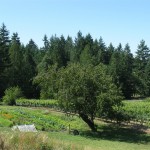
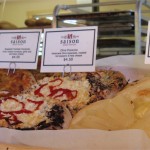
Saison Vineyard+Garden July 2011Saison Bakery SelectionsSaison Black Cherry Upside Down Cake


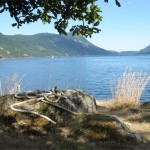
Choices were very tough indeed on my recent visit, but the black cherry upside down cake prevailed. Some nice looking produce on the veg stand as well, but we were heading to the farmers market on a pretty warm day, so we had to leave it all behind.Maple Bay Mt Maxwell July 2011

Spent the afternoon lolling about in good company at Maple Bay, where the breeze subsided to leave an utterly perfect afternoon view of Mount Maxwell, with sailboats and kayakers passing by and an osprey busying itself above.

Meanwhile, back in Victoria, things are well at Haliburton Farm, where the farmstand continues to groan with plenty, and the weekly veg boxes are plumped out with seasonal treats. This week the takings included sui choy and cherries, the plumpest, sweetest sugar snap peas, and bundles of carrots and herbs (Lemon Bergamot, chocolate mint, and tender young cilantro).

Haliburton Sugar Snap Peas July 2011Haliburton Herbs July 2011Haliburton Zucchini July 2011

Haliburton Cherries July 2011Haliburton Carrots July 2011Haliburton Sui Choy July 2011

A pair of farms and an old dog

Spent some time at Haliburton Farm this week, collecting my latest CSA basket and seeing what was up with the farmstand and the farmers. “What a beautiful farmstand!” said one woman, visiting for the first time. And she was right: it’s in its glory just now.

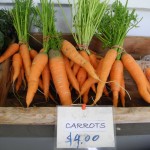
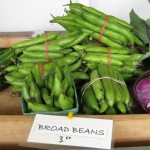
2011 Haliburton Farmstand Carrots2011 Haliburton Farmstand Kohlrabi2011 Haliburton Farmstand Broad Beans


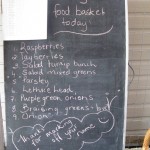
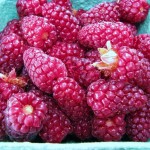
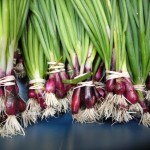
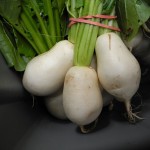
And the veg box bounty reflects that too:

2011 Haliburton CSA Blackboard July202011 Haliburton CSA Tayberries July202011 Haliburton CSA Purple Green Onions July20


2011 Haliburton CSA Salad Turnips 20 July2011 Haliburton CSA Salad Mix July202011 Haliburton CSA Onions July20


While elsewhere on the farm, the bees are buzzing, the weeds are growing, and the potatoes need hilling with a nice bit of straw.

2011 Haliburton Bees Orchard July202011 Haliburton Farmer Emily Weeding July202011 Haliburton Farmer Nate Putting Straw on Potatoes July20


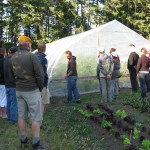
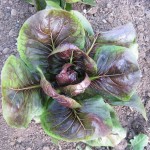
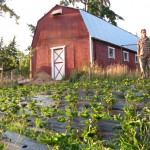
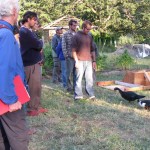
Last night’s COG-VI farm tour was in Metchosin, at Sweet Earth Farms, where farmer Ian King explained how his mobile greenhouses can be pulled on their metal runners to help extend his seasons. We all admired his radicchio which was fortunately too bitter to interest the deer that had just broken into the field, obliging the purchase and installation of new deer fencing.

Sweet Earth Farms GreenhouseSweet Earth Farms Greenhouse RunnerSweet Earth Farms Radicchio


Then we got a look at the raspberries (thriving) and the strawberries (likewise) and were inspected by a couple of bold and curious ducks

Sweet Earth Farms RaspberriesSweet Earth Farms Strawberries+MikeSweet Earth Farms welcome ducks


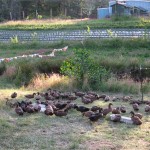
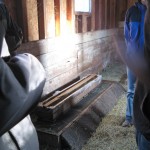
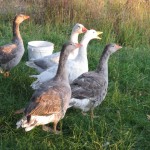
unlike the rest of the flock which were young and skittish. Their duck barn boasts a custom designed water trough which sits on a mesh-covered drainage box so that their wild drinking doesn’t end up soaking the nice thick straw floor. The geese were interested and vocal; they are Pilgrim geese, an endangered species, so Ian is planning to raise goslings to try to safeguard some numbers locally.

Sweet Earth Farms ducksSweet Earth Farms water trough duck barnSweet Earth Farms Pilgrim Geese


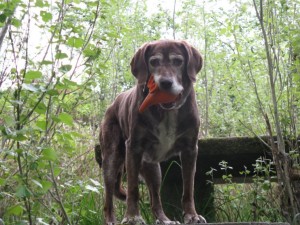
And the final farewell goes to old Anton, who passed away today after an extremely long and joyful life, aged 15 and 3/4.

Anton Colquitz Park

Haliburton spring

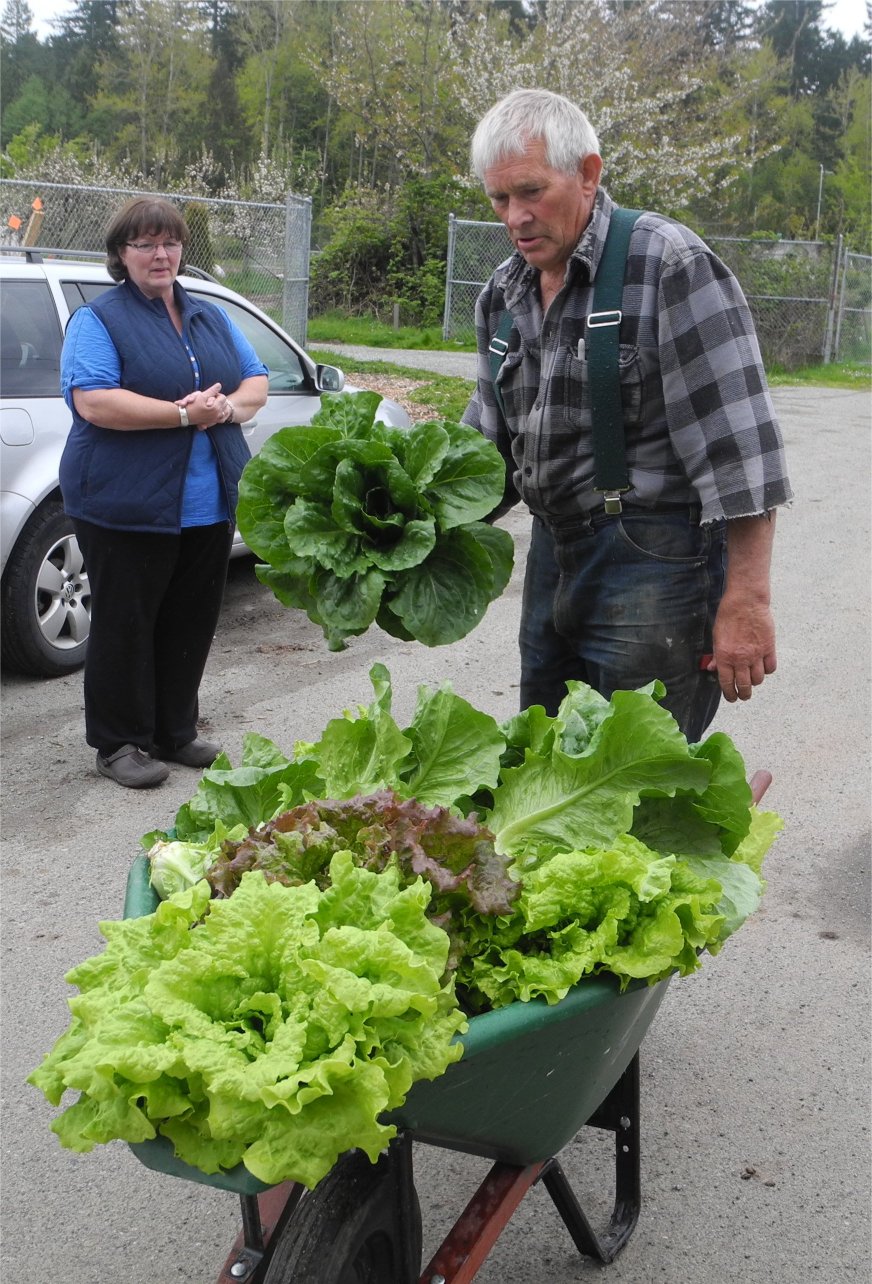
All is well at Haliburton Farm, although cold, wet weather makes for slow growing. Unless you are a lettuce in Farmer Ray’s greenhouse of course:

One hates to think what size they’d be if he ever started using artificial fertilizer…
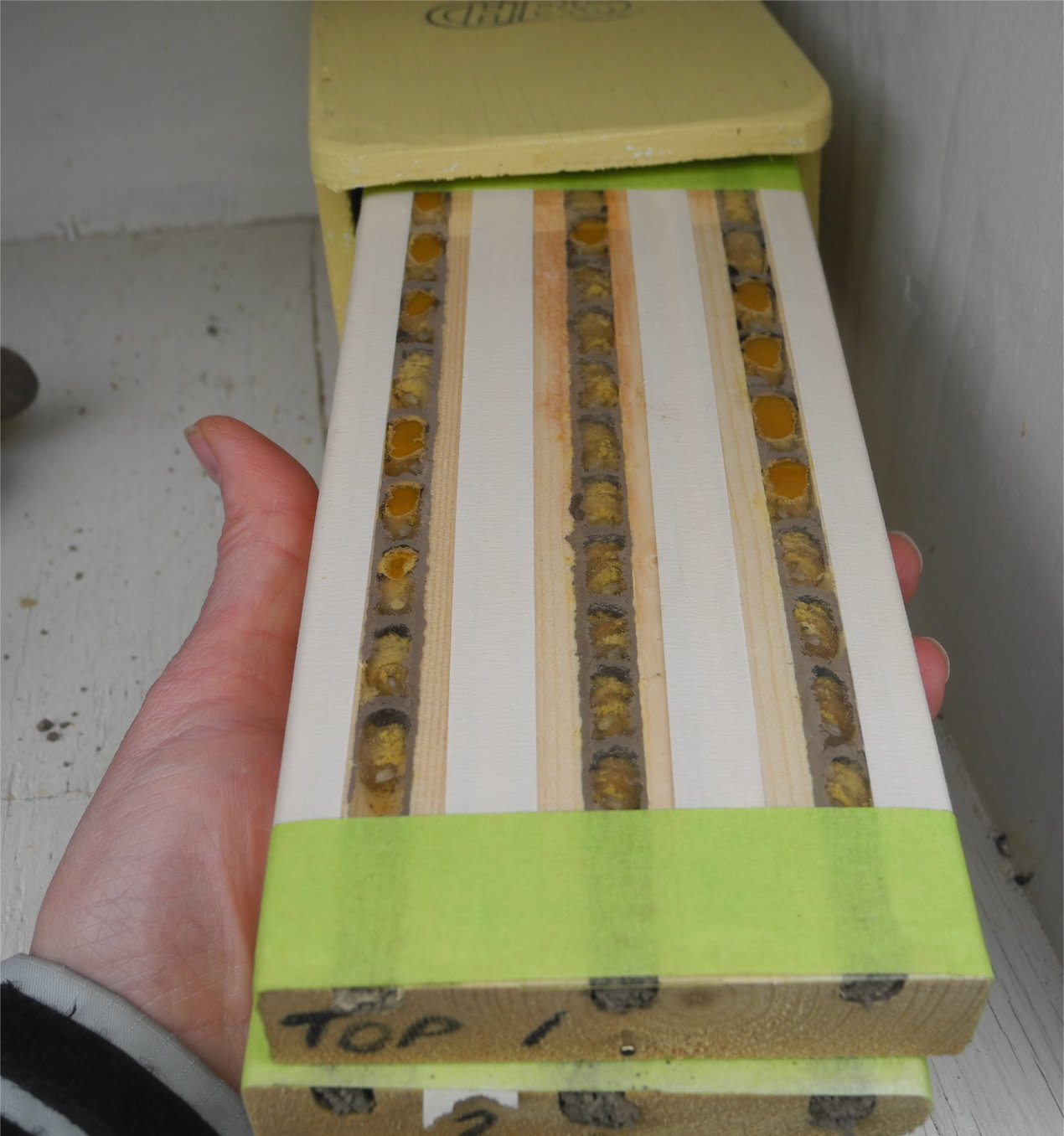
Gord Hutchings‘ bee barn is humming with blue orchard mason bees, who are laying eggs while the sun shines. Which is about one day in ten at the moment.

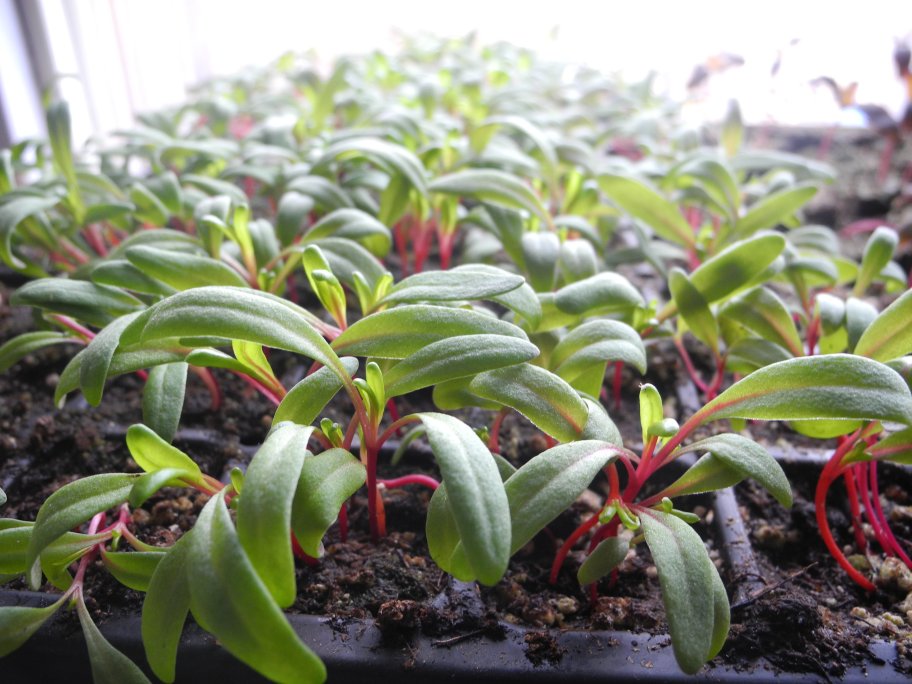
Lovely greens.. that are not green.

New plantings this year include kiwi, just starting to leaf. It should start fruiting next year, if it likes the climate on the farm.

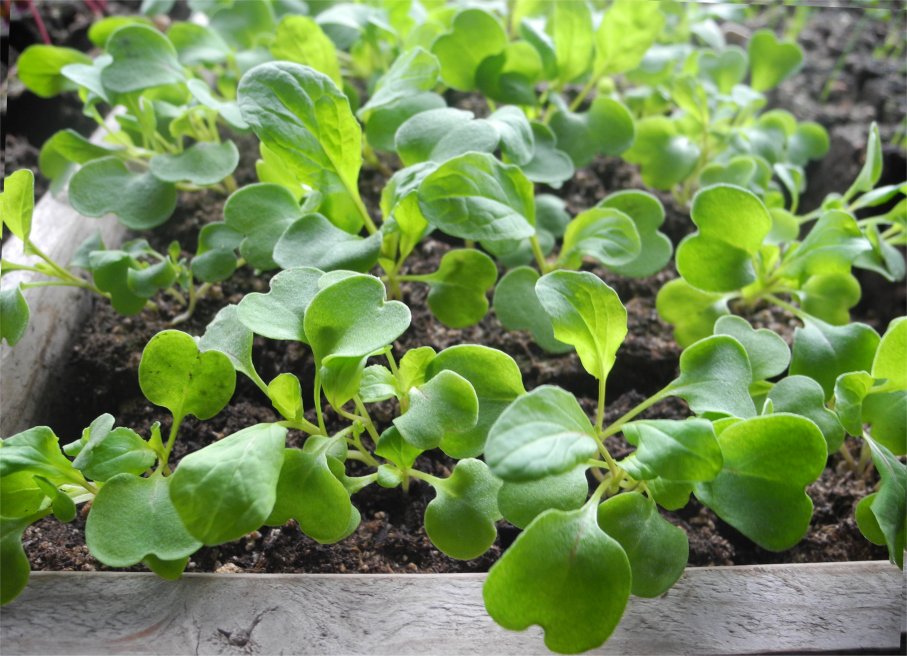
Seedlings loaded in the growing cupboard:

In the greenhouse, a lot of plant starts, some of them for sale on the farm stand and at the various markets and plant sales.

Greens and salads

are popular sellers at the moment. All harvested

and washed and packed by hand, of course.

Cold frames

and row covers

and greenhouses large and small are getting a good workout until it warms up:

March work party at Haliburton

Things are well at Haliburton Farm where I joined the Saturday work party. Seedlings are thriving and will soon be on sale or in the ground.

Having learned, I suspect, the lessons of the fall of Sumerian civilisation (brought about by soil salination caused by poor drainage in an area of rapid evaporation) the farmers are putting lots of drainage in the fields this year.

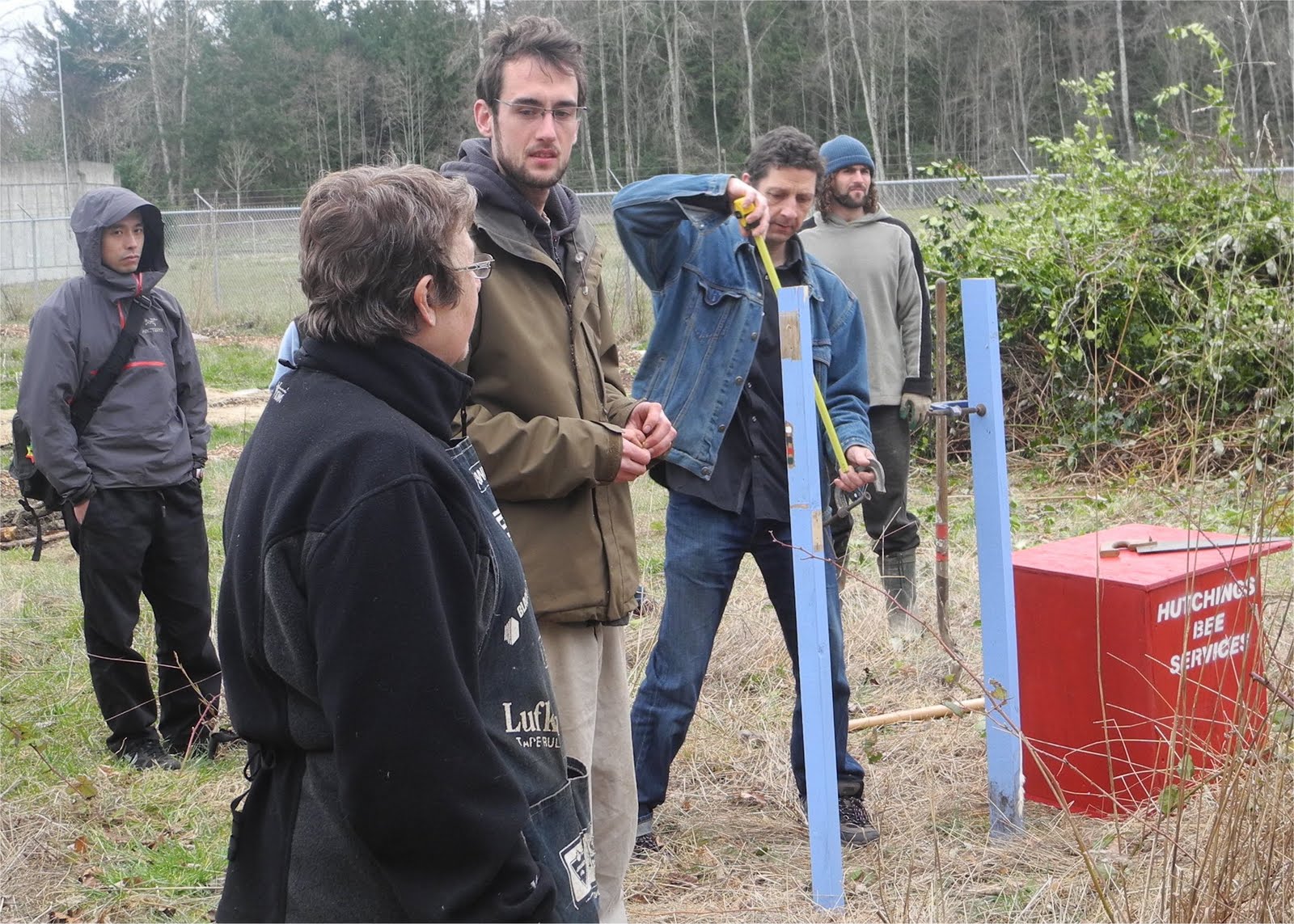
Gord Hutchings was there for a few hours, offering a native pollinator workshop, and installed a mason bee barn on the property to provide housing for lots of orchard mason bees.

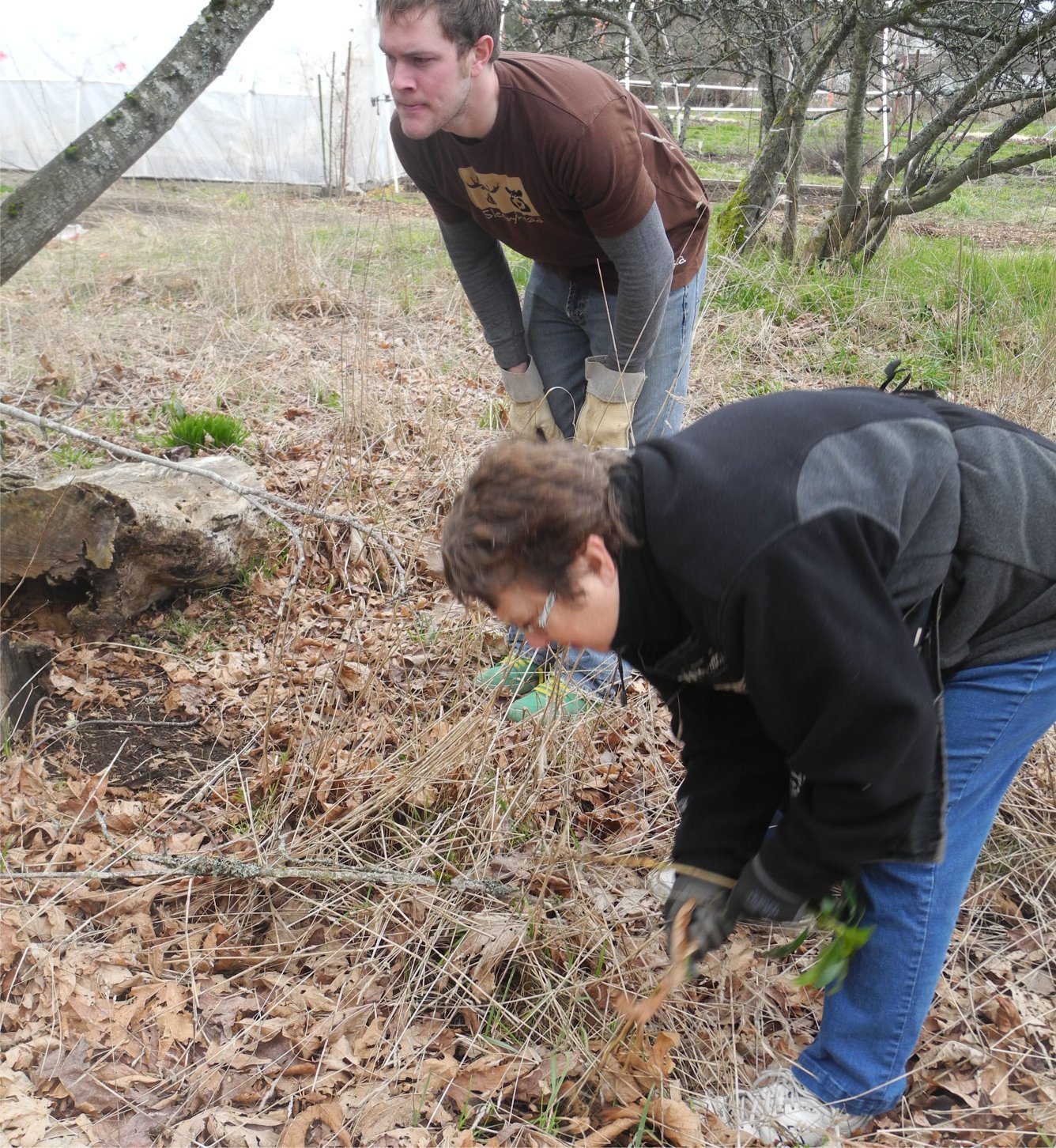
Meanwhile we went in search of invasive species to pull

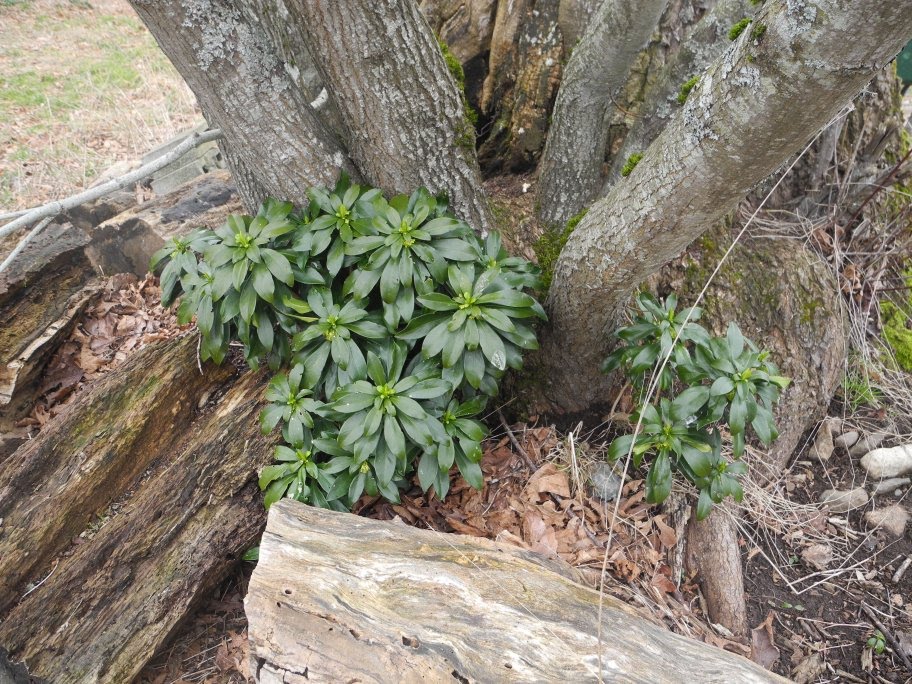
and found lots of Daphne (spurge) laurel, the scourge of Victoria (alongside the scourges of Himalayan blackberry, broom, English ivy, morning glory/bindweed, holly, garlic mustard, and… a few others).

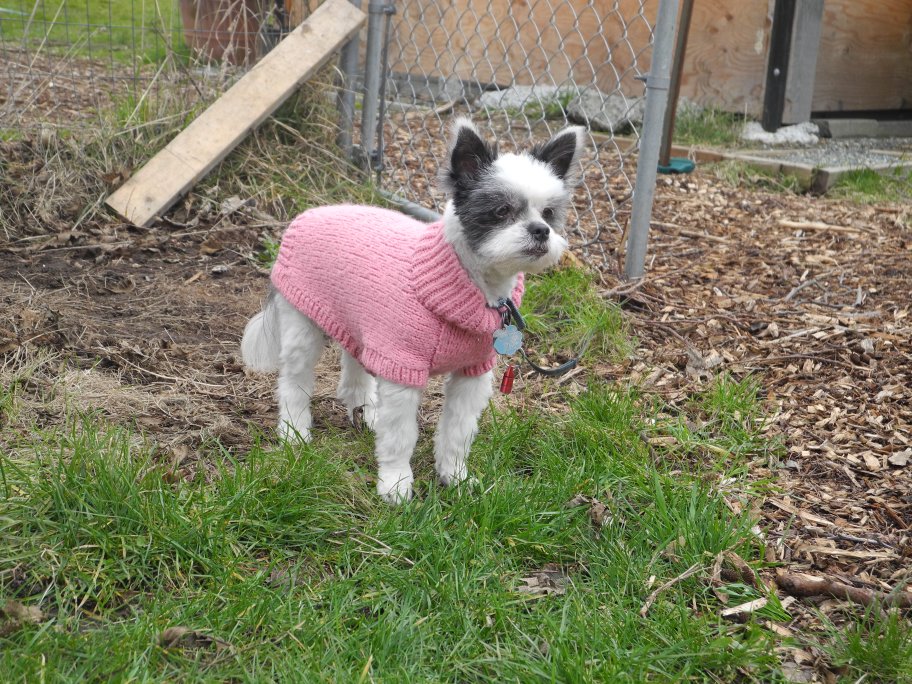
Discovered that the black sheep standing hopefully at the other side of the fence had a taste for ivy and blackberry leaves (not Daphne which is toxic) and took care of some of that for us. Patches kept watch, as a watchdog should: