ASLE 4: farmers market and Banerjee on global warming
 The Bloomington Farmers Market played
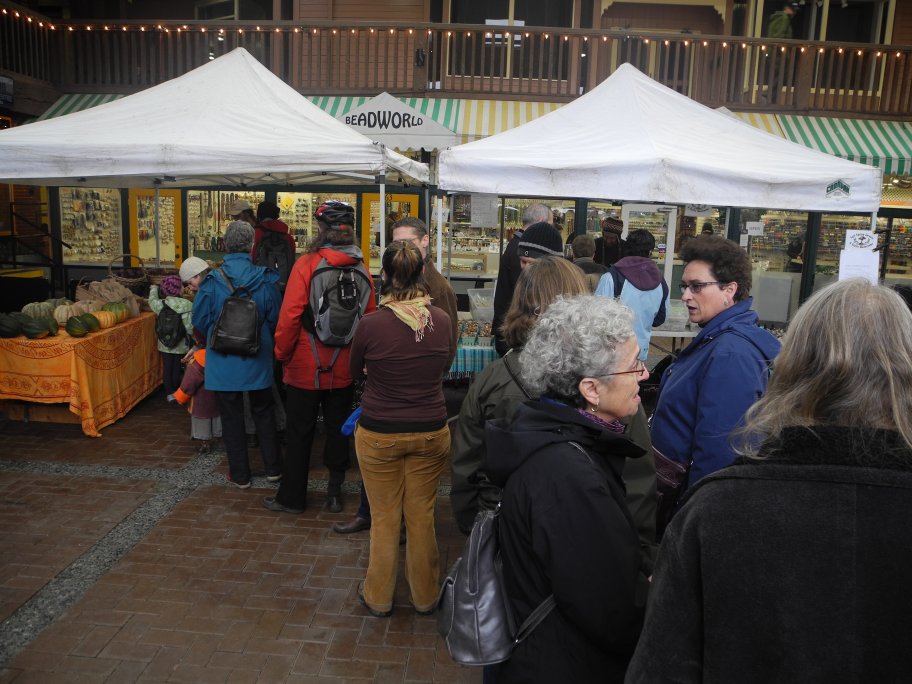
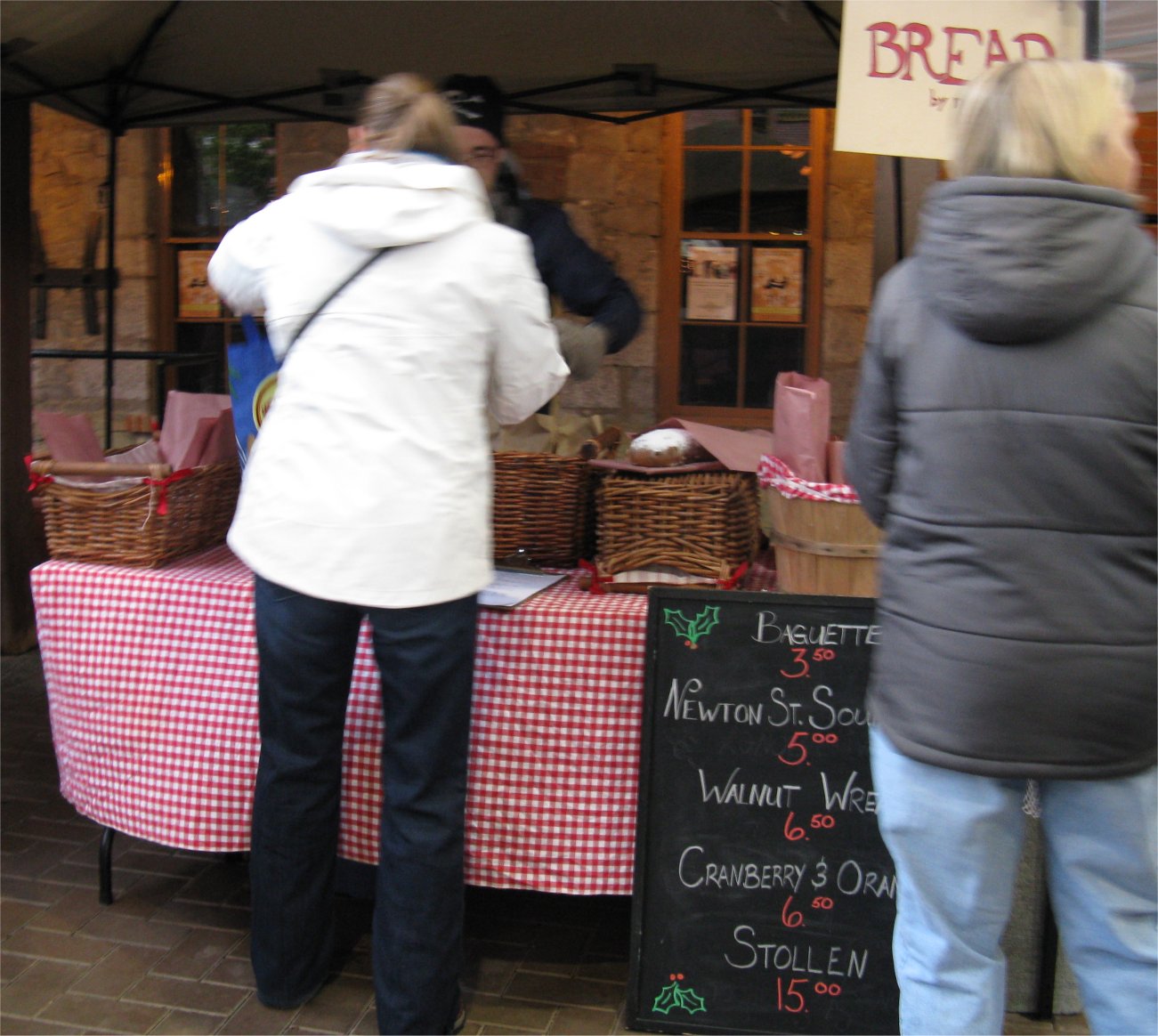
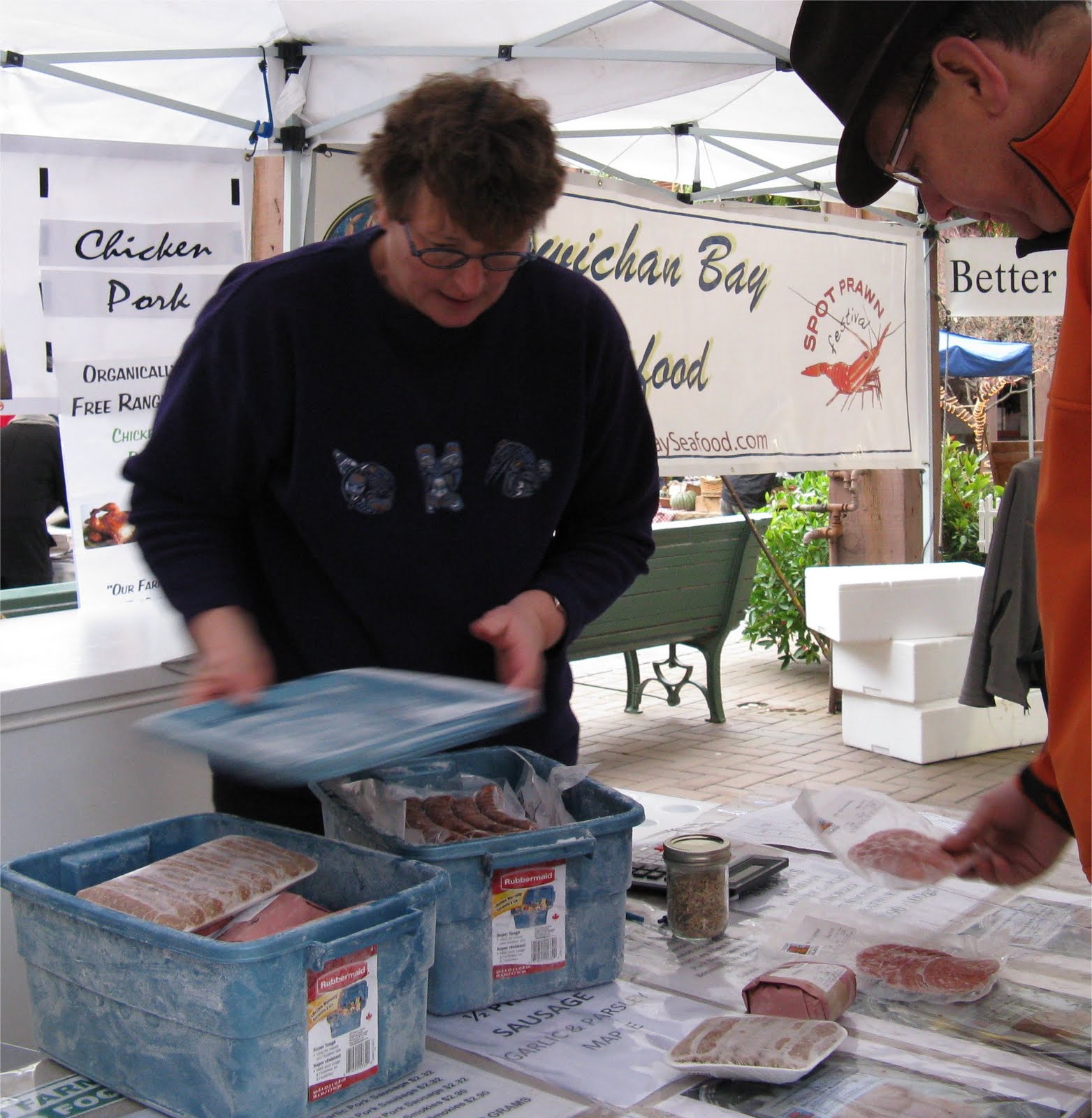
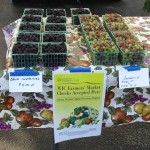 an unusual role in ASLE 2011. Not part of the official program, it was located near enough to the campus to lure a number of Saturday morning wanderers away from the last day’s sessions for an hour or two. By happy coincidence, I was one of those wanderers, having run into a like-minded traveller in the
 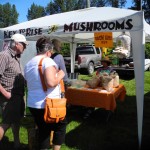 elevator.
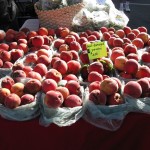 We learned later from the evening’s banquet speaker – an academic whose husband grows flowers and garlic to sell there – that it had been a fairly average day with some 75 vendors and about 8,000 visitors. The sun shone on our visit (but not too much) and we had a happy forage through the wares. Cheese there was, including the Wabash Cannonball, which I believe I’d noticed at Goose t
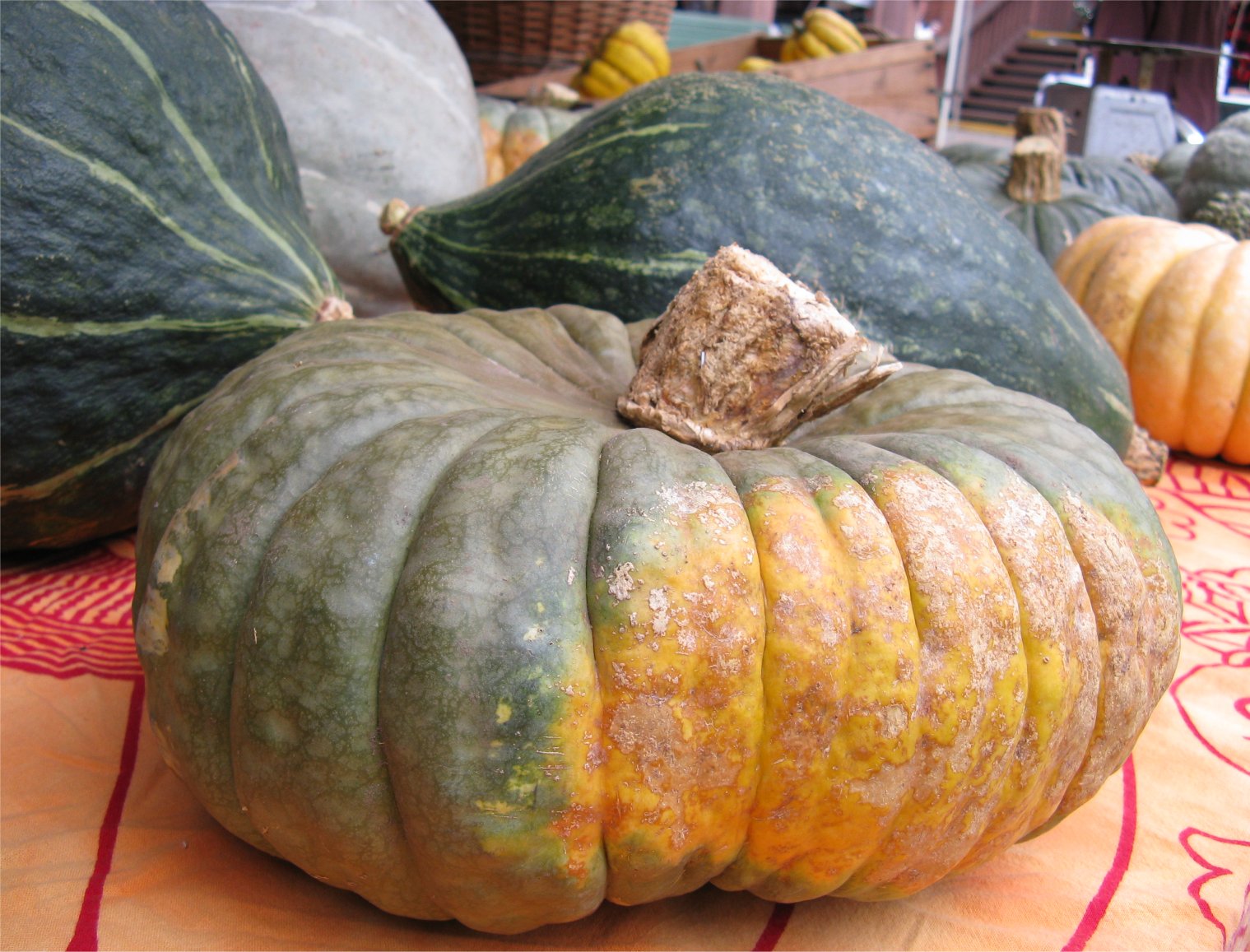
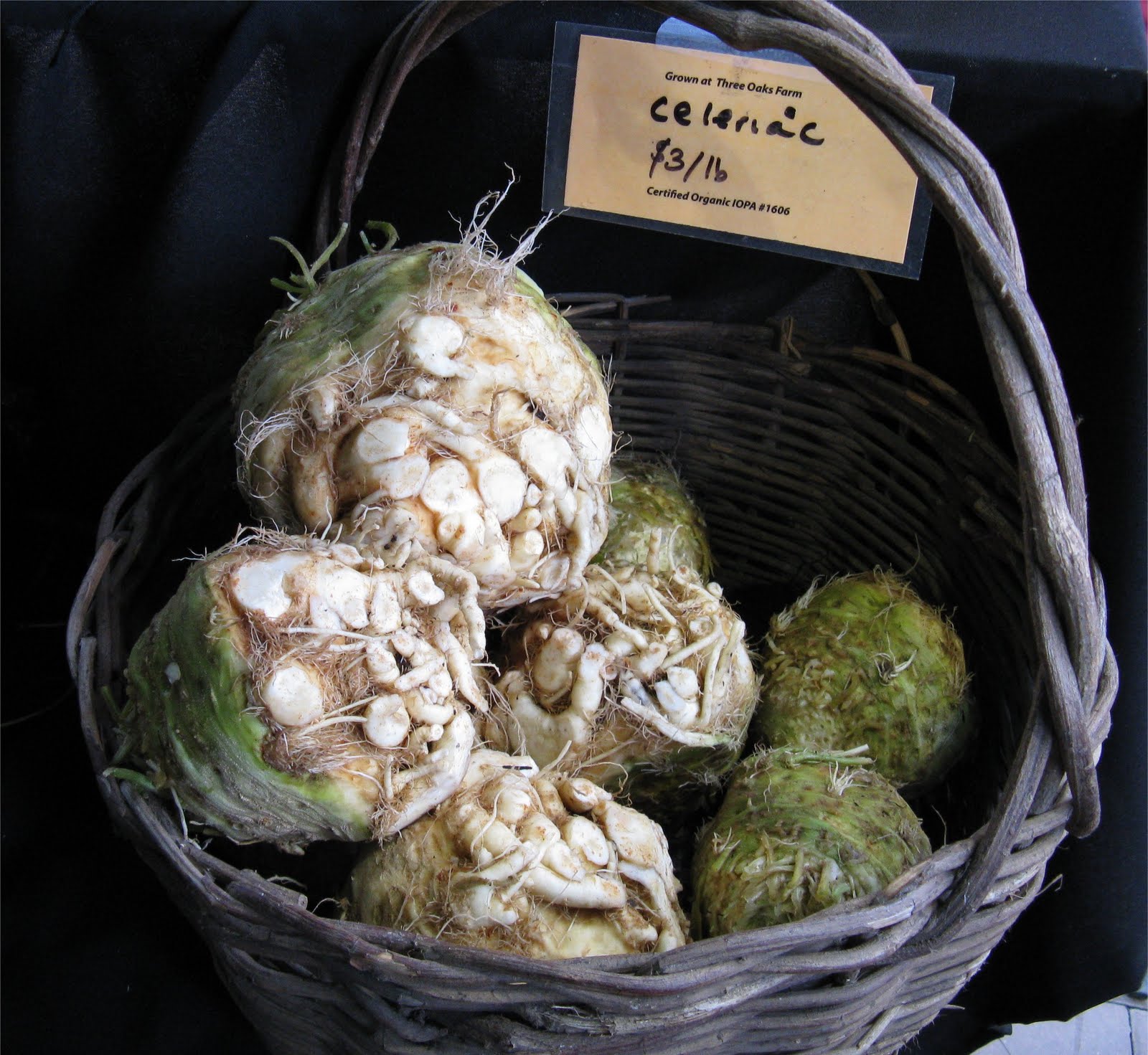
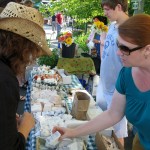 he Market earlier on my visit, but like so much on offer, I did not dare try to take home with me
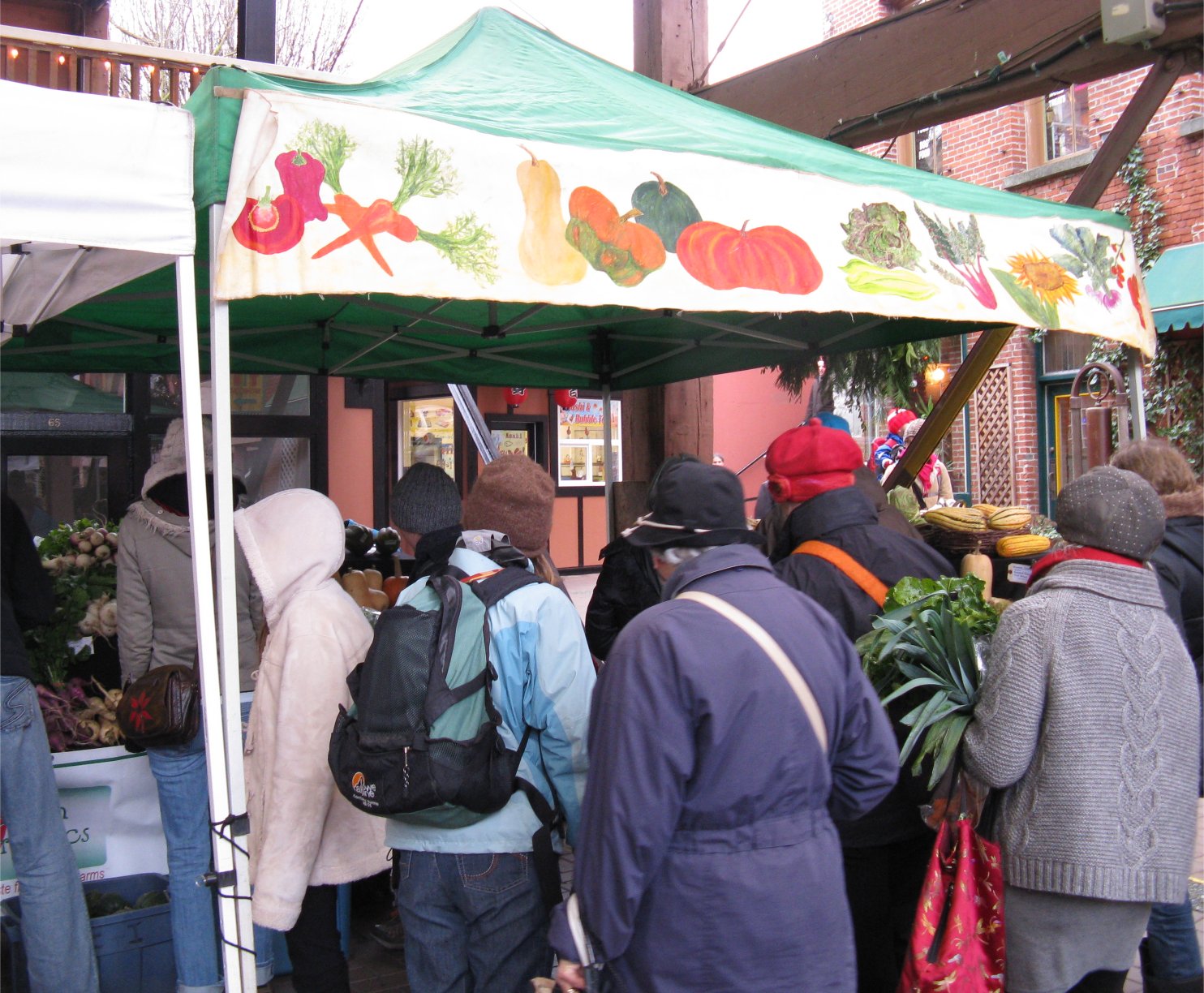
 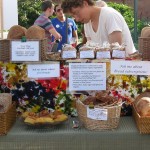 except in pictures. A bakery with a bread subscription program. Flowers, scapes, honey, maple syrup, lovely beets and salad greens. Some fine coffee sellers. And even a pipe
 (micro-) band from the local fire department, there to see off a team of local youngsters on a cycling tour to New England and New York. And some Jazzercizers (not the first I saw on this trip, in fact, as a much
  smaller group had been toiling away outside the market in in Indianapolis while we lolled about indoors tasting beer).
We returned with our spoils and hot-footed it over to hear the day’s plenary speaker, environmentalist photographer-writer Subhankar Banerjee, who walked us through some of the issues he’s been documenting. The Arctic, with its burden of interlocking catastrophes, was one. It was evident from Banerjee’s photos (some of which have had enough impact to be banned) that global warming is very real in the melting north, and is making wildlife migration and the subsistence hunting/fishing lives of aboriginal northerners precarious; it seems certain the impact of development and energy exploration will destroy this way of life.
His talk about the lives of his images and the verbal/visual battle he’s had with Shell Oil on his Huffington Post column was fascinating. His 2001 polar bear image has had, he thinks, some 40,000 reproductions, becoming one of the most well-known visual arguments against Arctic oil exploration; but Obama’s government was prepared to let it happen, until the Gulf of Mexico spill called a temporary halt to the plan. His Climatestorytellers.org website offers a forum for these and other stories of our times.
Banerjee lives in New Mexico and next showed us some images he’s been working on with desert flora, the cholla cactus in particular, in a series called Where I Live I Hope to Know. He’s trying to understand his surroundings by focusing on what’s unremarkable in his everyday landscape. But most interesting to me was his mention of the devastation of the piñon–juniper woodland. The piñon, New Mexico’s state tree, which gives us pine nuts, is (to put it mildly) a slow-growing tree; it reaches reproductive maturity at about 300 years, and can live as long as 1000 years. He says that about 90% of the mature piñons died between 2001-2005, because of development, erosion, fire and – where my ears pricked up – because of bark beetle infestation. Like the mountain pine beetle in BC (and elsewhere), global warming has meant that the beetle can survive the increasingly mild winters.
In the question and answer that followed, Banerjee remarked that in terms of fossil fuels, we have exhausted “easy energy” sources; hereafter we’re calling on “extreme energy” where any extraction is dangerous and involves a magnitude of devastation, and being caught up doing or responding to that simply delays the debate on how to solve climate change. Our appetite for energy, he observed, from three countries alone – China, India and the US – has the ability to destroy the planet through extraction and consumption.