Skip to content

The Intervale: vegetables in Vermont

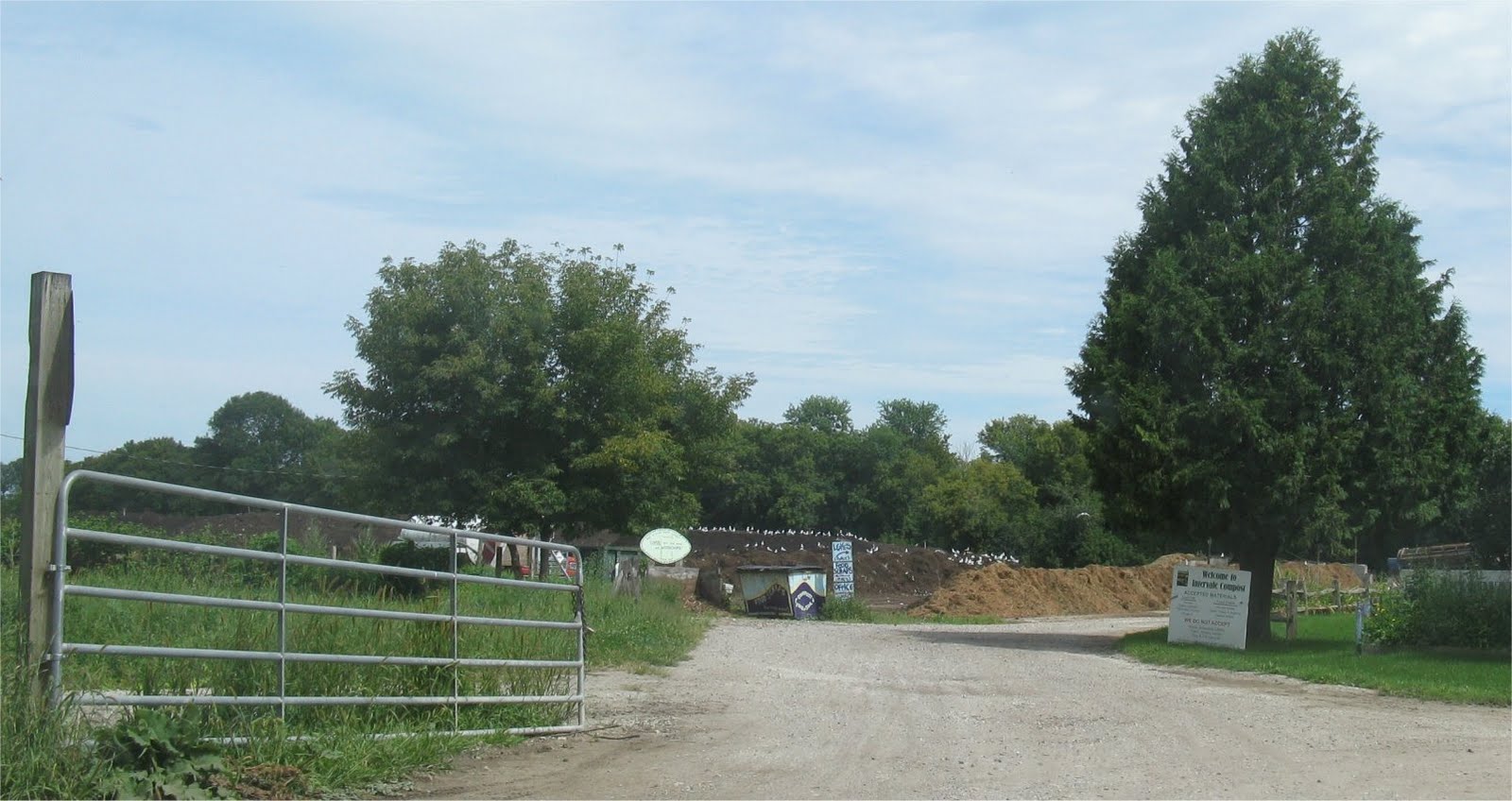
Just outside Burlington, Vermont lies 350 acres of fertile flood plain along the Winooski River, which has been preserved for sustainable farming since 1986 when the owner of a local garden supply company decided to turn a polluted, dangerous wasteland back into an agricultural area capable of feeding its community. The Intervale Center is a collection of organic farms, trails, wildlife corridors and projects administered by a nonprofit society. In 2007 the farmers of the Intervale grew an inspiring total of one million pounds of food on this land. Its farsighted compost project has been going since 1987 and now turns 30,000 pounds of kitchen and yard waste into commercial compost products for home gardeners.

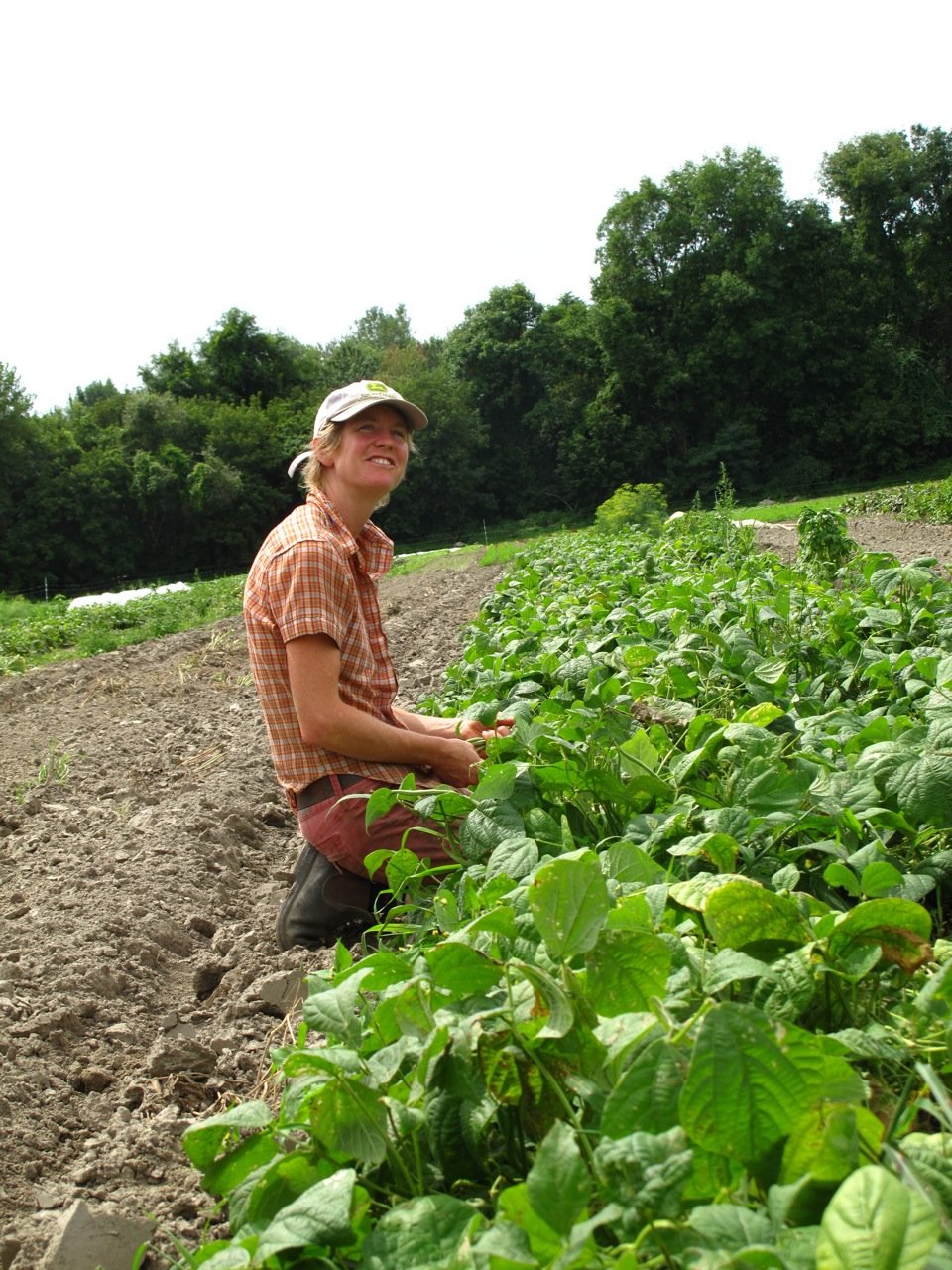
We visited Diggers Mirth, a farming collective of 5 farmers working 15 acres. It’s been going for 18 years and has a solid base of buyers from local restaurants and also sells at Burlington’s biweekly farmers markets. Farmer Hilary Martin

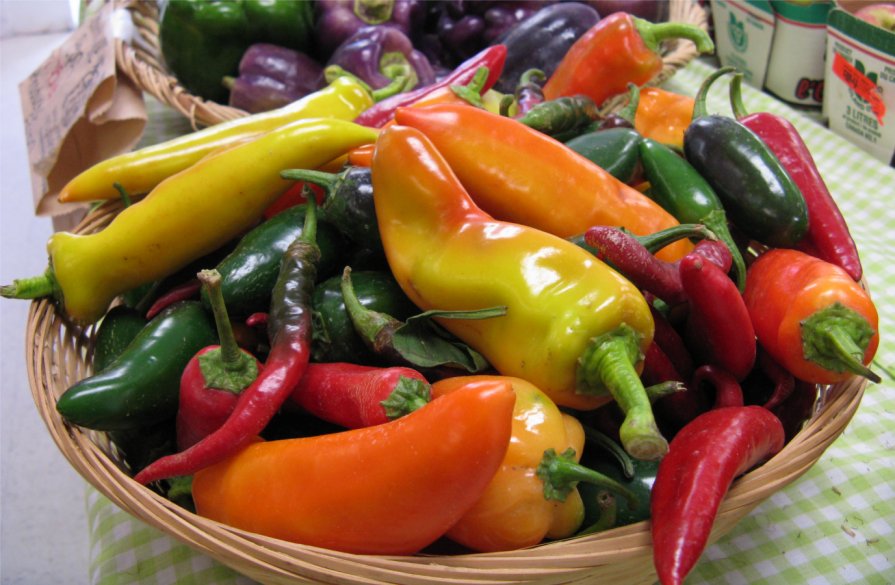
showed us around; here she’s in the pepper patch where landscape fabric keeps the weeds down and the heat and moisture in the soil.

Known for its mesclun mix, and its carrots,

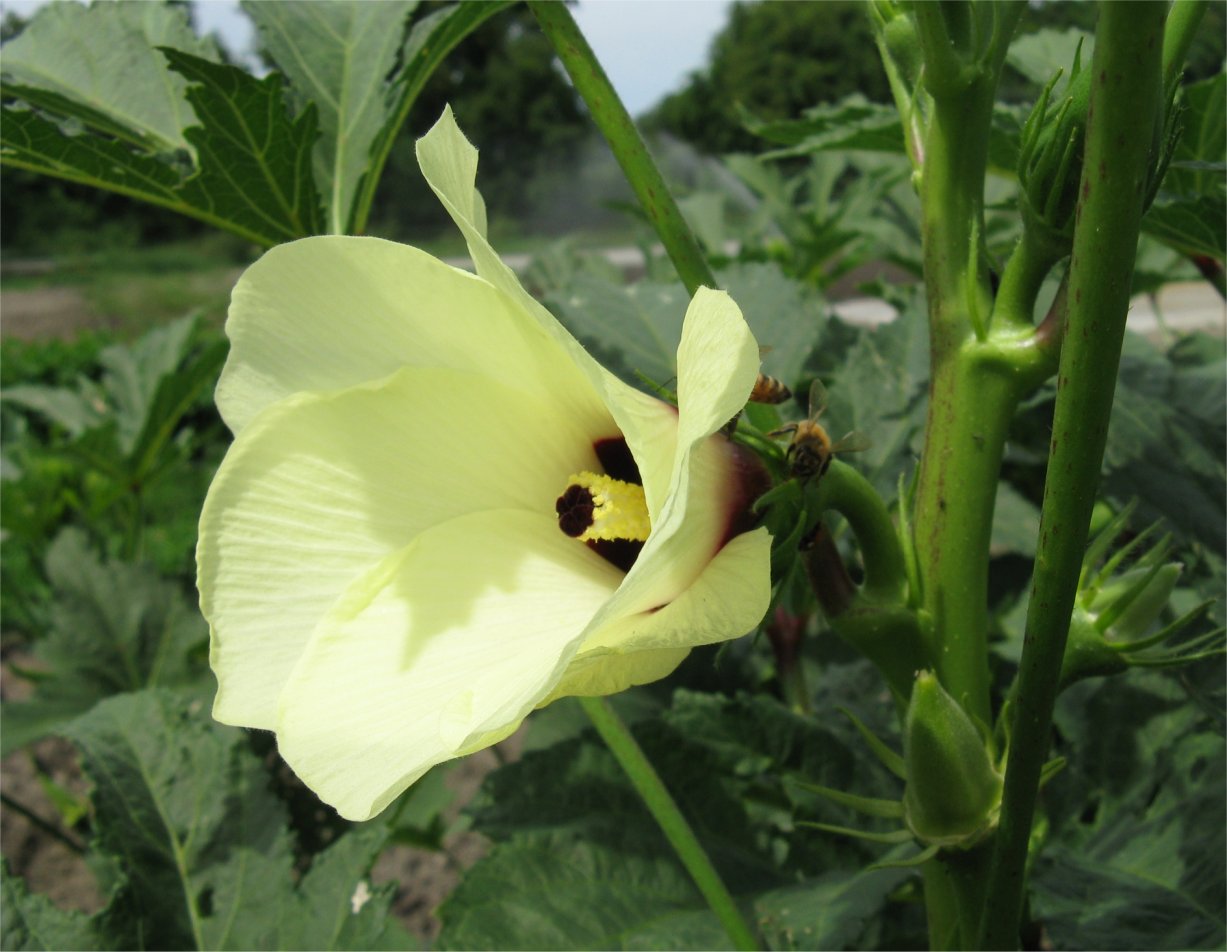
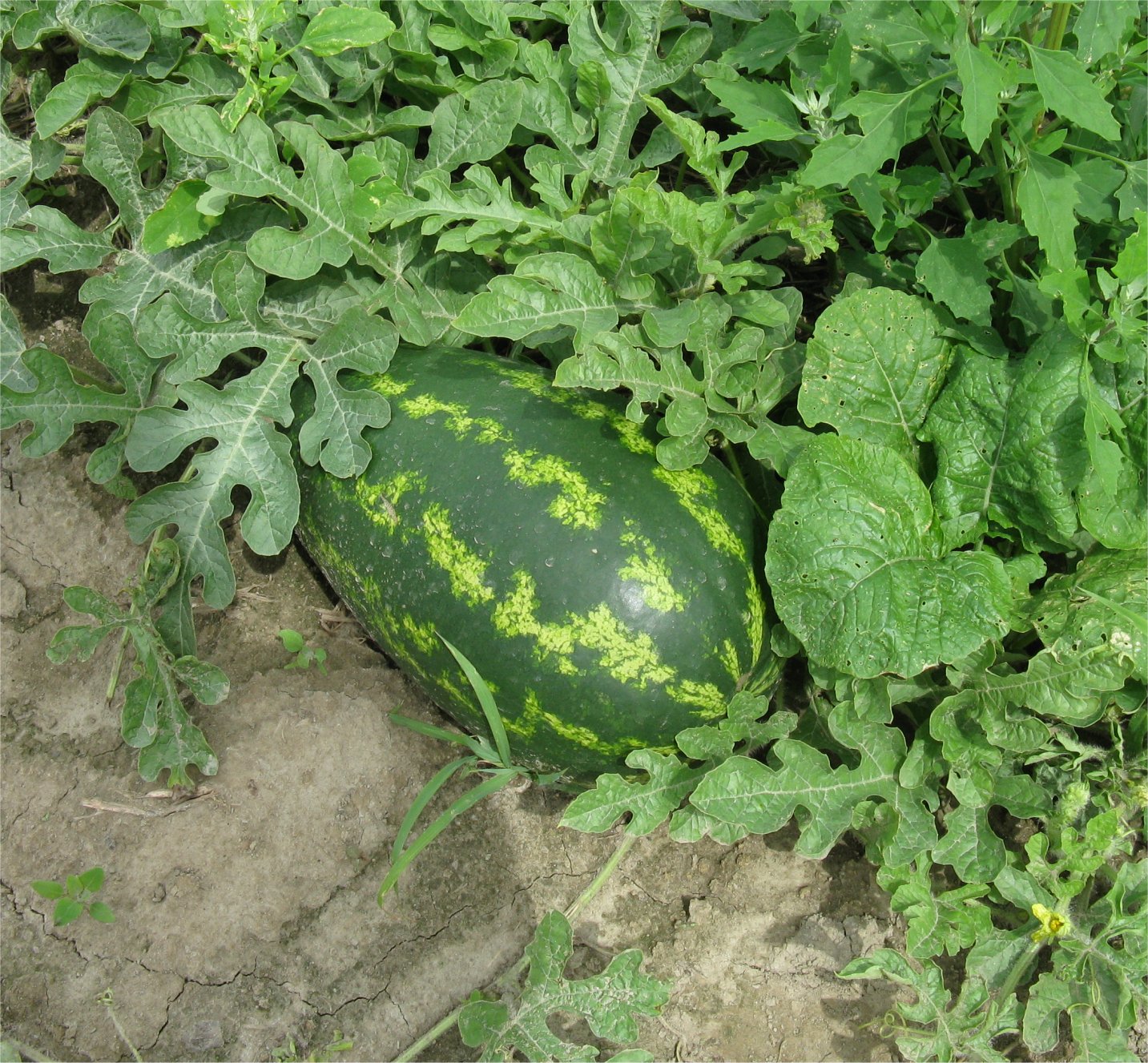
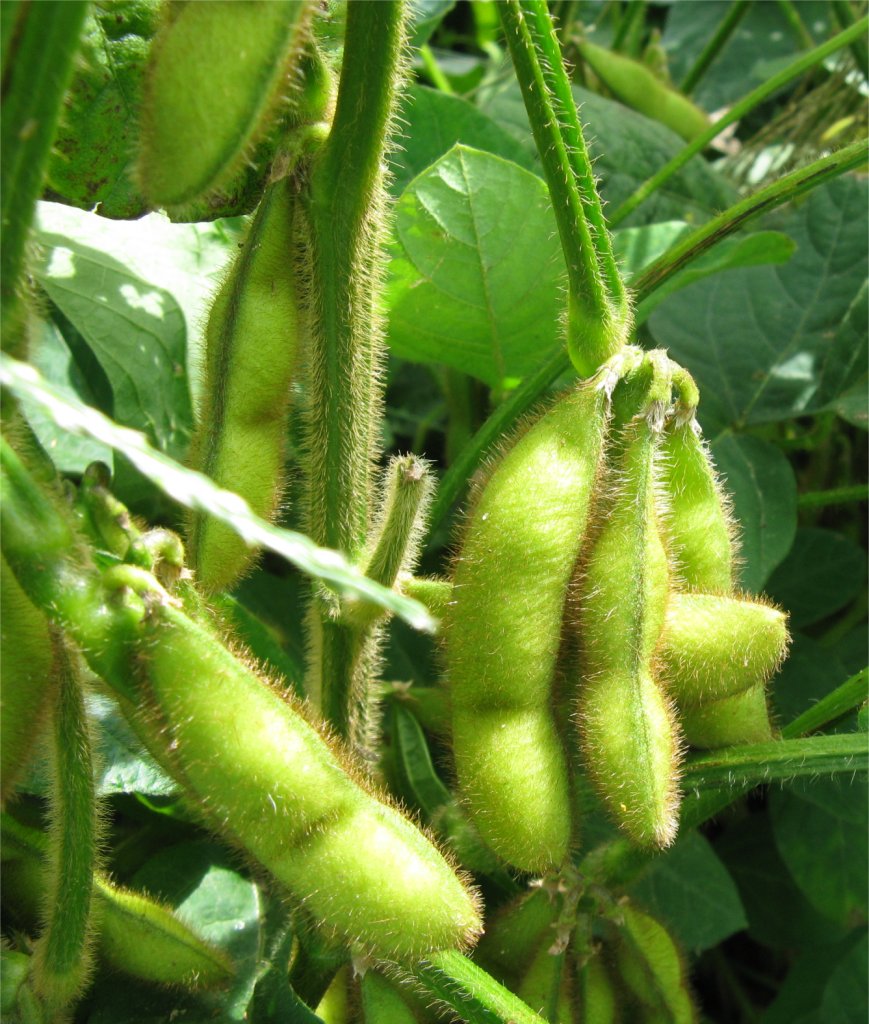
the farm also produces a variety of crops like okra, watermelon and soybeans,

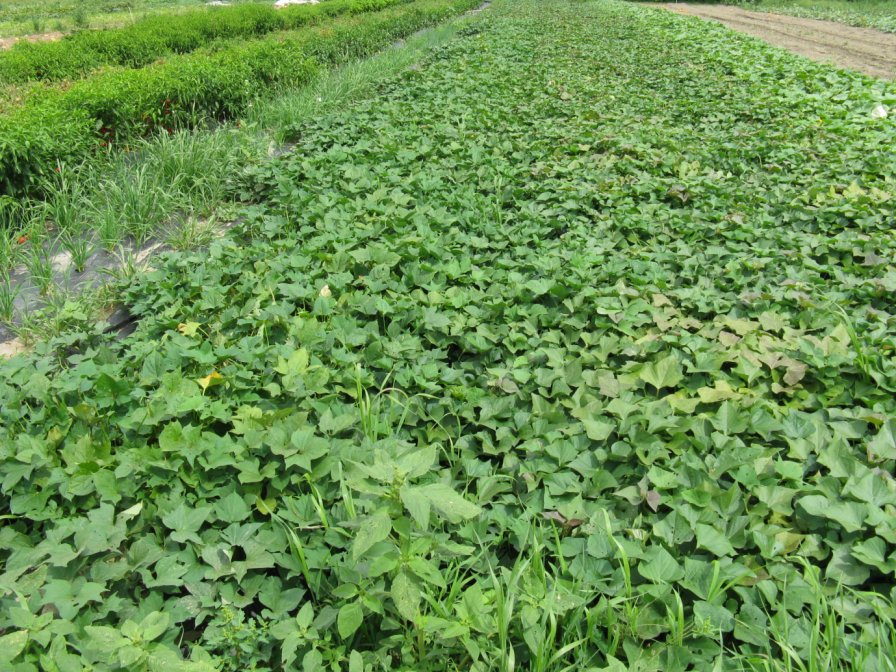
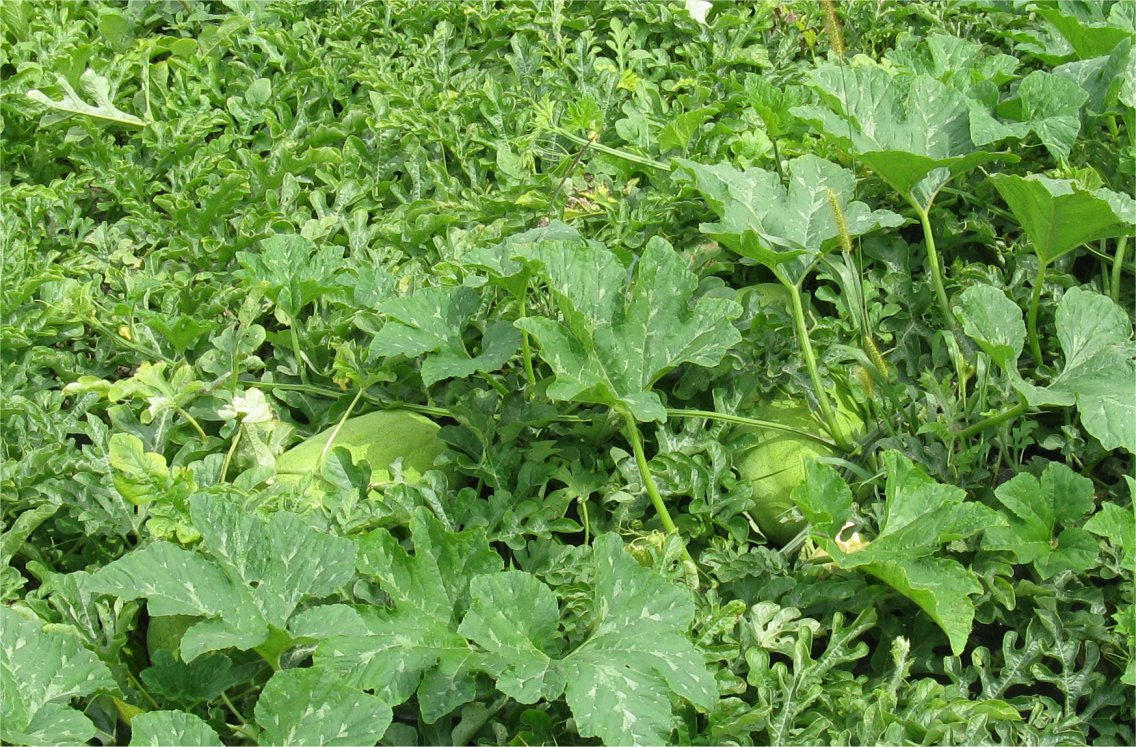
sweet potatoes and squash

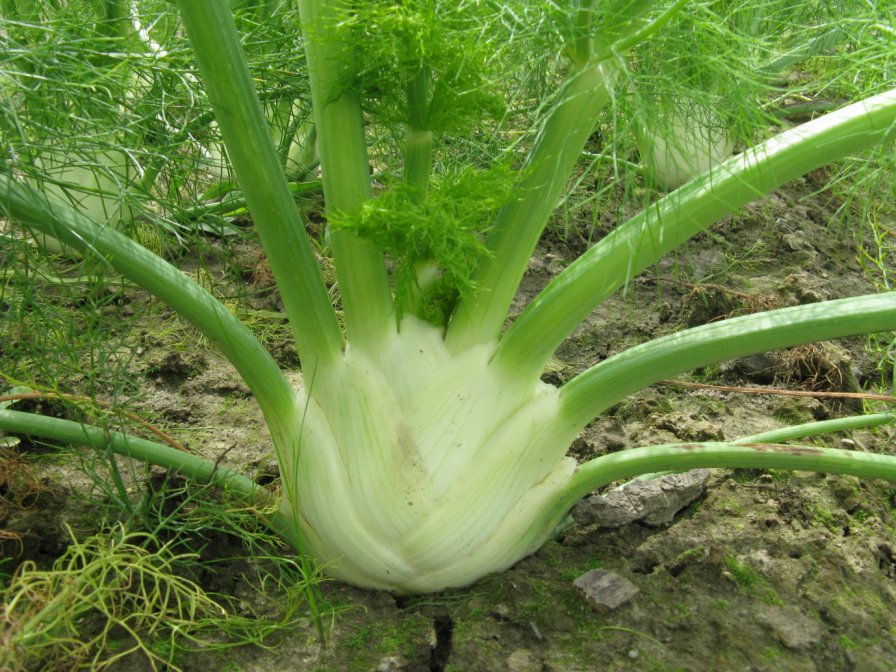
fennel and tomatoes.

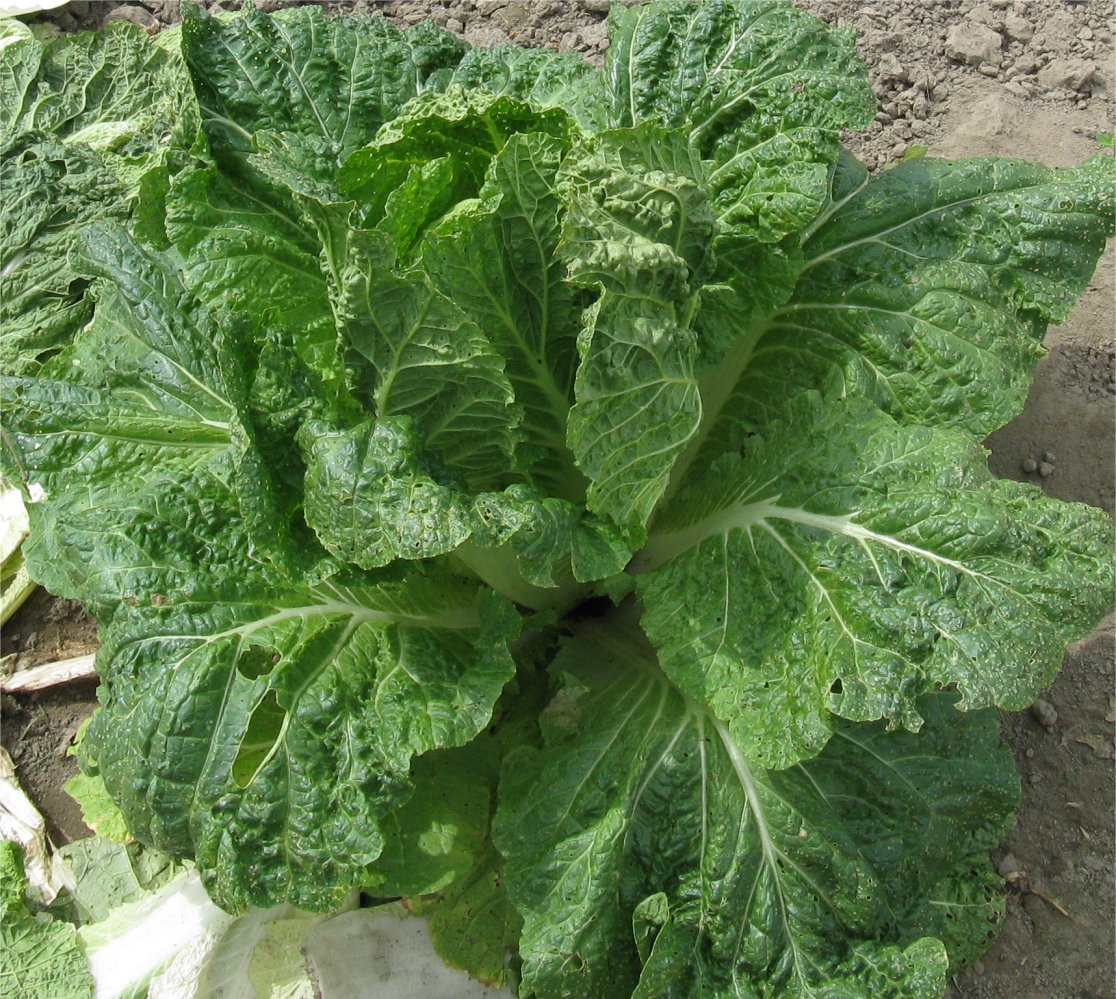
Pests include flea beetles, which can make lacework out of cabbage leaves

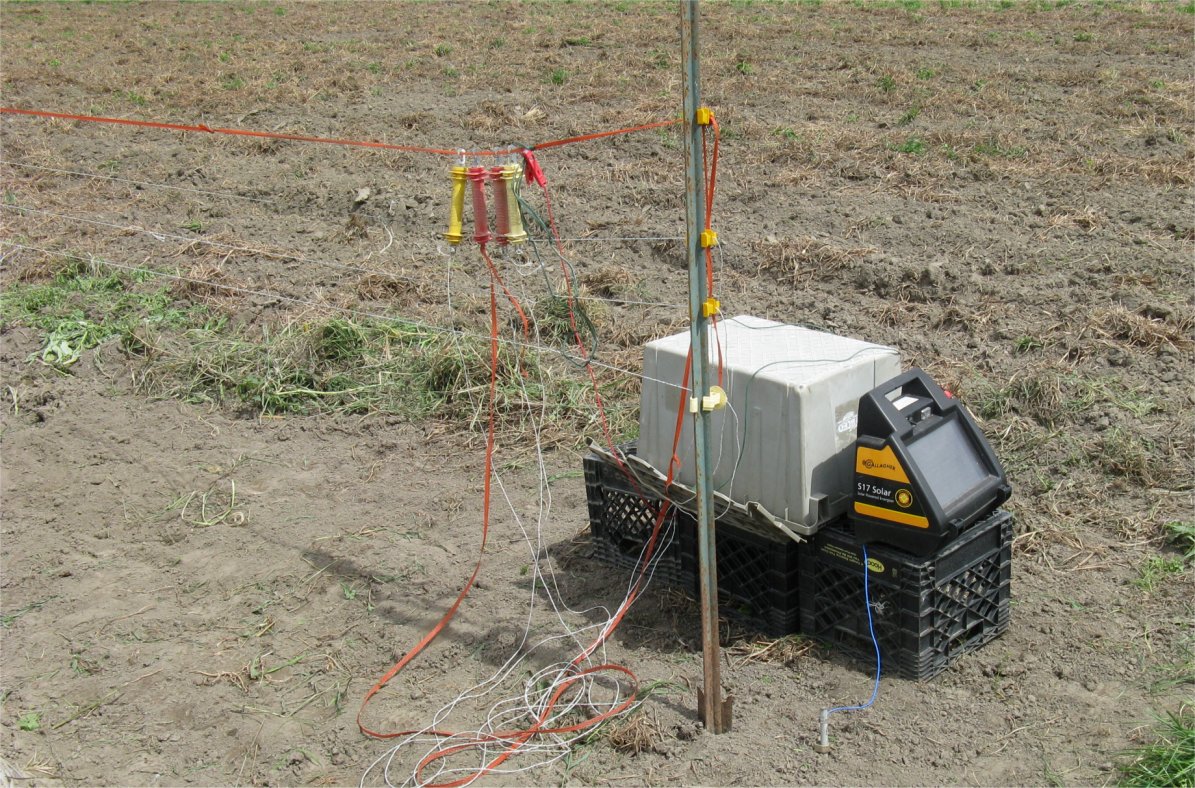
and deer. On Vancouver Island the answer to these is 8 foot deer fencing; here it is 3 foot high solar-powered electric fencing.

The whole of the Intervale uses only organic growing methods, and the ecosystem seems to be thriving as a result.

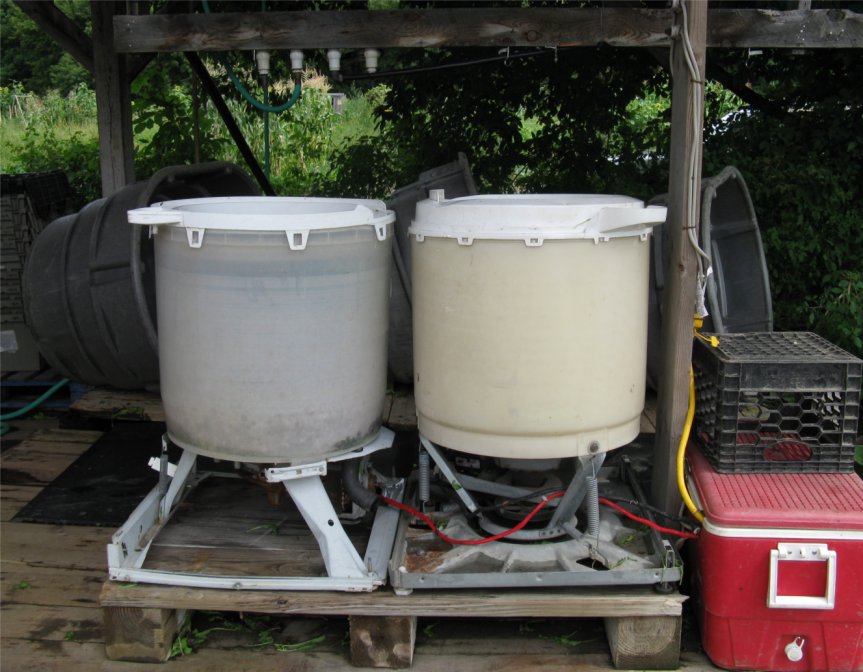
Like all organic farmers, the Diggers Mirth folk are resourceful with their equipment. I liked the washing station which uses repurposed washing machine innards.

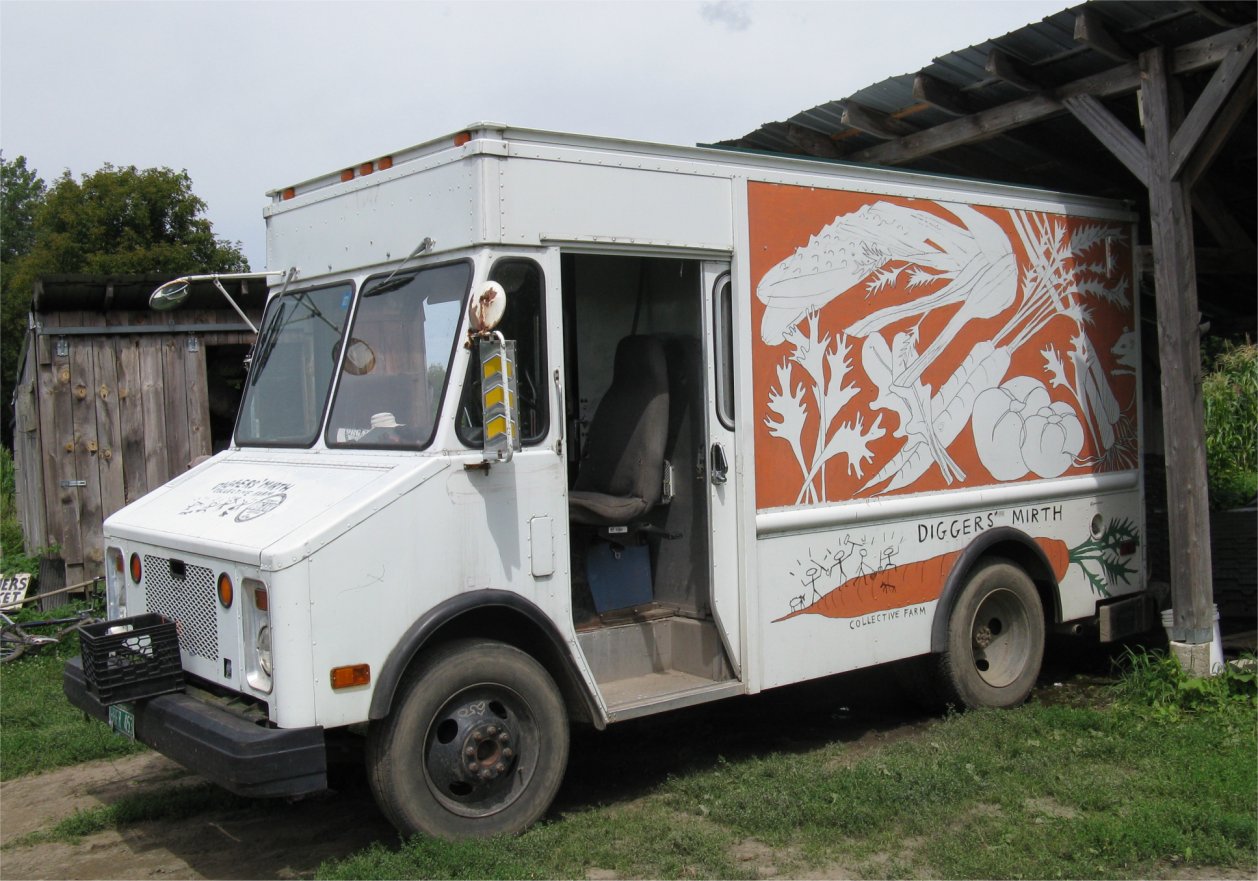
The Diggers Mirth delivery truck has lately taken to doubling as a veggie wagon, circulating through urban neighbourhoods like an ice cream van, blasting disco tunes and handing out free watermelon.

The farm dog finds his work occasionally exhausting.

Fresh-washed folk festival (& another market)

The Ottawa Folk Festival was smaller than others I’ve been to, with a lot of names and voices that were new to me. The highlight for me was the stomping performance by Hoots & Hellmouth, at the dance tent (what a great concept!); also liked Jim Bryson and The Weakerthans at the main stage. A sampling of others: cheeky vocalists from Quebec: Galant, tu perds ton temps

with unseen percussionist Jean-François Berthiaume, who pitched in on a number with Scottish trio-minus-one LAU

and the highly energetic Welsh guitarissimo Gareth Pearson

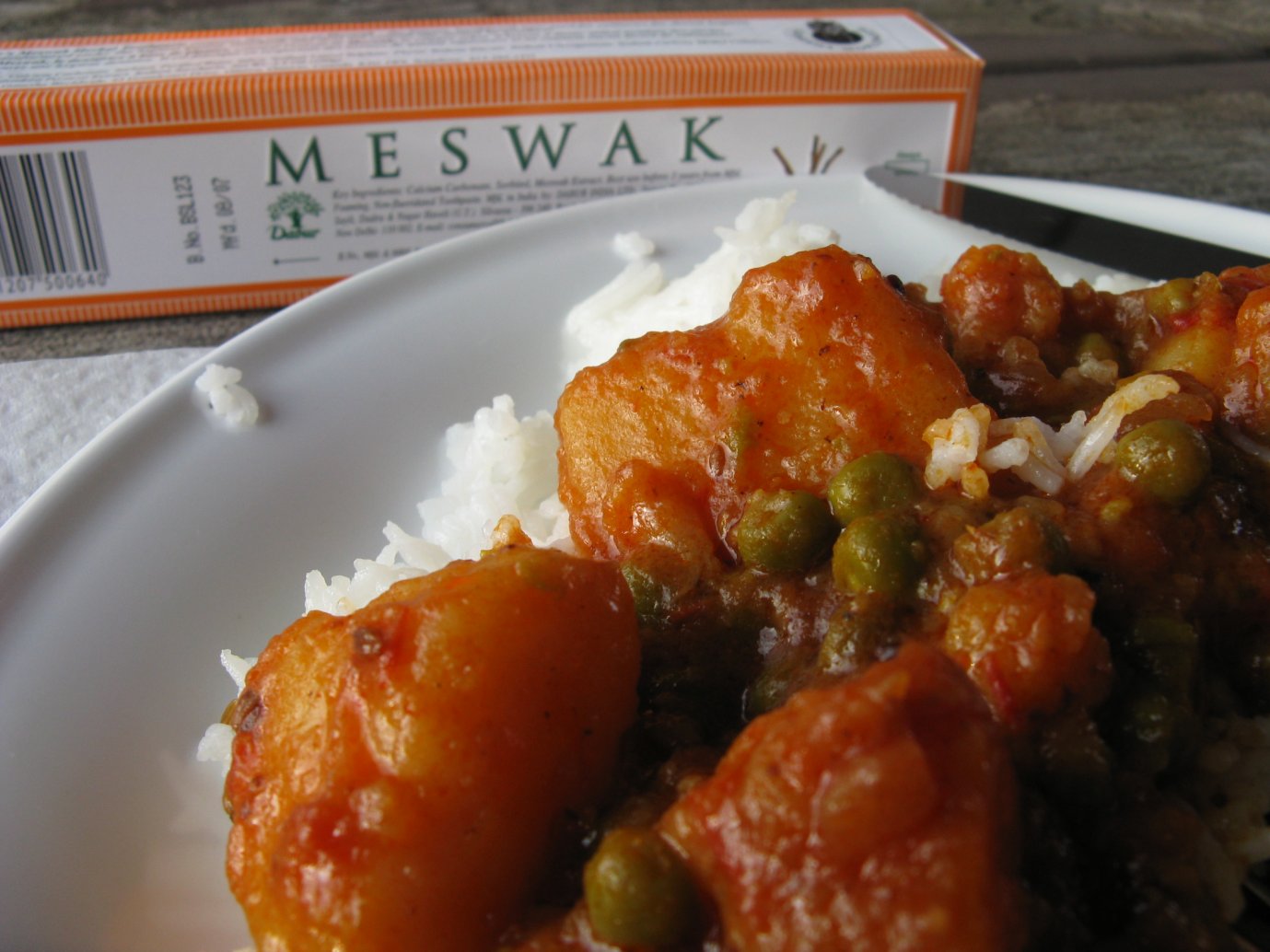
The food offerings were not great, an odd assortment that included two Thai and two curry joints. Naturally I opted for a veg curry at the one that was giving away a tube of toothpaste with each order.

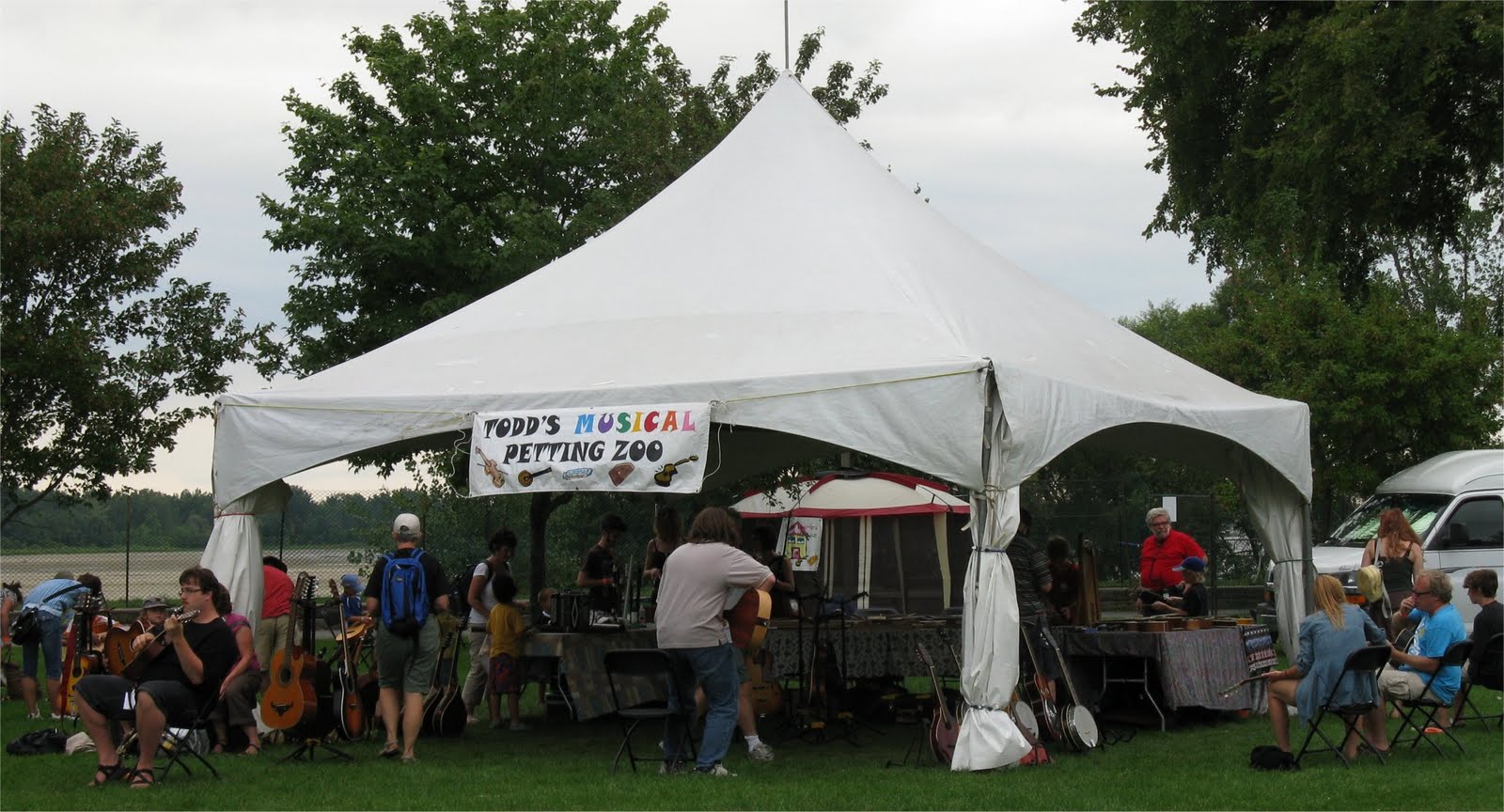
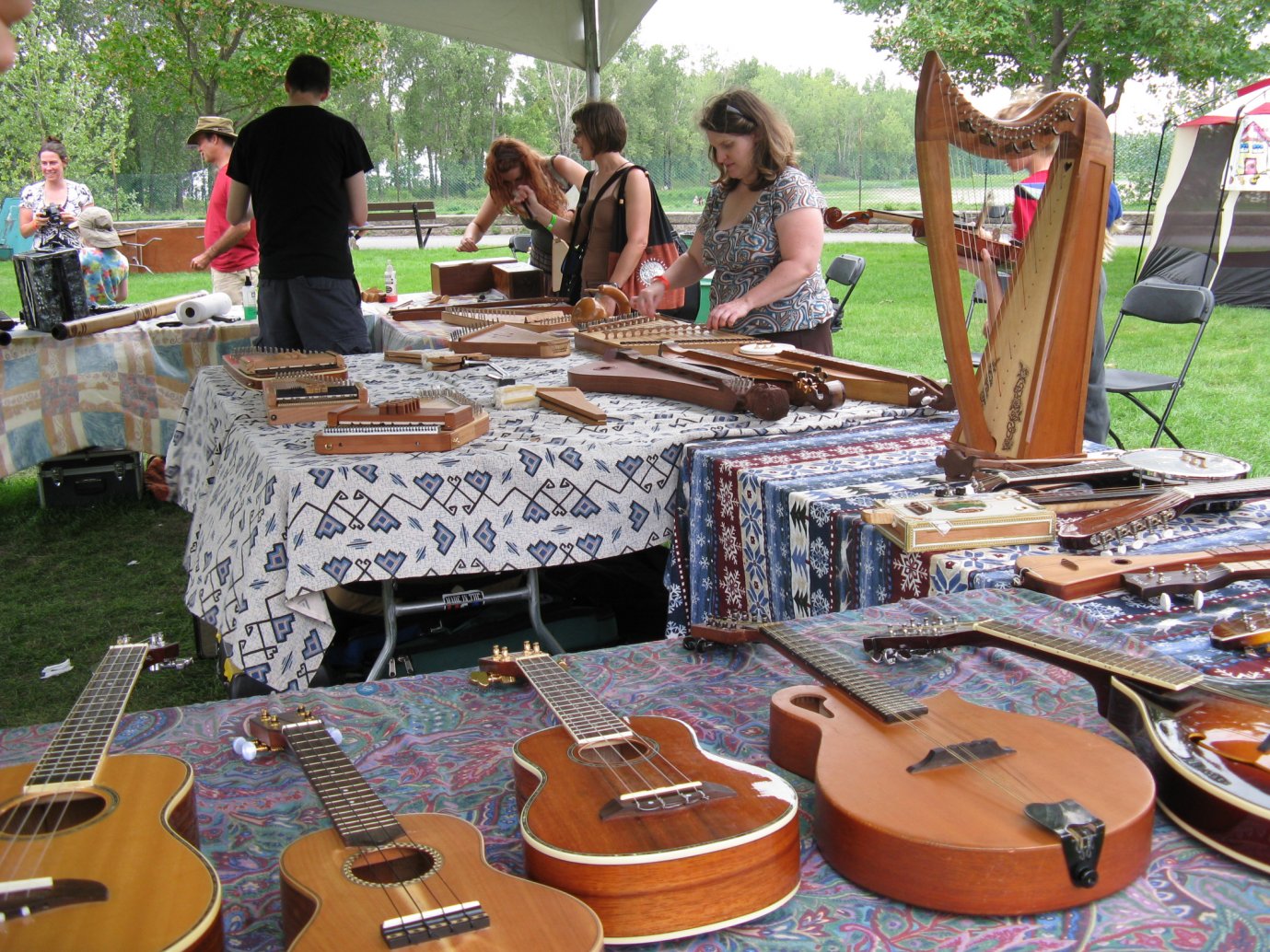
The festival offered a lot of practical fun for musicians, aspiring and otherwise, with plenty of jam sessions and workshops. The musical petting zoo let you try out all kinds of instruments, and get a little guidance on how to play them.

Sunday looked kind of like this from early morning:

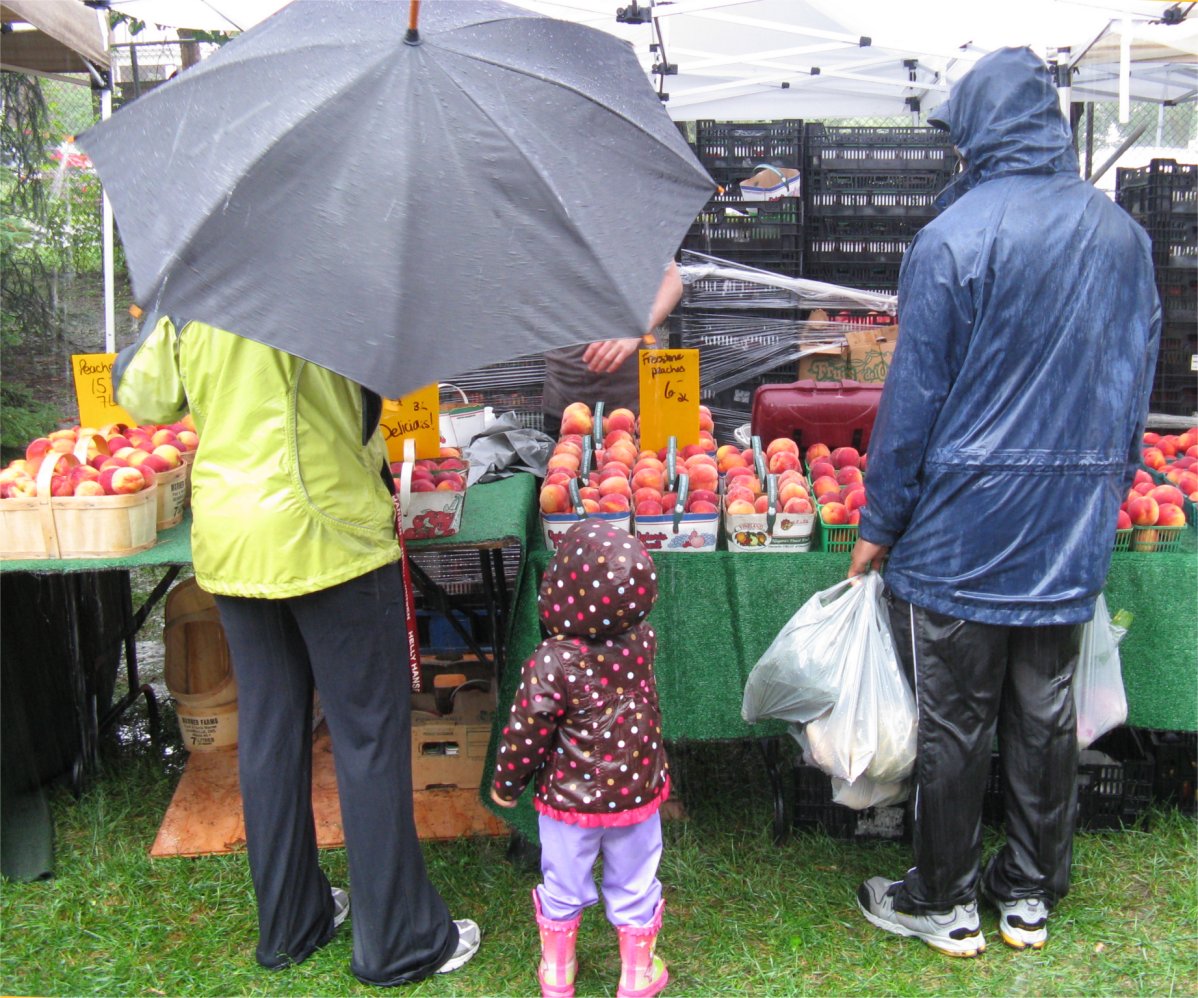
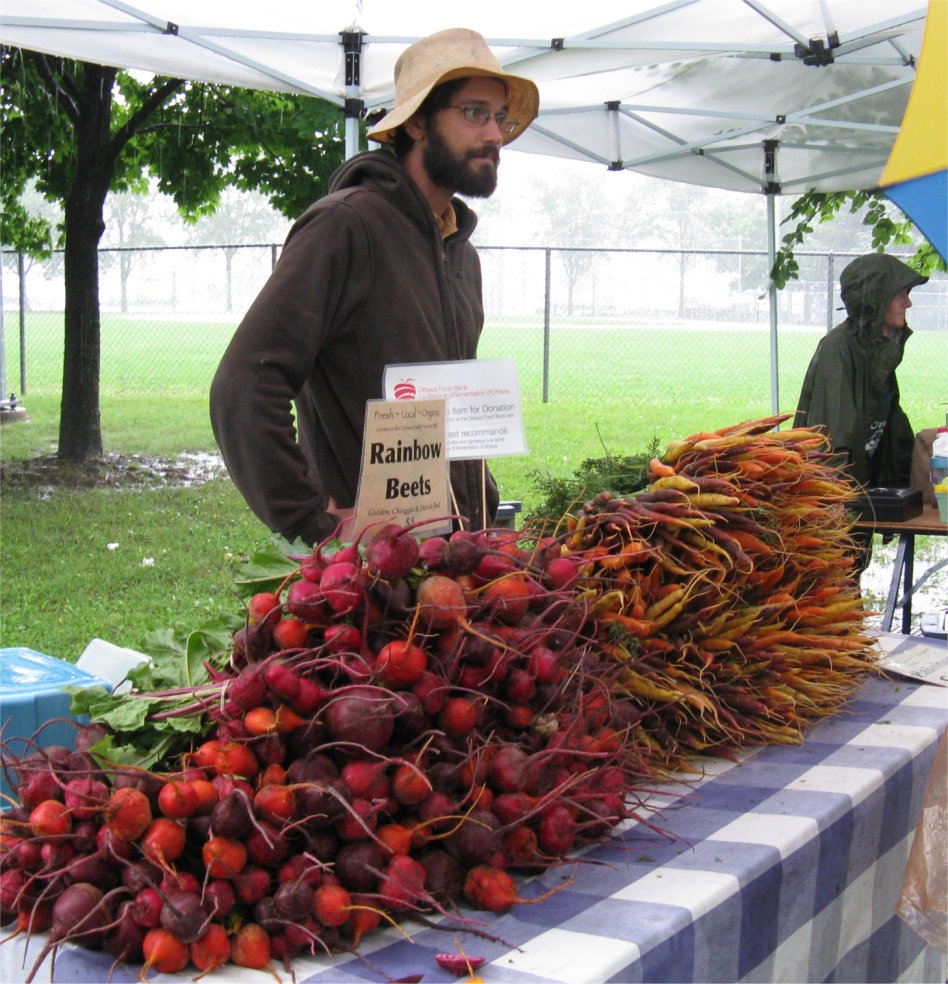
with severe thunderstorms in the forecast, so we skipped a last muddy day in the park. We did not let a little rain stop us checking out the Ottawa farmers’ market at Lansdowne Park, though, which was very wet indeed. My strongest sympathies were with the plucky baker from Art Is In Bakery, which has no shop front but sells through specialist retailers and markets.

The fruit and veg stalls got off a bit more lightly

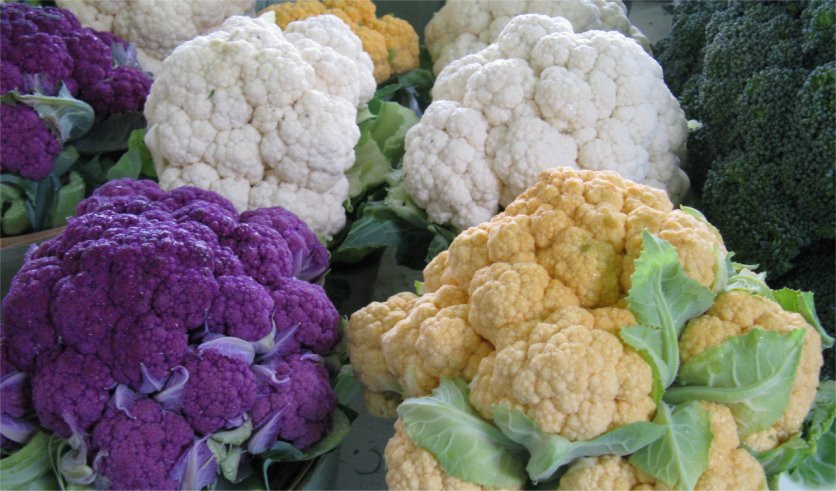
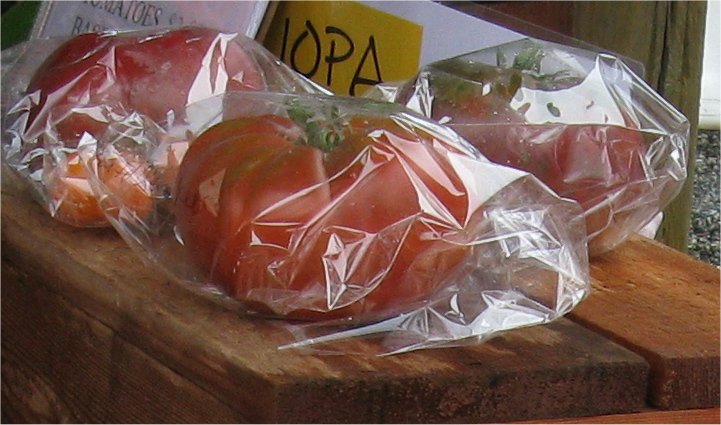
with freshly washed produce on offer, like German Stripe tomatoes, local grapes and multicoloured cauliflower.

Corn, of course, and carrots and cheese:

Fresh-washed market

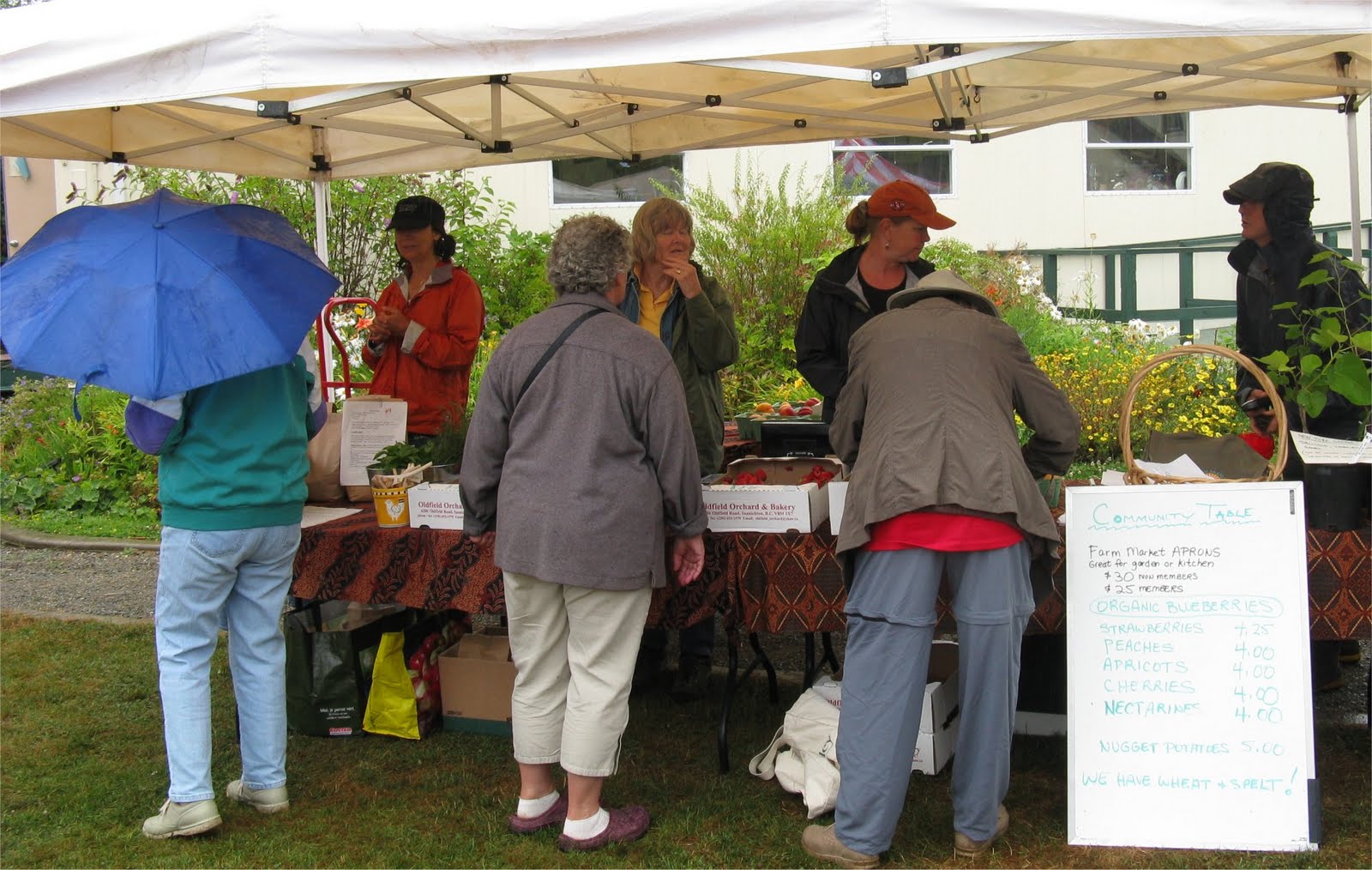
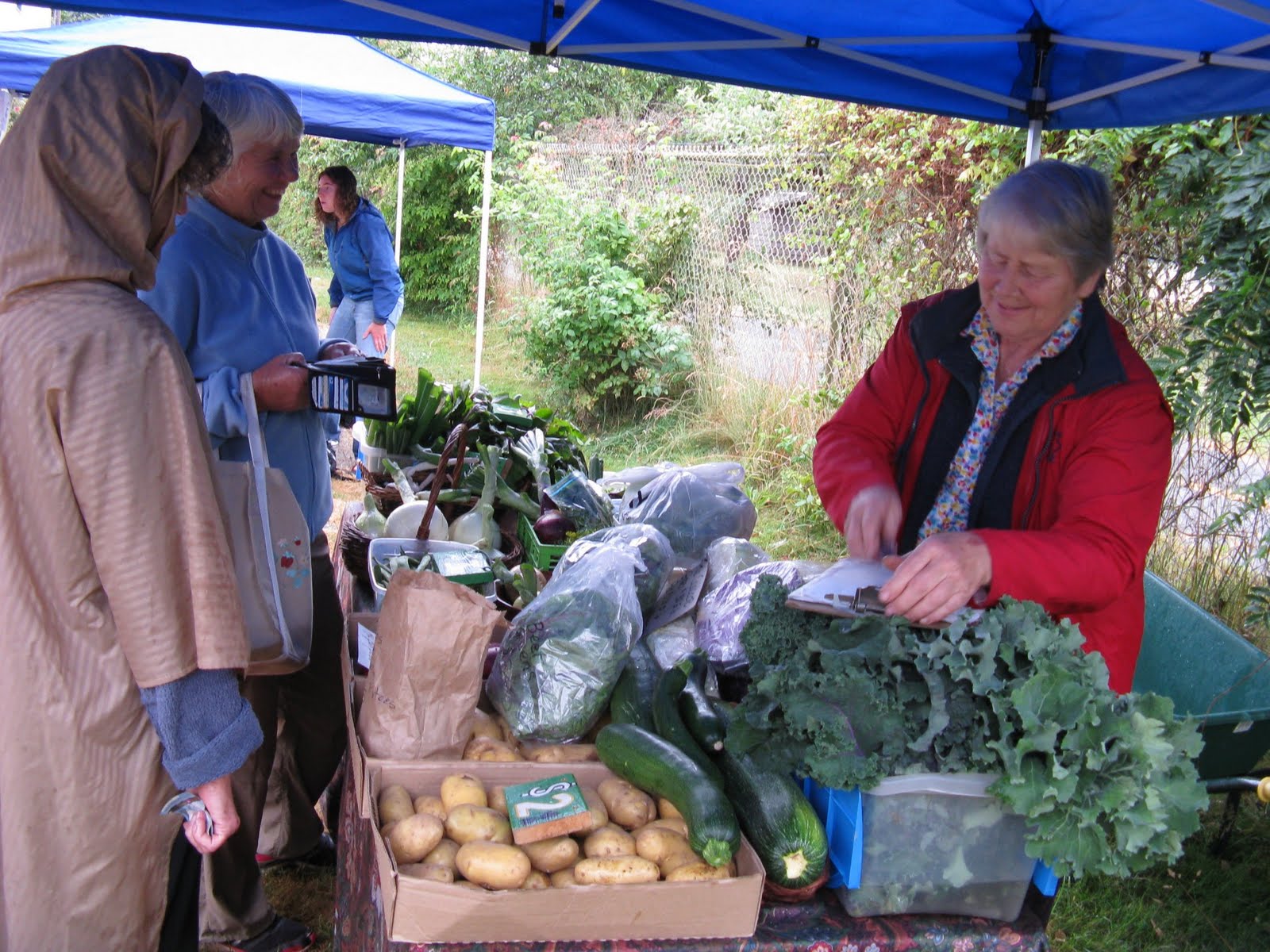
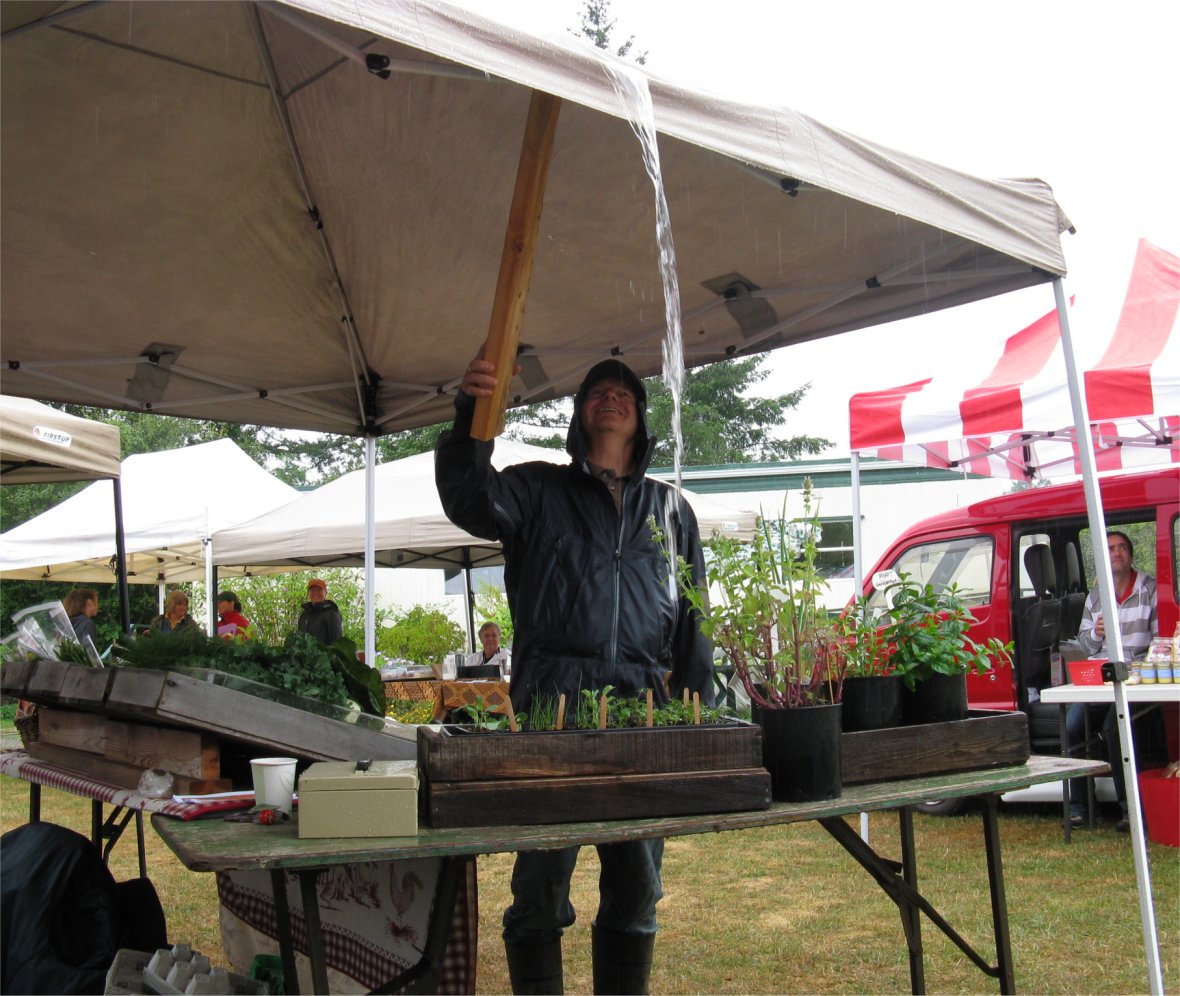
After six weeks of straight sunshine, last Saturday’s rainfall was a pleasure to the gardeners, not so much to those of us being dripped upon at the North Saanich Farm Market, where Slow Food had, for a second year, been invited to set up an information booth.

The experience was eerily similar to last year, since we managed to catch a rainy Saturday then as well. Be that as it may, the market is a small but lively one with a committed following, who simply brought umbrellas along and reaped the local bounty.


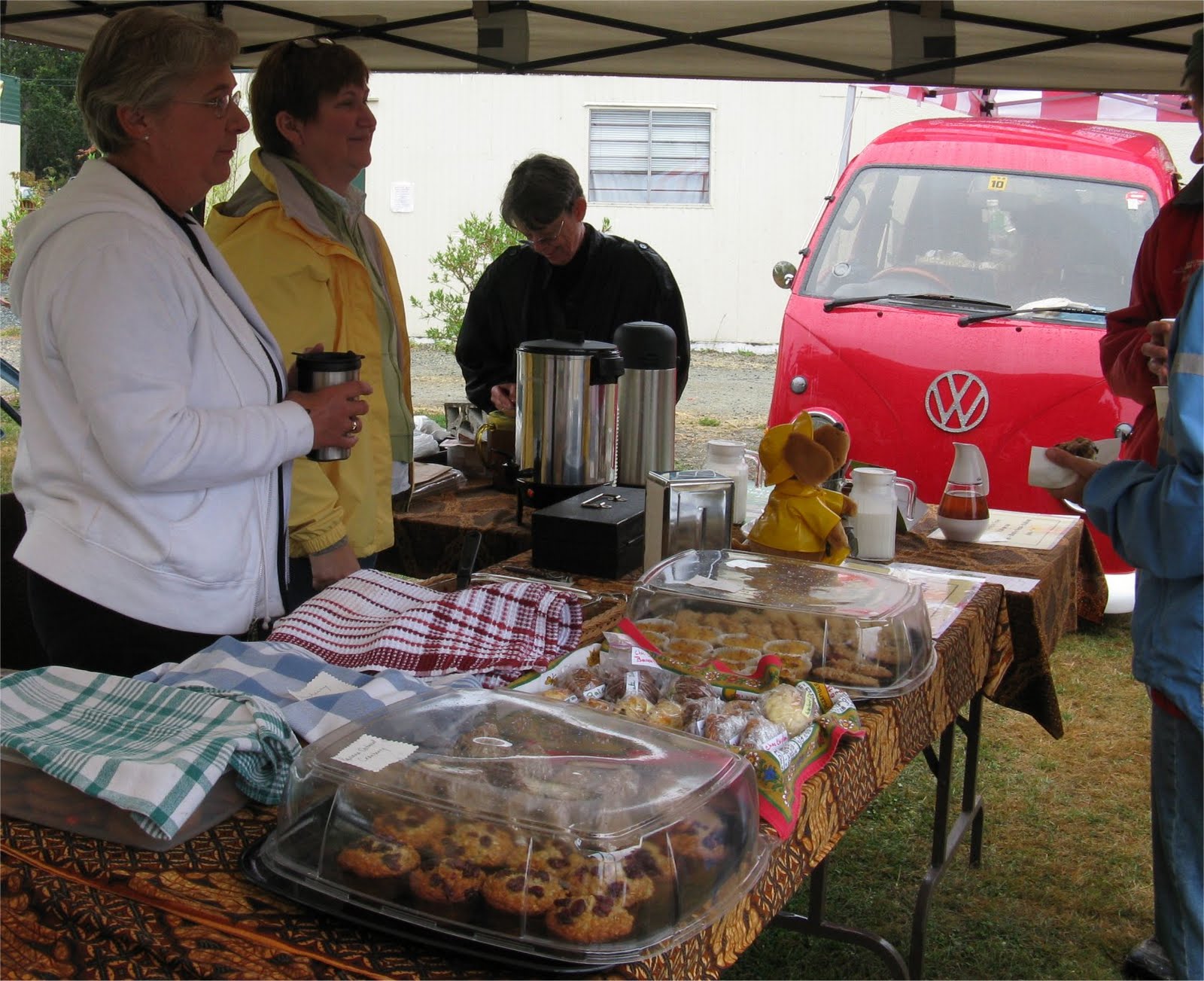
Rainy weather makes for a popular coffee concession, and the baking to go with it.

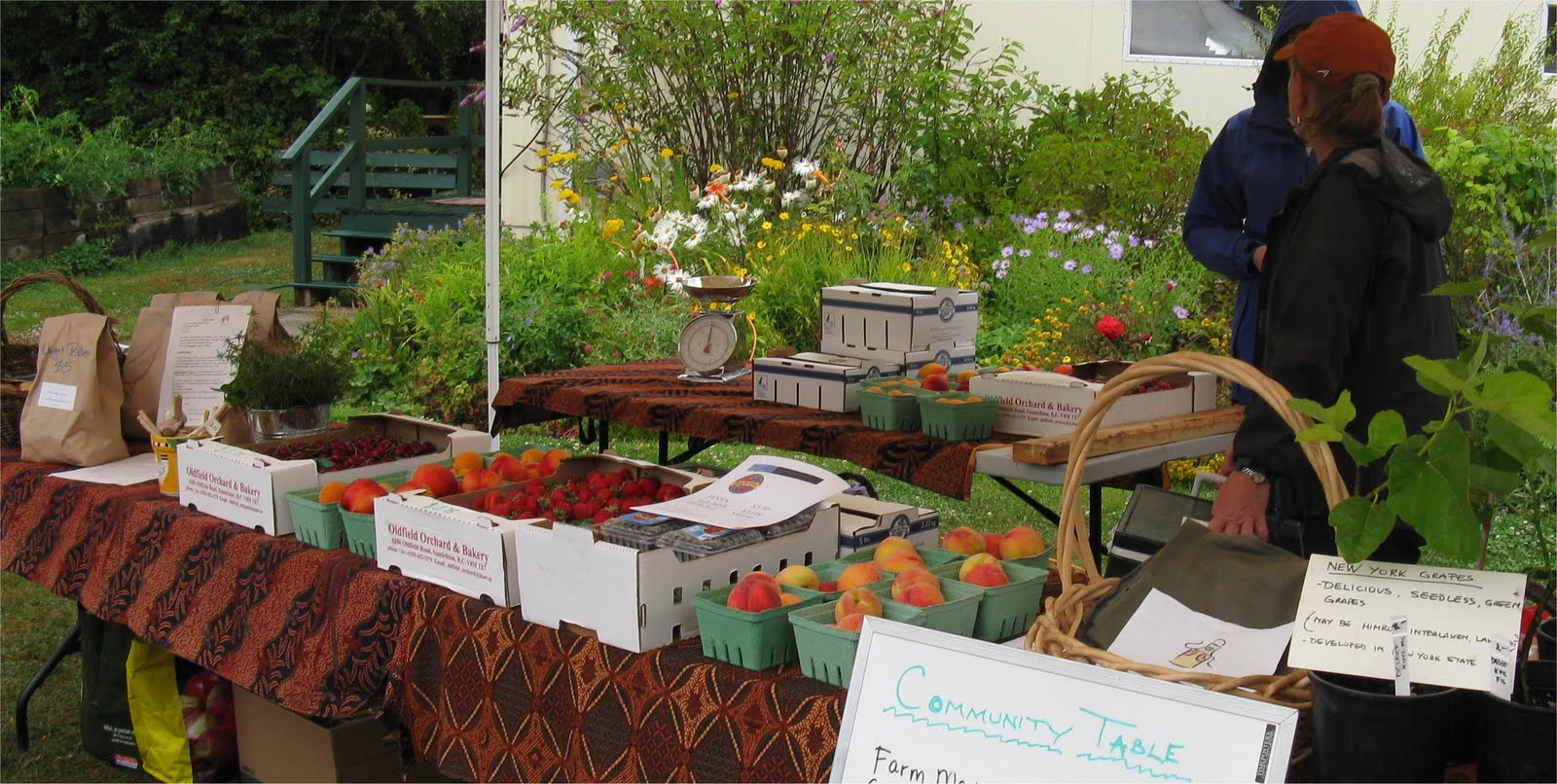
Luscious local fruit at the community table:

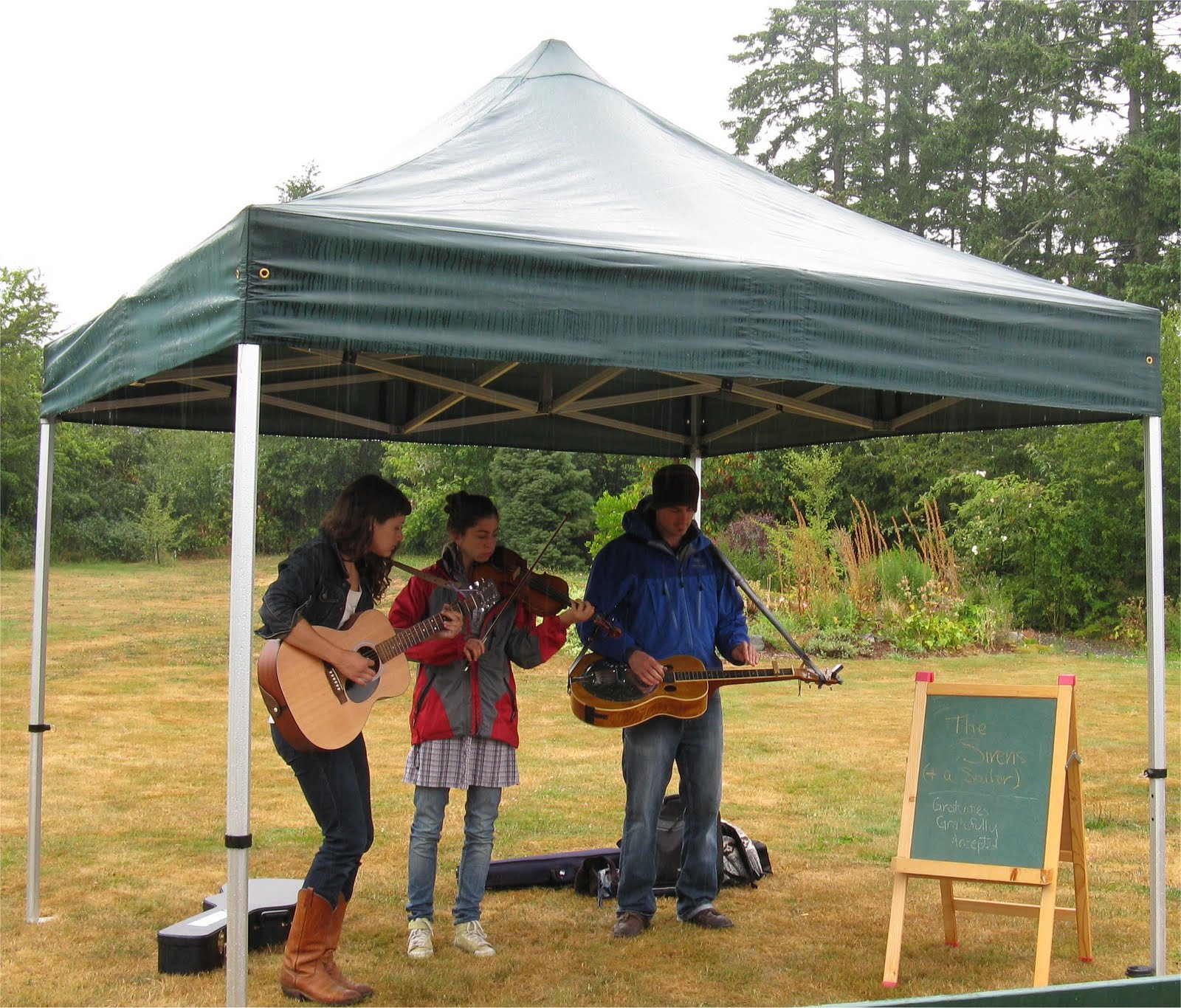
The market offers great local music every week (without a sound system on rainy days). This week it was The Sirens.
Information from Sea Change, working for marine conservation.

Every market should have its husbands. This one took care of tent drainage.

Cutting the mustard

Apparently August 7 is National Mustard Day, at least in Wisconsin. They were already celebrating it in the Napa Valley with a mustard festival earlier this year. You could get in on a six-course mustard dinner which sounded like a hot ticket.

And this is the moment in any mustard conversation when good Canadians quietly ask whether you know that 90% of all mustard seed used in Dijon mustard production in France is imported from Canada?

And if you are interested in the politics of mustard seed oil in India, you can read this piece by the wondrous Vandana Shiva, about another Monsanto dirty trick.

Other things to know about mustard include its use in crop rotation trials in Prince Edward Island, where the potato crops are being ravaged by wireworm. It seems to be of some value there, as brown mustard is high in chemicals called glucosinolates, which when they break down produce isothiocyanates, compounds which are actually toxic to wireworms.

On the darker side of the family, Garlic Mustard is a problem weed that’s invading fields in BC and many other parts of North America, where it was introduced by settlers as a salad green and medicinal herb (it’s said to be helpful internally against bronchitis, asthma and eczema, and externally for minor injuries, slow-healing skin problems, rheumatism and gout).
The future of fish

A convergence of schools of thought on fish, and some opportunities to make your views known:

Alexandra Morton is inviting Canadians to take action on proposed federal Pacific aquaculture regulations, which have been offer a 60-day public input period (page 1933 of this hefty document). Now is the time to give some thought to how you want to see Canada’s Pacific coast used in future: the deadline is September 12.

Morton’s views on fish farms are well known and always make interesting reading; she delivers again in this article which unpicks the politics of Canadian fish farm regulation for The Tyee.

Also chugging through its 60 day public input is this document on Canadian organic aquaculture standards. Deadline for this one is August 30.

Some good background reading on the question of wild vs farmed fish can be found on Barry Eastabrook’s excellent Politics of the Plate blog, which features a review of Four Fish: The Future of the Last Wild Food, by Paul Greenberg. Discussing the fate of salmon, sea bass, cod, and tuna, and offering thoughtful suggestions for going forward with, the book sounds unmissable.

War on local food

There’s an amazing exhibition of wartime posters about food and agriculture which you can enjoy virtually, if you are unable to visit the National Library of Agriculture in Beltsville, Maryland.

Back here in nambypambyland, you’d think you were in some kind of wartime, and maybe you are. Just across the Salish Sea, farmers and food producers are revolted by the behaviour of the Canadian Food Inspection Agency which has come down on a local food store in Vancouver, The Home Grow-In Grocer (which was celebrating its first birthday on my last trip to the big city) for stocking local products which (gasp) don’t have bilingual (French) labelling. And various other labelling infractions, rendering many foods officially unsaleable.

Seizing perfectly good stock on such lame grounds would be bad enough, but the repercussions for the food producers are in some cases crippling, as it makes their products unsaleable until they are able to find the time and money to invest in conforming to standards which are (here we go again) in place mostly because we can’t trust multinationals to tell the truth about our food supply.

And why is the CFIA picking on a neighbourhood grocery anyway, when Vancouver boasts a world of non-compliant ethnic groceries, and one of the biggest selection of Chinese and other Asian foods in the continent – many of those items not even labelled in English? I bought a jar of jam in Quebec last month that had no English on it at all; since I was in a French-speaking part of Canada I was neither surprised nor moved to call the inspection agency over it.

This is not, it seems to me, an issue of food safety: rendering a product label into French in an English-speaking part of the country is not going to make a food any safer for anyone. So why are the inspectors wasting time and money on all this? When you look at their list of recalls, you wonder how they have time to do anything but keep up with the industrial scale producers that cause most of the trouble.

Certainly I think it’s important to include ingredient labelling on a product: I wouldn’t normally buy anything that lacks such information, and I would agree producers should be required to produce such labels if they don’t have them. Nutrition labels… I don’t know; maybe. But for heaven’s sake: locally-produced food in a local shop doesn’t need to carry translated labels.

Canada is not the only one struggling with this misdirection of its food inspectors. The Americans do it as well. I’m sure Europe has a catalogue of incidents too, since its labelling regulations are as complex as its membership’s food traditions, in cultures where those traditional foods are fighting for survival against easier-to-regulate mass-produced industrial products. And where there is a long history of attempting to balance food safety against traditional methods of food preparation and preservation. Understandable in a region where food safety concerns like BSE have created catastrophic problems for consumers. But these illnesses are overwhelmingly the product of overproduction and profiteering, not artisanal production.

One happy note in the food world is the enlightened thinking of Canada’s Governor-General, who has seen fit to recognize food and drink for national honours. Sinclair and Frédérique Philip who founded Sooke Harbour House and nurtured a generation of excellent chefs, were among the recipients for the first Governor General’s Award in Celebration of the Nation’s Table this year. They have been tireless advocates for local and sustainable eating and have managed to deliver world-class dining in an unlikely location, a long drive from Victoria, which they’ve made a stunningly beautiful restaurant and b&b.;