Skip to content

Uncategorized

Terra Madre

So much to say about Terra Madre, I’ll have to break it into bits.

A food meeting with a difference: Terra Madre included a large open space to allow delegates to throw a blanket on the floor and sell – or just show – their wares.


Biodiversity is a big thing in Slow Food’s mission. So much of today’s food has been bred into narrow, profit-oriented channels and lacks the flavour, seasonality and suitability to its terrain that traditional foods had evolved around. Here, a selection of local rice varieties from Thailand…

..and here, a selection of almond varieties from Afghanistan.

Green eggs from Temuco chickens, at the Chilean stand.

One of the many remarkable things about this event was the presence of simultaneous translation — into the 8 official languages of Terra Madre. It wasn’t always perfect or easy to hear, but it was an amazing achievement to do as much as they did. Some of the translators worked between two or three languages.

Some listeners demonstrate what could be described as the house style for positioning the translation receivers for maximum effect…

And someone offering henna services…

Naples and Rome Oct 20-21

After Pompeii and Herculaneum we went to Naples – using our Arte cards which had given us three days of sightseeing and travel – to get to the National Archaeological Museum of Naples, which held all the ‘good stuff’ from the excavations.

First, though, we were in Naples, so…

The museum. Big and pink!

Head of a poet.

Dear little pig of Herculaneum.

Demeter.

A recent treasure from Herculaneum, Testa di Amazzone, found in 2006. Showing that redheads ruled even then.

Absolutely stunning mosaics and wall paintings from Pompeii and Herculaneum:


The famous Sappho painting from Pompeii.

Then it was time to go to Rome. After a spell of wandering in the graffiti-heavy neighbourhood

we found – with some difficulty – the door to our guest house. Happily much nicer on the inside than the outside.

We asked for restaurant recommendations and ended up at a pleasant local restaurant where I had some buffalo mozzarella with zucchini alla scapece, an excellent combination.

Did not touch the hotel breakfast as it all looked too toxic to be released from plastic:

Went on a tour of the city and eventually found our way to the Trevi Fountain, which was being serviced. But it still drew a sizeable crowd, some watching a man who’d jumped the barricade and was busy picking up the coins that didn’t make it into the fountain, chucking in the smallest ones and pocketing the rest, until he was escorted out by the security guards.

Near this street…

we found a good lunching spot with interesting lighting

and excellent fragoli con gelato.

Next to the Spanish Steps where our first stop was Keats’ House, the lodgings where he died

And of course, being a Slow Foodie, I had to note the McDonalds, just around the corner on the Piazza di Spagna, which was the final outrage that caused the founding of the Slow Food movement in 1986.

Chestnut seller.

And that was more or less it for me for Rome this time. One final meal – excellent and local and recommended by the hotel – and I left for Turin the following morning. Giving another wide berth to the scary breakfast buffet.

Nova Scotia

I arrived at St Margaret’s Bay to fair weather on Tuesday evening.

Wild poodles roam the woods, looking for crows to bark at

or bounce around with Geoff, noted local poodle herder

who made the spécialité de la maison, what he calls Zulu Bannock (or buns a la bbq)

with amazing mussels, before

and after cooking.

And of course there was lobster.

And strawberries are in season, yippee! Here with Jan’s hand-crafted tea biscuit:

If I read tails correctly, this one’s saying Don’t bug me.

Then on to Lunenburg, where there are more mussels, hanging from the electricity poles along with a lot of other seafood:

And I noticed some crowds milling around the docks, with a boat in the distance

coming nearer

coming nearer

and packed to the gunwhales with students, returning after a semester on the high seas in a tall ship as part of the Class Afloat program.

Slow cider and fast poetry

Got to my first meeting of the Slow Island gang – in fact our Slow Food convivium‘s AGM, held at Sea Cider Farm, where we sipped and sampled our way through the evening, gazing out across the young apple trees to little James Island, where a couple of the young members are starting an organic farm. Quite a task, given they can’t live on the island, and everything they need has to be ferried across (but all in all a much better idea than the island’s last role as a TNT factory).

Sinclair Philip, Mara Jernigan and Nick Versteeg raised all kinds of issues, from Terra Madre to the destruction of Garry Oak meadows by Vancouver Island developers.

One thing Nick raised was the trade sanction wickedness Canada is doing now, which is being under-reported in the press. I suggest to all of us in this country that we drop a line to our MPs and register our dissatisfaction with the idea of Canada using trade sanctions to try to force genetically modified products on Europe, which surely has the sovereignty to decide what it allows into the farms and kitchens of its member states.

Basically, since 2003, GM-producing countries, including the US, Canada and Argentina, have been lobbying the WTO to force Europe to allow GMO imports. And in 2006, the WTO agreed that the EU had to allow GMO imports whether they wanted them or not. Unfortunately, Europe is not one country, and its 27 member states are not generally in favour of allowing GM products (– and really, is the power of collective dissent against economic pressure from others not one of the very points of trade organisations?). The US is holding its economic cudgel off until June of this year, but Canada’s deadline to have the EU comply with the WTO was February 11.

Speaking of dates, as I’m sure all the church-goers know, we’ll have to get our greens on early this year, as St Patrick’s Day has been moved to 15 March, by order of the Vatican, because this year’s early Easter causes 17 March to fall in Holy Week. Apparently no liturgical feast may take place during Holy Week, so St Patrick had to move aside.

Last night, St Patrick’s Eve, as it were, was also the reading at Planet Earth Poetry by visiting Saskatchewanian Glen Sorestad, who gave us a delightful display of his wares,

handsomely introduced by Susan Stenson

And then there were signings

and off we all disappeared into the night.

Over-fed and over here; and Alice Waters’ food values

CBC’s current affairs program, The Current, did a piece this morning on Raj Patel’s book on food security – the access of populations to food – and global food economics this morning. Stuffed and Starved is the first book I’ve come across that has its own trailer: cool! It comes down hard on organisations like the WTO for helping to oil that machinery that forces small farmers off their land, allowing big business to take hold of food productions and supermarket offerings, and speaks out against ‘free’ trade policies that can only worsen the situation for farmers and consumers alike. My copy is awaiting my attention, as is a similarly titled book, Paradox of Plenty: A Social History of Eating in Modern America, by Harvey Levenstein.

Meanwhile, some good thoughts from Alice Waters in an interview from last October:

…every decision we make about the food that we eat has consequences. And they aren’t just about people’s personal health. There are consequences in terms of the healthcare system for all of us if people eat food that makes them sick. And there are environmental consequences. But I think the thing that people don’t understand is that there are cultural consequences.

When we’re eating fast food, we’re not just eating the food, we’re eating a set of values that comes with the food. And it’s telling us that food should be cheap. It’s telling us that food should be the same no matter where we are on the planet. It’s telling us that advertising confers value. That it’s OK to eat 24 hours a day. That there are unlimited resources. It’s telling us that the work of the people who grow or raise the food is unimportant — in fact we don’t even need to know. And all of those values are informing what’s happening in the world around us. We’re ending up with malls instead of beautiful places to live in.

Bread & Tulips

I’d heard about the charming Italian film Bread & Tulips and finally got around to watching it; I am a Bruno Ganz fan from way back so was delighted to see him here playing a depressed Icelandic waiter in Venice…why not?

And I have been thinking generally about bread, even as the price rises due to the upturn in grain prices. One thing I learned something about over last summer was bread, having escaped the horrors of Emilia-Romagna’s all-crust-no-crumb-local-speciality pane comune

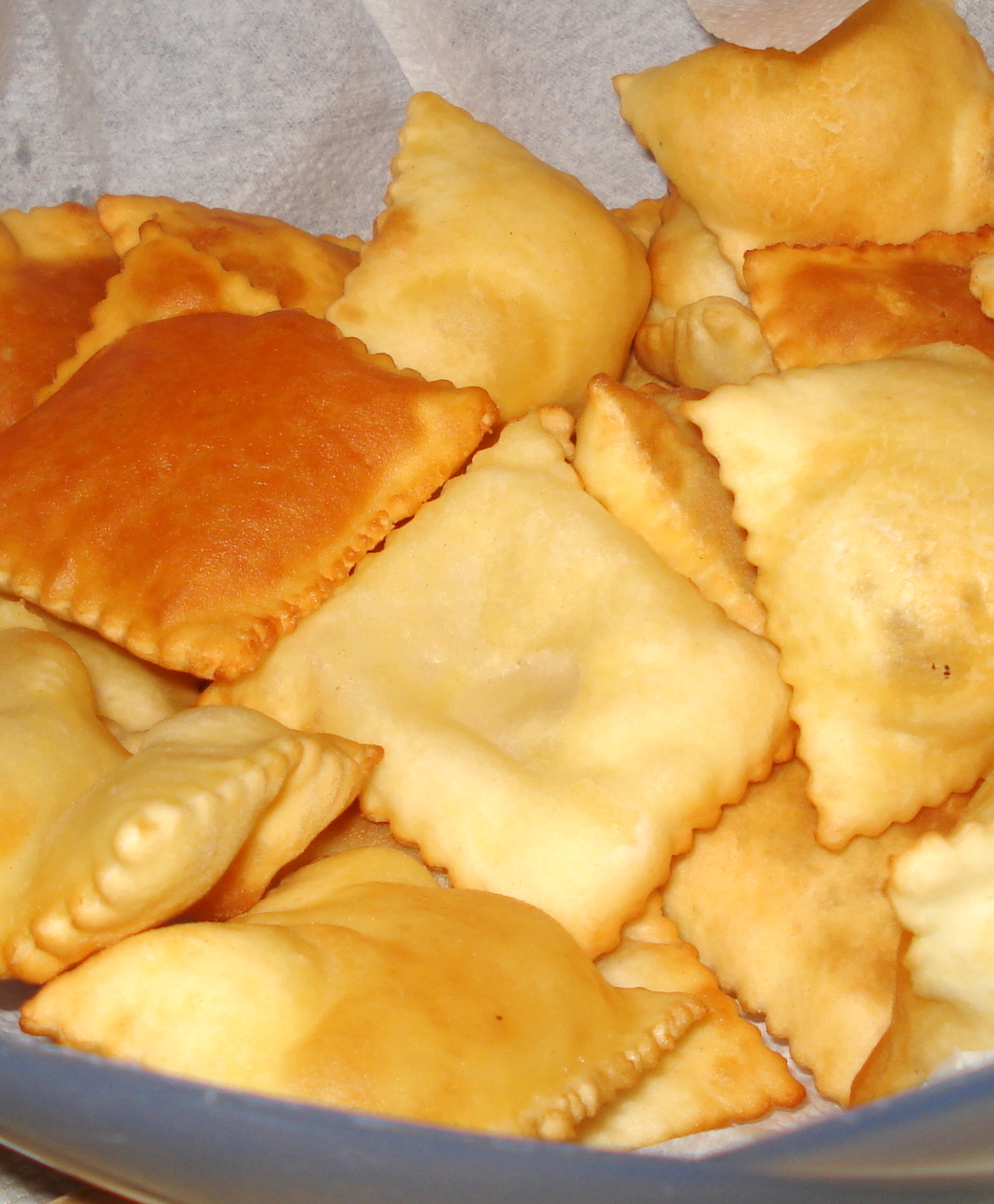
(and to be fair, the delicious chewy well oiled and salted focaccia, and its puffy little cousin gnocco frito/torta fritta)

and when in London indulged heavily in Euphorium.

There is a bit of a campaign going in the UK over real bread making, because it seems the industrial producers are putting a few extras in their loaves to make them appear fresher longer. Enzymes are one thing, amino acids are another (and from some questionable sources according to one writer I came across) and there is some toe-curling new jargon to learn while you’re at it: doesn’t ‘bread improver‘ sound like a dandy thing to put in your dough? I guess the trick is to sort out which of these are added as nutritional aids and which as materials that help bread makers to produce a more saleable, longer-lasting product. The latter by and large seem to make the bread less nutritious and less, well, bread-like, while the former has had its share of controversies around food adulteration.

There’s a British baker, Andrew Whitely, who is working hard to increase understanding about bread. He feels that some of the industrial bread-baking processes are behind the increase in gluten intolerance, and that if we were to eat properly made bread from sourdough cultures rather than high-speed leavening agents and their associated additives, there would be a substantial decrease in the wheat-related illnesses about.

I’ve just bought the American edition of Elizabeth David’s classic tome on the subject, English Bread & Yeast Cookery, which includes lots of background on the history and tradition of grains, milling and bread-baking over the centuries as well as contemporary and historical recipes.