Skip to content

Rhona

Fall of fruit

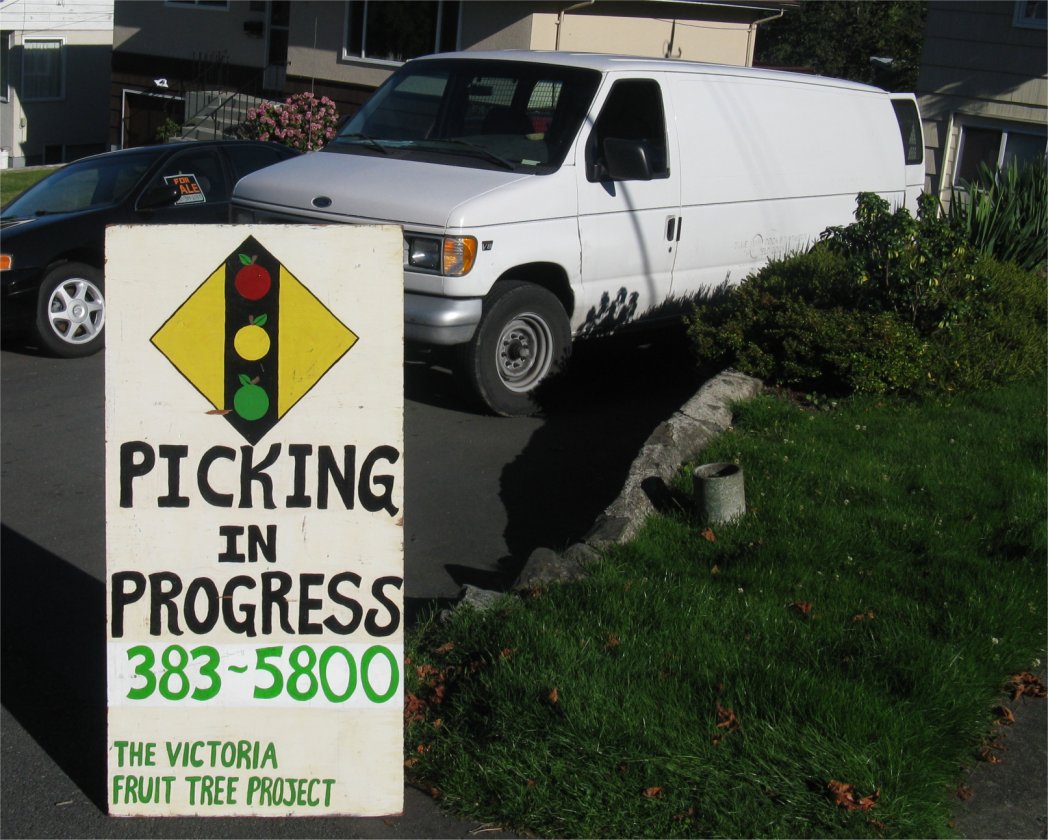
LifeCycles in Victoria has been running the Fruit Tree Project for many years now. A kind of gleaning project, it offers a valuable service to fruit tree owners, volunteer pickers and community groups by bringing them together to arrange picks of urban fruit that would otherwise go to waste. In a town that is thick with aging fruit trees – many unpruned and diseased – this is a boon, for the group also offers advice to the tree owners on care and pruning.

Today’s pick brought in some volunteers from the Garth Homer Society, who picked for an hour and then the remaining pickers finished off the job. Two trees were moderately laden with apples and pears.

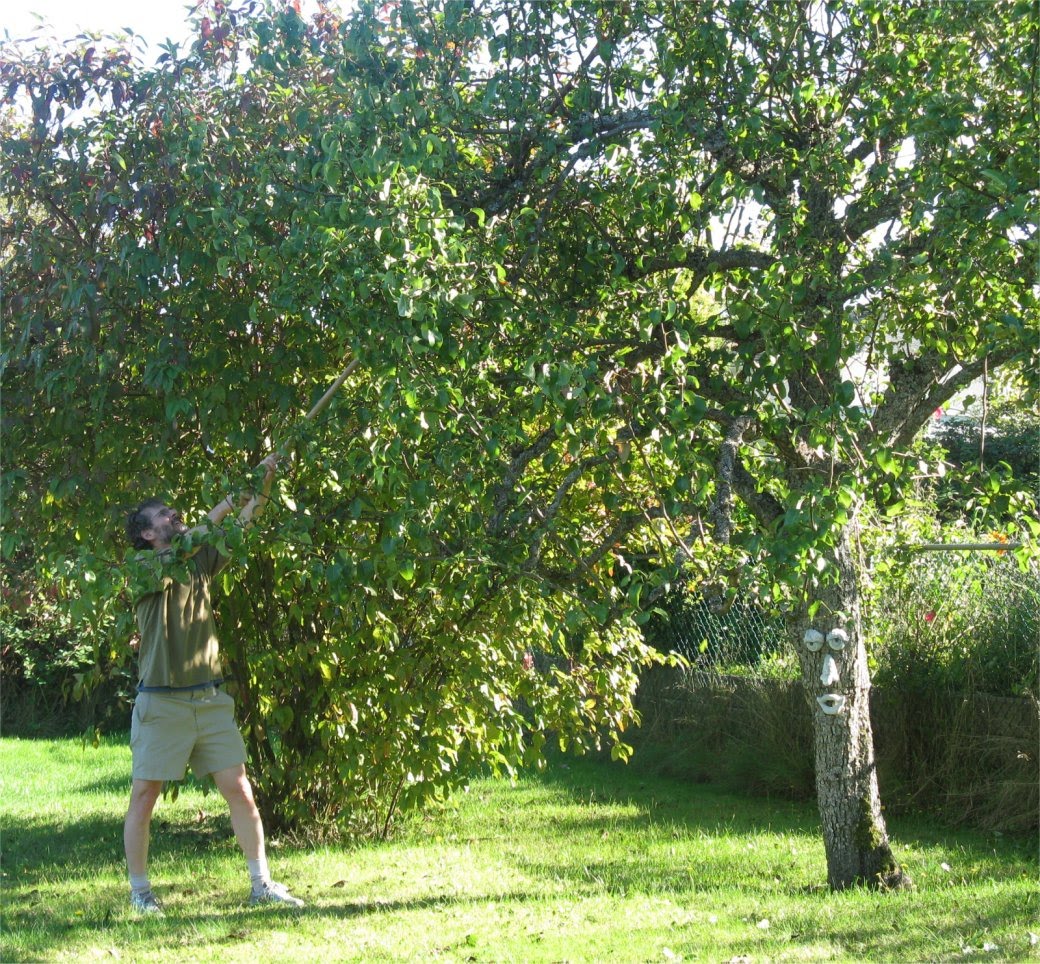
The trees hadn’t been particularly well managed so much of the fruit was very high, on unpruned branches, requiring the use of LifeCycles’ 12 foot orchard ladders and the extending arm of fruit baskets.

The day’s haul was pretty good: from the two trees, we got about 48kg of pears and 165 kg of apples. The owner got some, the pickers got some and the rest goes to LifeCycles, which distributes the fruit to community groups and local food processors.

Feasts in fields and fairs and festivals

It’s that time of year when it’s hard to find a day that doesn’t have some kind of festival or fair going on. I did what I could to attend a few of the local events.

At the Cowichan Fall Fair, there was a steady rain, but not enough to stop the tractor pull

or the tiny horses

Luckily there was enough to see under shelter, including Berkshire piglets

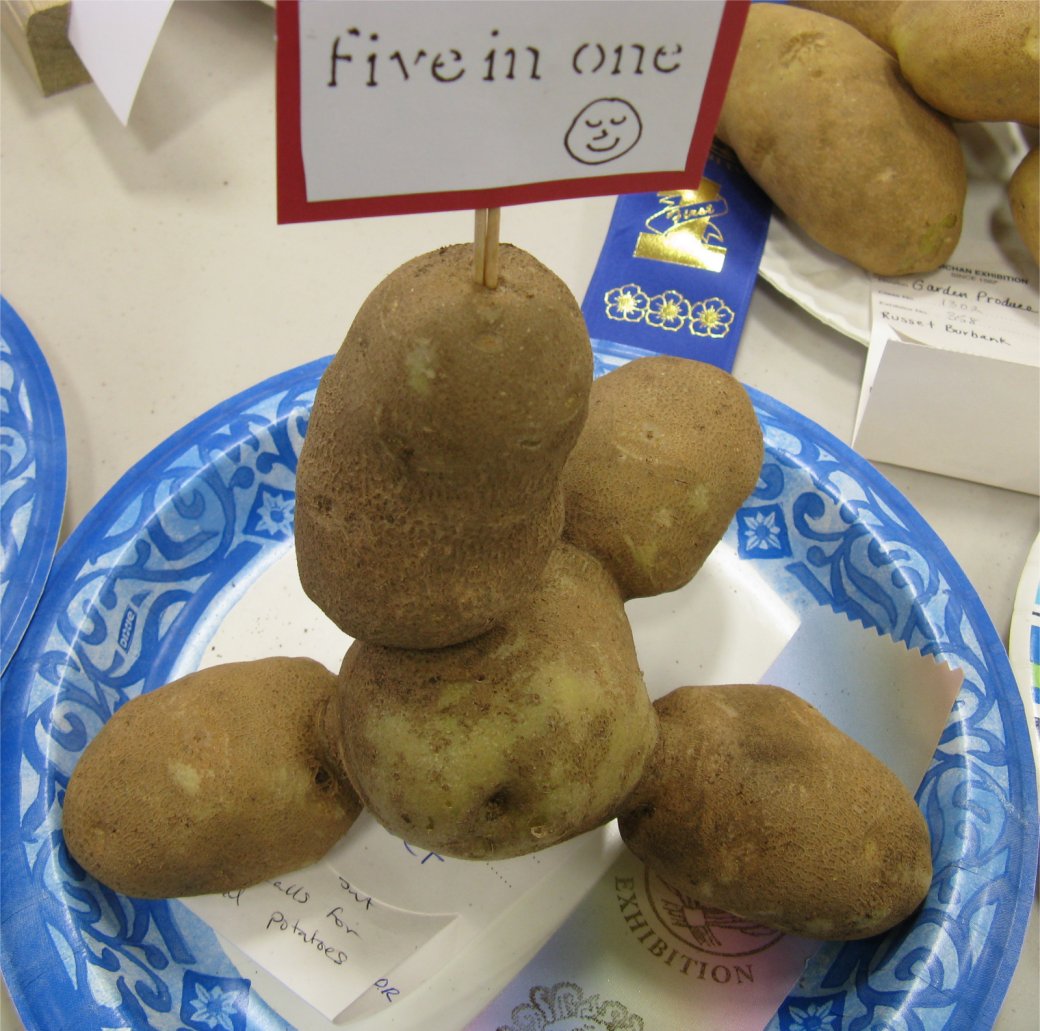
and lots of fancy vegetables,

including some that had been dressed up for the occasion:

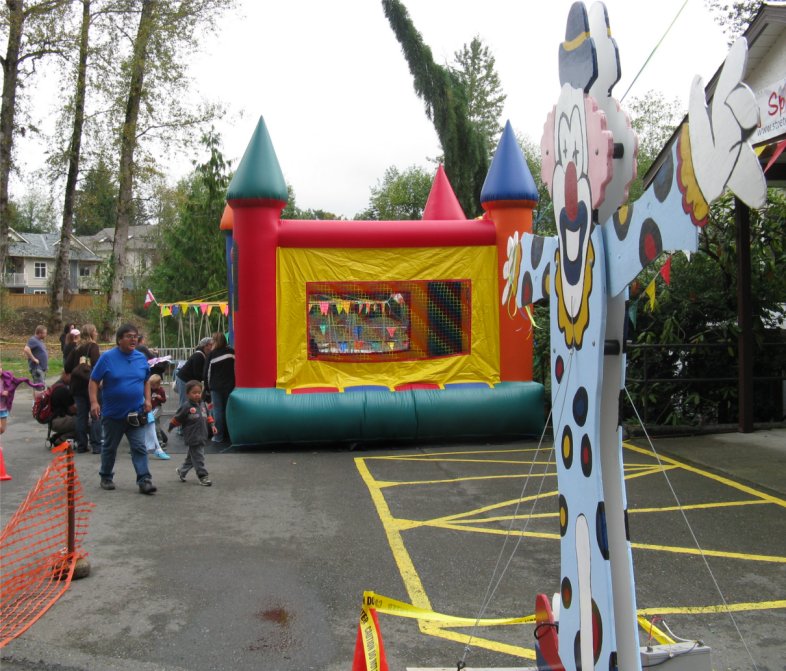
Then it was time for the St Peter’s Church Family Fair, which included bubbles and bouncy castle

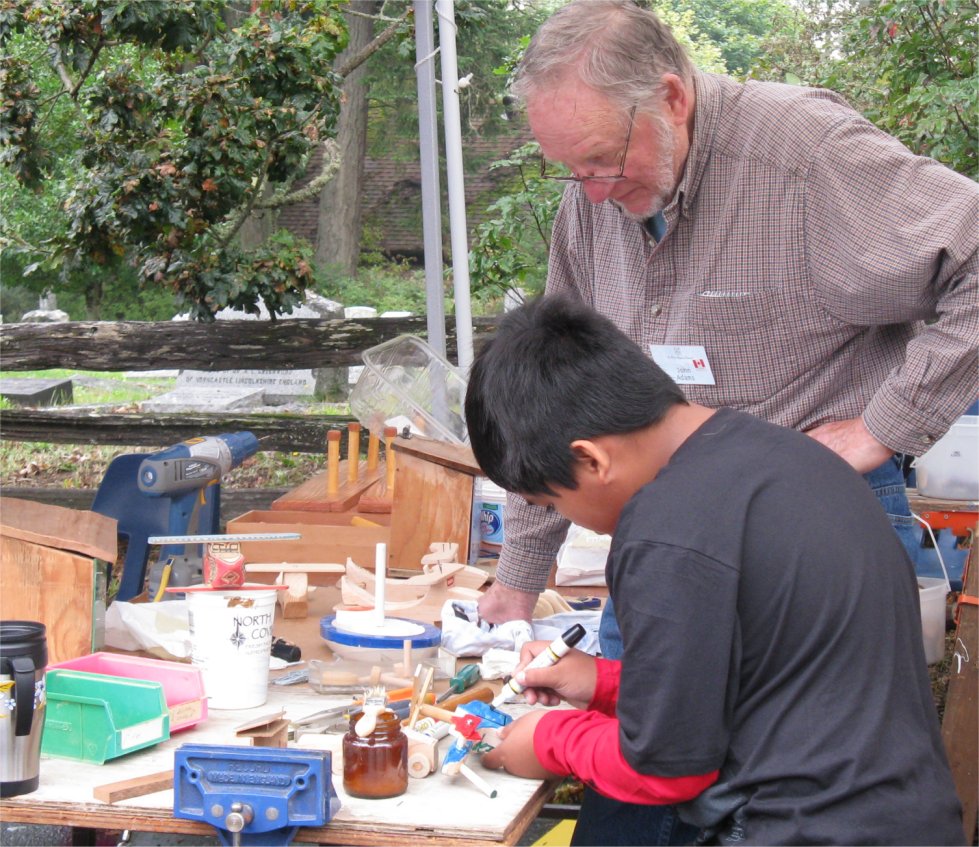
and books – Bungalo Boys and Pokeweed Press characters from Frank Edwards; and building materials for young carpenters.

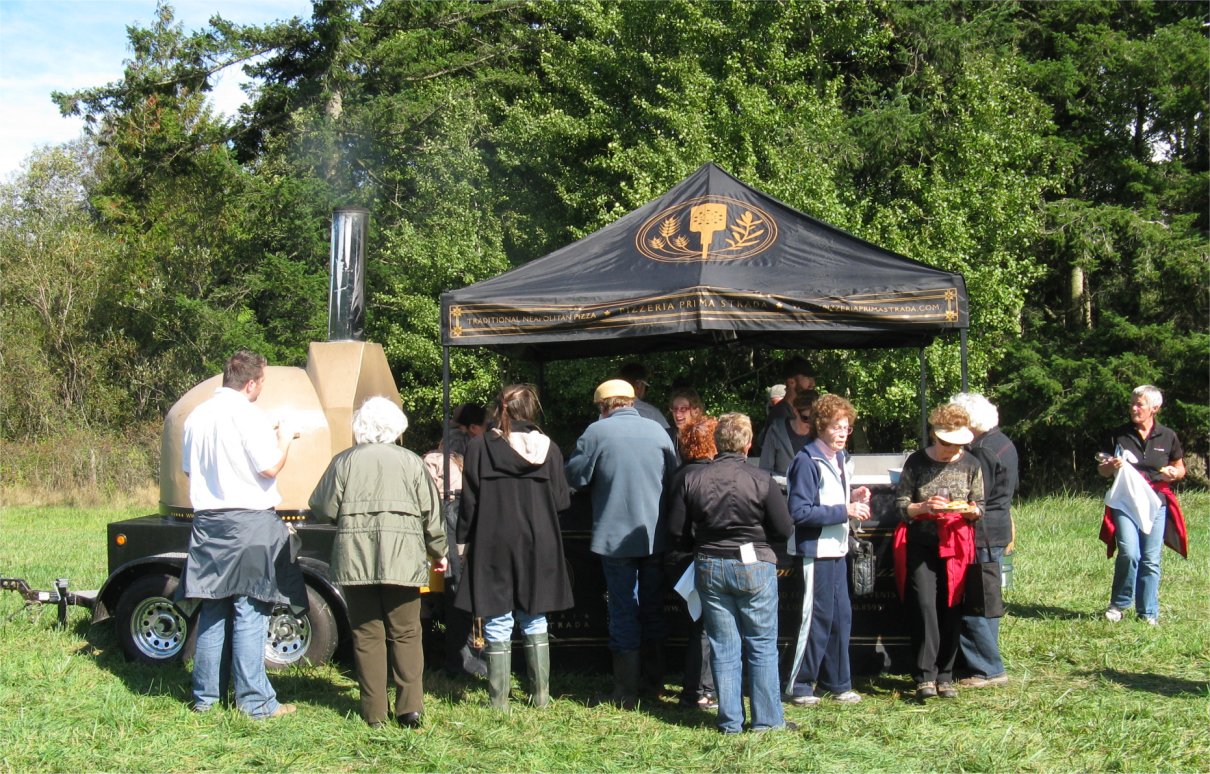
Last weekend was Feast of Fields time. This year it happened in a field on Parry Bay sheep farm in Metchosin. After an ominous start to the day, featuring thunder and awesome downpours, the sun came out and shone on lots of good food. Which included… Locals (Courtenay) offering bison brisket for the carnivores, and a mixed bean curry for the veggie-minded:

Some chicken and mushroom nibbles from Avenue Bistro in Comox:

Chef Heidi Fink offered this Moroccan-flavoured treat:

The ever-popular Pizzeria Prima Strada was popular here too:

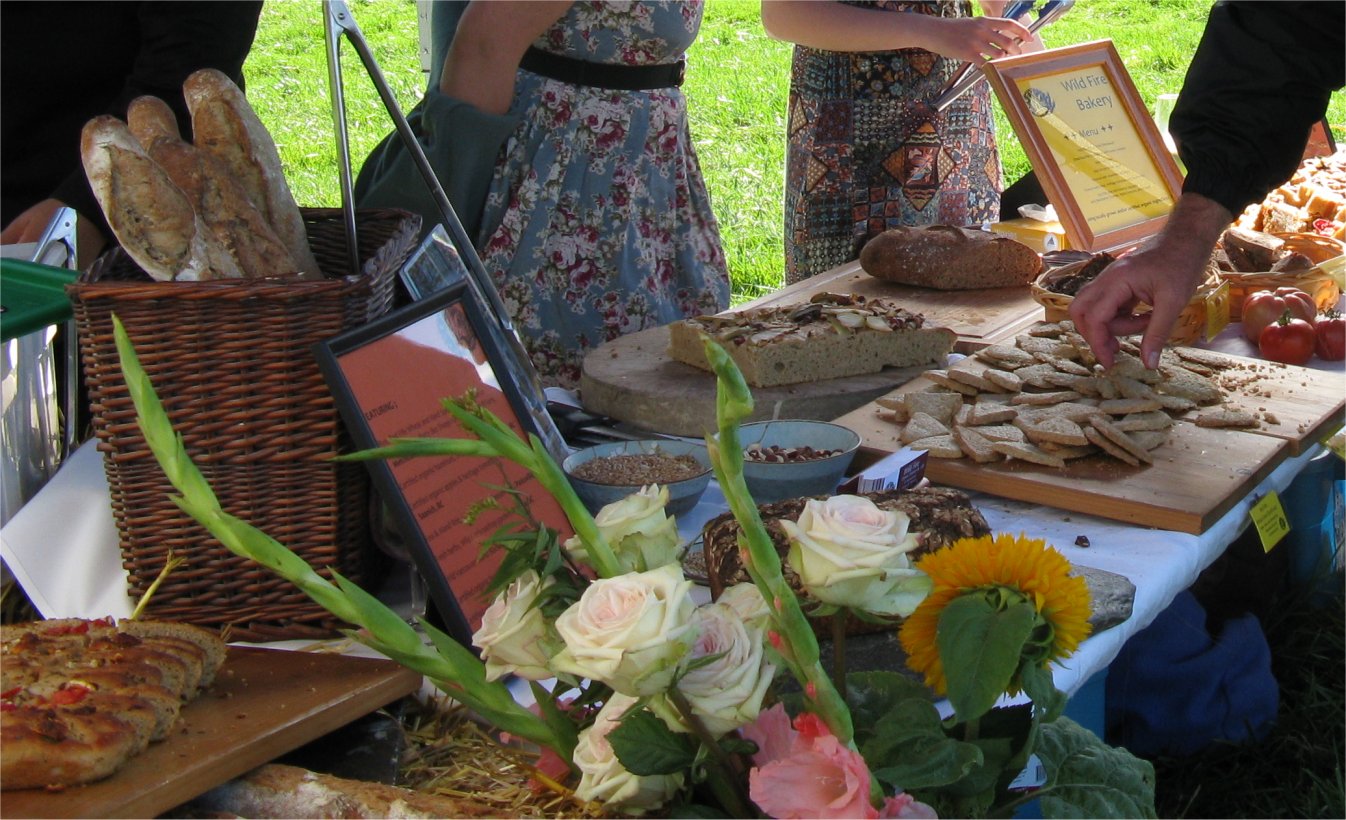
Wildfire Bakery commanded a lengthy queue:

Pink Bicycle had the ultimate local mutton burgers, made from Parry Bay Farm mutton:

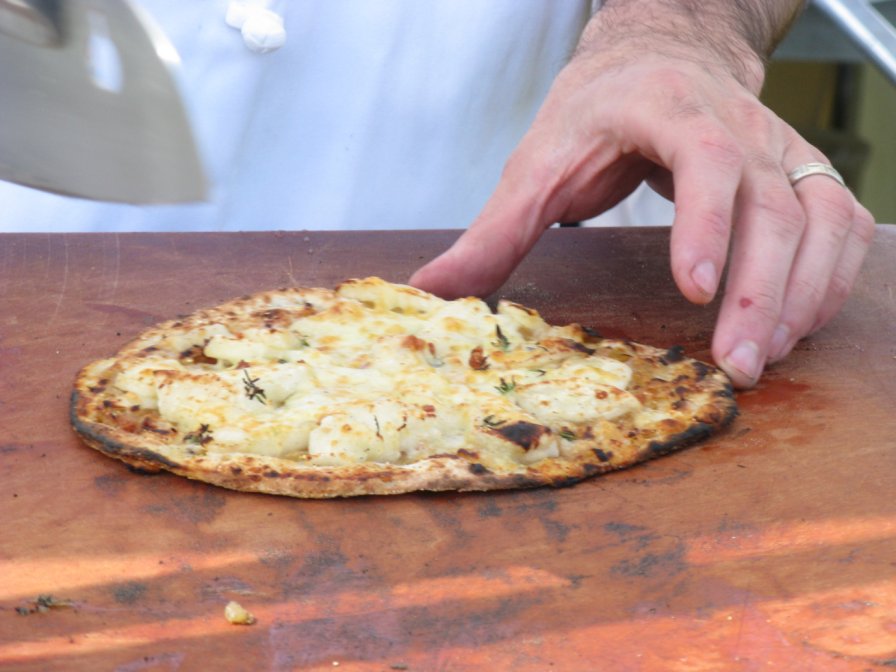
Vancouver Island University’s culinary arts program offered some fine lavender shortbread and some even finer apple & caramelized onion pizza, baked in their wood-burning oven:

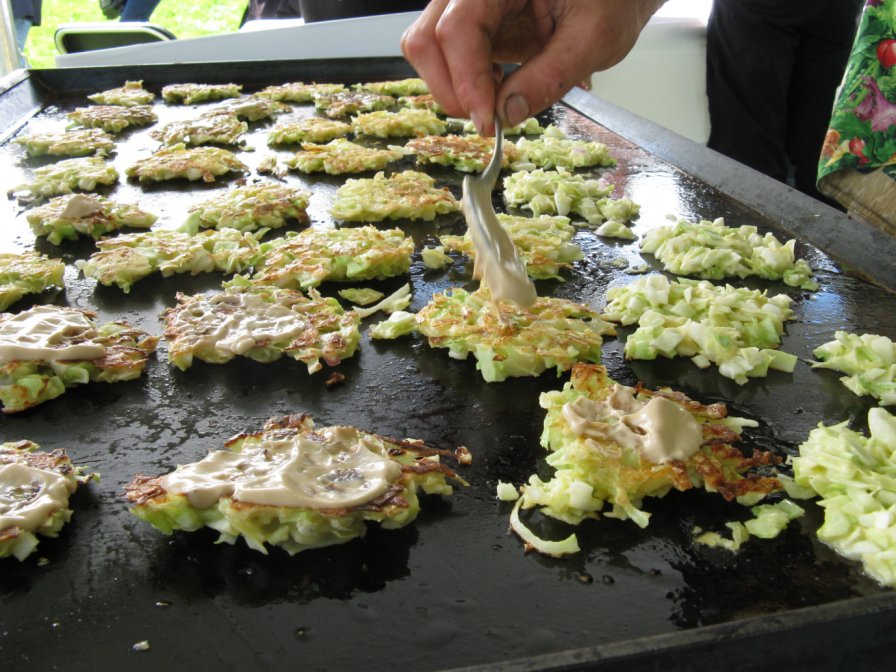
Madrona Farm offered a Japanese street food-styled patty, made of cabbage and other vegetables, with a blast of ginger to pep it up:

There were musicians variously situated:

Writer, farmer and editor Tom Henry demonstrates the workings of the Viking Grain Cleaner, which was bicycle powered (by passing children):
And there were lots of pastries around, including these open form apple tarts, vegan cupcakes and blackberry cream cups:

At the Slow Food booth, we offered tastings of local tomatoes (from my garden!) as well as vegetables – including yellow and purple carrots – which were as popular with the adults as they were for the very veg-savvy kids in attendance:

Whole lotta baking going on

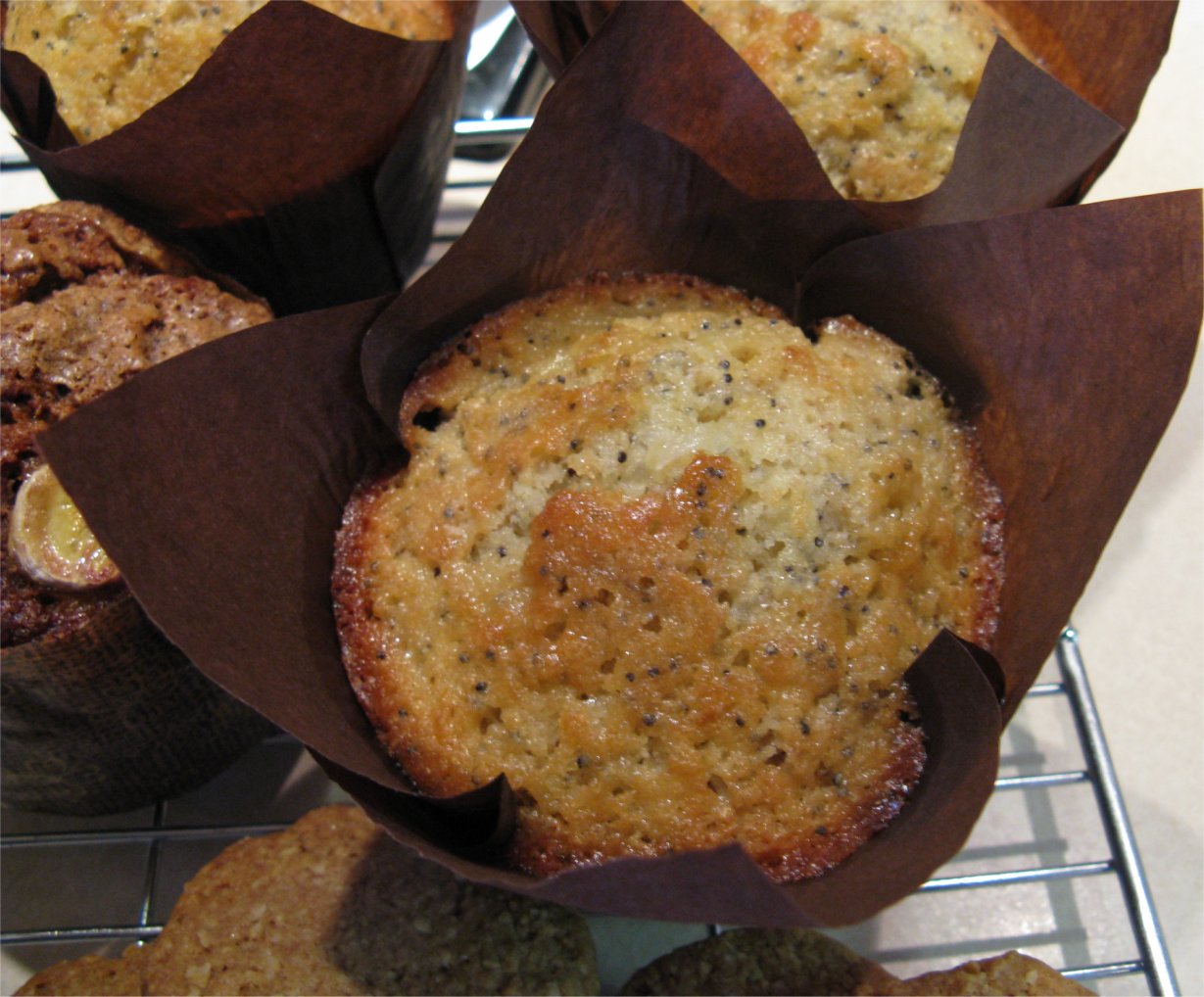
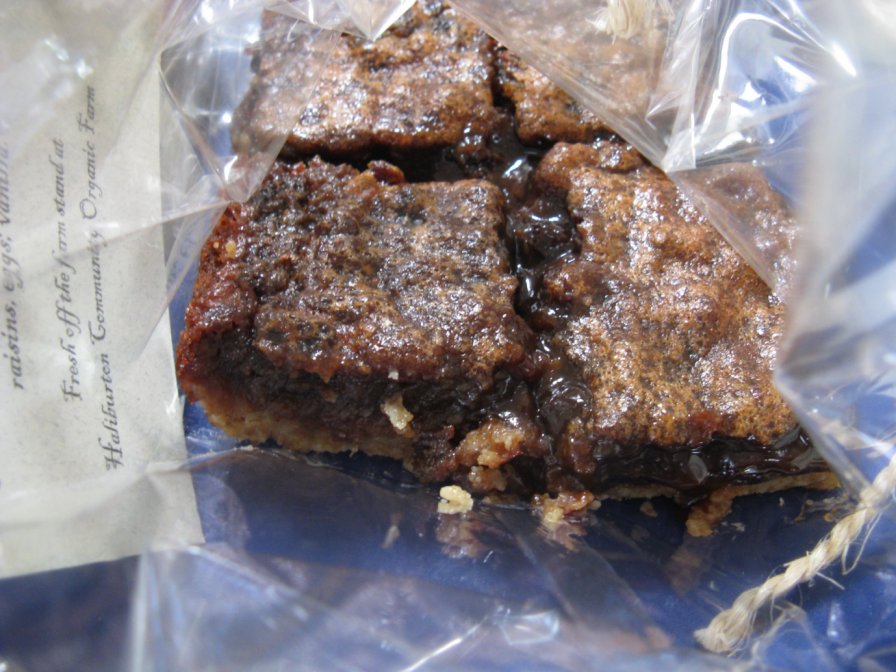
I passed this summer baking quantities of cookies, cakes, crackers and muffins for the farm stand at Haliburton Farm, and the saga continues through the early autumn.

It has been a busy time and highly instructive in all kinds of ways. For example, if you want to make baked goods made with organic ingredients, you cannot help but notice a certain shrinkage in the profit margins, a certain red tinge to the balance sheet.

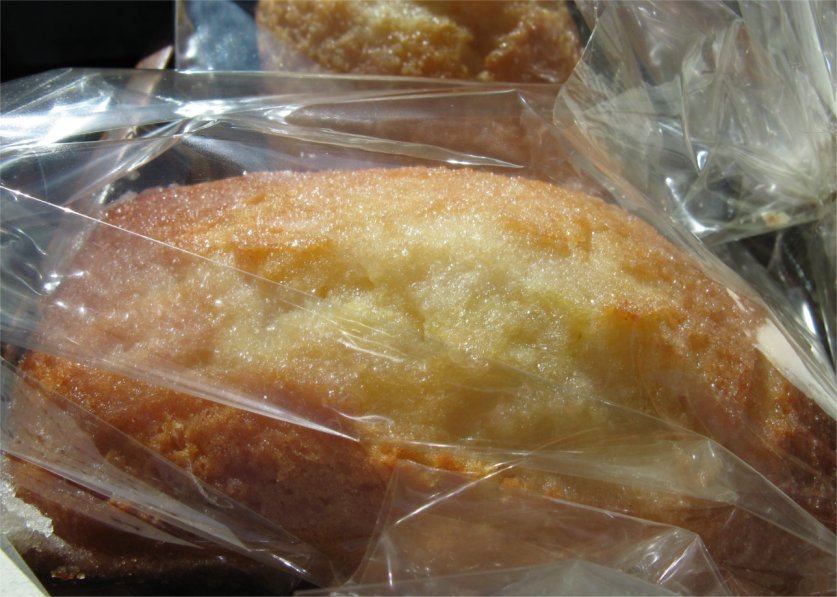
But it has been a pleasure to reaquaint myself with old favourite recipes like butter tarts and sticky lemon cake, and to try new ones like lavender cookies and spelt digestives.


Meanwhile… there is a new reason to celebrate organic food in Canada: Organic Week will run from Thanksgiving to World Food Day – October 9-16th, thanks to the organizing efforts of the Canadian Organic Growers, the Canada Organic Trade Association and organic groups across the country.

Cheese of the East

I have been back in Victoria for a bit more than a week, but it’s taken a while to get my thoughts and photos caught up. One of my last eastern treats was a trip to Prince Edward County, which I’d heard about from some Slow Foodies who’d been impressed with the gastromania going on there, and the energy of the local Slow Food convivium.

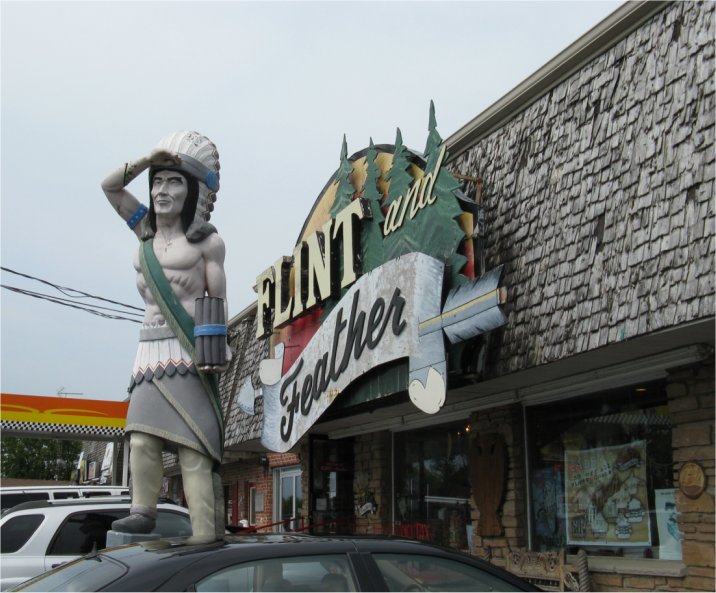
We set off a week ago Saturday morning, pausing for gas and a look round the Flint & Feather which, um, needs to be seen to be, well, seen. I do not know what relationship was imagined, if any, between this establishment and the writings of Pauline Johnson. Among the many, many diverse offerings on sale at the time of our visit were some fairly scary metal sculptures, including a life sized Alien, of the sort that makes you wonder about the settings they might end up in, particularly when offered with a five-figure price tag. For my part, I managed to escape without souvenirs other than this photo.

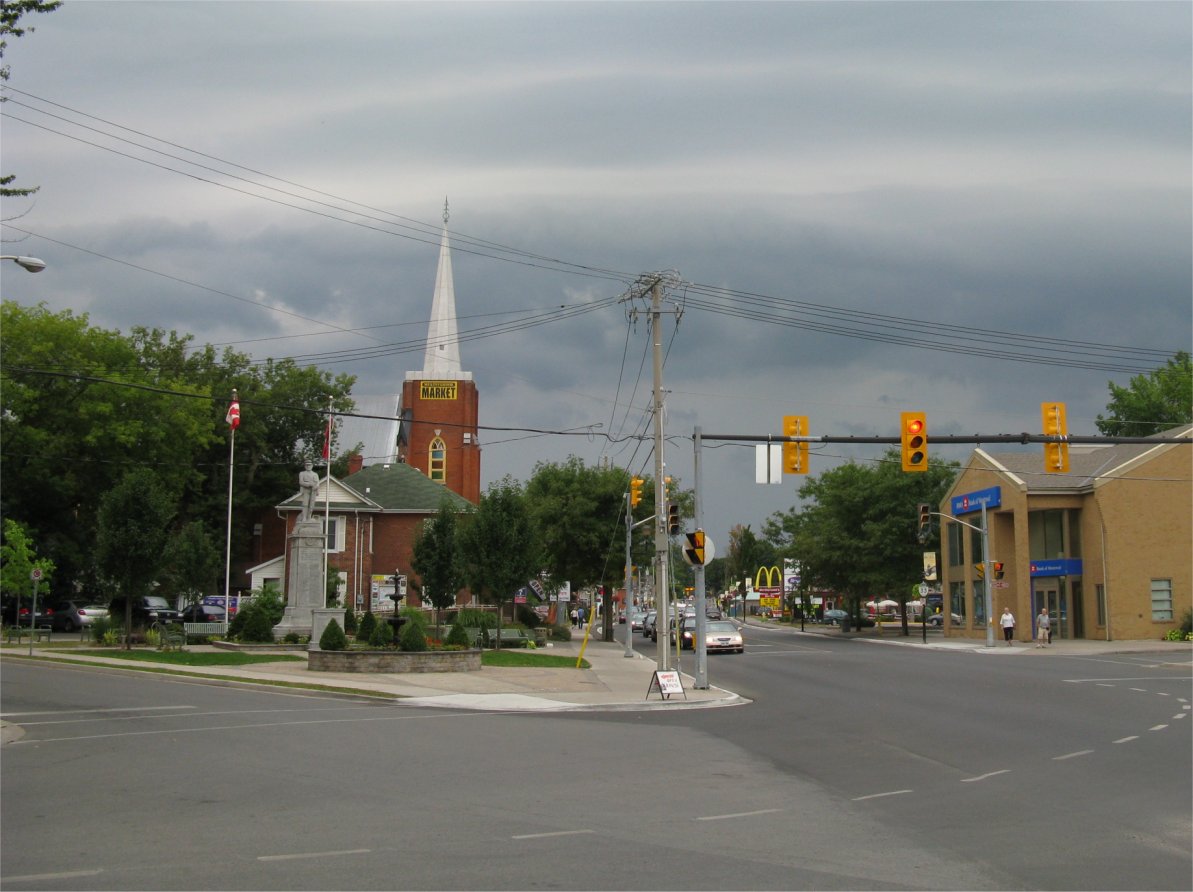
On we pressed, heading to Prince Edward County. First stop was Picton

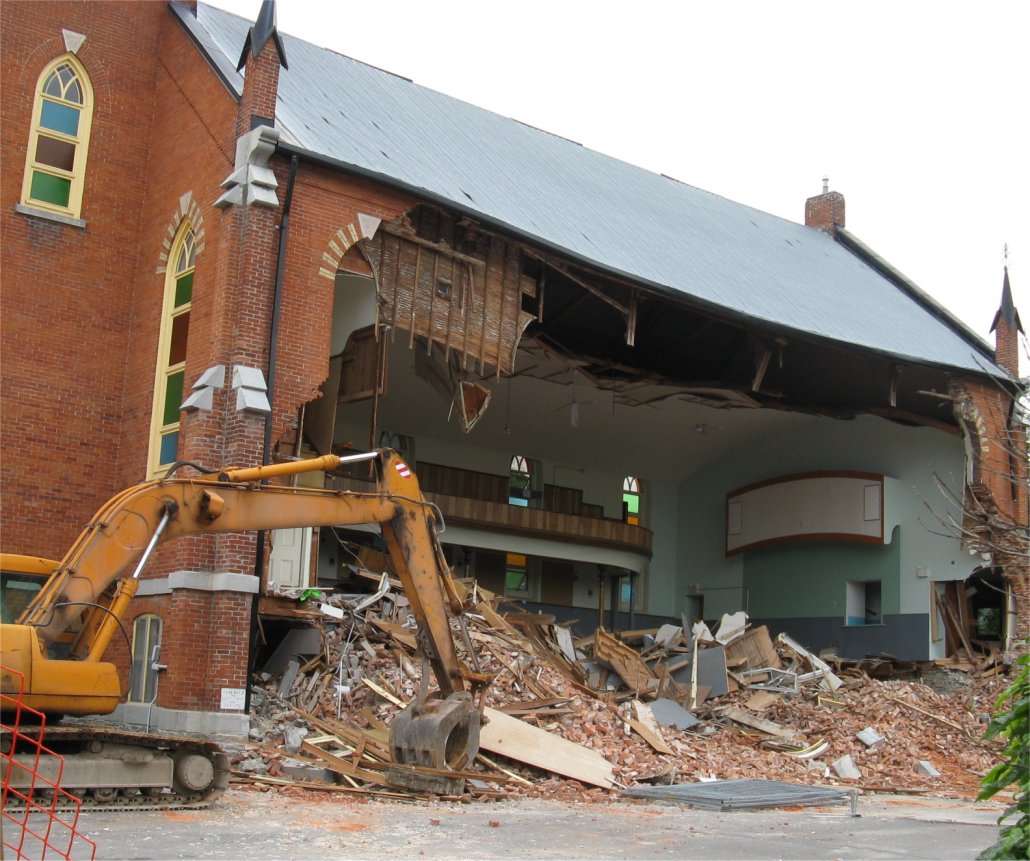
where the Methodist Episcopal church was still visible on the main street, although a peek at the other side of it revealed its state of limbo at that moment, demolition having started prematurely while some groups had still been trying to save the building.

The demolition continued this week, with even more bizarre doings to provide ongoing items of interest for the local press.

Then we did a little cheese tour, starting with the non-artisanal production at Black River Cheese, which was thronged with tourists (though many, like us, may have been sheltering from a downpour that struck as we pulled in).

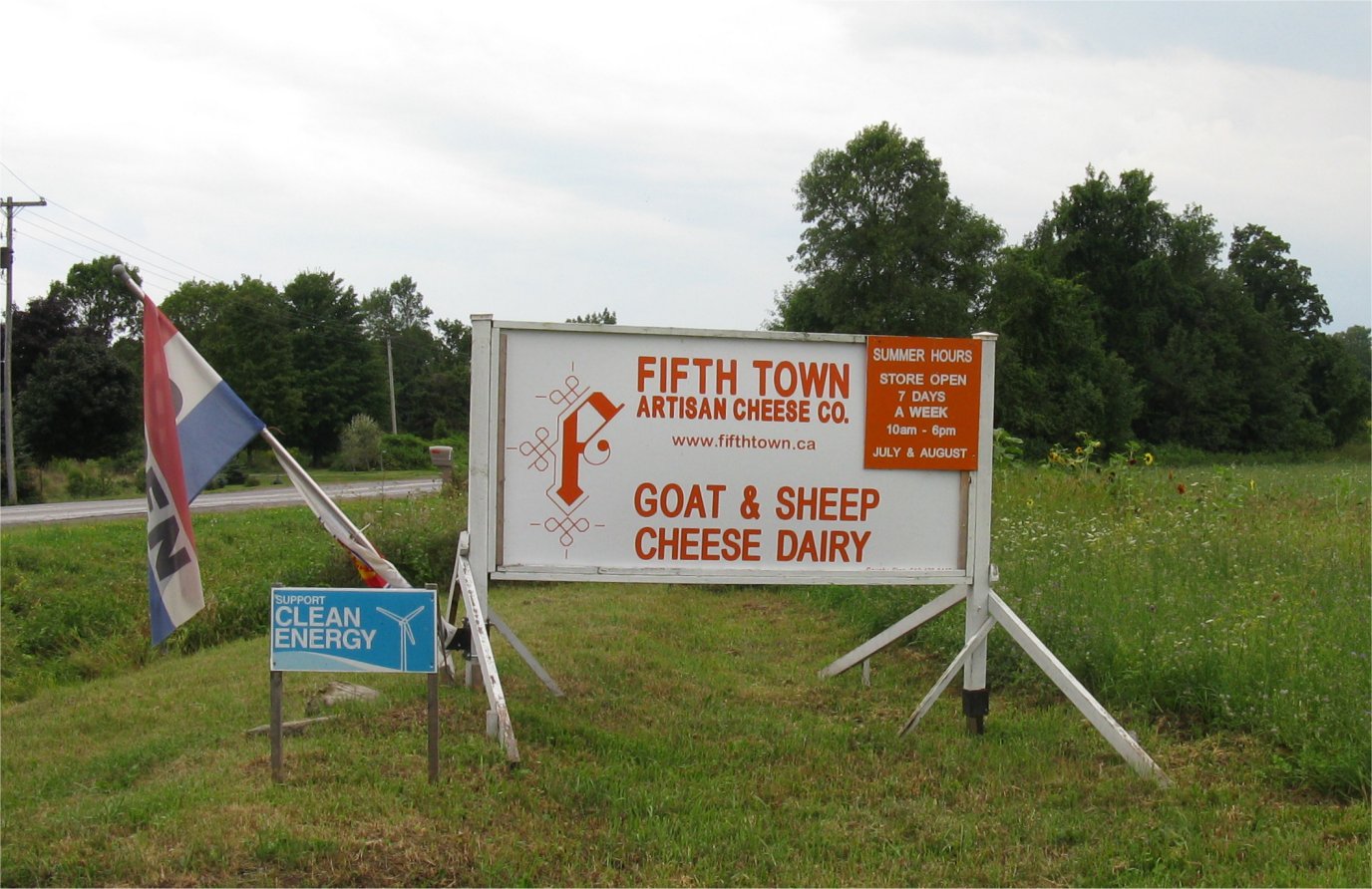
However, we certainly struck gold at Fifth Town,

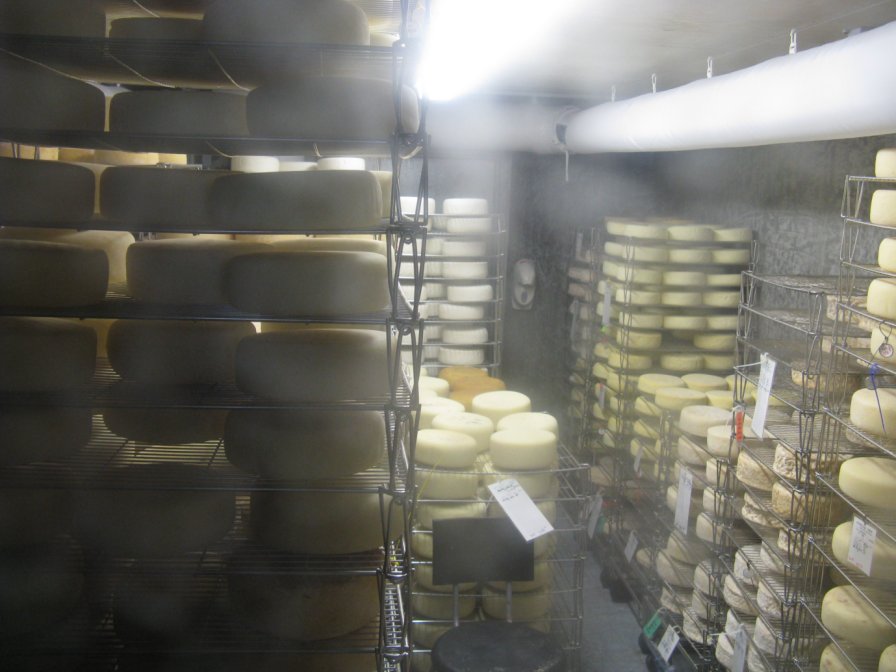
which bills itself as Canada’s Greenest Dairy, and boasts the only aging cellar in Ontario.

It had an excellent shop with many samples, as well as books and assorted condiments. I particularly liked the washed rind cheeses and a lot of others I didn’t buy, although we did what we could to keep the place in business.

Interestingly, they had a collection of poems on sale there by James McIntyre, aka The Chaucer of Cheese, proudly billed as Canada’s Worst Poet. But he can speak for himself (from Lines Read at a Dairymen’s Supper):

Then let the farmers justly prize
The cows for land they fertilize,
And let us all with songs and glees
Invoke success into the cheese.

Then it was goodbye Prince Edward County

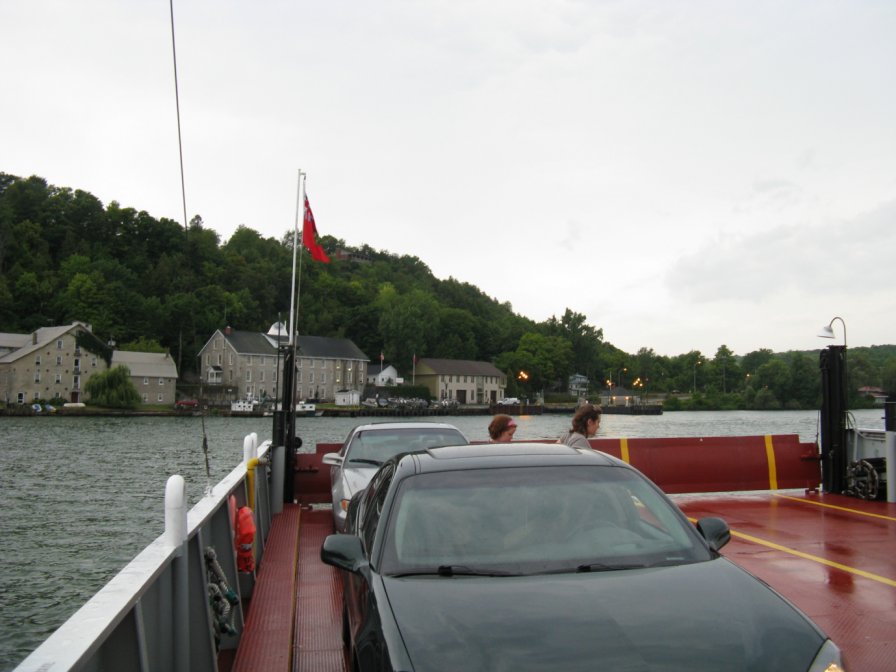
which we left by ferry (which is free, because it’s considered part of the highway system, which is an argument the BC government hasn’t accepted for our west coast ferries).

Food from local farms and Farmers without Borders

Although the town of Verona, Ontario may not be on the top of everyone’s visiting list, I certainly find its name euphonious and was delighted to find myself nearby last week. We had driven through it a couple of times before curiosity made us stop and have a closer look at a warehouse-like building on the main drag. It had a righteous name – Local Family Farms – but its exact purpose wasn’t completely clear from the outside.

Step inside though and you soon find something to fix on.

It is a charming and cheerful place. The owners are among the founders of the Frontenac Farmers Market and annual garlic festival. Without question it’s a great supporter of local producers, being part gift shop,

part grocery store, featuring lots of fresh produce plus local meats and cheeses, preserves and condiments, heritage grains, and an assortment of locally-produced food items including chips, chocolate and spice rubs,

and part local farm action hub (the shameful closure of Canada’s prison farms and the recent controversial sale of their dairy herds has caused major friction in this area of Ontario).

It’s also a pie shop.

They have recently acquired a pastry roller, which Kim the piemaker said had saved her wrists and her sanity this summer.

Also on offer were a few second hand books and knick-knacks, some handmade cards, and enough curiosities to make for a satisfying afternoon’s browsing. A very entertaining place to pass some time and cash across the counter.

Back in BC, anyone in the Sooke/Victoria area who wants to enjoy a top class meal and some fun-raising with Farmers Without Borders should plan to come along to a fund-raising dinner at Sooke Harbour House on Sunday September 19. Proceeds go towards a water supply for a Zambian farming community.


The Intervale: vegetables in Vermont

Just outside Burlington, Vermont lies 350 acres of fertile flood plain along the Winooski River, which has been preserved for sustainable farming since 1986 when the owner of a local garden supply company decided to turn a polluted, dangerous wasteland back into an agricultural area capable of feeding its community. The Intervale Center is a collection of organic farms, trails, wildlife corridors and projects administered by a nonprofit society. In 2007 the farmers of the Intervale grew an inspiring total of one million pounds of food on this land. Its farsighted compost project has been going since 1987 and now turns 30,000 pounds of kitchen and yard waste into commercial compost products for home gardeners.

We visited Diggers Mirth, a farming collective of 5 farmers working 15 acres. It’s been going for 18 years and has a solid base of buyers from local restaurants and also sells at Burlington’s biweekly farmers markets. Farmer Hilary Martin

showed us around; here she’s in the pepper patch where landscape fabric keeps the weeds down and the heat and moisture in the soil.

Known for its mesclun mix, and its carrots,

the farm also produces a variety of crops like okra, watermelon and soybeans,

sweet potatoes and squash

fennel and tomatoes.

Pests include flea beetles, which can make lacework out of cabbage leaves

and deer. On Vancouver Island the answer to these is 8 foot deer fencing; here it is 3 foot high solar-powered electric fencing.

The whole of the Intervale uses only organic growing methods, and the ecosystem seems to be thriving as a result.

Like all organic farmers, the Diggers Mirth folk are resourceful with their equipment. I liked the washing station which uses repurposed washing machine innards.

The Diggers Mirth delivery truck has lately taken to doubling as a veggie wagon, circulating through urban neighbourhoods like an ice cream van, blasting disco tunes and handing out free watermelon.

The farm dog finds his work occasionally exhausting.