Skip to content

Rhona

Poetry v. poultry

Aldeburgh ended with a lecture and a reading. At the crack of noon-thirty, our English comprehension was sorely tested by Don Paterson‘s speed-readings of a selected few of Robert Frost’s poems (West-Running Brook; Design; and To Earthward). He peppered his talk with a few high-falutin’ bits of terminology (autopoiesis, domain theory, thematic domain, emergence) which seemed to be summable as: Frost’s poems are highly crafted and admirably self-contained with imagery so integrated the poems are unimaginable in any other form. Well, quite: but much better said in a talk which we can only hope will soon appear on Paterson’s website where we can enjoy it at a slower speed.

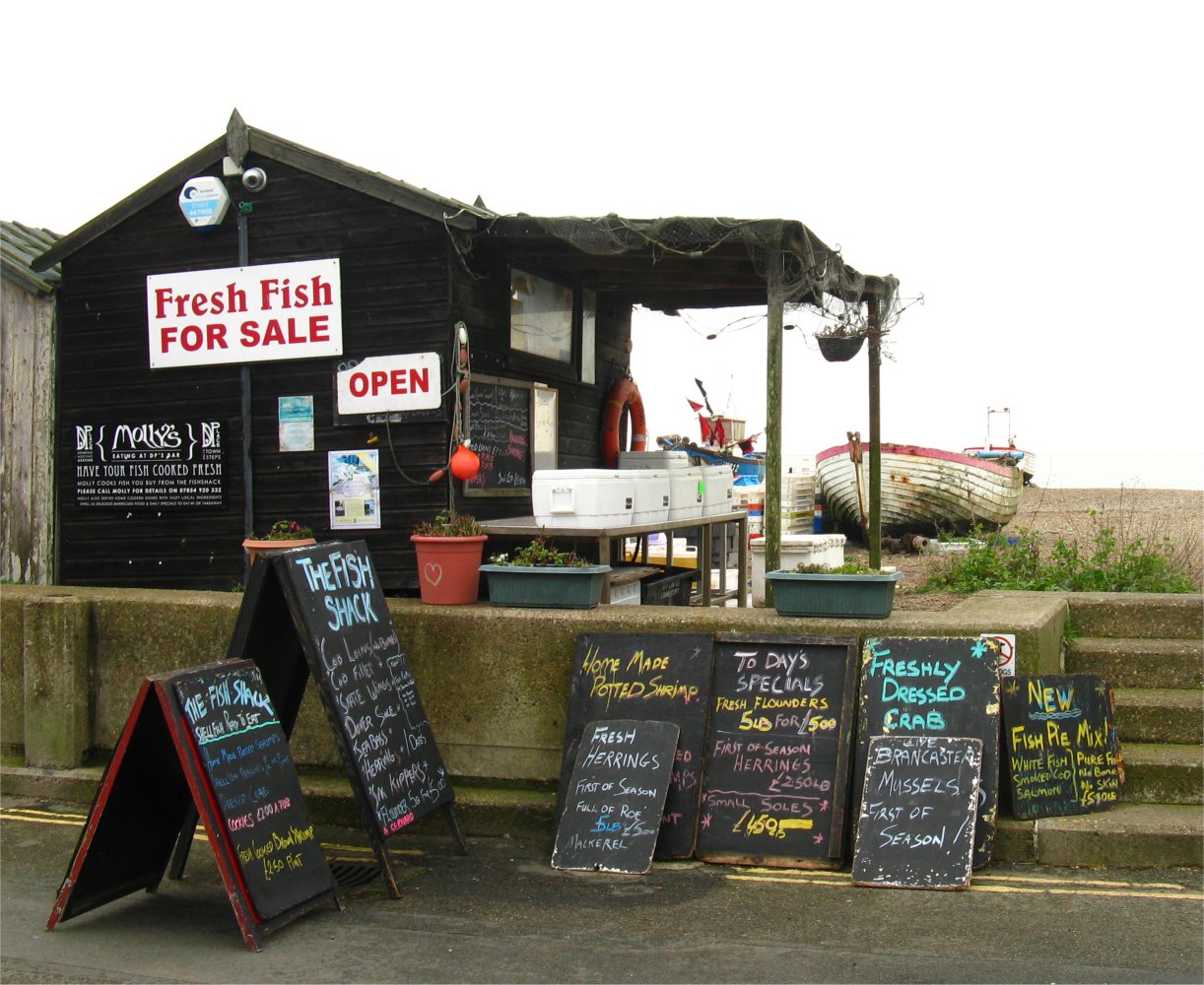
We sprinted out for some fish and chips

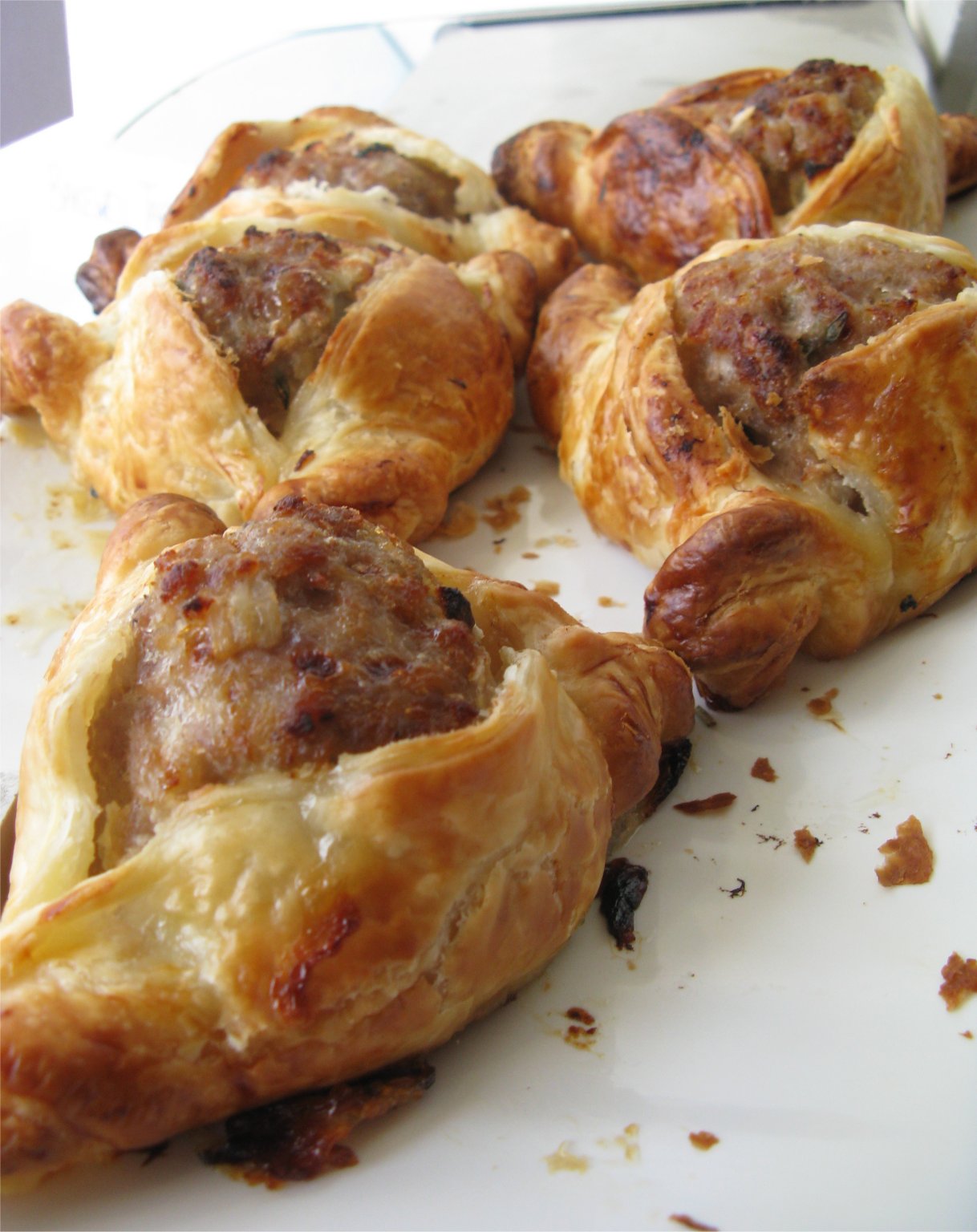
and were back in our seats – after a quick and admiring visit to Lawson’s Deli
and a sudden drenching by the changeable weather – in time for the final reading. We heard from Lars Gustafsson (Sweden), Marie Howe (USA) and Bill Manhire (New Zealand).

A couple of days’ rest and fasting in London ensued. Yesterday I roused myself and joined a small throng of sustainable foodies
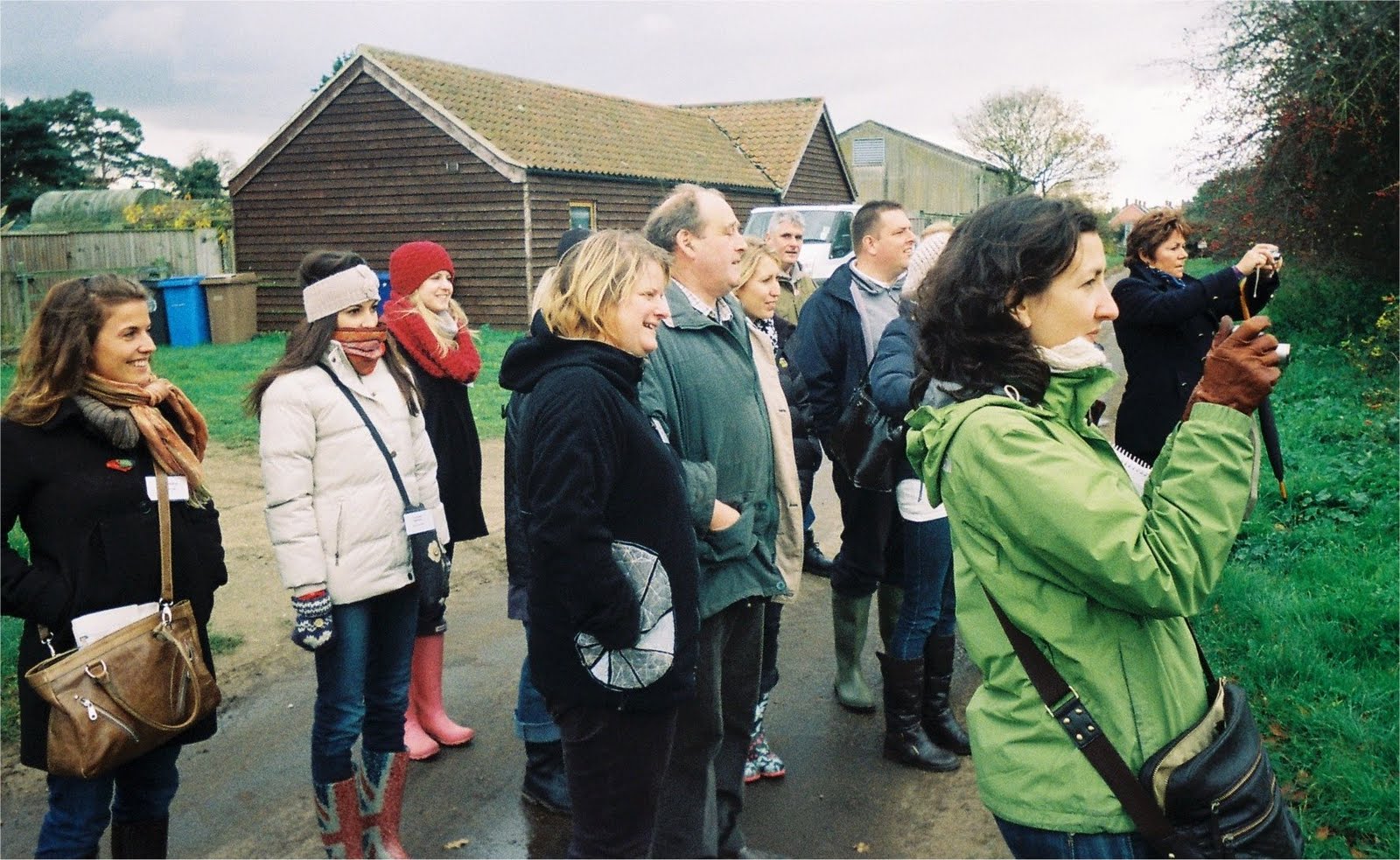
to travel to a different part of Suffolk for an Ethical Eats farm visit to Longwood Farm, run by Matthew and Louise Unwin. We were accompanied by Alison Mood from Compassion in World Farming, who gave a short presentation – somewhat hampered by technological glitches during the showing of this video on the treatment of farm animals.

After the talk, we were fed an enormous lunch featuring chicken and vegetables raised on Longwood Farm. We hoisted ourselves to our feet and with organic farmer and butcher Matthew Unwin

as guide, set off on a tour of the farm, which includes beef,
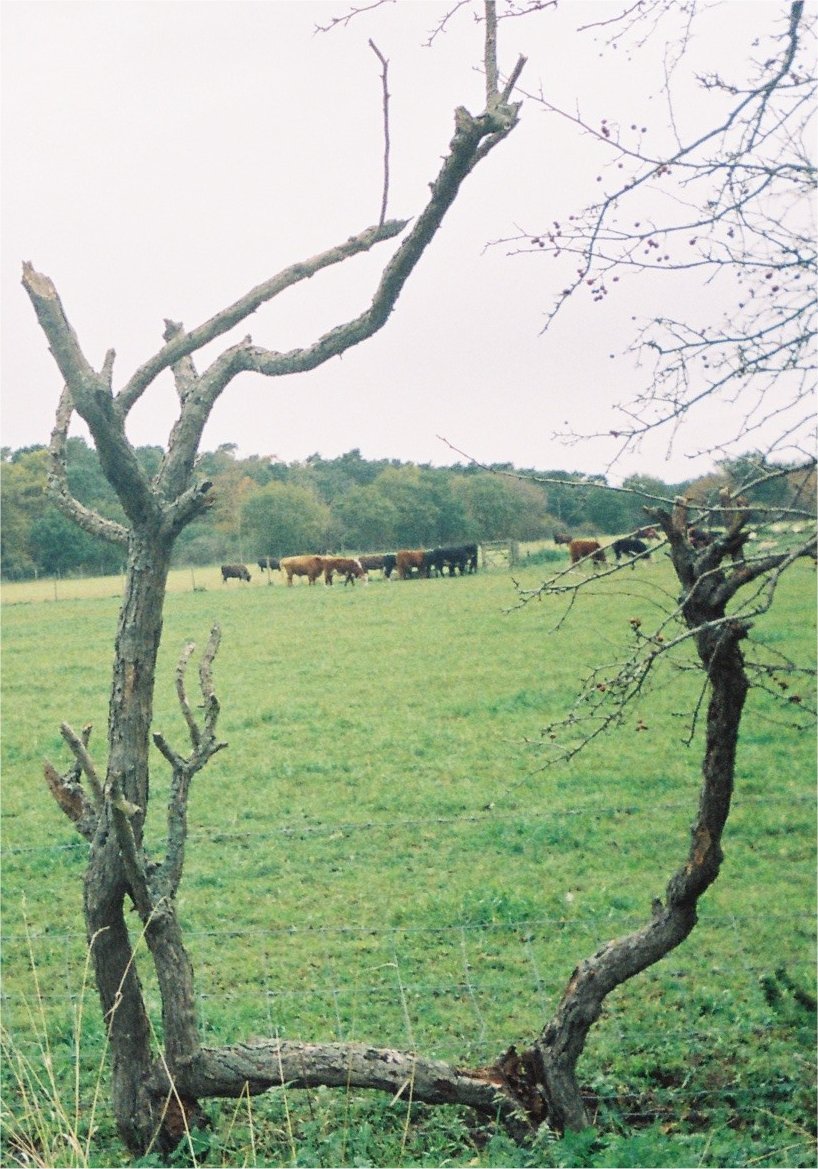
turkeys, chickens, sheep and geese (and an excellent farm shop stuffed with organic vegetables and grocery staples).

An organic pig farmer leases land on Longwood Farm as well, operating on a four-year rotation. This encourages soil fertility and the growth of forage crops for the other animals. The pigs are moved onto new ground as they’re weaned, so the process takes about six months each year.

A warm interlude in the chick barn, where week-old fluffballs were basking under a heat lamp and listening (no lie!) to The Archers. Where chicks are reared like these ones, without the medications routinely administered in conventional animal farming, organic farmers expect to lose a small percentage, particularly in the first week or so (he’d lost 14 of the 400 we saw). They are kept indoors and warm until they are about 3-4 weeks old, and given some heat until they are about 6 weeks old, after which they can spend the rest of their lives freely ranging (to meet regulations, two-thirds of their life must be lived free range). They live in sheds on runners, so they can be moved around the property, and at their earliest age can fall victim to a surprising list of predators: seagulls are the worst offenders, but rats and crows can also go after them.

We had a sobering lesson in fowl behaviour and the gruesomely literal imposition of the pecking order when we reached the farthest chicken barn. Most free range chickens like this are happy and peaceful enough, but every few years, says Unwin, there’s a savage lot – probably only one or two troublemakers who manage to rile the whole flock. They start fights that end up with one of their number killed, and then eaten (like pigs, chickens are not vegetarians – which we witness less queasily in their fondness for insects). He has been trying to identify the perpetrator but so far hasn’t found it, and in the meantime regularly finds corpses. These chickens are being reared for the Christmas market so will be slaughtered at 16 weeks when they are good and plump, so the problem won’t go on much longer for this group.

The turkeys were numerous and curious. Organic pasture-raised Kelly Bronze turkeys like these command about £12.50 a kilo. They take 6 months to rear and are then hung for 3 weeks. Their flavour, of course, is excellent as a result, and they are free of the medications that intensively farmed turkeys are administered from day one.
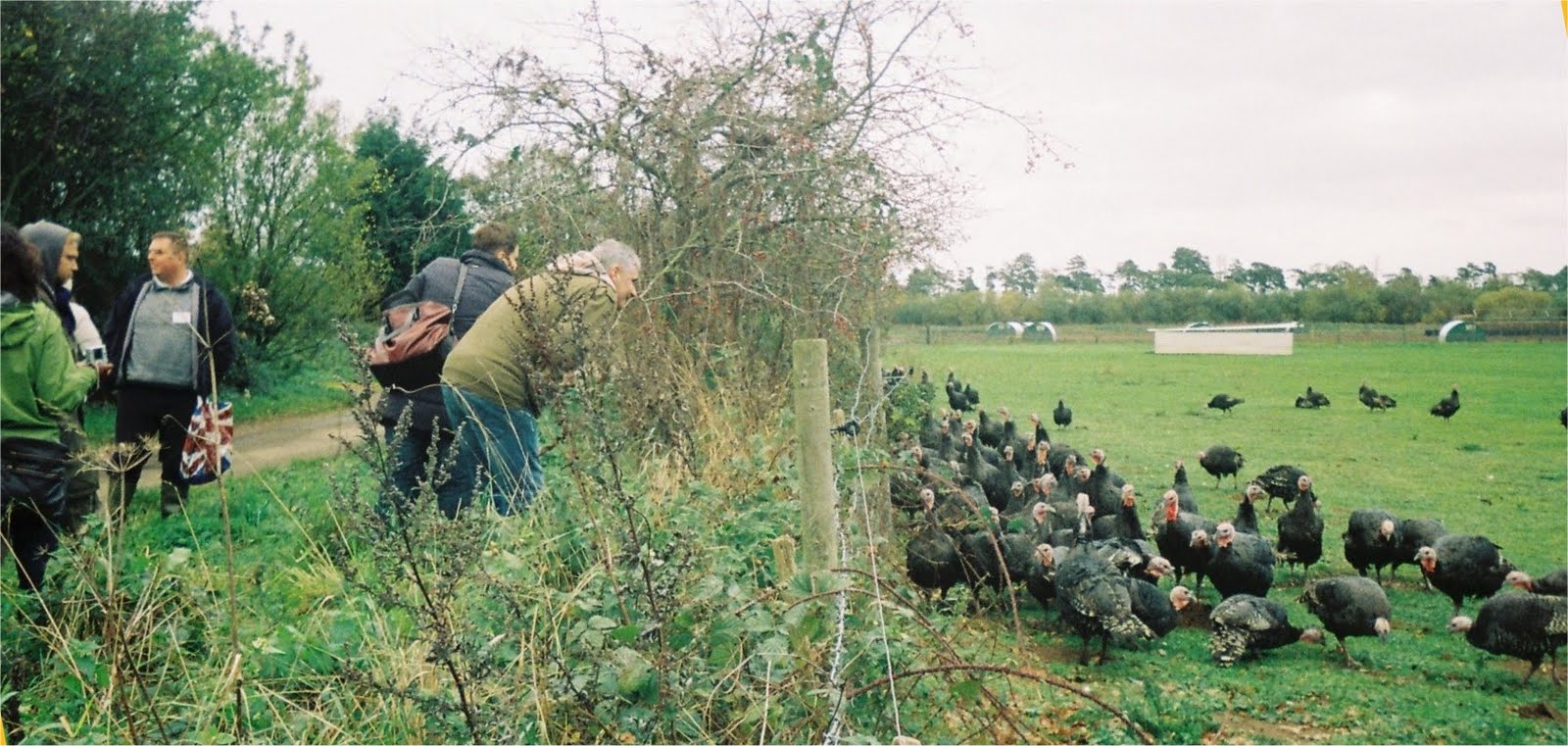
Unwin has a lot to say about the differences between organic and intensive farming. When discussing the price of his turkeys, he drew what I thought was a very apt comparison: while people are willing to pay a premium for quality in cars, acknowledging for example that there are good reasons why a Rolls-Royce or Ferrari should cost so much more than an everyday beater: but when food-shopping by price alone as we’ve been taught to do, consumers don’t recognise the comparable difference worth paying for in food. Which is endlessly ironic in this one consumable that we so literally consume.

(In comparison: intensively-farmed Broad-Breasted White turkeys – bred, as we all surely know now, to be so top-heavy they’re unable to breed naturally – are typically brought to slaughter weight at 4 months. Having legs too weak to support their weight, and being reared in overcrowded conditions, they do not develop a normal muscle structure, so the flesh of the Broad-Breasted White is soft and watery (partly due to processing which means they are soaked in a water bath, and may absorb up to 5% water as a result) and heavily oriented to white meat.)

Aldeburgh 2

A fairly full Saturday at the festival. We began with a morning reading by Harry Clifton

from his Secular Eden: Paris Notebooks – it was a set which included several lovely food poems and a gentle and intelligent humour; Imtiaz Dharker followed with performance-oriented work of which I most enjoyed her Bombay tiffin-carriers poem; and Elaine Feinstein who read from works including Talking to the Dead. She also managed to squeeze in one of her Marina Tsvetaeva translations.

After a quick sandwich in town, we hastened back to the hall to hear New Blood

which offered up three talented young poets: the confident and entertaining Caroline Bird; Jack Underwood and Luke Kennard. All young, all talented, what can you say but watch for more from them?

After a bit of workshopping ourselves, we had a good if slightly hasty supper at the Pelican (duck confit with red cabbage and parsnip mash was great)

and then back to Jubilee Hall,

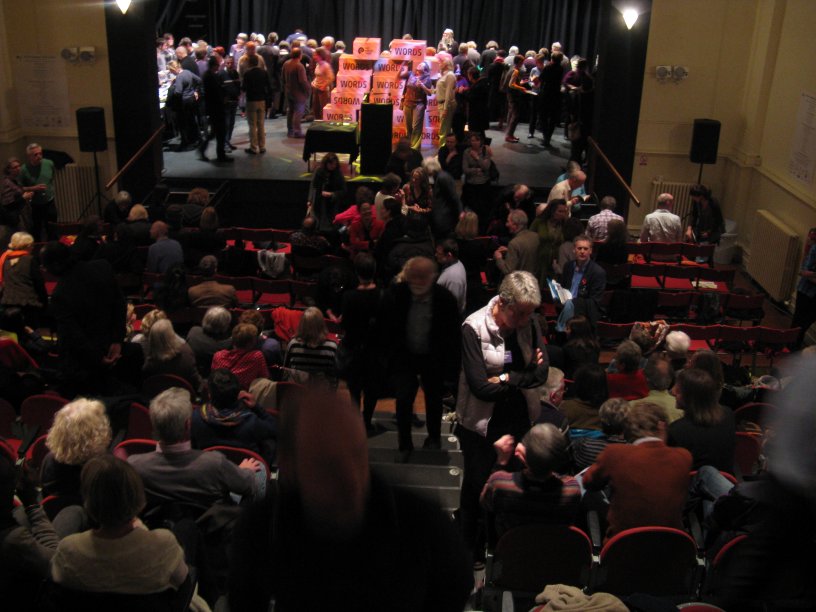
packed to the rafters for an evening reading which commenced with my personal favourite, John Glenday

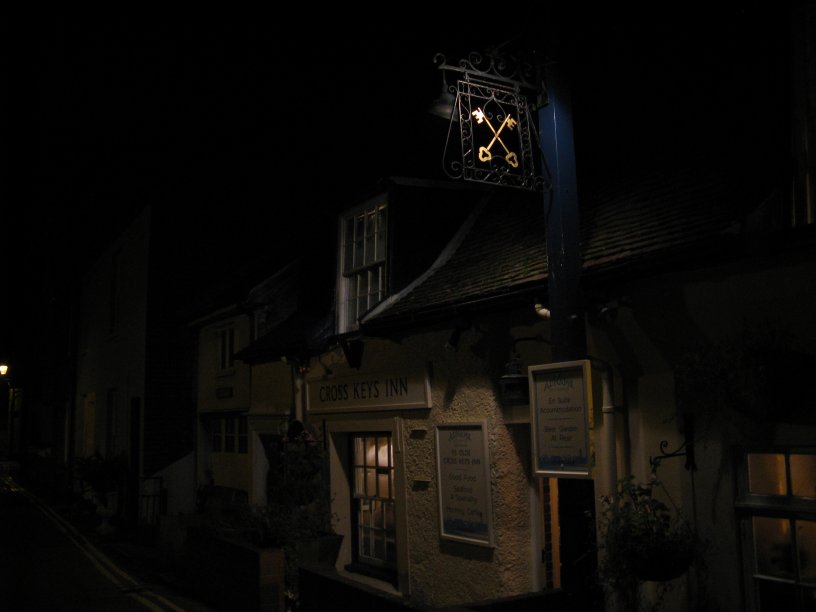
reading from his excellent new collection, Grain. We heard also from Dorianne Laux and Bernard Kops, and then repaired to the Cross Keys for a nightcap.

A is for Aldeburgh

American poet Marie Howe thought it was pronounced Aydelburg, but as we all eventually learn it’s really Ohld-brah. The Aldeburgh Poetry Festival celebrates its 22nd birthday this year and – though like all arts organizations is struggling for survival in rocky times – has brought back the usual throng of poets and readers for a weekend by the sea.

We arrived early, in time to dine on sole from the local farm shop’s sustainable fish shop

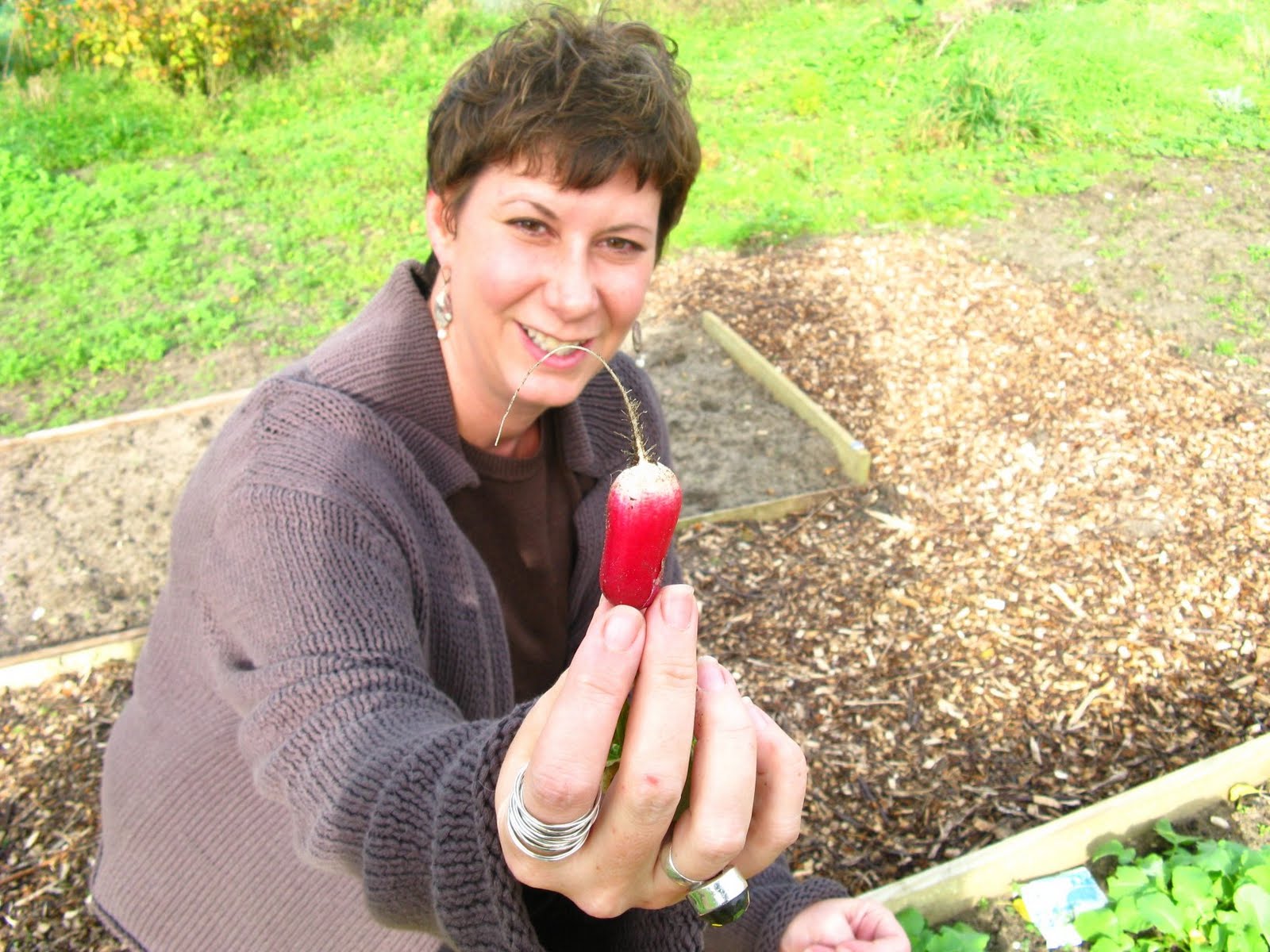
and check out Tammy’s allotment, where even after a late planting the radishes were flourishing

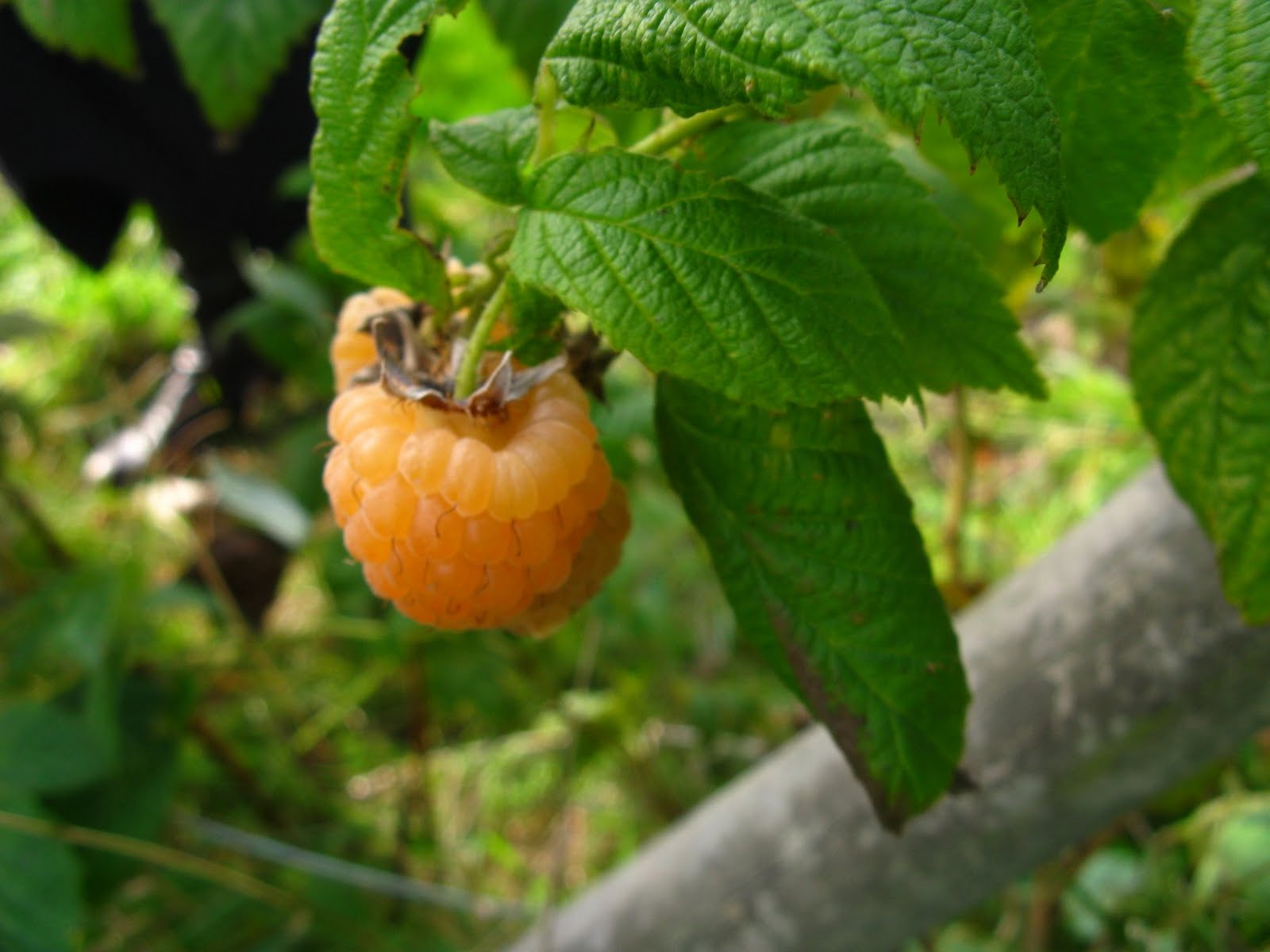
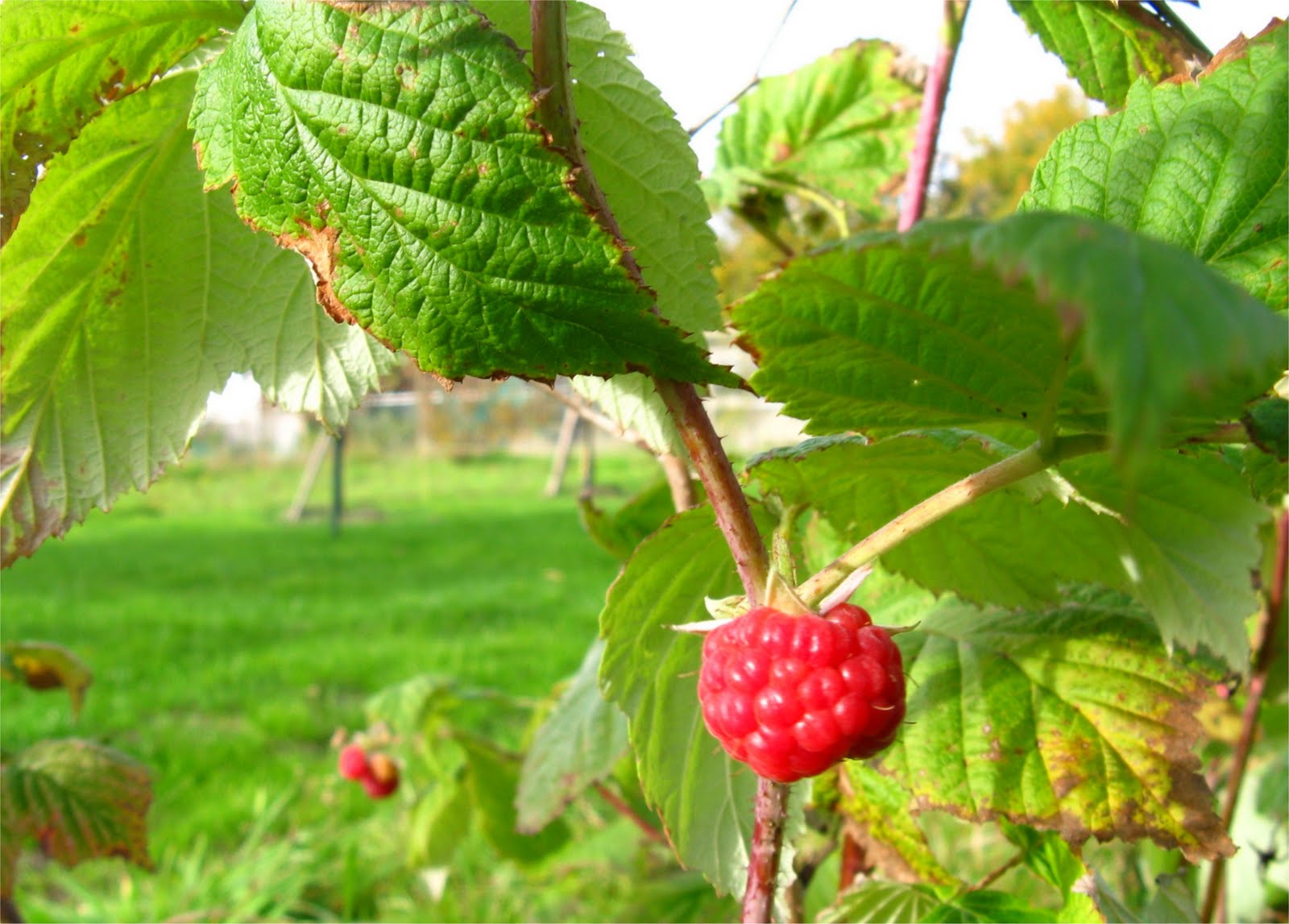
likewise the raspberries

and apples

and sloes, begging for gin:

After some heavy poetry workshopping, we fortified ourselves at 152 (feta-pomegranate salad and beetroot risotto with a natty parmesan chapeau for me)

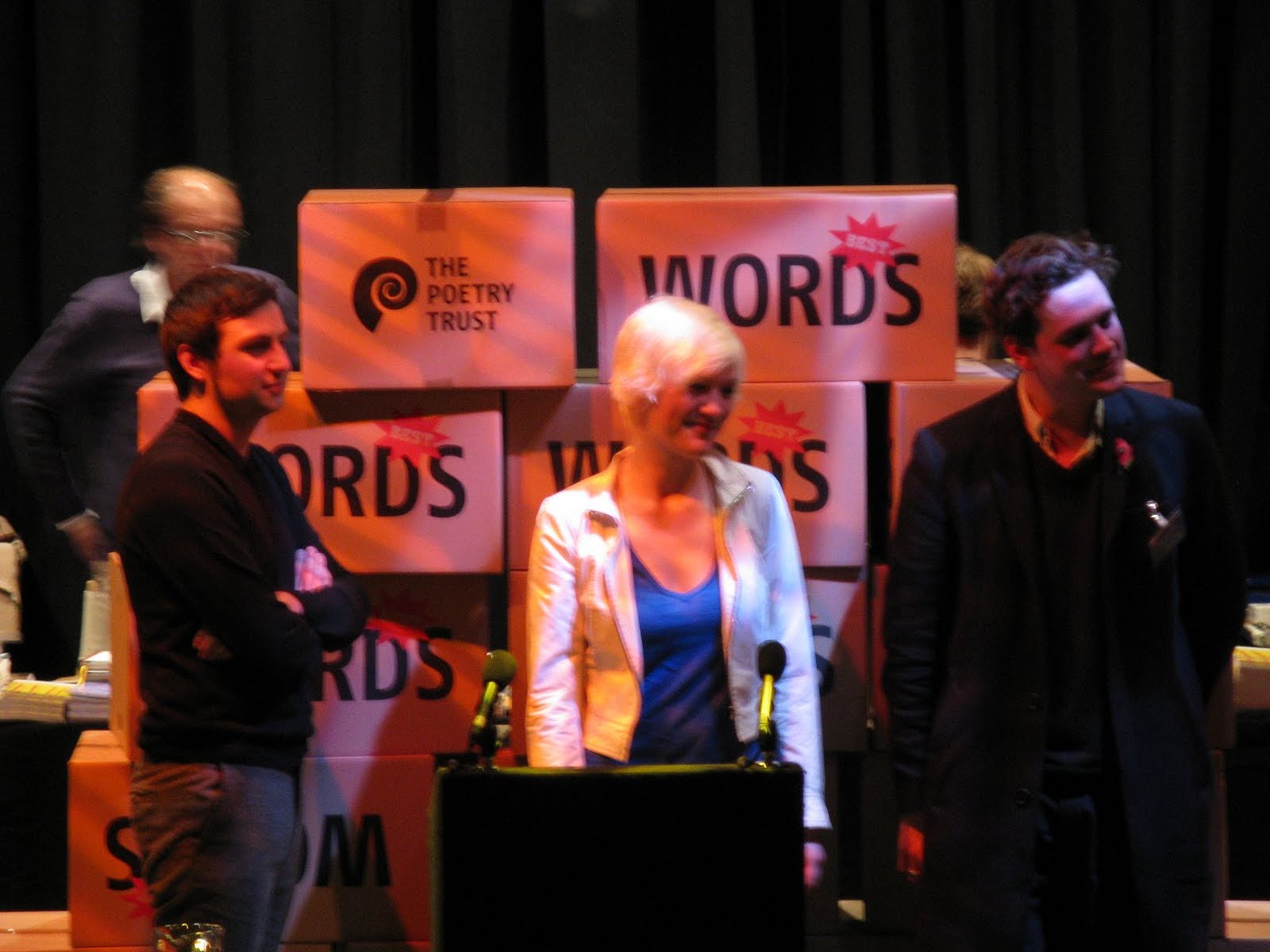
before taking in our first reading of the festival, where we heard J.O. Morgan, Matthew Caley and Don Paterson (who will be giving a lecture on Robert Frost as well).

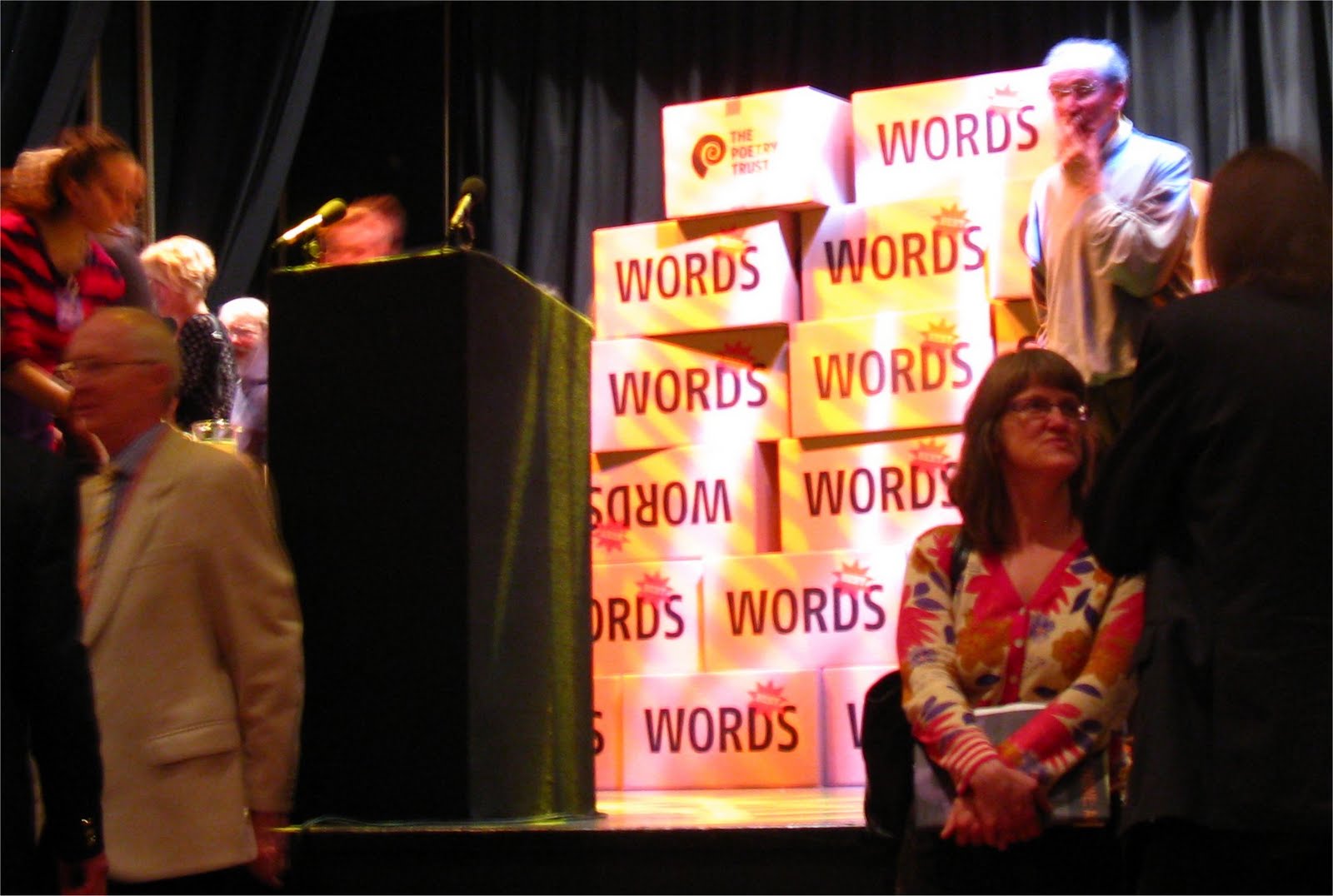
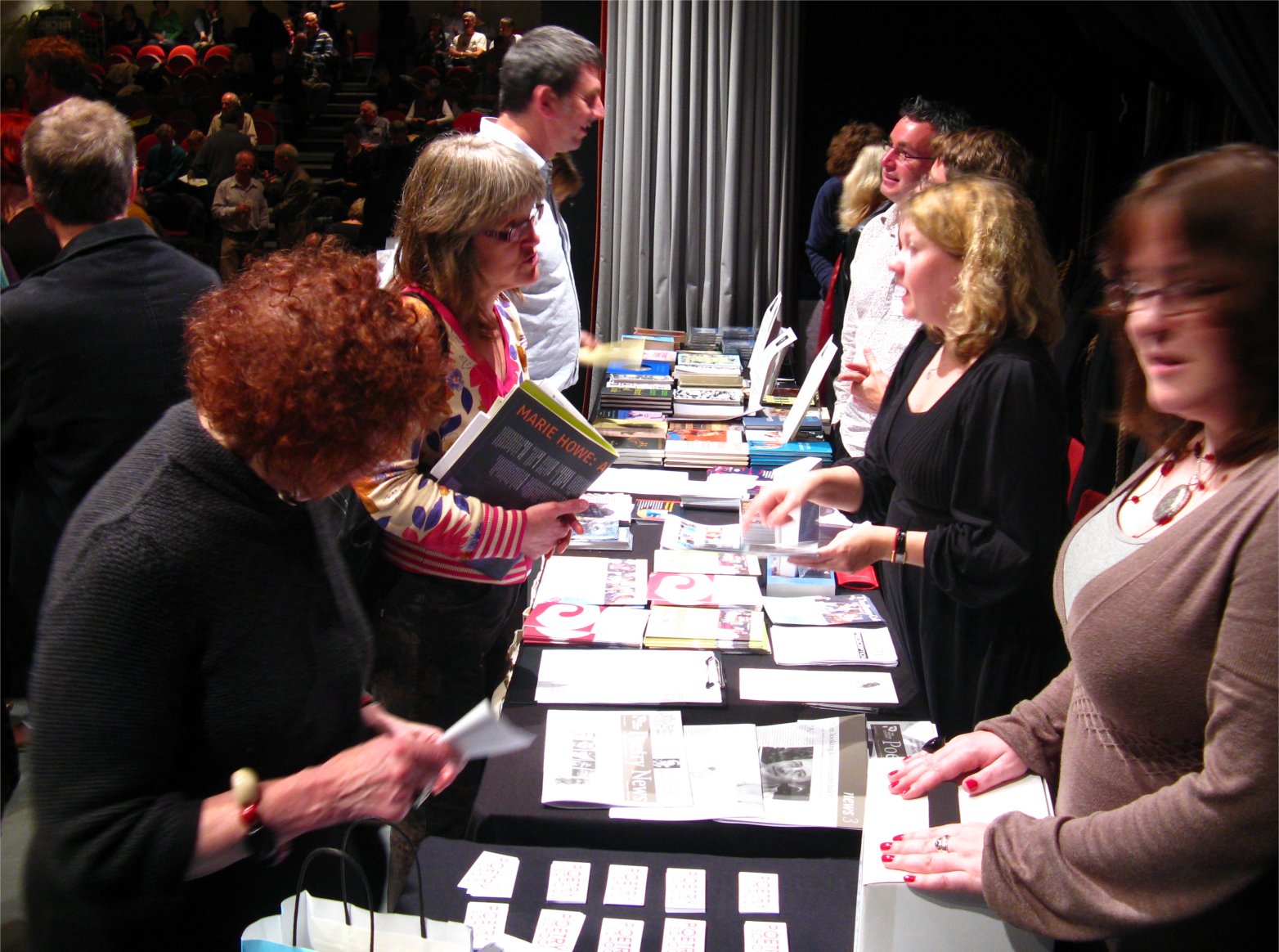
Several poetry organizations were represented (the Poetry Society, the Poetry Book Society, the Poetry School, and the Poetry Foundation)

and the book tables at the back of the stage were thronged as ever. My bags grow heavier, my wallet lighter.

London: British Library and Poetry International

Spent yesterday morning in the shadow of Newton

at the British Library’s Business & IP (intellectual property) centre, attending a workshop on search engine optimization. It was a fairly fleeting visit, not allowing time to go and breathe the studious air of the reading rooms, but lovely to be there nonetheless. I had to rush off up the road to Islington to see Nancy and Mike, who had laid on a lovely spread of Ottolenghi treats, the better to catch up on our mutual travels. They’d been to the Torbay Festival of Poetry and, well, I hadn’t. But I’d been some other places we could talk about.

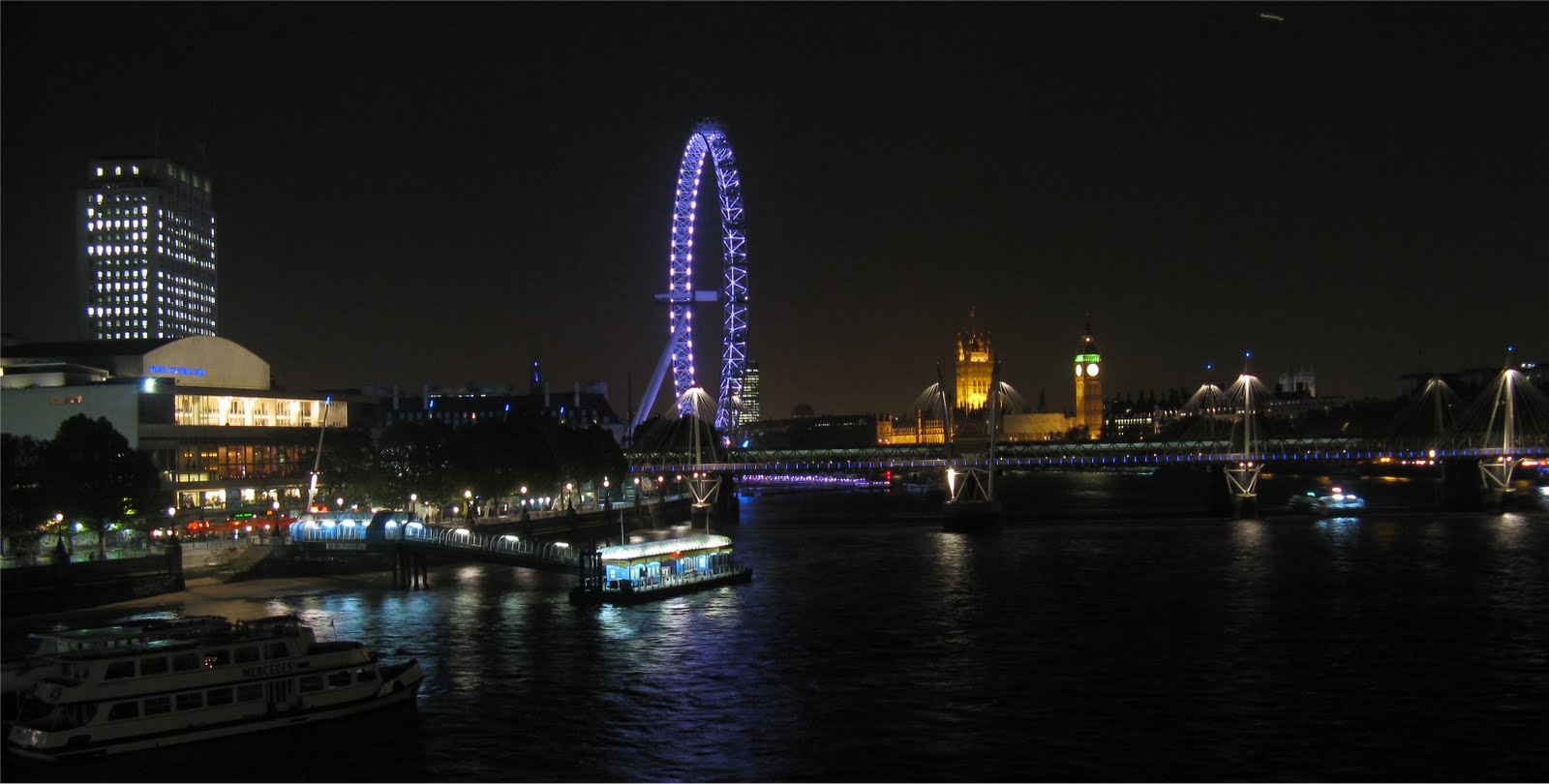
Then we all headed out to catch a bus, since it was a tube strike night, to get to the Southbank. Owing to all the extra road traffic, the bus ground to a halt and then chucked us all off early, so we walked along the Strand for a while and crossed over Waterloo Bridge with its admirable views of the Southbank, the Eye and Parliament.

Had it been light we might have taken a look at the Drop sculpture which I saw a couple of weeks ago.

But: it was dark, and we were there for a Poetry International reading, introduced by Simon Armitage, who’ll be in residence there for the next three years, seeing in the Poetry Parnassus project which aims to bring in 200+ poets, from all participating Olympics countries.

On this occasion we heard from six poets: Anne Carson (Canada), Kristiina Ehin (Estonia), Mimi Khalvati (UK/Iran), Bill Manhire (New Zealand), William Ospina (Colombia)

and Nii Parkes (UK/Ghana). Among my favourite readers in a very good evening were Anne Carson, reading from her gorgeous new collection, Nox; the amazing William Ospina, whose haunting works are sadly not available in English (but a small selection had been translated for the occasion); and Kristiina Ehin’s wildly entertaining reading which included some wedding songs: she warned us we’d find the melodies sad, and said this was because the idea is that if Estonian brides do not weep the night of their wedding, they will weep for all the years of their marriage.

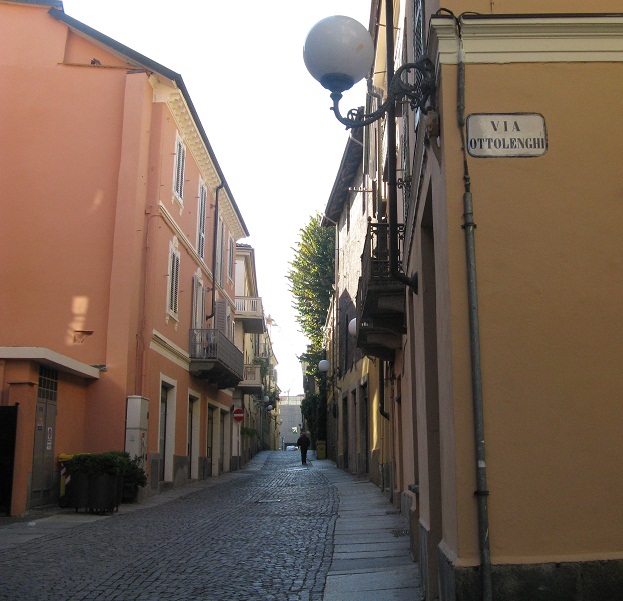
And now for a picture of a nicely named street in Asti:

Torino: food, glorious food

Around the corner from my hotel in Turin, there was a morning market in the square which had lots of to offer the food shopper, beyond all the designer knock-offs, budget tights and dodgy toiletries that seem to make up the bulk of street market wares in Italy. This stall, for example, offered herbs for teas:

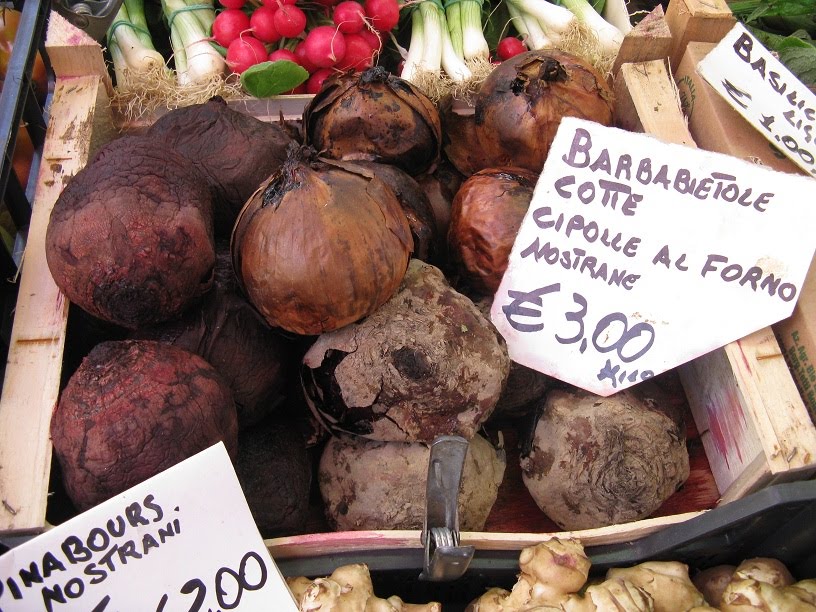
My new Italian word of the month, topinambours (Jerusalem artichokes – new Italian experience of the month was eating them in Asti the week before)

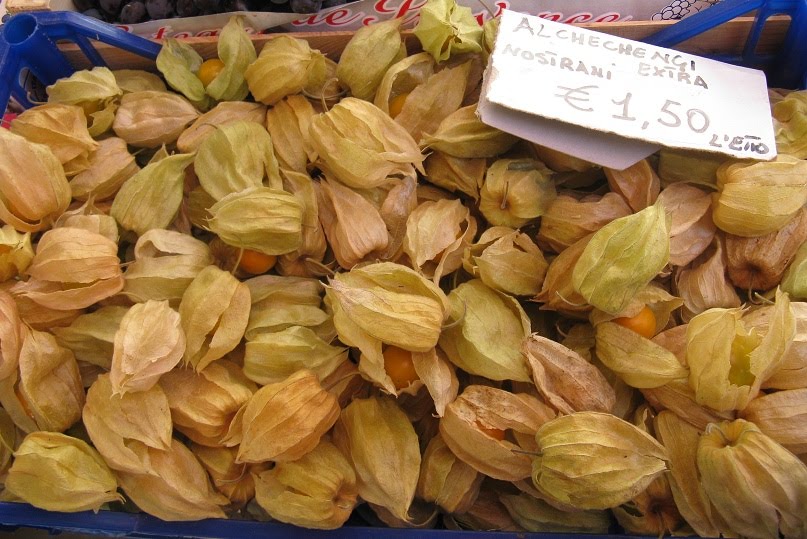
and another new Italian word: alchechengi (Cape Gooseberry/ ground cherry / Physalis)

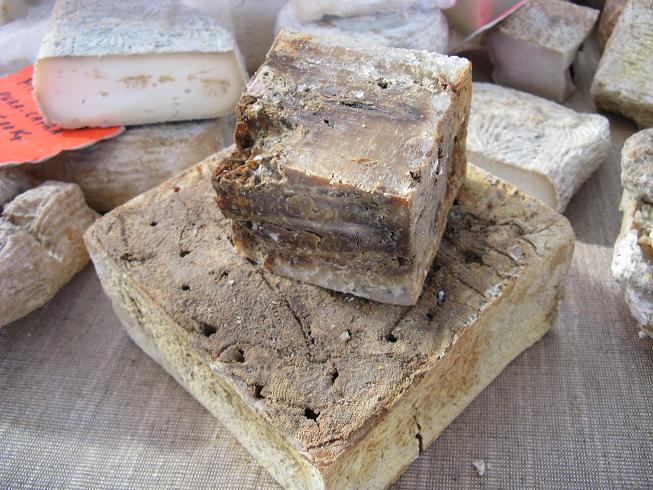
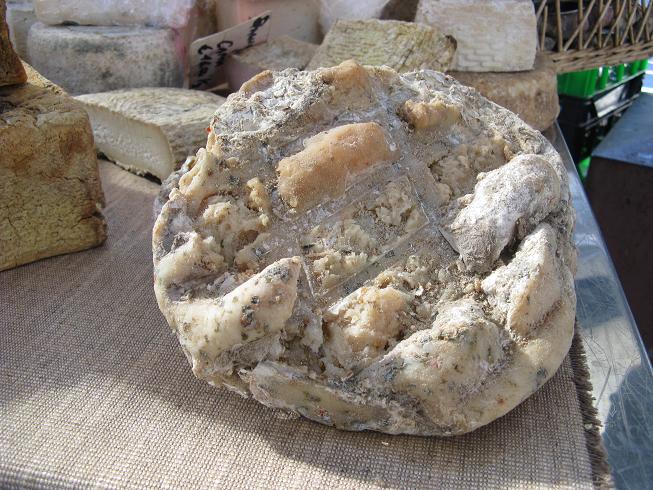
Of course there was cheese (several stalls)…

and the ever-popular baked beets (barbabietole cotte) and onions (cipolle al forno).

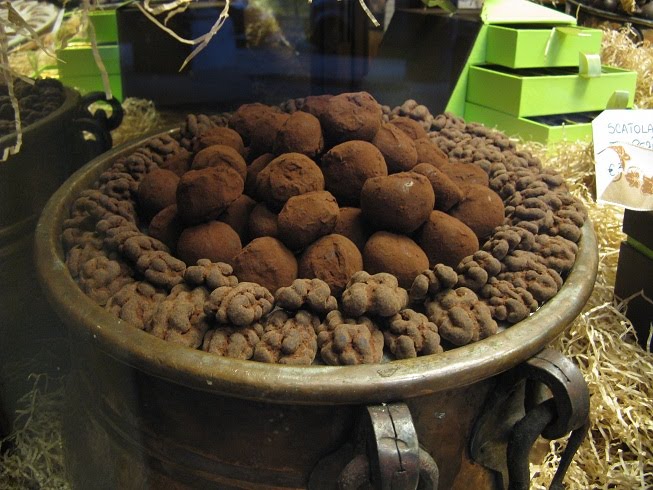
I also did a lot of window-shopping. Turin’s labyrinth of gallerias offer some magnificent window displays, like this one with its sugary treasures, everything from truffles and chocolate-covered walnuts, to marron-glacées, to Fungoni: “mushroom” éclairs hiding a hazelnut cream centre:

The Porta Palazzo market was much the same as I remembered from our visit in 2007; same tenements still standing, and perhaps still housing refugee squatters

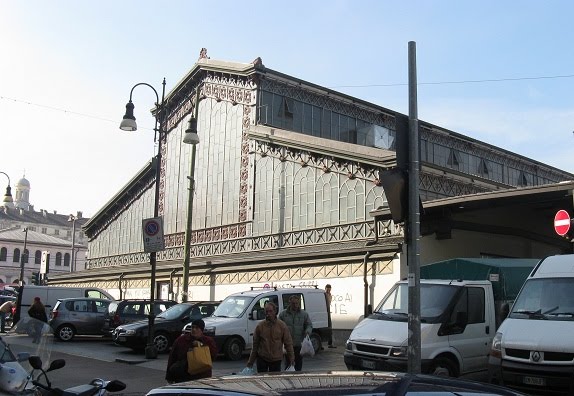
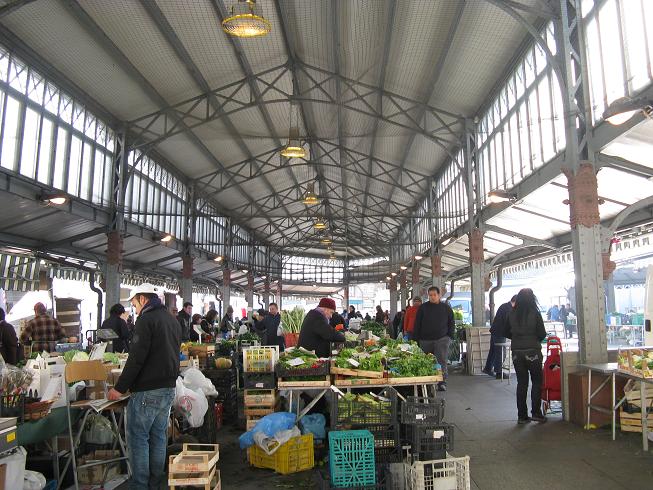
and the covered market – housing the farmers’ market area – still gleaming and seething with custom.

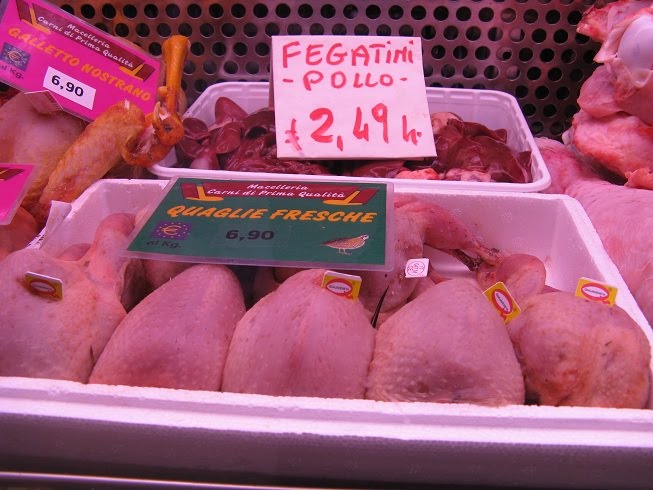
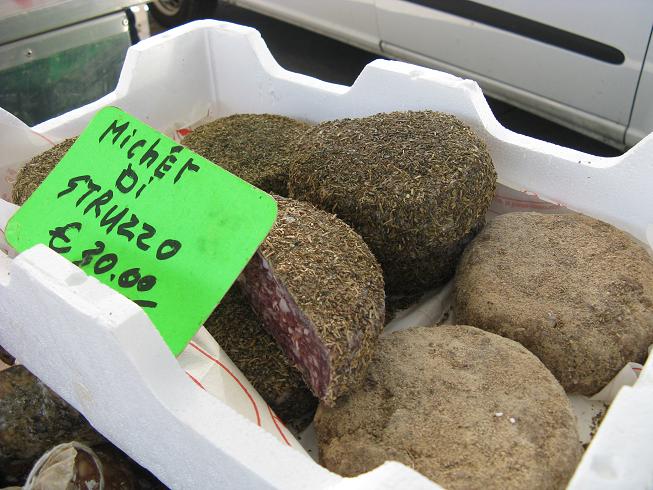
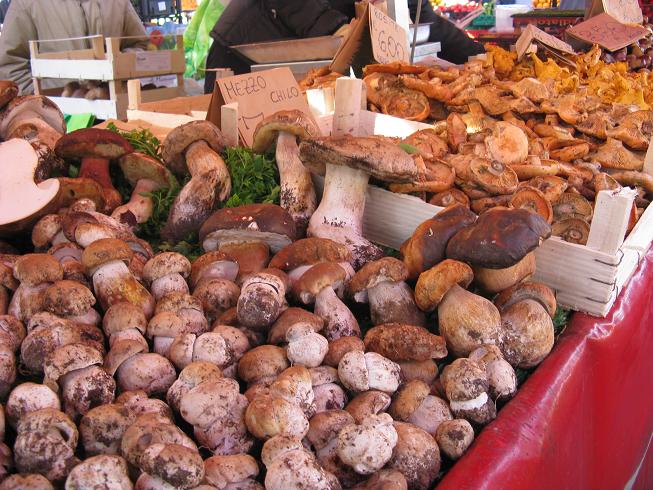
In adjoining buildings there was lots to browse, including meats processed and fresh, domestic and wild,

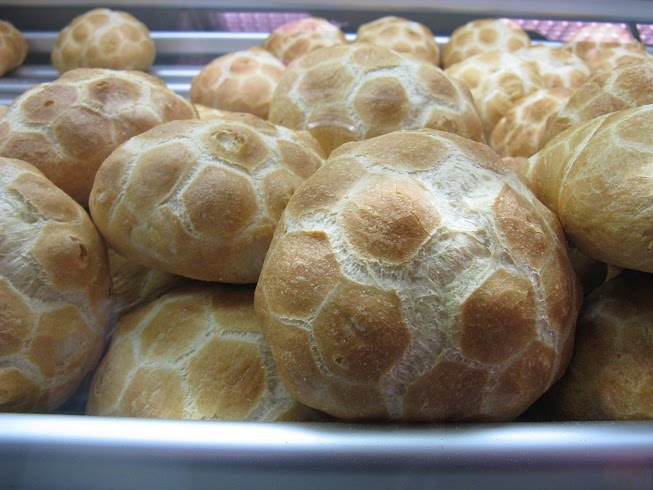
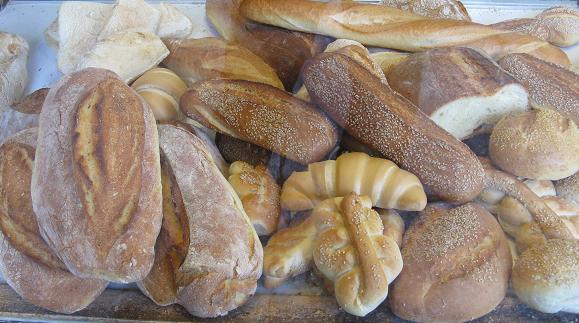
some bread

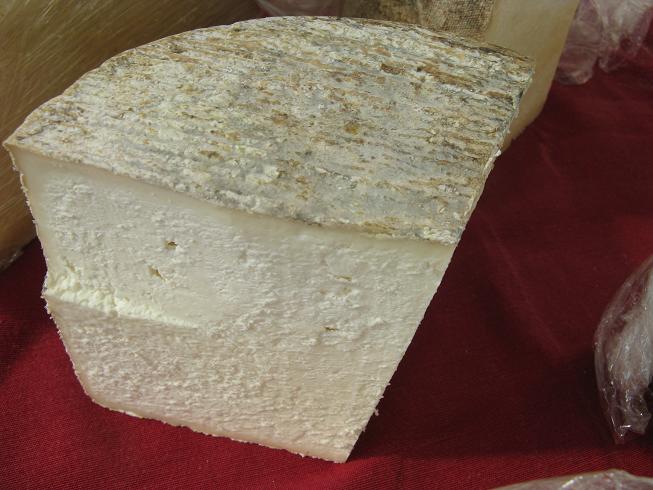
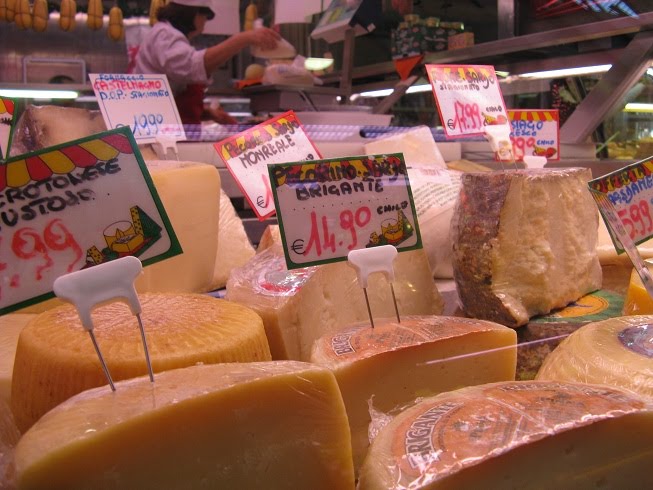
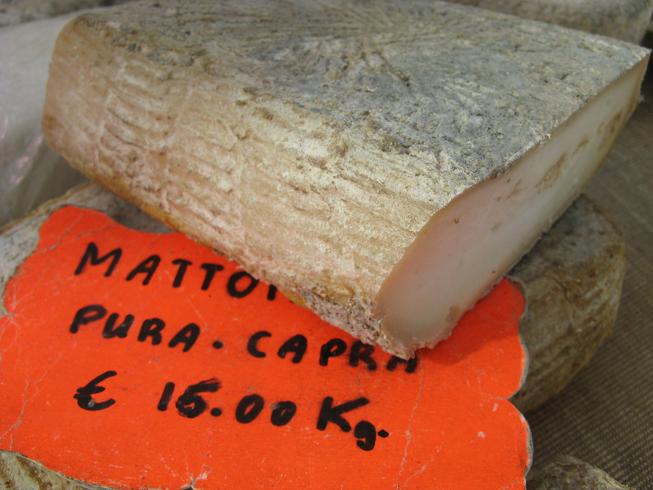
and lots of cheese.

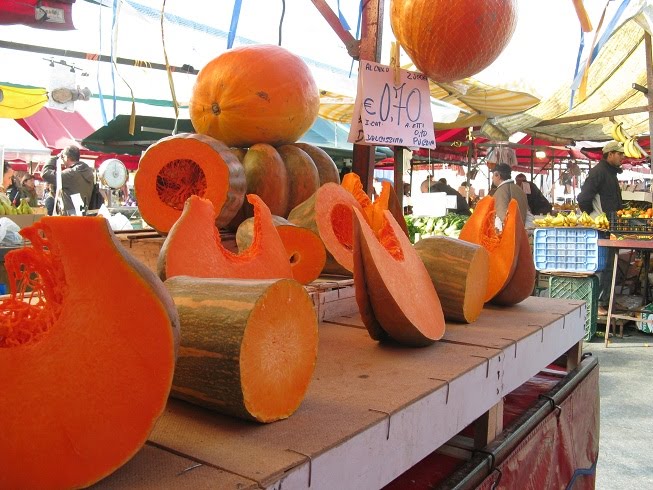
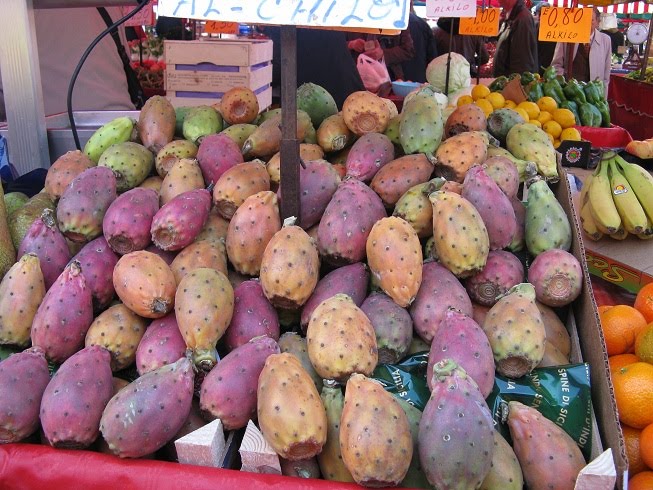
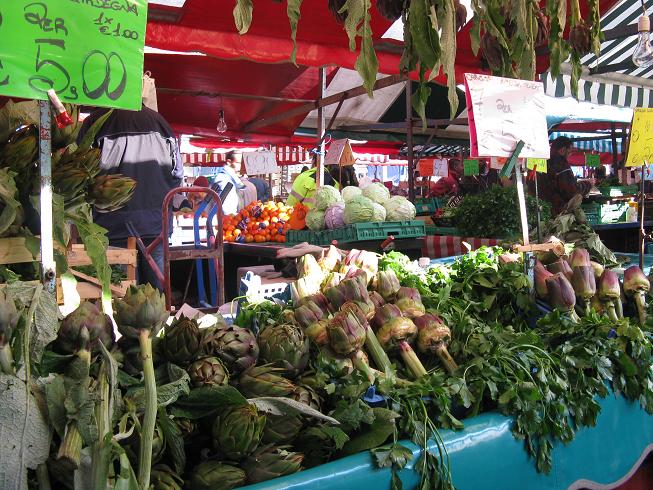
Meanwhile, stepping out the door from covered to uncovered areas, Europe’s largest outdoor market offered a reassuring sense of plenty on the stands that were mobbed with shoppers. There’s a large ring of non-food stands (clothing, cosmetics, flowers and so on) on the perimiter of the piazza, surrounding the food stalls in the middle. The shopkeepers did their best to out-shout one another, trying at this late time of day – around noon – to unload a bit more produce before they shut down.