-
Somewhere–
Read Full Post: Somewhere–I happened to hear a song on the radio yesterday, that I’ve been hearing all year: Somewhere Over the Rainbow/What a Wonderful World and I looked it up to discover the singer, Israel Kamakawiwo Ole, has been dead for a decade. The single was only released last year which explains its late arrival in my lalala. Other than his gorgeous voice and great tunes, two things took me aback when I looked him up. One was the enormous girth of the man – it was this girth which ultimately killed him at the age of 38 – and the other was that he and I shared a birthday. Well, here’s his greatest hit:
-
Another countdown
Read Full Post: Another countdownCommencing the last seven days in Parma; my final report is done, and must only be presented at Monday’s all-day marathon back on campus. Then there will be graduation festivities of various times. A few more visits to my friends at Poste Italiane and I’m outta here.
Not the most enthralling week. Monday was enlivened by the visit of an aspirapolvere salesman – my first door to door salesman in Italian. He was, he swore, more eager to show me the wonderful cleaning abilities of his product than to sell me anything, but left swiftly when I said I would not be living there much longer. I would have thought the complete absence of carpets would be a bit of a drawback too, but never mind.
The rest of the week I can’t really account for; a couple of coffees with people, and a lot of report writing and packing of boxes, half maddened by dodgy internet connections. Yesterday a long walk in the twilight in search of a quad band mobile phone to replace my more limited relic; I ended up in the horrific churn of Esselunga (its name means ‘long S’ – just like its rather unattractive logo) and with the help of the kind man at the electronics counter managed to achieve my objective and leave quickly. Happier still when I managed to find the English language settings on the phone and get it operational.
Today I’ve been reading something of relevance, as I cook my way through the remaining dry goods in my cupboard. It’s a continuation of earlier reports that British shoppers throw away a third of what they buy – which when you think about it, as Wrap has, is like throwing one of every three bags of groceries straight into the garbage. I would be hugely surprised if other developed-world shoppers throw away anything less than this; I haven’t seen anything that reports on Canadian food waste, but I did find a report from 2004 that said Americans don’t eat half the food they produce, although other reports suggest a more conservative one-quarter waste rate. Which I frankly don’t believe. Be that as it may, I’ve enjoyed the challenge of using things up. Leftovers cuisine: can there be anything more random?
-
Save the pumpkins
Read Full Post: Save the pumpkinsOh some people never change their spots. My most visible spots right now are in a living necklace round my throat: a string of fading mosquito bites which were my farewell kisses from Jerusalem’s insect population– who will miss me more than I miss them. And the ones I’m not changing are the ones that make me dither, delay, dally and defer when I’m supposed to be ploughing ahead on my final paper. Therefore it seemed very important to say a couple of things about pumpkins and water before another moment passed.
At this time of year when they’re practically giving pumpkins away, check out some ways to use them for food. I came across a recipe for roasted pumpkin and tamarind soup today too, which sounds mighty good. Lucky for me and my paper I am in an uncertain location for procuring tamarind, although it is doubtless available at the Hello Food Store, Parma’s source for just about any unusual food item, particularly Asian or African ones. And wigs, lots of wigs… one of those retail pairing concepts I just don’t want to know too much about, frankly.
And finally, in the season of damp, thoughts turn naturally to water. Though where I am maybe I wish there was a little less of it in the air, other places of course long for more. But whatever the weather, we need to keep access to water free for all. Here’s a modestly narcissistic thing to do about that. World Development Movement is creating a poster in support of better access to water, and UK citizens can add your smiley faces to the cause and yourselves to an electronic petition at the same time. Or maybe you’re starting your Christmas shopping: in which case, you could visit the WaterAid shop and buy someone an unusually thoughtful gift.


Latest Posts
- Writers at Word!
- Sublime and Twisted Readings coming up!
- Sublime
- Good weather for reading
- The world, the world
- Sublime launch!
Aldeburgh Poetry Festival Barny Haughton BBC BC poets Berkswell blackberries Black Stilt Bologna book launch Borough Market Carlo Petrini Catalonia Cyrus Todiwala dairy Daunt's Books Dijon Edinburgh Fanny Bay Feast of Fields Food and Morality food history food journalism Jenna Butler lardo Malahat Review Michael Pollan Okanagan olive oil tasting olive trees Omnivore's Dilemma Our Food Our Future Oxford Parmigiano-Reggiano Planet Earth Poetry poetry poetry readings Poetry videos prosciutto salumi Sean O'Brien Suffolk ticks Wendy Morton Wired Writing Yvonne Blomer
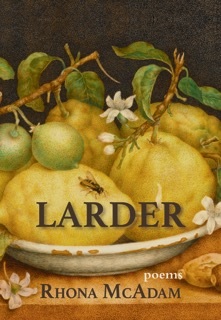
In her latest collection, Rhona McAdam navigates the dark places of human movement through the earth and the exquisite intricacies lingering in backyard gardens and farmlands populated by insects and pollinators, all the while returning to the body, to the tune of staccato beats and the newly discovered symmetries within the human heart.
“…A beautiful, filling collection, Larder is a set of poems to read at the change of the seasons, to appreciate alongside a good meal, and to remind yourself of the beauty in everything, even the things you may not appreciate before opening McAdam’s collection….”
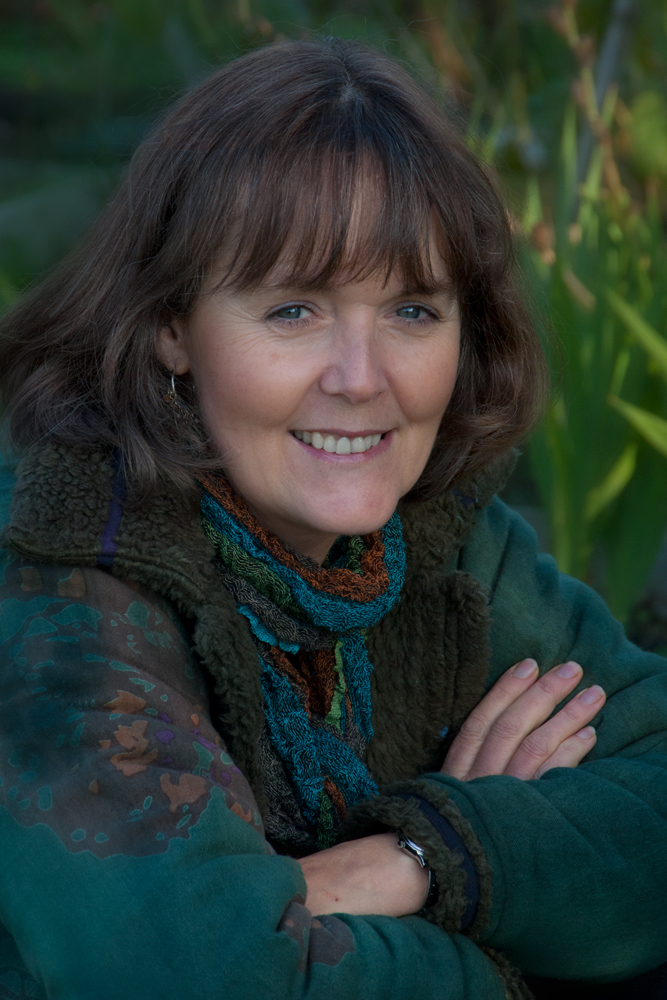
Rhona McAdam is a writer, poet, editor, and Registered Holistic Nutritionist with a Master’s in Food Culture from Italy and a deep-rooted passion for ecology and urban agriculture. Her work spans corporate and technical writing to poetry and creative nonfiction, often exploring the vital links between what we eat and how we live. Based in Victoria, BC, and available via Zoom, Rhona is always open to new writing commissions, readings, or workshops on nutrition and the culinary arts.