-
London Cooks

Recipease, Notting Hill More catch-up posting. London is receding into the recent past at alarming speed, as the present gallops along. Here are a few culinary memories of that still-recent visit. It was not as food -centred as some of my trips, as I was not there over long and more concerned with catching up than dining out, but there is much good food in London, and I had some very nice meals.
The Jamie Oliver cookery school/cafe in Notting Hill, Recipease,
 had lured us in for carrot pancakes, on Pancake Day – and then, near the end of my stay, to a cookery class. The school and cafe are perched a floor above the glass-walled Recipease kitchen and shop. Lessons are taught around an open square within which the instructors move from student station to student station, and diners can look on while they dine. We chose North Indian Thali, which turned out to entail a demonstration (dhal) and some hands-on (chickpea masala, crispy spiced okra, puri bread from scratch, and stir-fried vegetable salad) cooking. After which we ate our own cooking, accompanied by rice, dhal and a mango puree.


I’d also made the required pilgrimage to Ottolenghi‘s Islington shrine, where the meringues beckoned and the salads gleamed. Everything always so beautiful there.


And elsewhere: home cooking isn’t too shabby when it comes in the form of anchovy-draped tuna-stuffed peppers. Another day I had a nostalgically quirky dining experience at the Maja cafe, in the ground floor of the Polish Social & Cultural Centre, where the pierogies were ample and the golabki available in both meat and vegetarian forms; brought back memories of Edmonton’s Ukranian fare. On another day we went to the Black Dog in Vauxhall, accompanied – of course – by a black dog, who napped beneath the table while we tucked in – a perfectly beautiful beetroot salad (with three colours of beets!) for me. And (hear this, food inspectors everywhere!) even with a canine companion so close by, I can confidently state that nobody caught rabies, supped on dog hair or perished from being in the same room as an animal during that meal.


-
Food & Hubris

Stem-sellers: Fiona Watt, Mark Post The last of the Feed Your Mind lectures I was able to attend at Kings College was Creating Meat with Stem Cell Technology, a presentation by Mark Post of Maastricht University. He was behind the “stem burgers” launched with great media attention last summer. No risk they will be hitting store shelves soon as each burger, he said, cost €250,000 to produce.
It was a fairly technical talk: Post explained the constraints of working with stem cells to create food. For example, the most popular cell culture medium in labs nowadays is derived from mouse tumours, and this would not sound, well, appetizing for food production. Instead he’s going to try using the protein fraction left over from algae-based biofuel production. Ultimately he’s aiming for a source of stem cells that doesn’t require bovine input – since he is trying to make cattle extinct, and he’s keen on sustainability. He seemed genuinely hurt that his work has been dubbed “frankenfood” and “lab burger”.
Because his aim in doing this work, he felt, was in the greater good. He wanted to raise awareness and offer solutions to the problems of food security in a time of mushrooming population growth. Humans, he said, have a taste for meat; in order to provide it, we must rethink our unsustainable methods of growing it, so that we can devote more of our dwindling arable land to growing fruits and vegetables.
There is so much wrong with his thinking I hardly know where to start. Firstly and most importantly (one might think), the nutritional value of cells grown in a medium consisting of amino acids, vitamins and sugar will never be comparable to that of food from animals raised on plants, water and sunshine. But his talk never touched on nutritional concerns.
Have humans learned nothing from our extensive attempts to mimic nature? Think margarine. Think beta-carotene supplements. Think high fructose corn syrup. Still, we’re facing a generation of humans who have lost their ability to cook, to identify foods, to taste the difference between real and artificial food flavours, or to take responsibility for their food choices. He cited a survey of Dutch people, 75% of whom had said they might be willing to give stem burgers a go. To those people, artificially grown meat might be an acceptable thing to put in their mouths, but it won’t properly nourish their brains and bodies: we will have to wait to see what the deficiencies do to our species.
Secondly, while current methods of intensive livestock production are certainly wrong and unsustainable, using arable land for industrial fruit and vegetable production has been shown repeatedly to be the least sustainable method of feeding a growing world. Post did not appear to be aware of the damage wrought to topsoil, ecosystems or microbial life by monocropping and large-scale agriculture. Nor did he give any sense he knew of better alternatives like permaculture or grasslands management.
But it is not in Post’s interests to know these things. A vascular biologist, his job is obtaining grants to do lab research. And he has been successful in doing this, with two years’ worth of funds in hand to try to eliminate animal-based cells from “meat” production; to improve the taste, smell and texture of stem cell “meat”; to bring down production costs; and to work on the regulatory path needed to approve this as a novel food.
The best and final question of the session came from a chef in the audience, who wondered if this substance from stem cells was going to be to meat as infant formula is to breast milk. Post did not seem to understand the question and with spectacular hubris said in fact he hoped they could make this product better than meat by isolating and removing the harmful qualities of it which cause, for example, colon cancer — once they figure out what those qualities are.
-
London – food & drugs

Mystery revellers at Westminster Gorgeous springtime weather here in the UK, which has earned it after a sodden couple of months. Last weekend it hit 17c on Sunday which brought all the picnickers out in force. Primrose Hill was littered with everyone and his dog, and the market at Camden Lock was seething. It’s not the market that was during my day, but I was pleased to see a few things have endured, like Marine Ices and Belgo Noord. But the market itself – once a jumble of knick-knacks, housewares, jewelery, and oddities with a bit of food – has become one big street food extravaganza with little else on offer. If you’re hungry and willing to eat and run, it’s the place to be on a weekend. But otherwise, other markets.



I’ve managed to arrive in time to attend some of the free lectures on offer at Kings College London in its Feed Your Mind series. I went to the well-attended first session, Obese London, to learn about obesity rates and their consequences for Londoners. These are highest among immigrant populations, whose diet plummets away from traditional foods into heavy consumption of the worst foods (chips, sugary drinks, chocolate, sweets and processed foods) the longer they’ve been in the country. And of course these deliver obesity and its associated chronic illnesses including diabetes, hypertension, cardiovascular disease and higher mortality.


Yesterday I headed to KCL’s Guy’s Campus, in the shadow of the Shard, and arrived as the Tuesday farmers market was underway. The afternoon’s entertainment was called Hot & Spicy Drugs, which focused somewhat disappointingly and pretty much exclusively on capsaicin (the heat in chilli peppers) and its possible uses in pharmacology. I’d been hoping for a bit more talk about more of the hot & spicy foods and their uses both traditional and pharmacological, but I learned some interesting things. Birds lack the receptor protein that gives chillies their heat; drugs that block this receptor in humans have been developed but are not used since they also block our ability to feel external heat, which seems a pretty undesirable side effect. Applied topically, capsaicin (after an introductory period of discomfort) has a desensitizing effect which can help a lot of kinds of neuralgia and neuropathy. Capsaicin creams and patches have been found to be helpful in relieving pain associated with arthritis, shingles, psoriasis and a number of other conditions. And we got to do a taste test with randomly assigned chocolates with different amounts of chilli in them; as might have been expected, the perception of heat varied wildly among tasters.
Tomorrow I’m off to hear the creator of meat from stem cells, Professor Mark Post of Maastricht University, extoll the virtues of stemburgers. Yum.


Latest Posts
- Sublime
- Good weather for reading
- The world, the world
- Sublime launch!
- Planet Earth Poetry – Readings by Volunteers, Victoria 2026
- Poetry at the Goldfinch
Aldeburgh Poetry Festival Barny Haughton BBC BC poets Berkswell blackberries Black Stilt Bologna book launch Borough Market Carlo Petrini Catalonia Cyrus Todiwala dairy Daunt's Books Dijon Edinburgh Fanny Bay Feast of Fields Food and Morality food history food journalism Jenna Butler lardo Malahat Review Michael Pollan Okanagan olive oil tasting olive trees Omnivore's Dilemma Our Food Our Future Oxford Parmigiano-Reggiano Planet Earth Poetry poetry poetry readings Poetry videos prosciutto salumi Sean O'Brien Suffolk ticks Wendy Morton Wired Writing Yvonne Blomer
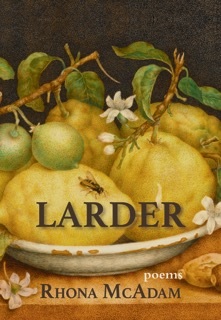
In her latest collection, Rhona McAdam navigates the dark places of human movement through the earth and the exquisite intricacies lingering in backyard gardens and farmlands populated by insects and pollinators, all the while returning to the body, to the tune of staccato beats and the newly discovered symmetries within the human heart.
“…A beautiful, filling collection, Larder is a set of poems to read at the change of the seasons, to appreciate alongside a good meal, and to remind yourself of the beauty in everything, even the things you may not appreciate before opening McAdam’s collection….”
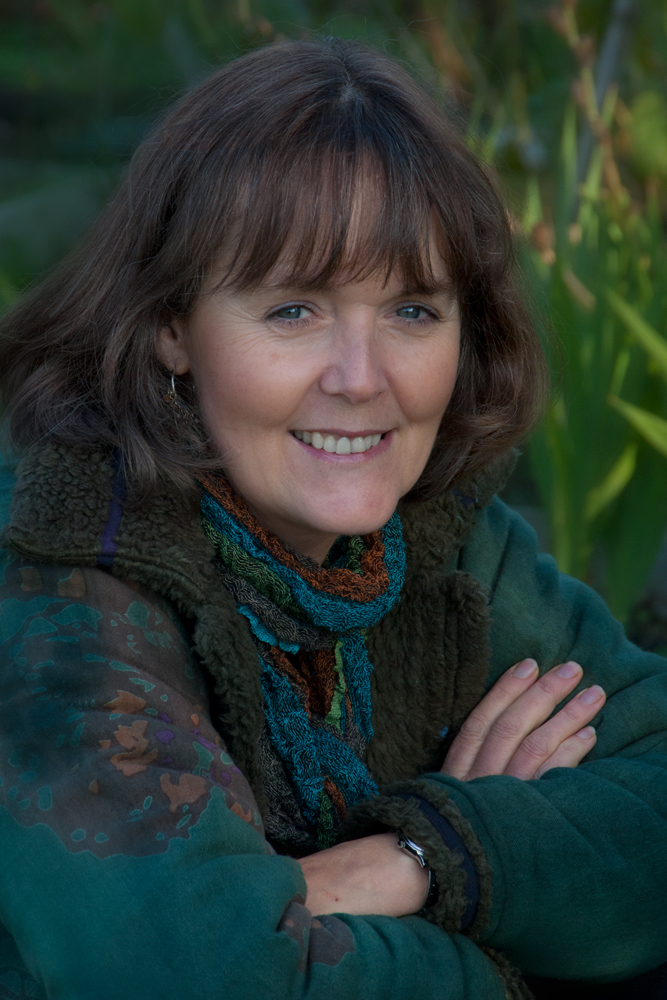
Rhona McAdam is a writer, poet, editor, and Registered Holistic Nutritionist with a Master’s in Food Culture from Italy and a deep-rooted passion for ecology and urban agriculture. Her work spans corporate and technical writing to poetry and creative nonfiction, often exploring the vital links between what we eat and how we live. Based in Victoria, BC, and available via Zoom, Rhona is always open to new writing commissions, readings, or workshops on nutrition and the culinary arts.