-
Not so sweet
Read Full Post: Not so sweetTo anyone who’s been watching the GM sugar beet issue, it’s perhaps not surprising to see Monsanto being just the tiniest bit manipulative in the media. If the genetically modified sugarbeet they hustled onto the market without doing their environmental impact study is banned, they argue, your sugar prices will rise.
So whose fault would a rise in sugar prices be then, the farmers who planted the beets at Monsanto’s promise it would make their lives easier, their yields higher and their profits better? The consumer, who has no say? The sugar companies who, for reasons we can only guess at, insisted farmers plant GM sugar beets? The multinational who stands to make a lot of money from the exercise?
The arguments against genetically modified sugar beets are pretty standard: if you allow sugar beets to be planted, as Alberta currently does (for Rogers Sugar/Lantic) as did the US sugar beet industry, then you risk cross-contamination of sugar beet’s plant relatives, through cross-pollination. These relatives include table beets and chard, and that puts at risk the crops of farmers who wish to grow them as conventional or organic crops.
Another reason for opposing GM sugar beets is their herbicide resistance, which means there is a potential for increased use of herbicides. Increased use of herbicides leads to increases in herbicide-resistant weeds, which leads to even more use of herbicides. And round and round. Since Monsanto sells both the seed and the herbicide, it is in their economic interest to sell plenty of both. Given the profits it stands to make by selling its herbicides, should we accept the company’s assurances that no harm will come from the residues of their product that ends up on our food, our farmland and in our water supply?
And finally, consumers who simply do not wish to consume genetically modifed foods are once again being sold a food product that doesn’t have to be labelled – so they have no real choice in the matter – and whose health risks over the long term are simply not known. We’ve been told that if we wish to avoid GMO products, we need only buy certified organic. But products like these are simply slipped into the food chain without public warning. And if consumers don’t know in the first place that their sugar is suddenly now made from genetically modified ingredients, how would they know to switch to organic?
-
Musical interlude
Read Full Post: Musical interludeOne for all my snow-weary British friends. I hope you can stay inside and be warm.
Song for a Winter’s Night-Gordon Lightfoot
Uploaded by StonewallStudios. – Explore more music videos. -
Farm: shop
Read Full Post: Farm: shop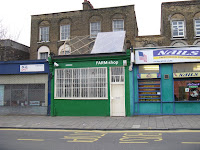
Last weekend I visited a shop that had been turned into a farm… in the middle of London!
The Farm:shop, on Dalston Lane, is a treasure and a model of imaginative thinking. Its creators, Paul, Andy and Sam, responded to an invitation by Hackney to propose uses for empty shopfronts, and landed a small grant for basic materials, and a year of rent-free access. They’ve established partnerships with local businesses who are funding different rooms and hope to be able to turn to commercial application some of the ideas being given room to grow.
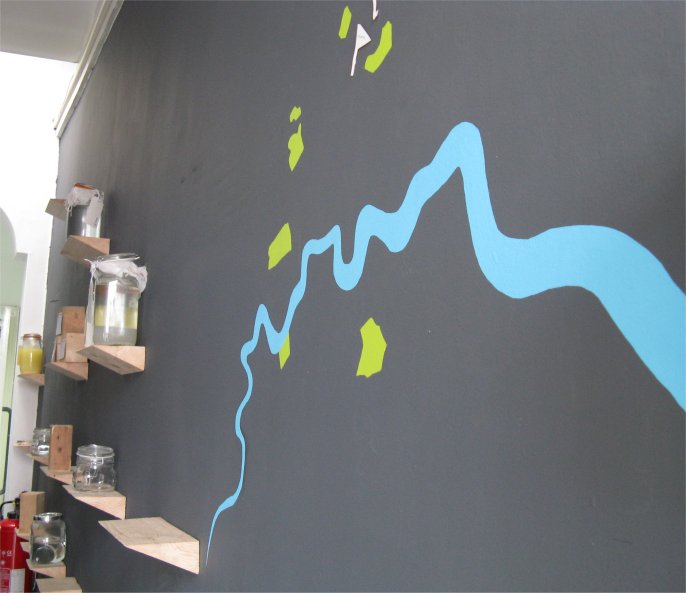
You enter a hallway that is mapped and pegged with small shelves.
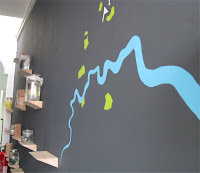
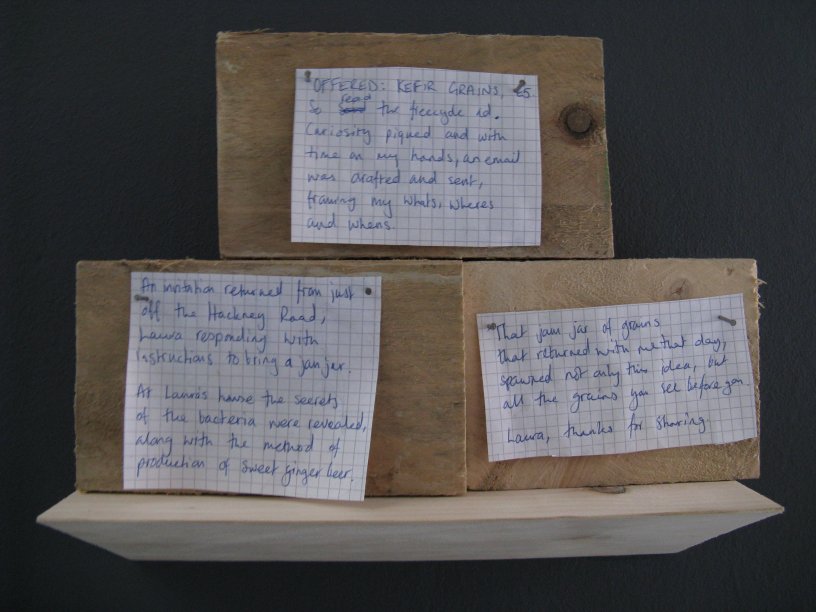
This is the Bacteria Wall, which local artist Synnøve Fredericks is using to explore the possibilities of shared fermentation. She’s using kefir grains she found on Freecycle
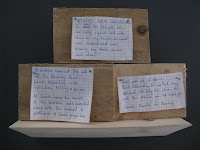
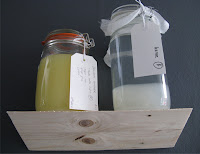
to make other fermented beverages – ginger beer at present – that can then be shared and cultured by others, and plans to map them on the wall.
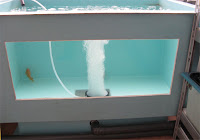
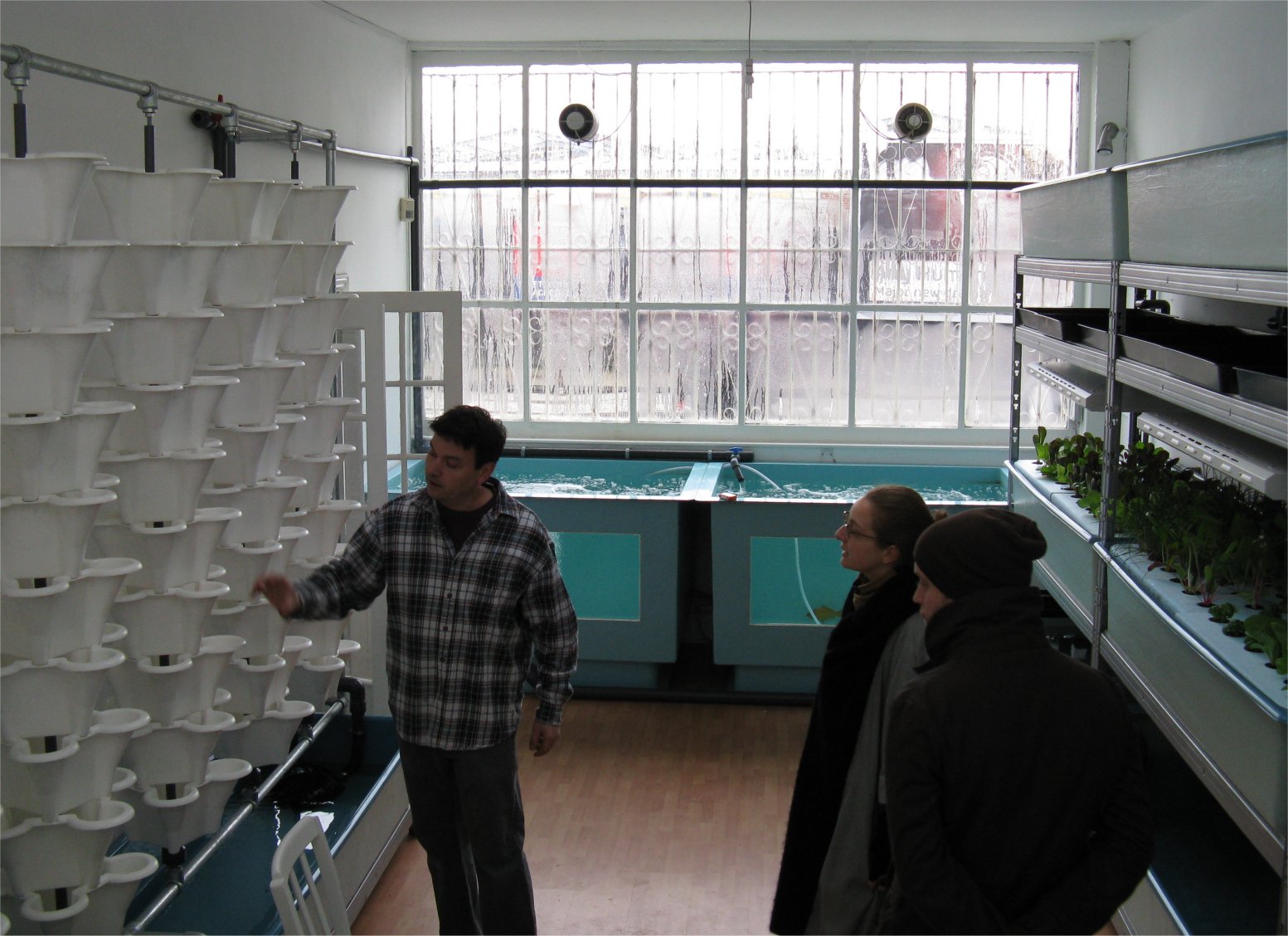
The front room is bright and foggy-windowed from the fish tanks, which will soon be stocked with tilapia; they aim to feed these with the larvae of soldier flies which they’ll nurture on their own compost. On the lower right are tanks for freshwater prawns who will feed on the fish waste. The white pots on the left will be filled with hydroponic plants that can be turned on their poles to catch even light. Racks on the right have hydroponic salad greens. The whole system is connected by pipes but is really, as Sam put it, just a differently-shaped pond.
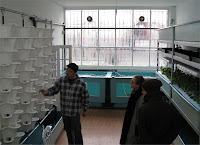
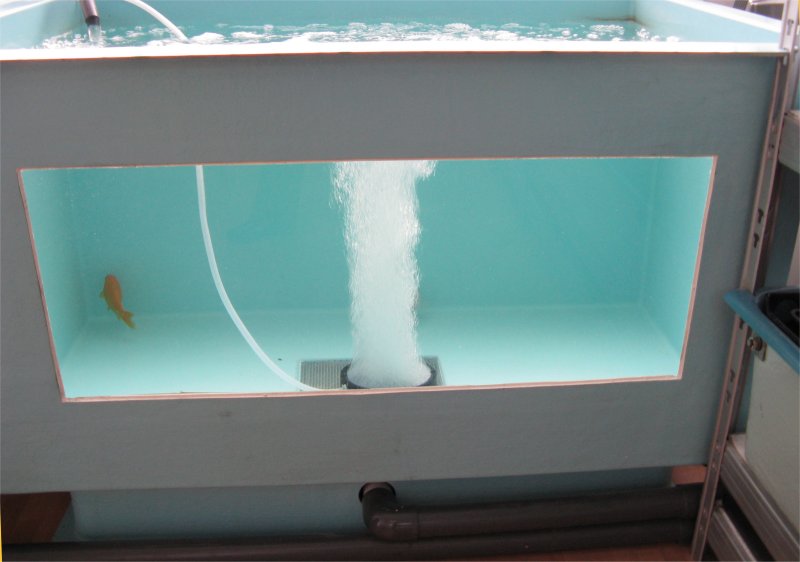
The demonstration fish are enjoying the space.
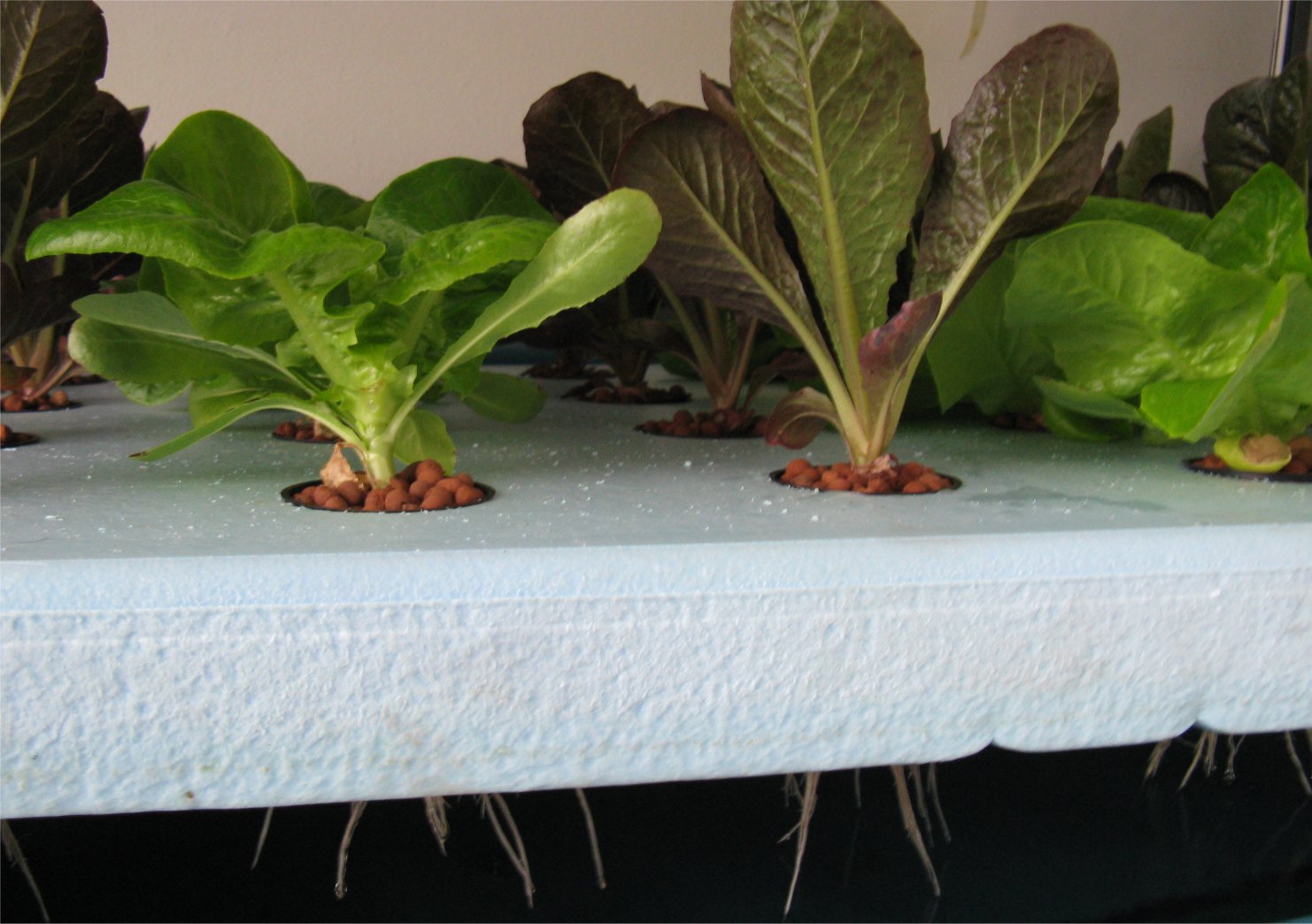
Hydroponic greens


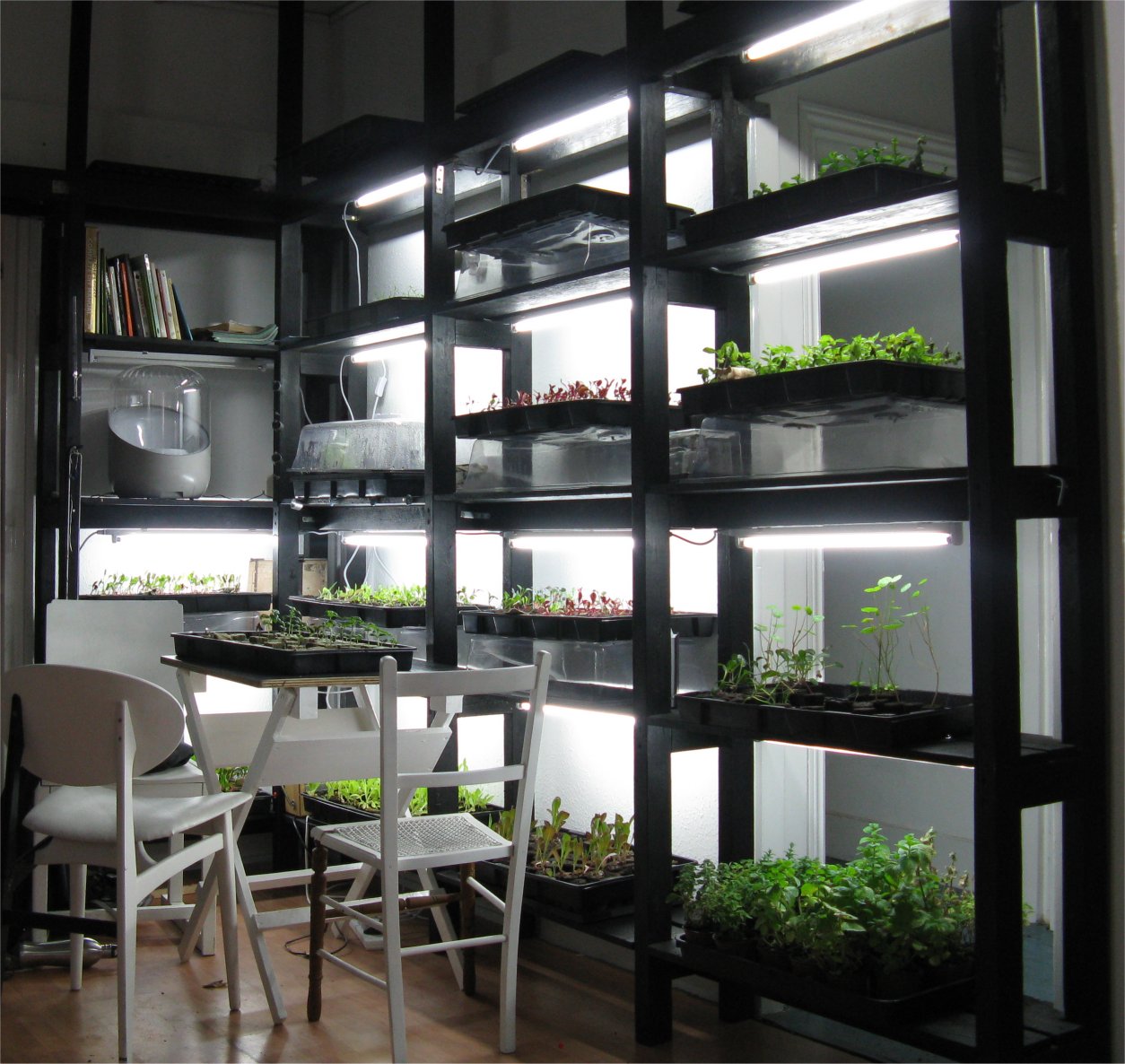
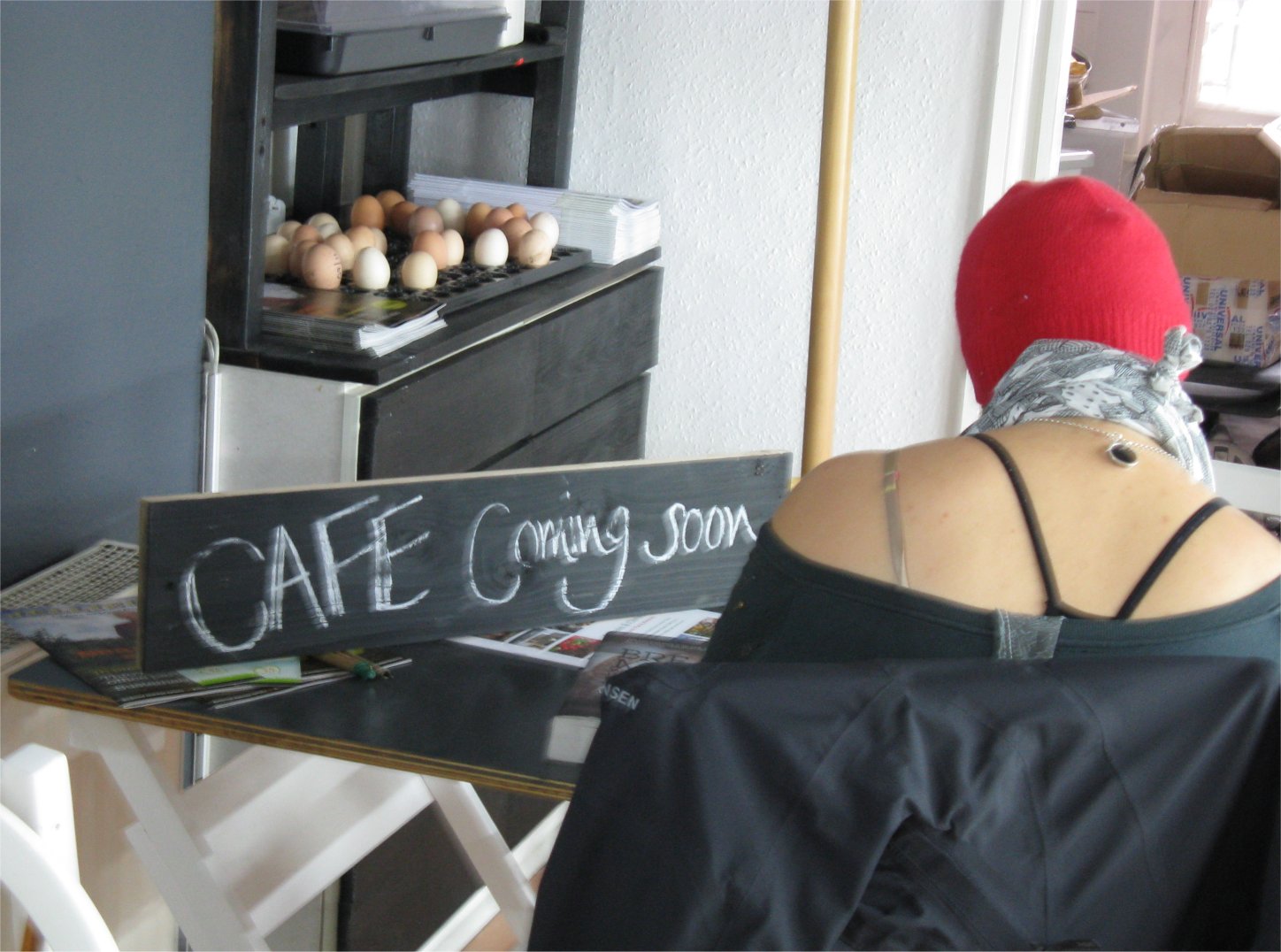
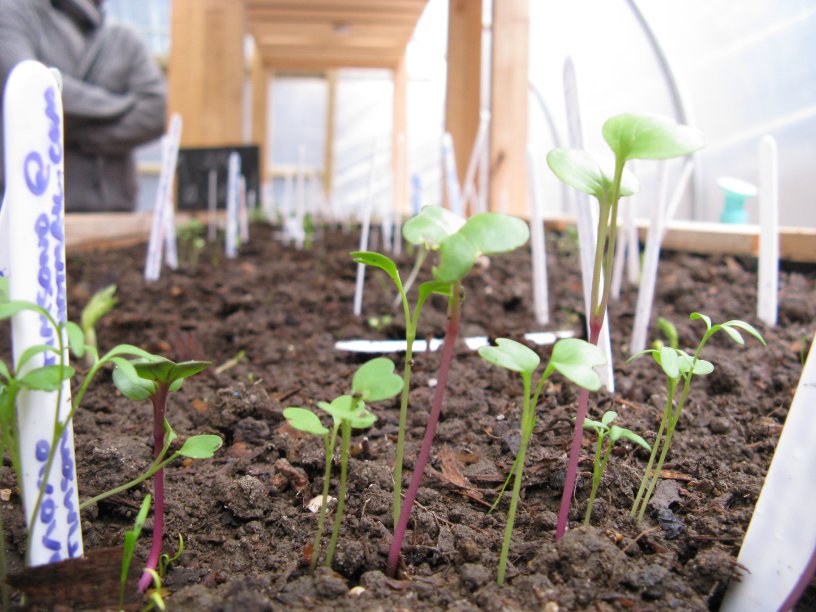
The propagation room will soon become a cafe so that people can watch the seedlings grow while they have a snack which may or may not include farm shop-grown food. Part of the point of the exercise is to show how much space is needed to grow food: all the food produced in this farm shop will not supply its cafe.

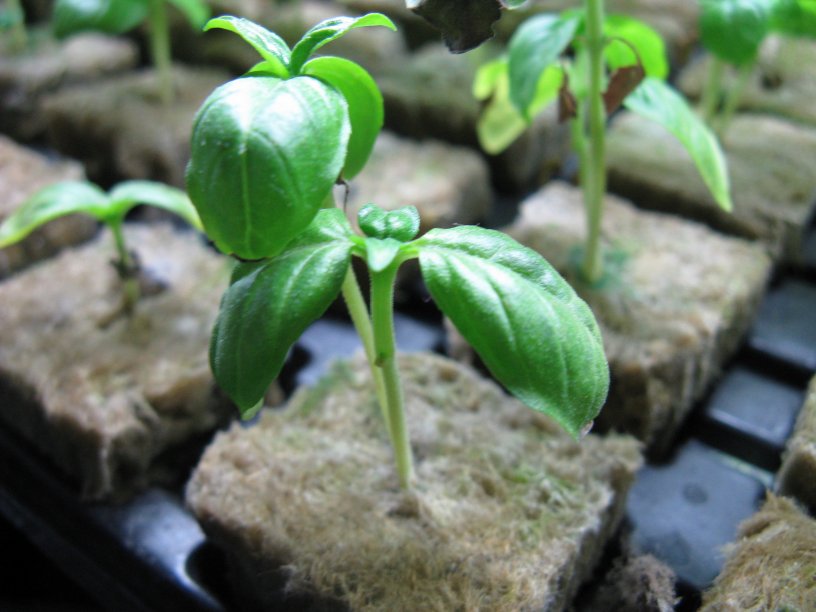
Seedlings are propagated in cubes of rockwool and plastic composites.


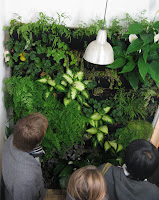
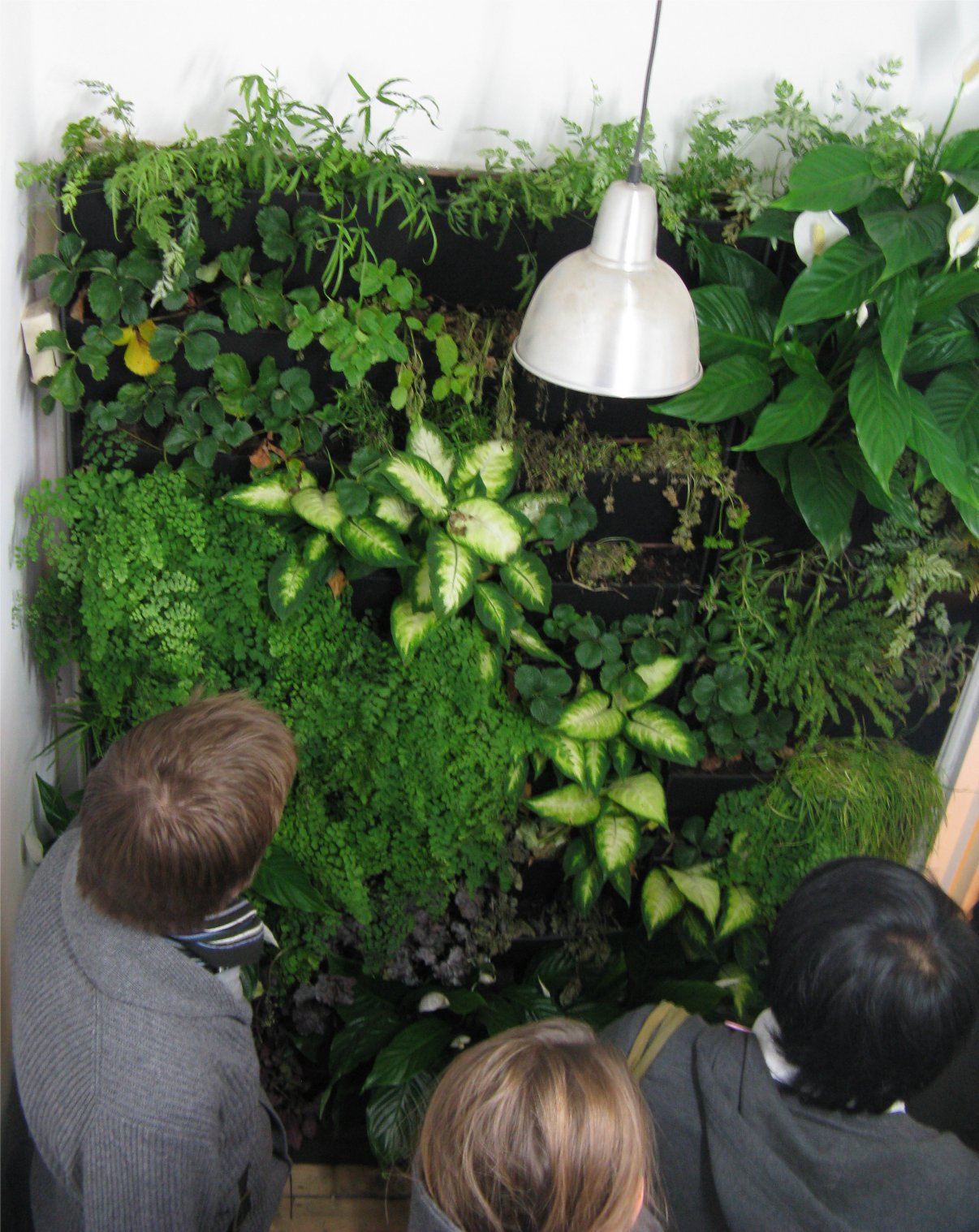
The green wall in the stairway…
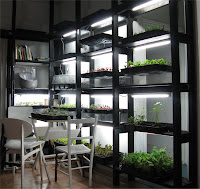
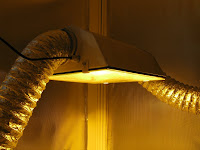
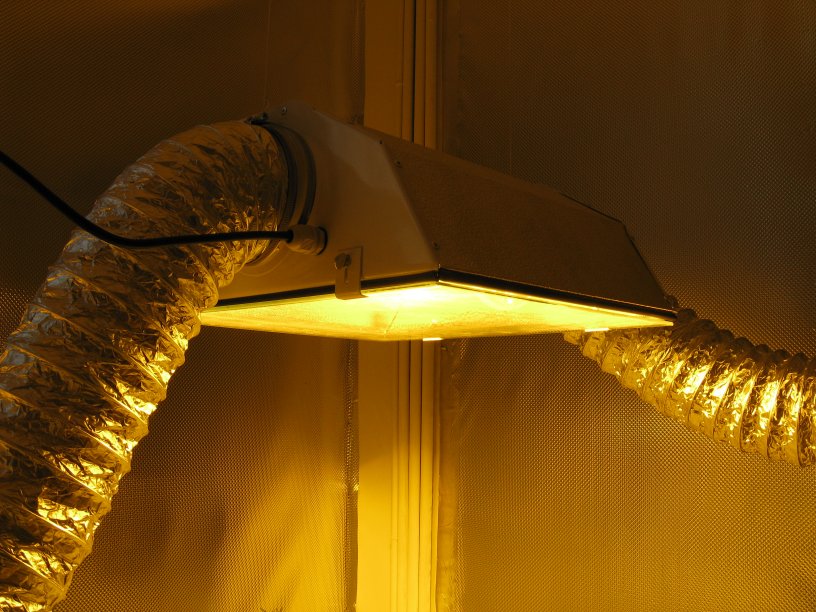
The “late summer room” includes tomatoes and peppers grown in light and heat conditions that promote fruiting. The lighting system is cooled by air; the ducting will be used to send heat into other rooms.

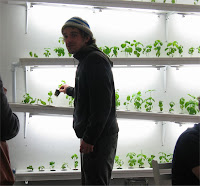
The basil wall will soon be joined by a parsley and a mint wall.
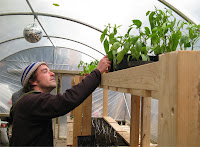
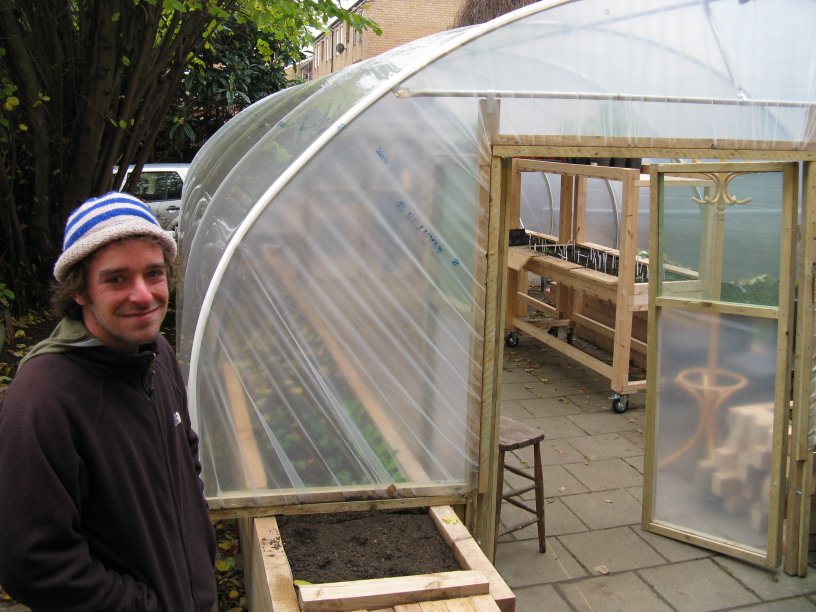
There’s a polytunnel in the back, which will be used for winter greens, and many more things in the summer. They’ll be getting pigs – only small ones – who will be given a run along the side of the tunnel and fed leftovers from the garden in exchange for some rooting and composting work on their parts, before they leave again for the fields.


And then there are the chickens on the roof, which sixty years ago were a common feature in London gardens. From their vantage point they can see the tops of double-deckers running along Dalston Lane. There are only four of them, so not a huge volume of eggs expected. They live on a layer of leaf mulch which gives them something to pick through and ends up as a nice bit of compost.


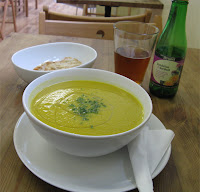
After stopping at the co-op cafe on the corner for a fortifying bowl of sweet potato and squash soup (with some excellent bread, and a bottle of a surprisingly delicious dandelion & burdock beverage)
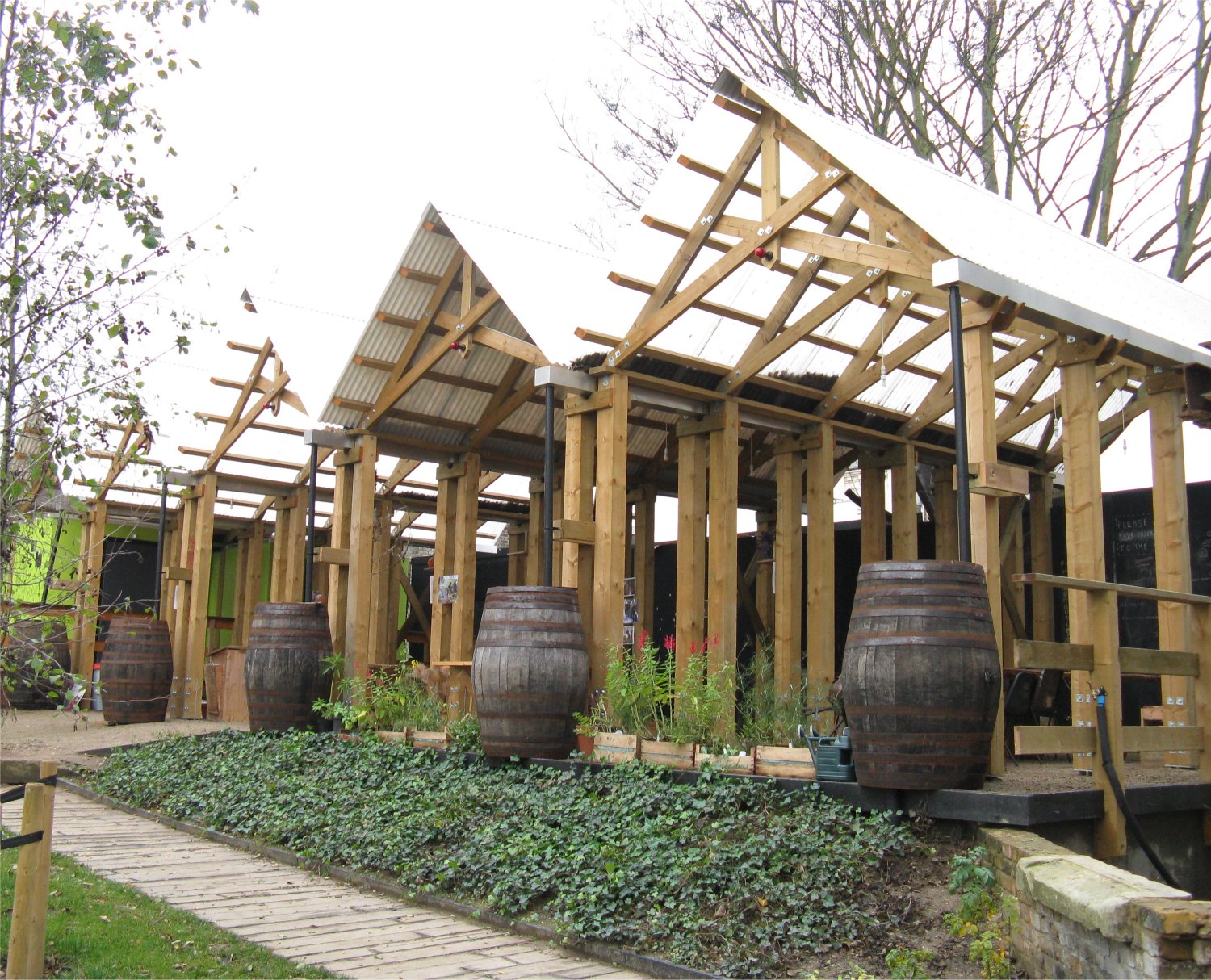
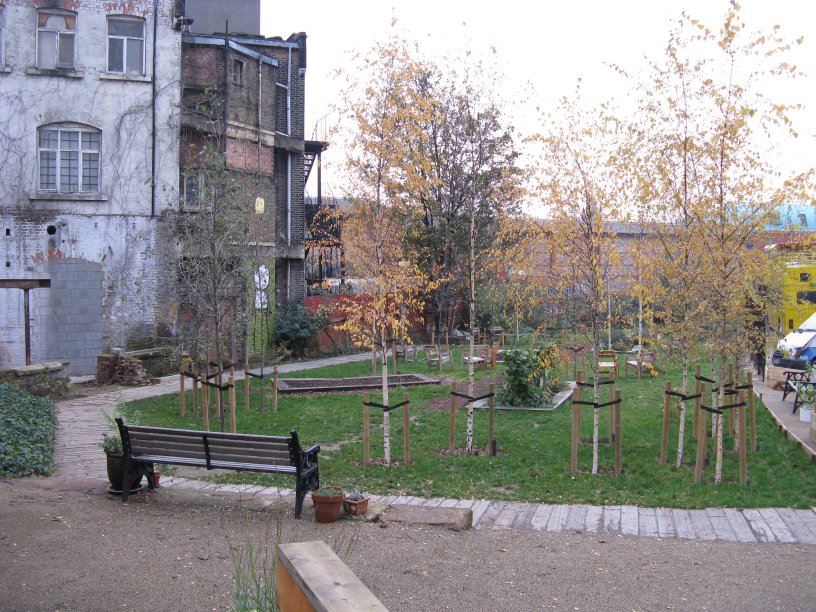
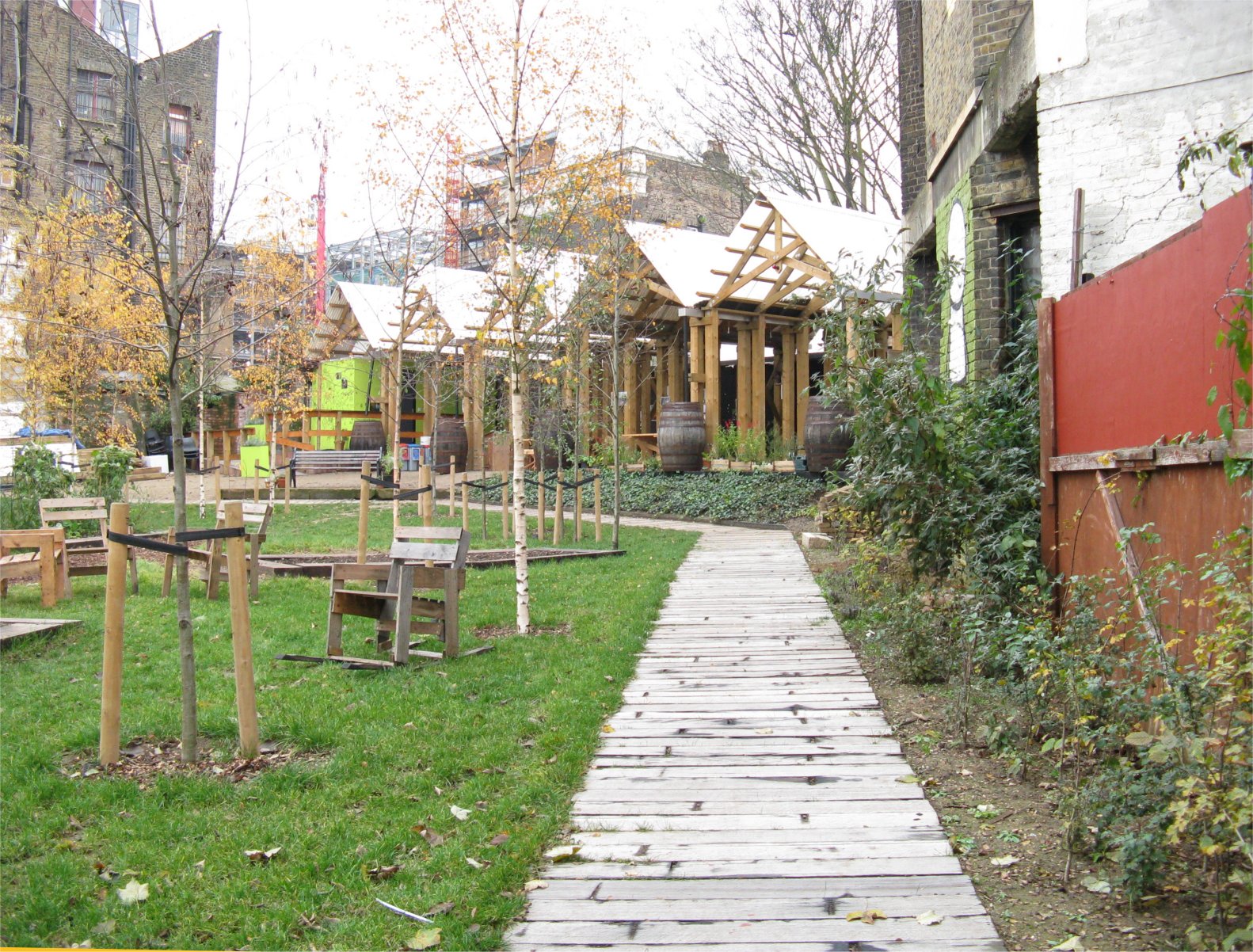
I stopped in at the Eastern Curve Garden
which has been going since July and provides a green oasis for locals,


as well as a meeting space
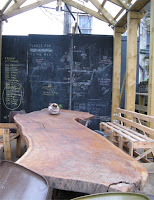
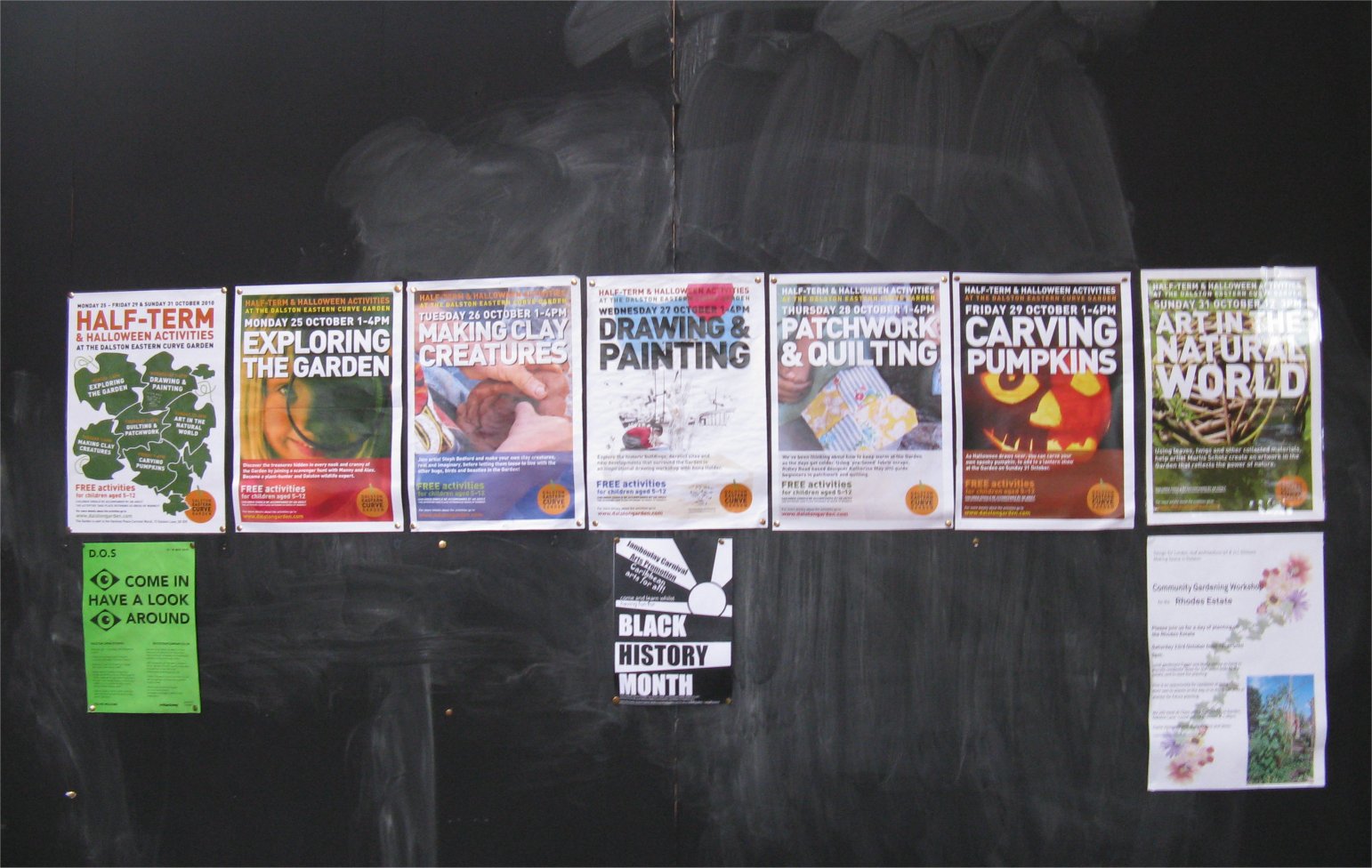
for architectural students among others. They’ve offered a number of programs for children and adults which have proved very popular.

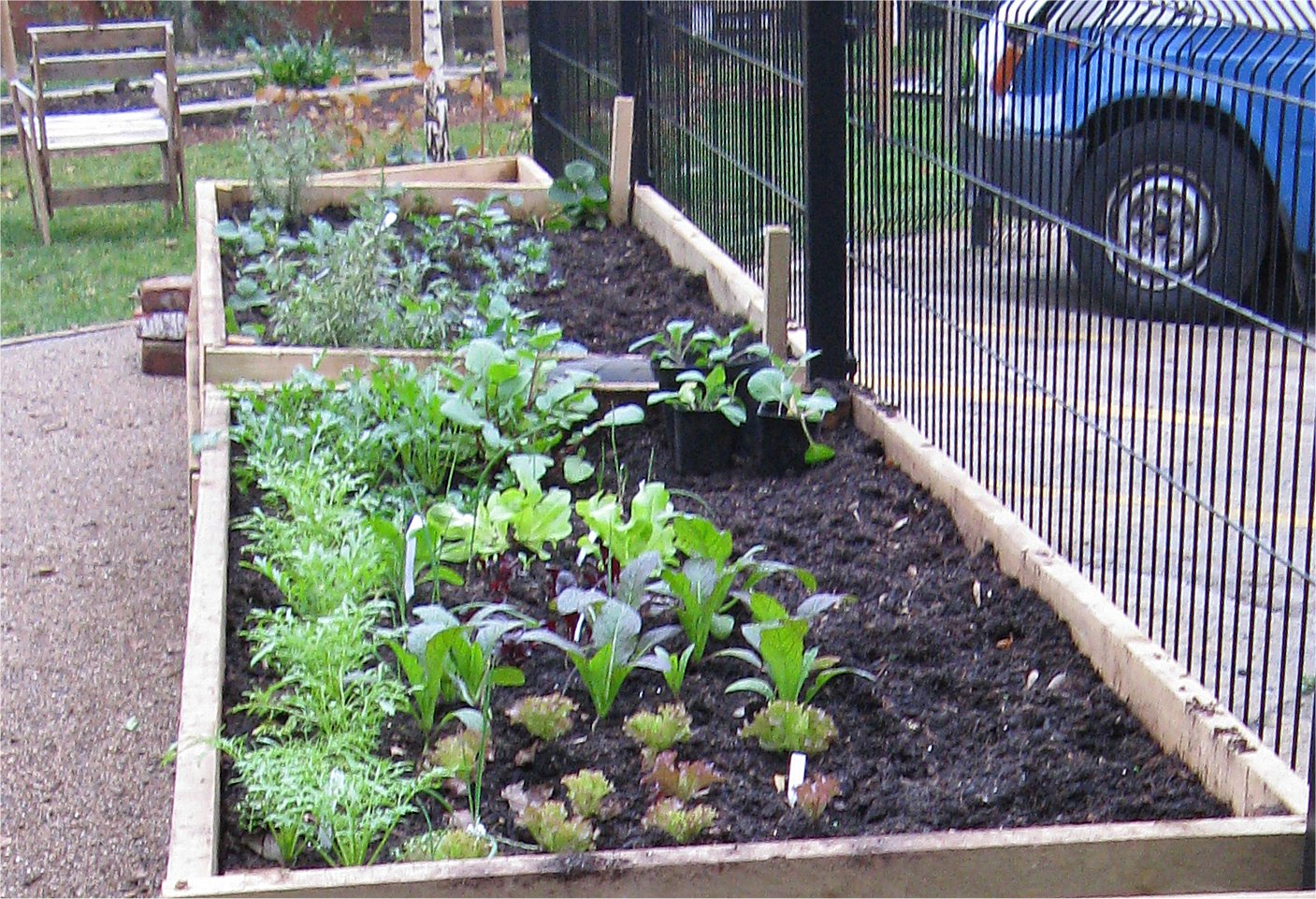
There were planters that had held both ornamental and food plants during the summer
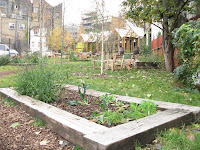
and some planted with winter greens.
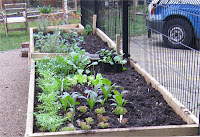
Some of the Eastern Curve’s peppers that had needed warmth and shelter are now residing uner the Farm: shop’s polytunnel.















Latest Posts
- (no title)
- Sublime and Twisted Readings coming up!
- Sublime
- Good weather for reading
- The world, the world
- Sublime launch!
Aldeburgh Poetry Festival Barny Haughton BBC BC poets Berkswell blackberries Black Stilt Bologna book launch Borough Market Carlo Petrini Catalonia Cyrus Todiwala dairy Daunt's Books Dijon Edinburgh Fanny Bay Feast of Fields Food and Morality food history food journalism Jenna Butler lardo Malahat Review Michael Pollan Okanagan olive oil tasting olive trees Omnivore's Dilemma Our Food Our Future Oxford Parmigiano-Reggiano Planet Earth Poetry poetry poetry readings Poetry videos prosciutto salumi Sean O'Brien Suffolk ticks Wendy Morton Wired Writing Yvonne Blomer

In her latest collection, Rhona McAdam navigates the dark places of human movement through the earth and the exquisite intricacies lingering in backyard gardens and farmlands populated by insects and pollinators, all the while returning to the body, to the tune of staccato beats and the newly discovered symmetries within the human heart.
“…A beautiful, filling collection, Larder is a set of poems to read at the change of the seasons, to appreciate alongside a good meal, and to remind yourself of the beauty in everything, even the things you may not appreciate before opening McAdam’s collection….”
Rhona McAdam is a writer, poet, editor, and Registered Holistic Nutritionist with a Master’s in Food Culture from Italy and a deep-rooted passion for ecology and urban agriculture. Her work spans corporate and technical writing to poetry and creative nonfiction, often exploring the vital links between what we eat and how we live. Based in Victoria, BC, and available via Zoom, Rhona is always open to new writing commissions, readings, or workshops on nutrition and the culinary arts.
