-
Saturday in Victoria – winter market to flash mob carolling
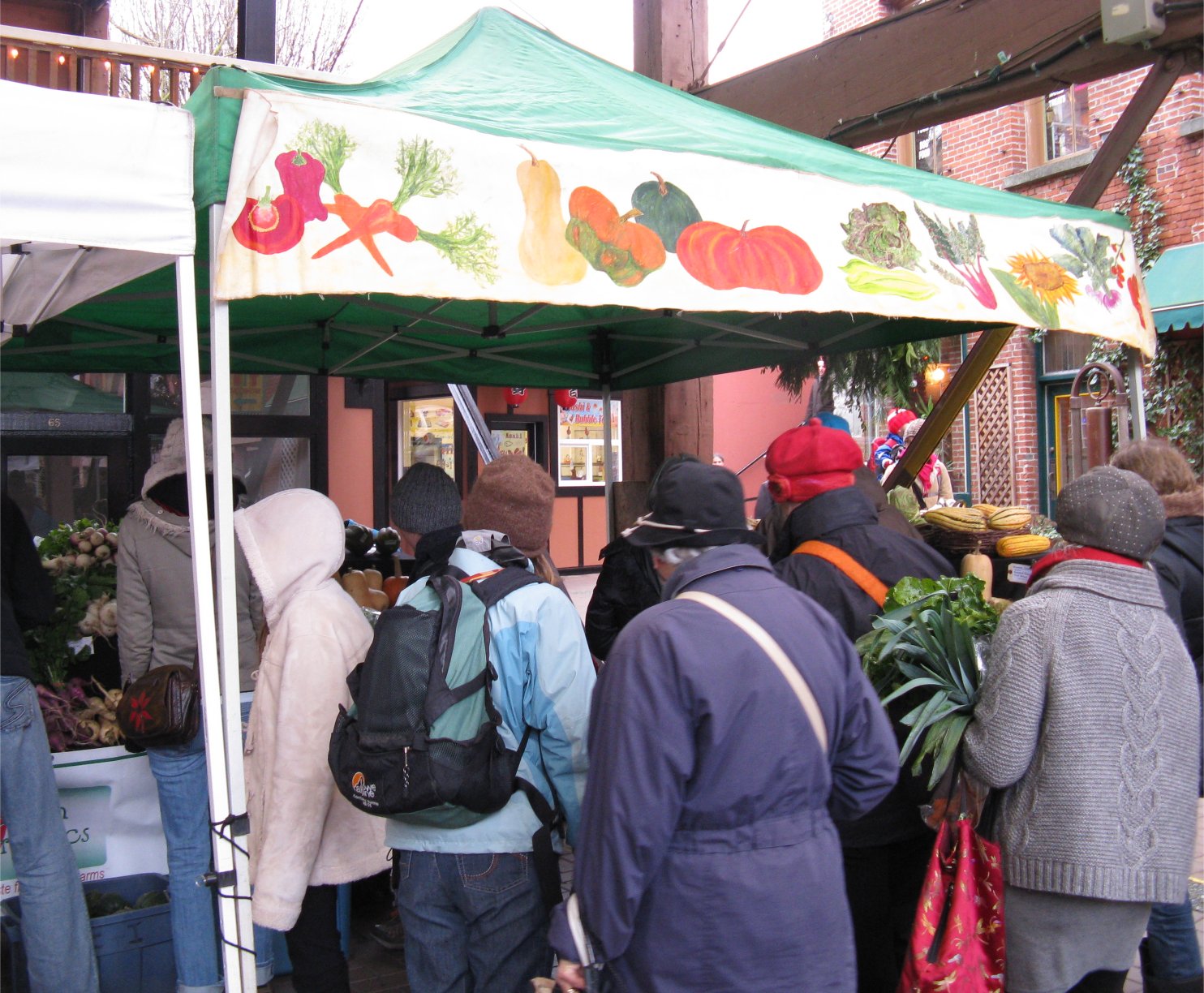
Read Full Post: Saturday in Victoria – winter market to flash mob carollingA cold, grey day for the farmers who peopled the winter farmers market on Saturday. It’s a monthly event, happening the third Saturday right through till March in Market Square.


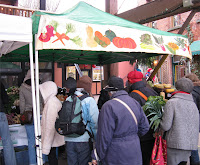
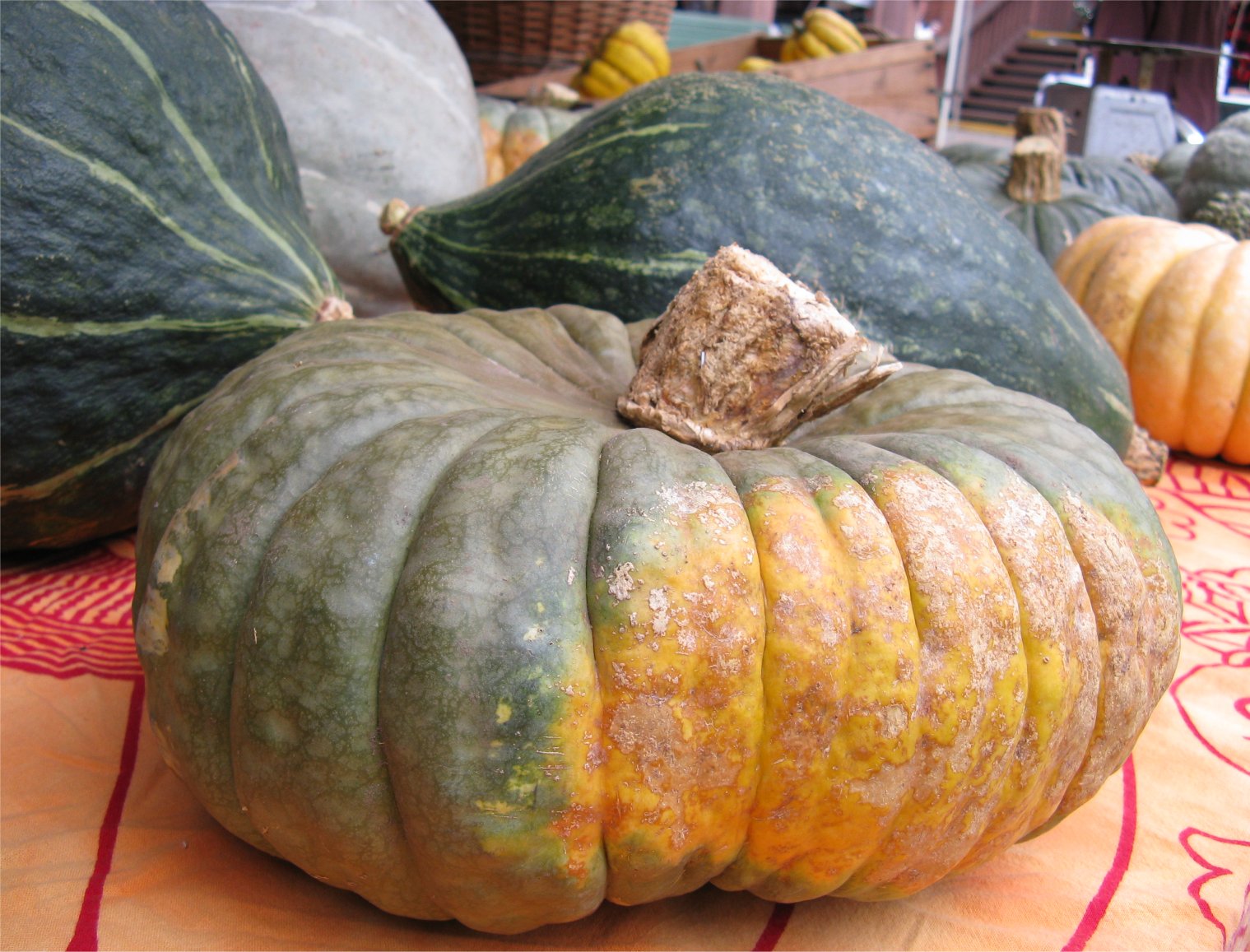
The veggie stand was mobbed
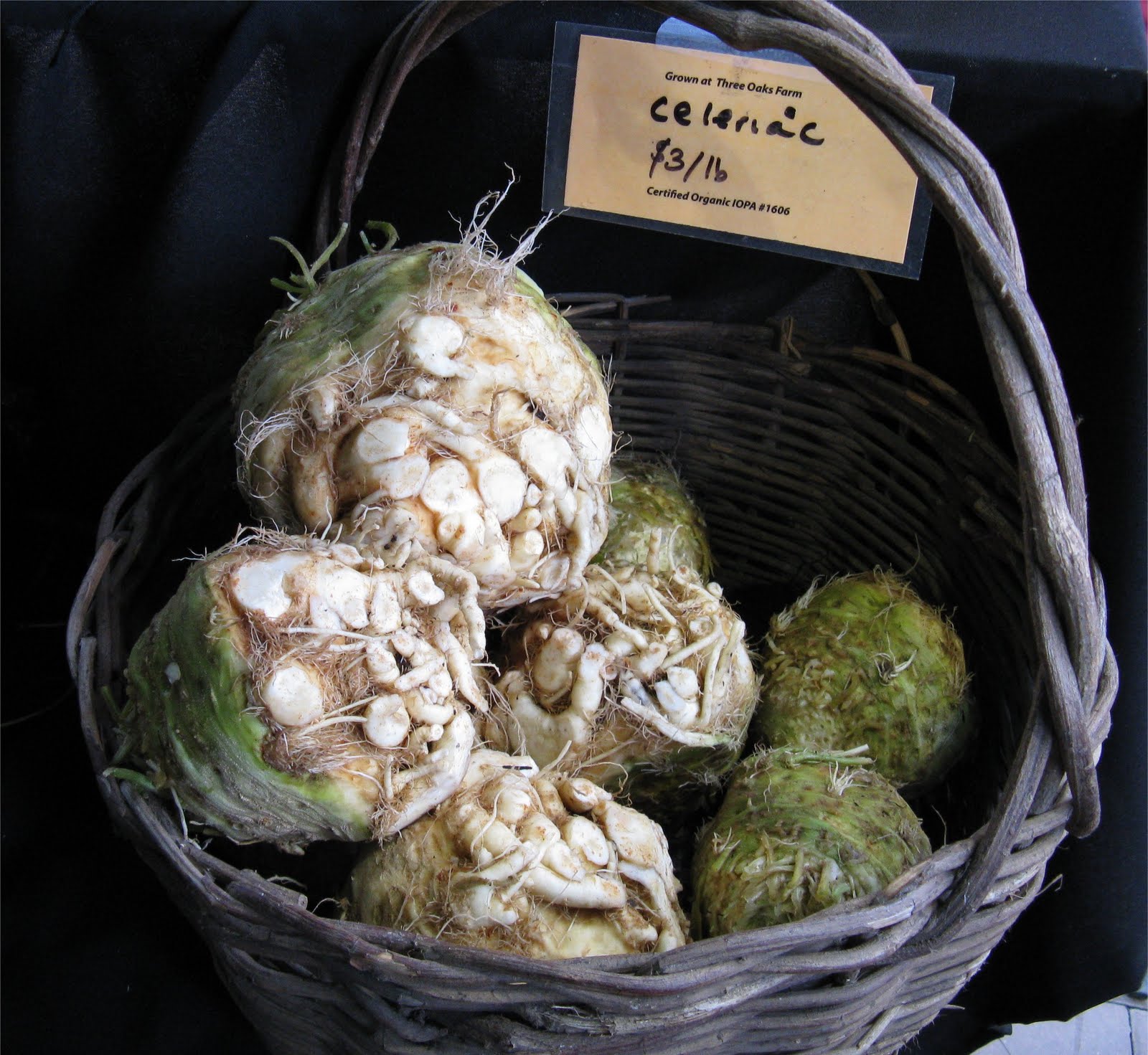
and no wonder: look at the beautiful celeriac

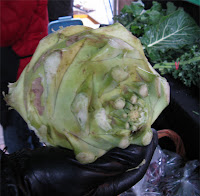
and the giant kohlrabi!
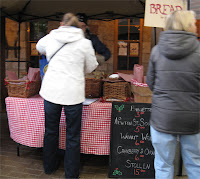
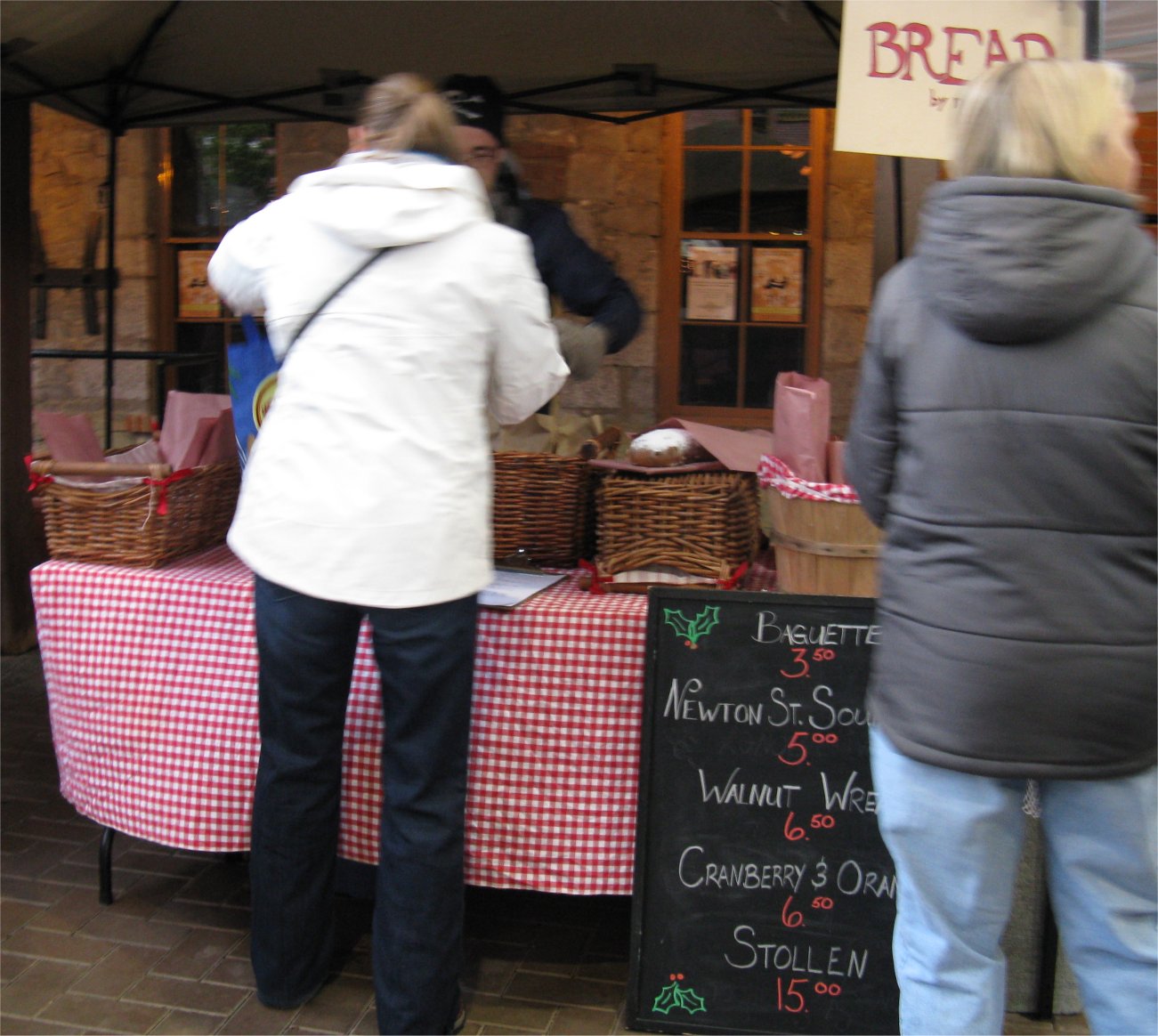
The bread stall was very popular
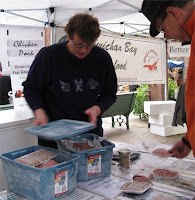
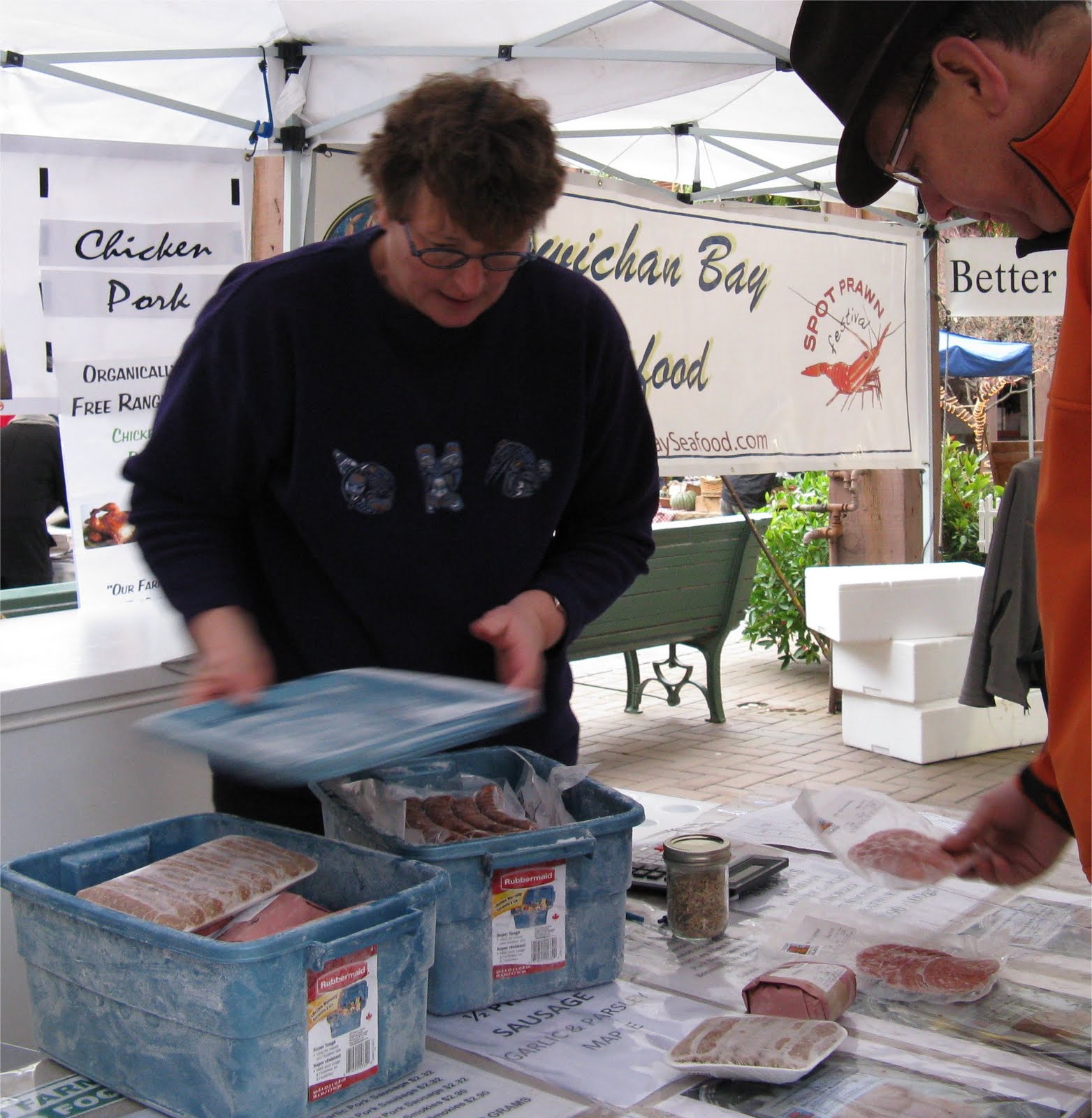
and TerraNossa was there with their always excellent meat, chicken and eggs.
A nice warm lunch at Zambri’s, which has recently relocated to a swanky spot in a new building. Still, I kind of miss their hidey-hole in the strip mall they occupied for years, which gave diners a sense of discovery. No decline in the quality of food though; the gnocchi with sausage and kale was sublime.

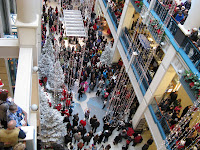
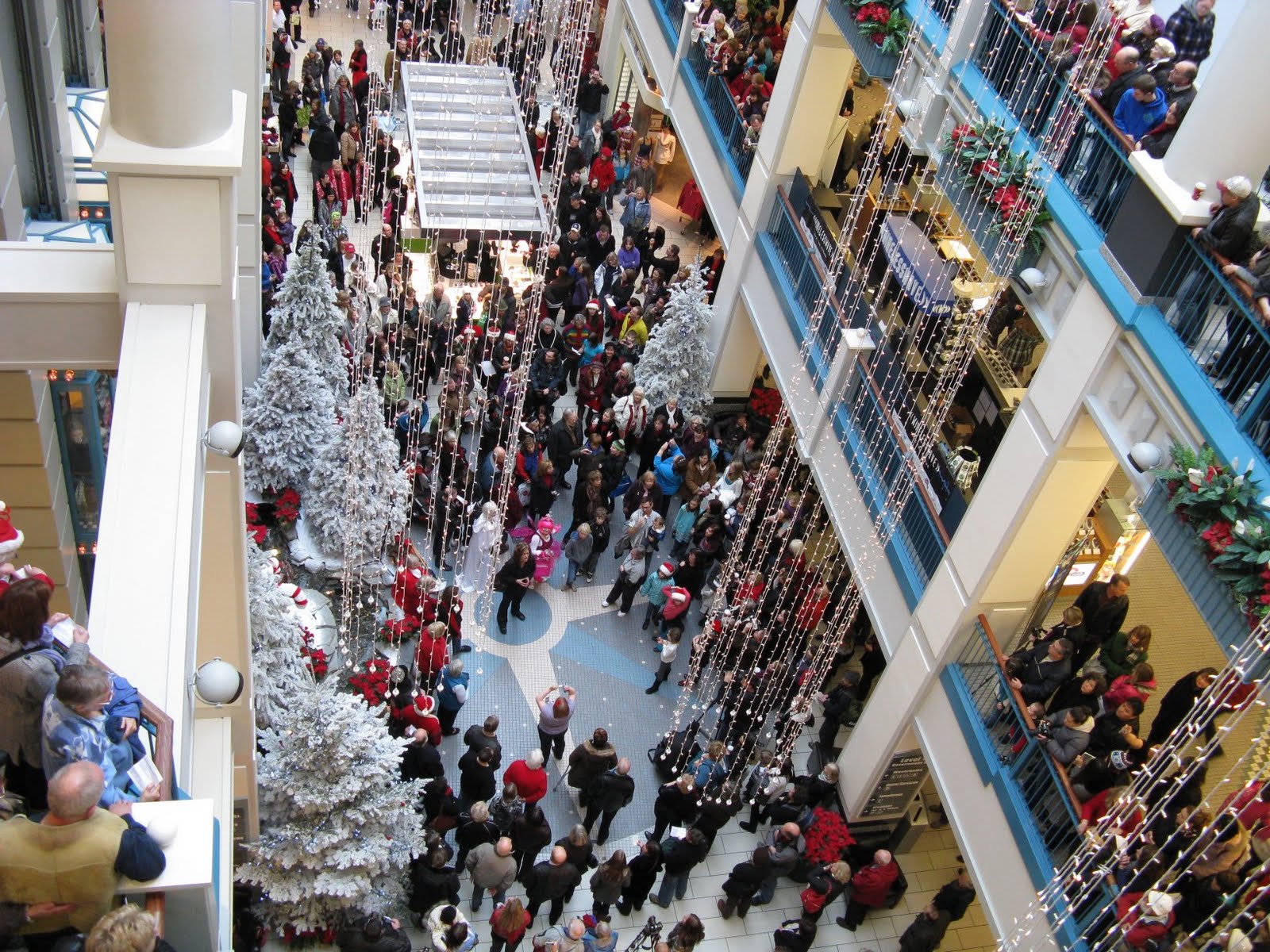
Then managed to catch the flash mob carolling event at the Bay Centre. Given the number of people already lined up along the balconies well in advance, I don’t think it was exactly a secret!
-
Petition to save the CBC
Read Full Post: Petition to save the CBCFrom the Friends of the CBC website:
On November 23rd, Stephen Harper’s secret plan for the CBC was revealed when the Parliamentary Secretary to the Minister of Canadian Heritage mused publicly about killing our public broadcaster! You can hear the audio for yourself here.
On Dec 6th, the matter of the government’s plan for the CBC was raised in Parliament. The Heritage Minister was asked to disavow his Parliamentary Secretary’s idea of cutting all funding to the CBC. Twice Minister Moore was asked to dismiss the notion that the government should kill public broadcasting. And, twice he refused to do so. You can see the exchange in the House of Commons here.
It’s widely known that the Prime Minister Harper exercises absolute control of his government’s messaging. None of his Ministers, Parliamentary Secretaries or MPs speak out without prior approval from the Prime Minister’s Office.
We recognize the threat posed by Harper could be the most serious peril CBC has ever faced. Now is the time for all of us who love and depend on the CBC to stand up and be counted.
Please sign the petition and help spread the word!
http://act.friends.ca/ea-campaign/flash/campaign.swf?xml=http%3A%2F%2Fact.friends.ca%2Fea-dataservice%2Fdata.service%3Fservice%3DGetCampaignWidget%26token%3D46f4f32c-5a04-41f6-bcc4-562a59750653%26widgetId%3D96%26ea.tracking.id%3D40627523
-
e-Waste
Read Full Post: e-WasteI am grappling with the old “repair or replace” question while I’ve been on grudging prowls of the aisles of appliance and computer and photo retailers, and it’s led me into deeper and darker thoughts about consumer electronics and appliances – which all fall under the definition of e-waste.
My fridge, for example, which has been clicking and whining like a big white mosquito for a couple of months, and sometime during my absence melted and then refroze everything in the freezer, has apparently got a dying compressor. Fixing it costs $700 or so; replacing the fridge would cost around $1000 and seems to be the recommended course of action for an 8 year old model.
And my shiny new netbook met with brutality in the overhead bins of a brutal Ryanair flight from Italy, and when I next opened it the screen was cracked. Replacing the screen costs $250; replacing the netbook? $324.79
And then there’s the dying camera, the oven that won’t quit beeping after it’s been used, the printer that won’t feed paper, and the washing machine that doesn’t rinse cleanly anymore. Not to mention the cordless phone whose battery died and is probably not replaceable, and the growing collection of antiquating computers large and small.
Living a frugal and environmentally responsible lifestyle as I try to do, what’s the moral and affordable course of action? New products seem to be more and more irreparable, and if today’s appliance repairman is to be believed, repairmen are fewer and farther between: he knows of three in town who’ve given up and turned to bus driving, and he’s run off his feet.
The patient young man who walked me through my options in the printer department explained how inkjet printers have an inbuilt flaw: if you don’t use them regularly – let them site for a few months, say – the mechanism that keeps the ink heads clean doesn’t keep up and the heads get gummed up, so your only choice is to throw the machine away (unless you are very persistent and very patient and want to try cleaning it, if you can). And buy a new one.
And if you were wondering what was the difference between the $49 printers and the $120 ones: the cheaper ones come with meagre little cartridges which have to be replaced very soon. And replaced and replaced by new cartridges which don’t hold much either. And as anyone who has engaged in the maddening sport of cartridge replacement knows, the same manufacturer makes sure you are enslaved to their products by making changes to every machine/cartridge pairing. (Oh wait: here’s a trick that might help… a little!)
Another little wrinkle is that if you buy a new printer that uses a usb cable, you have to buy a usb 2 cable (the old ones won’t work); and of course if you have an older printer you might not be able to connect your newer computer to it, as the drivers may no longer be available.
How, I ask myself, is all this even legal? We haven’t really figured out how to properly dispose of these pieces of junk. We offload the problem to third world countries where people are poisoned, maimed and killed trying to make a living dismantling our garbage; and we wait for their countries to catch up with us in our wanton consumption of electronics and appliances, which will compound the problem.
And yet we allow the manufacturers to go on making nastier and cheaper and more unrecyclable equipment that consumes monstrous quantities of raw materials and is deliberately designed to last less and less time… and be unrepairable. In fact our global financial “growth-based” recovery hinges on it.
We are being told we must throw away our television sets – and replace them; are analogue radios far behind? The debate rages in Europe. Not to mention the old VCRs, and the old VHS tapes, the floppy discs, the mini discs and all those other obsolete peripherals. There is a good reason I no longer use a cell phone in this country, which I won’t have to explain to anyone who does.
And we the consumers, who in some ways have least say in the matter, are the ones paying environmental taxes to fund disposing of products designed to break, while we are forced to replace them with newer, cheaper models which we know perfectly well are also subject to engineered obsolescence.
Why do we let this happen? How do we stop it?
Let’s let Annie Leonard answer it again in her timeless video:






Latest Posts
- (no title)
- Sublime and Twisted Readings coming up!
- Sublime
- Good weather for reading
- The world, the world
- Sublime launch!
Aldeburgh Poetry Festival Barny Haughton BBC BC poets Berkswell blackberries Black Stilt Bologna book launch Borough Market Carlo Petrini Catalonia Cyrus Todiwala dairy Daunt's Books Dijon Edinburgh Fanny Bay Feast of Fields Food and Morality food history food journalism Jenna Butler lardo Malahat Review Michael Pollan Okanagan olive oil tasting olive trees Omnivore's Dilemma Our Food Our Future Oxford Parmigiano-Reggiano Planet Earth Poetry poetry poetry readings Poetry videos prosciutto salumi Sean O'Brien Suffolk ticks Wendy Morton Wired Writing Yvonne Blomer

In her latest collection, Rhona McAdam navigates the dark places of human movement through the earth and the exquisite intricacies lingering in backyard gardens and farmlands populated by insects and pollinators, all the while returning to the body, to the tune of staccato beats and the newly discovered symmetries within the human heart.
“…A beautiful, filling collection, Larder is a set of poems to read at the change of the seasons, to appreciate alongside a good meal, and to remind yourself of the beauty in everything, even the things you may not appreciate before opening McAdam’s collection….”
Rhona McAdam is a writer, poet, editor, and Registered Holistic Nutritionist with a Master’s in Food Culture from Italy and a deep-rooted passion for ecology and urban agriculture. Her work spans corporate and technical writing to poetry and creative nonfiction, often exploring the vital links between what we eat and how we live. Based in Victoria, BC, and available via Zoom, Rhona is always open to new writing commissions, readings, or workshops on nutrition and the culinary arts.