-
Vancouver’s urban farms
Read Full Post: Vancouver’s urban farmsTime, food and agriculture never sleep, at least not where interesting stories are concerned.
There’s a link here to a rather beautiful brochure shows that shows you who’s growing what and where in twenty-six urban farms in Vancouver.
And a nice story about the loneliness of the the farming life which I suppose applies to urban farmers as well; it offers a reminder that we are often in too much of a hurry, and too accustomed to shopping anonymously for food, to thank those who provide it.
And some good news for Victoria food shoppers, with a new whole/local foods store opening, conveniently situated near the wondrous Capital Iron.
A wrist-slapping lesson in public consultation for Stephen Harper whose decision to bring to fruition his longtime plan to dismantle the Canadian Wheat Board was declared illegal by a federal court.
And an opportunity for British Columbians to participate in a public consultation on a province-wide ban on cosmetic pesticides is open until December 15. Anyone who cares about the continuing health of honeybees and other wild pollinators, other species in the food chain/eco system, as well as pet-owners and parents should take a moment to speak in favour of this ban.
The soil is the thing: the EU Soil Report warns about what the soil Soil: Worth standing your ground for from The European Environmental Bureau
-
London eating
Read Full Post: London eatingIt’s been quiet here at the Iambic Cafe lately, but only because I’ve been so busy frequenting a few of London’s eateries and drinkeries.
Last week for example I made a joyful visit to Ottolenghi whose pastries look as beautiful as ever; the salads (shaved fennel, roasted aubergine and roasted sweet potato) were exquisite. I’d also heard that the Devonshire Arms was worth a visit, so I popped in for a bit of smoked eel and a most delicious mixed salad and will have to make a return visit soon.


On Thursday I spent a happy evening swanning around Covent Garden with several thousand other merry-making shoppers, lapping up free drinks and hors d’oeuvres at shops participating in a seasonal shopping promotion. At the end we found ourself a cozy bench at Cantina Laredo, which promised gourmet Mexican food. The guacamole, prepared at our table, was fun, and the avocado enchiladas were wonderful – full of artichokes, rice and avocado.


Friday I went to the movies with Nancy and Mike and we wandered Lamb’s Conduit Street in search of nourishment. It was my second visit to La Cigala and although it was good I did sense a few standards slipping (along with a couple of plates in the kitchen). In the chickpea and chestnut stew, for example, I may have found the only rancid chestnut (Mike said the rest were fine), and Nancy – and the pair at the adjoining table – who had the goose stuffed with pork and prunes and served with roasted parsnips, found it tough. Good, but tough. Not, she remarked, what you want with a goose.


I was happy enough with my trio of starters: boquerones – marinated anchovies – with a nice vegetable salad on thinly sliced jerusalem artichokes; a towering tortilla; and padrone peppers. As is the custom there, we did a little celebrity spotting while desserting: meringue with prunes, a stunning orange flan, and a mountain of membrillo (poached quince) with an alcoholic dollop of cream.


And I had a lovely Neopolitan pagnotella – “sandwich” – at Canta Napoli – just flatbread, tomatoes, mozzarella and basil.

-
Poetry, quince & marmalade
Read Full Post: Poetry, quince & marmalade As was foretold, I attended Poetry in the Crypt on Saturday, which expedition yielded these three treasures: a bilingual book of poetry by Stephen Watts & Cristina Viti, fresh off the press; a giant quince, fresh off the greengrocer’s stand; and a jar of lime and lemon marmalade, fresh from Liz Salmon’s jam kettle. The readings were good, the company full of fond familiars, and the tea and cakes most welcome. I had made a sticky ginger cake which I brought along to help with the offerings.
On Sunday we went to see the Group of Seven exhibition in Dulwich. And my goodness what a lot of people came likewise, and what a LOT of paintings were on show. “Can there be any left in Canada?” wondered Meli. Ironies not lost on me that I should travel half a world to come and see paintings by my countrymen that once inspired in me only gloomy associations with gloomy reproductions on the classroom walls of my youth. I liked many of them better in their current settings, but I find it can be harder to love what one has rubbed up against all one’s life than what might be new and exciting and from away. And I haven’t the distance to view it with new eyes. But I’m glad to have gone, and seen more of these paintings than I had, and learned a bit about them, and walked the still-leafy streets of Dulwich where once walked the schoolboy Ondaatje.
It was nigh on teatime by the time we finished, and so we stood around on the platform at South Dulwich admiring the view until the train arrived and then once back in Cen
 tral London ambled across the footbridge from the Embankment to the Southbank Centre which is hosting a Christmas market, which was thronged. It had a lot of stalls selling everything from churros and sausages and ostrich burgers to Peruvian knitting, wooden knick-knacks and jewellery that, luckily for my finances, I found of little interest. Though luckily for the traders, not a view that everyone shared as many were very busy – notably the ones selling a fairly foul-smelling Glühwein.
We stopped for a bite at an Italian chain outlet, where I twice sent back my pasta with melanzane which was, twice, badly undercooked (this is why eggplant/aubergine has had such a bad rap, imho: I’ve found only Indian restaurants seem to reliably understand how to prepare to the correct texture this most delicious vegetable)(–tho botanically a fruit, of course). The manager was most understanding and said he agreed with me and would have a word with the chef and offered us a drink and dessert in compensation. But right at the next table I watched someone chew his way through a bowl of the stuff without a whimper. If he’d had a shred of awareness about what he’d been eating and didn’t realize how foully abused it had been he should have gone home grumbling about how he doesn’t really like aubergine and vowing not to order it again.
After a soothing inspection of the offerings at Foyle‘s we wended our way back across the footbridge and into the underground and home to our beds.


Latest Posts
- Writers at Word!
- Sublime and Twisted Readings coming up!
- Sublime
- Good weather for reading
- The world, the world
- Sublime launch!
Aldeburgh Poetry Festival Barny Haughton BBC BC poets Berkswell blackberries Black Stilt Bologna book launch Borough Market Carlo Petrini Catalonia Cyrus Todiwala dairy Daunt's Books Dijon Edinburgh Fanny Bay Feast of Fields Food and Morality food history food journalism Jenna Butler lardo Malahat Review Michael Pollan Okanagan olive oil tasting olive trees Omnivore's Dilemma Our Food Our Future Oxford Parmigiano-Reggiano Planet Earth Poetry poetry poetry readings Poetry videos prosciutto salumi Sean O'Brien Suffolk ticks Wendy Morton Wired Writing Yvonne Blomer
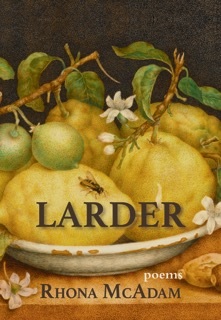
In her latest collection, Rhona McAdam navigates the dark places of human movement through the earth and the exquisite intricacies lingering in backyard gardens and farmlands populated by insects and pollinators, all the while returning to the body, to the tune of staccato beats and the newly discovered symmetries within the human heart.
“…A beautiful, filling collection, Larder is a set of poems to read at the change of the seasons, to appreciate alongside a good meal, and to remind yourself of the beauty in everything, even the things you may not appreciate before opening McAdam’s collection….”
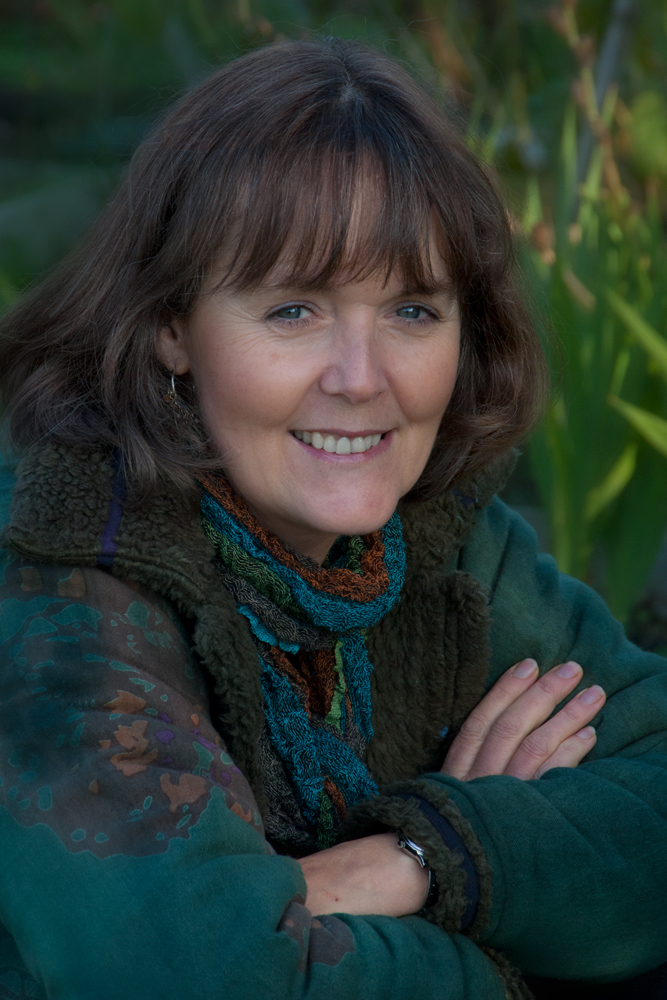
Rhona McAdam is a writer, poet, editor, and Registered Holistic Nutritionist with a Master’s in Food Culture from Italy and a deep-rooted passion for ecology and urban agriculture. Her work spans corporate and technical writing to poetry and creative nonfiction, often exploring the vital links between what we eat and how we live. Based in Victoria, BC, and available via Zoom, Rhona is always open to new writing commissions, readings, or workshops on nutrition and the culinary arts.