-
Eat there then
Read Full Post: Eat there then I’m a week behind in my entries, so here goes the catch-up. Last Sunday’s Eat Here Now festival looked to me to have been enormously popular, with lots of food being eaten and bought and talked about in Market Square.
The square had been divided into an eating and entertainment side, and a vendors’ side. Crowds seemed to be milling evenly between the two by the time I left, but as I arrived at lunchtime, I headed with sooo many others to the taste for a toony buffet provided by locally-oriented restaurants. Cosmo Meens, as always, drew a crowd, this time offering a curried tofu soup with focaccia, an offering from his new Hot and cold Cafe. Relish was there with a “Vietnamese sub” of house-smoked pork terrine and asian vegetables; Sooke Harbour House’s lovely little quinoa salad with salmon, seaweed and other local delicacies, came with an all-too tasty edible scoop, but I’d be surprised if many of them lasted long enough to do their job. All in all it was a hard day for vegetarians: aside from those mentioned, and some mushroom ravioli from Cowichan Pasta, almost every stand offered meat; of which Kulu’s spicy sausage got my vote, if only because it came laden with kimchi! (Luckily for the non-carnivores, Green Cuisine was open for business on the fringes of the festival.)


And then it was time to browse the vendors’ stalls, which of course included Haliburton Farm, where Farmers Nate & Mike were holding the fort; Libby Seabrook was doing a brisk trade in InfuseTea (her blueberry & rosemary blend is to die for, just for the record); Fry’s Bakery was selling mini-pizzas, blueberry scones and rather beautiful baguettes – can’t wait for them to open their shop on Craigflower Rd, which is rumoured to be happening later this month. City Harvest was there with urban abundance, Wildfire had some tempting shortbreads (lavender and local wheat were my picks) and Sun Trio’s tomatoes were as beautiful as the day was long and sunny.


-
Slow Food Lamb Roast
Read Full Post: Slow Food Lamb Roast Cory Pelan loves lamb, and he likes it best in a farmer’s field with lots of people bringing lots of lovely food to go with it. So yesterday afternoon he and the Slow Island convivium put on a summer party to raise funds for sending Vancouver Islanders to Terra Madre this October.
We sat on hay bales (invited to bring blankets to cover them) and watched the lamb turn on its spit until it was time to dine. Some idled away the time visiting the pig pens to see the heritage breed pigs that farmer Tom Henry raises there. Cory did the carving, assisted by Peter Zambri and watched by a host of hungry foodies.


By this time platter after platter of side dishes had arrived (I think it best to let the food speak for itself):


…and there was a groaning board of desserts as well.


-
Seediness & worminess
Read Full Post: Seediness & worminess A group of Gorge Tillicum Urban Farmers visited the Garden Path last week, to have a look around at a garden going (deliberately) to seed.
Carolyn Herriot walked us round the garden she carved out of broom and bracken about 12 years ago, and which over the years has been an organic plant nursery, a source of local organic seed, and now a fruitful training centre for interns. Carolyn has increasingly turned her hand to writing and is awaiting release of her new cookbook, The Zero-Mile Diet Cookbook, which follows her last book, The Zero Mile Diet: A Year Round Guide to Growing Organic Food.
Here she checks artichokes, which are ready for seed collection when the flower turns to fluff. Her leeks are in bloom, to the delight of the many bees who visit the garden. And she showed us a box of peas that had been collected and put into a container for freezing. Although they’d been carefully checked for pea weevil, freezing the peas for several days would make sure that anything missed would not hatch.


Pea weevil is a problem in summer peas; any planted after June should be resistant varieties, as the weevils bore through the pods and into the peas to lay eggs, which hatch out and can stunt or destroy seedlings as well as ruining the peas for eating.


Below, Carolyn shows off her Jerusalem artichokes. Every year, she said, she digs them up and leaves none behind, and every year they gallop back larger than life: I am grateful I had only planted mine in containers, and even there they happily go on self-propagating. Another reliable returnee is oca (oxalis tuberosa), a hardy little tuber from Peru via New Zealand, which sports lush, four-leafed foliage and produces lemony morsels ideal for roasting. Carolyn has introduced it to our area, selling tubers at Seedy Saturdays for several years now, and they volunteer back each year. New this year is the asparagus pea (Tetragonolobus purpurea) which looked a lot like one of the wild greens we picked when I was in Crete – probably was the same, since this hails from the Mediterranean. Pretty and tasty.


One other nov
 elty item Carolyn’s been selling through Seeds of Victoria is the strawberry spinach (Chenopodium capitatum), which was rather beautiful.
After that it was time for a sip of juice – which Carolyn makes with a steam extractor – and a look at some of her seed-saving. We also got a pep talk about the gut flora which have become a great topic of interest to her through her research for her cookbook, as have recipes involving fermentation which feed those beneficial organisms.


Last weekend marked the 20th anniversary party and plant sale at the Greater Victoria Compost Education Centre, where a life-sized red wiggler was handing out gummi-worms and birthday cake, while outside were a number of vendors, including foodista turned tea-wallah, Libby Seabrook, offering some delicious herbal concoctions. Also spotted was Farmer Tina from Corner Farm in North Saanich, digging a nearly released local book.


Latest Posts
- Writers at Word!
- Sublime and Twisted Readings coming up!
- Sublime
- Good weather for reading
- The world, the world
- Sublime launch!
Aldeburgh Poetry Festival Barny Haughton BBC BC poets Berkswell blackberries Black Stilt Bologna book launch Borough Market Carlo Petrini Catalonia Cyrus Todiwala dairy Daunt's Books Dijon Edinburgh Fanny Bay Feast of Fields Food and Morality food history food journalism Jenna Butler lardo Malahat Review Michael Pollan Okanagan olive oil tasting olive trees Omnivore's Dilemma Our Food Our Future Oxford Parmigiano-Reggiano Planet Earth Poetry poetry poetry readings Poetry videos prosciutto salumi Sean O'Brien Suffolk ticks Wendy Morton Wired Writing Yvonne Blomer
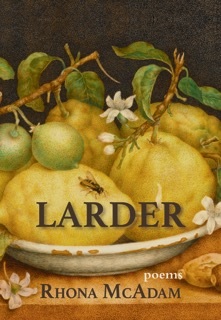
In her latest collection, Rhona McAdam navigates the dark places of human movement through the earth and the exquisite intricacies lingering in backyard gardens and farmlands populated by insects and pollinators, all the while returning to the body, to the tune of staccato beats and the newly discovered symmetries within the human heart.
“…A beautiful, filling collection, Larder is a set of poems to read at the change of the seasons, to appreciate alongside a good meal, and to remind yourself of the beauty in everything, even the things you may not appreciate before opening McAdam’s collection….”
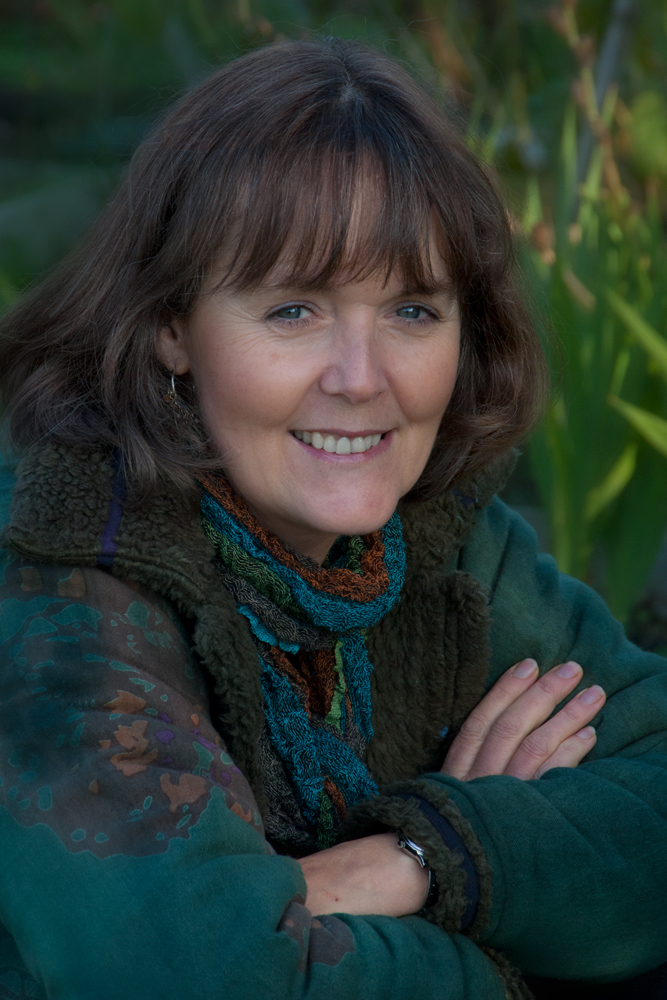
Rhona McAdam is a writer, poet, editor, and Registered Holistic Nutritionist with a Master’s in Food Culture from Italy and a deep-rooted passion for ecology and urban agriculture. Her work spans corporate and technical writing to poetry and creative nonfiction, often exploring the vital links between what we eat and how we live. Based in Victoria, BC, and available via Zoom, Rhona is always open to new writing commissions, readings, or workshops on nutrition and the culinary arts.