-
Tea & coffee with a spot of consciousness-raising
Read Full Post: Tea & coffee with a spot of consciousness-raisingA couple of events involving warm beverages coming up in Victoria – ideally timed for these chilly spring days.
On the coffee front, The Black Stilt and Oughtred Coffee are fundraising for the families and children of coffee farmers that they purchase from. Come to either Black Stilt location to support sport and education programs for these families by purchasing the Seed to Cup book, written by Dave from the Black Stilt, about Rio Negro coffee, produced by the Rainforest Alliance certified coffee farm featured in the book. The event takes place all day Thursday, June 3 during regular business hours: an opportunity to learn more about your cup of coffee and local businesses’ efforts to help their farmers’ families. (Follow it on Facebook –if you aren’t part of the quit facebook movement…)
The Room To Grow Foundation, a Canadian charity located on the Thai-Burma border in Mae Sot, Thailand, is holding a Burma Tea on Sunday, June 6th, from 2:00pm to 4:30pm at St. Matthias Church Hall on (Richmond at Richardson in Fairfield). $15 per person; tickets available at Ten Thousand Villages, Oak Bay Avenue and Full Circle Studio Arts.
The event will feature tea and homemade goodies, but also a Bingo on Burma, which offers entertainment and information about the situation on the Thai-Burma border, and a Silent Auction (items including: weekend getaway at Hidden Haven, Lasqueti Island, handmade fair trade items made by Burmese refugee women, healing therapy sessions (Reiki, Reconnective Healing, Cranio-Sacral), a composting consultation and some delectable desserts). Tax receipts are available. More information from Diana Pennock / phone 250-382-9466.
-
Life among the Nubians
Read Full Post: Life among the Nubians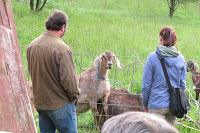
I enjoy my membership in COG-Vancouver Island, which has information sessions over the winter followed by local farm tours. Last week’s farm tour gave us a chance to see Blackberry Spring Farm in Saanich, which has two greenhouses. Barb grows greens for farmstand sale in this one

and Diane has just started planting in this.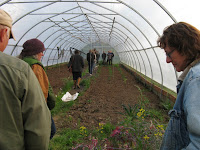
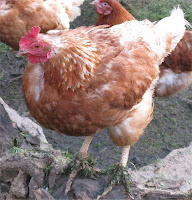
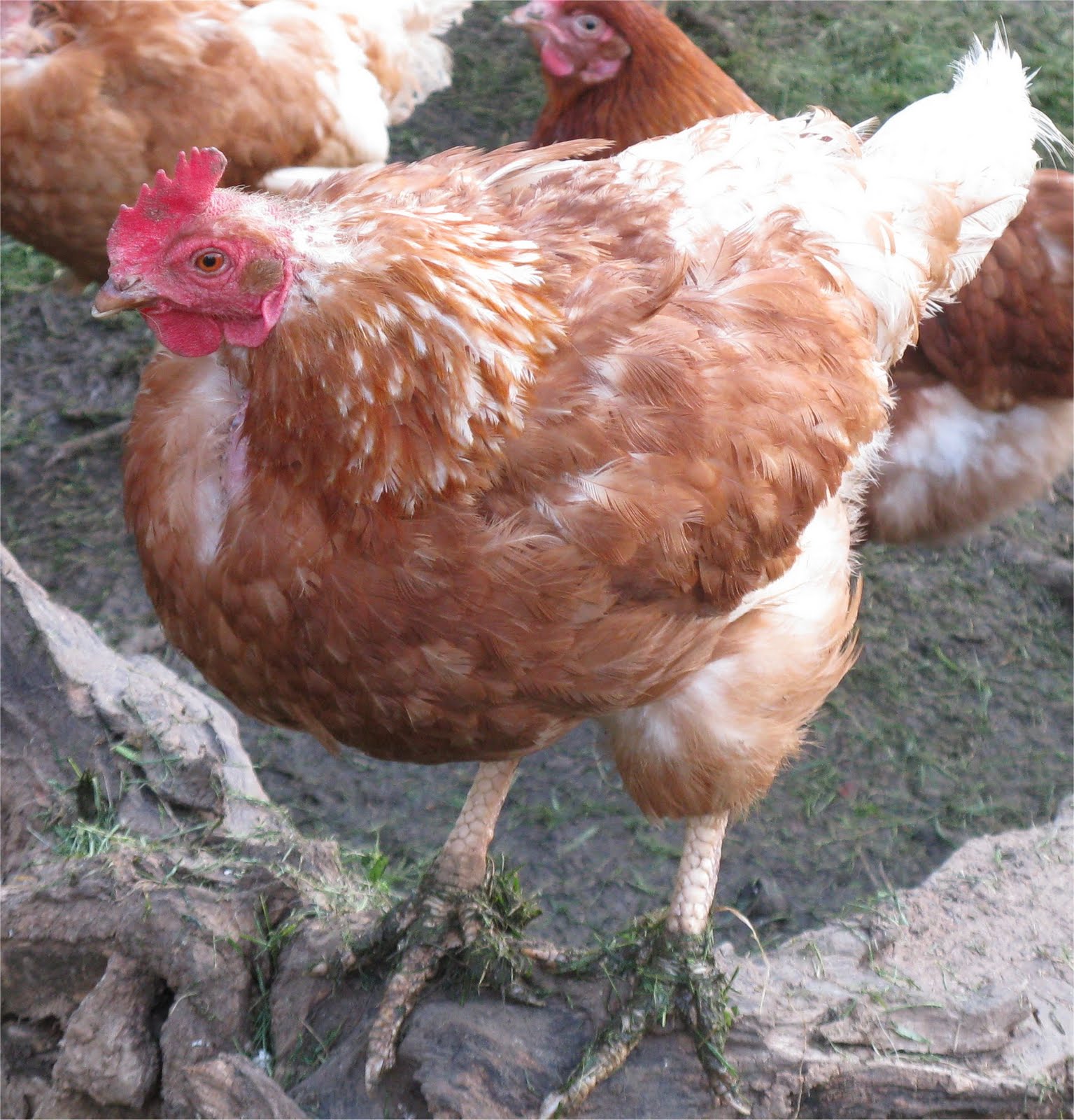
Diane has a flock of chickens as well. She pointed out the difference between young hens in their prime
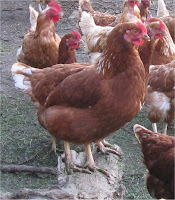
and older ones who at about 18 months stop being productive layers (these are laying hens rather than meat birds so they end up in the soup pot). The differences are in the colouring and the legs.
We actually began the tour with a visit to the goats, which are Nubians and very curious.
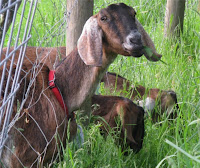
They have very long necks
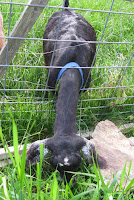
and ears.
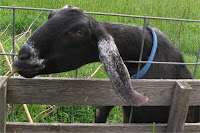
Diane chose them because they are great milkers, easy to handle, and are both dairy and meat animals, which is a consideration when half the offspring will be male. In the milking parlour we saw the milking ramp and the milking bucket
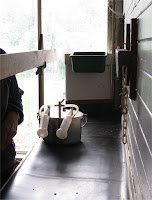
and then on to the kitchen to see a bit about her yogurt and cheesemaking. Here Diane is setting the curds to drain.
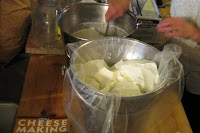
She says that Nubian milk is the Jersey of goat milk: very rich and high in butterfat, so excellent for cheesemaking, which we got a chance to affirm for ourselves when she concluded our visit by bringing out her spectacularly good bread with some chevre.
-
Edible words
Read Full Post: Edible wordsI have not talked about poetry for a while. Food has seemingly taken over; but food poetry and writing are holding their own too. Here’s a little update of my food writing news:
Food poems are being published in a couple of specialist food & literature publications: I’m currently in CuiZine, out of Montreal, and will soon be slathered on the pages of Alimentum, which is from New York.
JackPine Press in Saskatoon, which does wild and innovative limited edition chapbooks, is publishing Sunday Dinners next month, which features 8 of my food poems presented like the treasures found in the pages of old cookbooks, thanks to the artistic genius of my clever collaborator, Colleen Philippi. We’ll be launching it here in Victoria at Open Space Gallery on June 19.
Not sure when, but sometime in the next 12 months I’ll also be launching a 20-page chapbook of food poems, The Earth’s Kitchen, from Lantzville’s delightful Leaf Press. More on that as it unfolds.
And my most recent and most exciting news is that I’ll have a piece included in Lonely Planet‘s anthology of food & travel writing, A Moveable Feast: Life-Changing Food Encounters Around the World, which will be published in the fall.




Latest Posts
- Writers at Word!
- Sublime and Twisted Readings coming up!
- Sublime
- Good weather for reading
- The world, the world
- Sublime launch!
Aldeburgh Poetry Festival Barny Haughton BBC BC poets Berkswell blackberries Black Stilt Bologna book launch Borough Market Carlo Petrini Catalonia Cyrus Todiwala dairy Daunt's Books Dijon Edinburgh Fanny Bay Feast of Fields Food and Morality food history food journalism Jenna Butler lardo Malahat Review Michael Pollan Okanagan olive oil tasting olive trees Omnivore's Dilemma Our Food Our Future Oxford Parmigiano-Reggiano Planet Earth Poetry poetry poetry readings Poetry videos prosciutto salumi Sean O'Brien Suffolk ticks Wendy Morton Wired Writing Yvonne Blomer
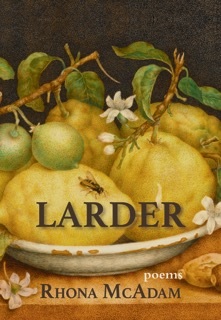
In her latest collection, Rhona McAdam navigates the dark places of human movement through the earth and the exquisite intricacies lingering in backyard gardens and farmlands populated by insects and pollinators, all the while returning to the body, to the tune of staccato beats and the newly discovered symmetries within the human heart.
“…A beautiful, filling collection, Larder is a set of poems to read at the change of the seasons, to appreciate alongside a good meal, and to remind yourself of the beauty in everything, even the things you may not appreciate before opening McAdam’s collection….”
Rhona McAdam is a writer, poet, editor, and Registered Holistic Nutritionist with a Master’s in Food Culture from Italy and a deep-rooted passion for ecology and urban agriculture. Her work spans corporate and technical writing to poetry and creative nonfiction, often exploring the vital links between what we eat and how we live. Based in Victoria, BC, and available via Zoom, Rhona is always open to new writing commissions, readings, or workshops on nutrition and the culinary arts.