-
A musical interlude with JTE
Read Full Post: A musical interlude with JTEJust bought me a new cd by this young feller. How I wish I could catch his gig at the Borderline tomorrow, where once I saw young up-and-comer Sheryl Crow, and another time our own James Keelaghan.
-
More on meat , a bit about honey, and lots more local eating and drinking
Read Full Post: More on meat , a bit about honey, and lots more local eating and drinkingNo sooner do I post the entry on meat than it’s all around me, practically slapping me (as it were) in the face.
Merna had kindly sent me this interesting review of Mark Bittman’s book Food Matters: A Guide to Conscious Eating, which is being billed as the natural extension of Pollan’s In Defense of Food – only with recipes. So I rushed out and bought it and the first page says:
Two years ago, a report from the United Nations Food and Agriculture Organization (FAO) landed on my desk. Called Livestock’s Long Shadow, it revealed a stunning statistic: global livestock production is responsible for about one-fifth of all greenhouse gases – more than transportation.
So that caught my attention, as did the review’s praise of his simplified approach to cooking (he does after all write a column for the NYT called The Minimalist: he wants to teach you How to Cook Everything!). Then it turns out there’s an interview with Bittman in the Globe and Mail today as well.
Maybe you’d like to practice your French listening skills by watching this video which Jo-Anne kindly sent me, of people who risk man-eating tigers to harvest wild honey each year. Like all good eaters, they thank the forest gods for their bounty at the end.
In other more local news… I noticed a poster for a Sustainability Fair in the town of View Royal this weekend, on Saturday January 24 from 11-4; or you can catch Don Genova’s perky short course on coffee from 10-4; Lorna Crozier reads at the Planet Earth reading series, 7.30pm this Friday 23rd. It seems we’re also in a time of warming beverages: this weekend we have the Victoria Whisky Festival, complete with tastings and masterclasses. The more abstemious can hold off until February 14-15 for the Victoria Tea Festival. From February 19th to March 8th there’s an opportunity for serial dining with the Dine Around & Stay In Town Victoria event.
-
Local eating & learning & reading
Read Full Post: Local eating & learning & readingThis course, about defending yourself from bear and cougar attacks, offers a whole new vision of locavore.
Our local continuing studies calendars are full of courses about sustainability, organic gardening, permaculture, vegetarianism and food issues: all very heartening. There’s an Introduction to Food Culture course, led by Don Genova, that begins this Wednesday night at UVic, discussing food safety, food security and sustainable food development among other topics. Don is also offering an Exploring Local Foods course starting February 25th, featuring tastings and education about seafood, wine+beer, foraging and dairy products. Check out UVic’s ‘Sustainability‘ offerings or, call 250-472-4747 or register online (click on “Nature, Environment, Sustainability”)
A reading coming up tomorrow: Open Word: Readings and Ideas, Open Space‘s downtown Victoria literary series, features Toronto poet Sue Sinclair reading from her new collection Breaker (Brick 2008). Following the reading, Victoria poet Steven Price will interview Sue Sinclair. Tuesday, January 20 at 7:30 pm, Open Space Arts Society, 510 Fort St.


Latest Posts
- Writers at Word!
- Sublime and Twisted Readings coming up!
- Sublime
- Good weather for reading
- The world, the world
- Sublime launch!
Aldeburgh Poetry Festival Barny Haughton BBC BC poets Berkswell blackberries Black Stilt Bologna book launch Borough Market Carlo Petrini Catalonia Cyrus Todiwala dairy Daunt's Books Dijon Edinburgh Fanny Bay Feast of Fields Food and Morality food history food journalism Jenna Butler lardo Malahat Review Michael Pollan Okanagan olive oil tasting olive trees Omnivore's Dilemma Our Food Our Future Oxford Parmigiano-Reggiano Planet Earth Poetry poetry poetry readings Poetry videos prosciutto salumi Sean O'Brien Suffolk ticks Wendy Morton Wired Writing Yvonne Blomer
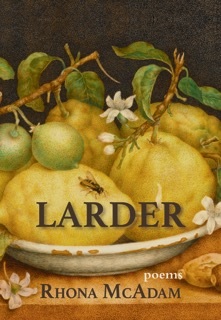
In her latest collection, Rhona McAdam navigates the dark places of human movement through the earth and the exquisite intricacies lingering in backyard gardens and farmlands populated by insects and pollinators, all the while returning to the body, to the tune of staccato beats and the newly discovered symmetries within the human heart.
“…A beautiful, filling collection, Larder is a set of poems to read at the change of the seasons, to appreciate alongside a good meal, and to remind yourself of the beauty in everything, even the things you may not appreciate before opening McAdam’s collection….”
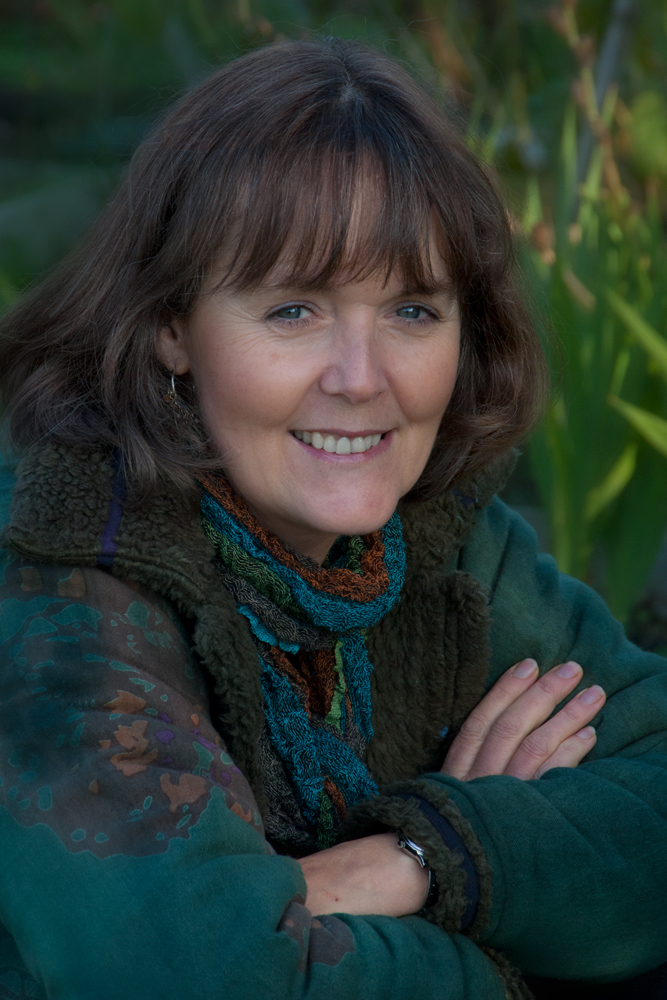
Rhona McAdam is a writer, poet, editor, and Registered Holistic Nutritionist with a Master’s in Food Culture from Italy and a deep-rooted passion for ecology and urban agriculture. Her work spans corporate and technical writing to poetry and creative nonfiction, often exploring the vital links between what we eat and how we live. Based in Victoria, BC, and available via Zoom, Rhona is always open to new writing commissions, readings, or workshops on nutrition and the culinary arts.