-
Toasting poetry
Just sitting around adding a layer of cookbooks to the layer of poetry books on my desk. A gift from the gods — well, from Susan in Calgary really — arrived in my mailbox yesterday: the gastro-biography Toast, by that most laid back of the British celebrity chefs Nigel Slater. Pretentious is certainly not a word you could use about someone who describes his mother’s chronically burnt toast thus:
“It is impossible not to love someone who makes toast for you. People’s failings, even major ones such as when they make you wear short trousers to school, fall into insignificance as your teeth break through the rough, toasted crust and sink into the doughy cushion of white bread underneath. Once the warm, salty butter has hit your tongue, you are smitten.”
Meanwhile I peruse recipes of a non-toasty nature as I have been smitten myself by an insane plan to cater my own book launch. Will I never learn? I think it was finding a caterer who charged $69 for a smoked salmon cheesecake that unhinged me. So I and my crispy assistant Miss Vicky will take care of things.
I’ve picked up another half-read book. This time it’s the always unpredictable and hugely successful anthology Staying Alive, edited by Bloodaxe’s own Neil Astley (check out his controversial lecture, Guile, Bile and Dangerous to Poetry). I was surprised – favourably – to discover Gwendolyn MacEwan among the contributors; and Anne Michaels, P.K. Page, and lots (7 poems!) of Alden Nowlan. One or two of the section introductions are more confusing than the poems — I have long been baffled by Astley’s assertion that Elizabeth Bishop’s Chemin de Fer could “be read as a ‘coded’ account of female masturbation.” Huh?!? Still, the poems themselves are ones to be grateful for and it is a wonderfully broad selection.
-
Villanelle
Blues-oriented form fiends may like to check out the latest Paul Reddick cd, Villanelle. I heard him interviewed a while back, but wasn’t paying full attention at the time; it seems to me he said that many (all?) of the songs on the album incorporated formal elements from poetry, but I haven’t been able to find that interview or any corroborating evidence.
And that somewhat predictably brings me to Dylan Thomas, whose Do Not Go Gentle Into That Good Night, for his dying father, remains the most stunning villanelle I’ve ever heard.
Two years ago today – it was the morning of Easter Monday – my own dad passed away. Here he is, sailing for London.

-
Purdy, Pinsent, prosody and apostles
Al Purdy’s very topical just now. Not only is his Rooms for Rent in the Outer Planets: Selected Poems, 1962-1996 up for Canada Reads , the CBC is airing a documentary about him called “Yours, Al” this coming Thursday, April 13, on CBC Television’s Opening Night. The show stars Gordon Pinsent as Al Purdy and is on at 8 pm local time across Canada.
Meanwhile, I’ve wantonly picked up yet another book to browse. The house is pretty well carpeted with half-read books on prosody and form these days. Annie Finch, in her new collection of essays, The Body of Poetry: Essays on Women, Form and the Poetic Self , kicks off and out with a chapter on metric diversity, arguing against the championing of iambic pentameter as the premier English meter. “The use of the single label ‘iambic’ to include lines in other meters, she says, “…may prove to erase what it assumes to include, just as the generic use of the pronoun ‘he’ – said to include females – arguably erases female presence.”
With Easter coming, English cooks are busy making Simnel Cake, pretty much just a fruit cake with marzipan topping, but something virtually unknown on this side of the Atlantic. Apparently its roots lie in another English holiday, Mothering Sunday, which takes place in March. Serving girls were permitted to visit their mothers on this day and the practice was to bring a simnel cake to prove how clever they were (if they made a good one, it would stay moist and tasty till Easter). Its presence at the Easter meal has to do with the 11 marzipan balls that decorate the top, representing all the Apostles except Judas. Perhaps with the new evidence that surfaced last week we can bring the numbers back to an even 12…


Latest Posts
- Sublime
- Good weather for reading
- The world, the world
- Sublime launch!
- Planet Earth Poetry – Readings by Volunteers, Victoria 2026
- Poetry at the Goldfinch
Aldeburgh Poetry Festival Barny Haughton BBC BC poets Berkswell blackberries Black Stilt Bologna book launch Borough Market Caerphilly Carlo Petrini Catalonia culatello Cyrus Todiwala dairy Dijon Edinburgh Fanny Bay Feast of Fields ferries Food and Morality food journalism Michael Pollan olive oil tasting Omnivore's Dilemma Our Food Our Future Oxford Parmigiano-Reggiano persimmons Planet Earth Poetry poetry poetry readings Poetry videos prosciutto salumi Sean O'Brien sensory analysis Suffolk ticks tortelli di zucca Troubadour Wendell Berry Wendy Morton Yvonne Blomer
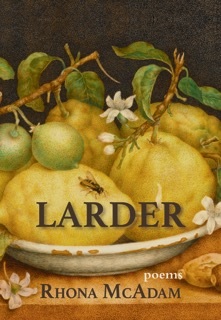
In her latest collection, Rhona McAdam navigates the dark places of human movement through the earth and the exquisite intricacies lingering in backyard gardens and farmlands populated by insects and pollinators, all the while returning to the body, to the tune of staccato beats and the newly discovered symmetries within the human heart.
“…A beautiful, filling collection, Larder is a set of poems to read at the change of the seasons, to appreciate alongside a good meal, and to remind yourself of the beauty in everything, even the things you may not appreciate before opening McAdam’s collection….”
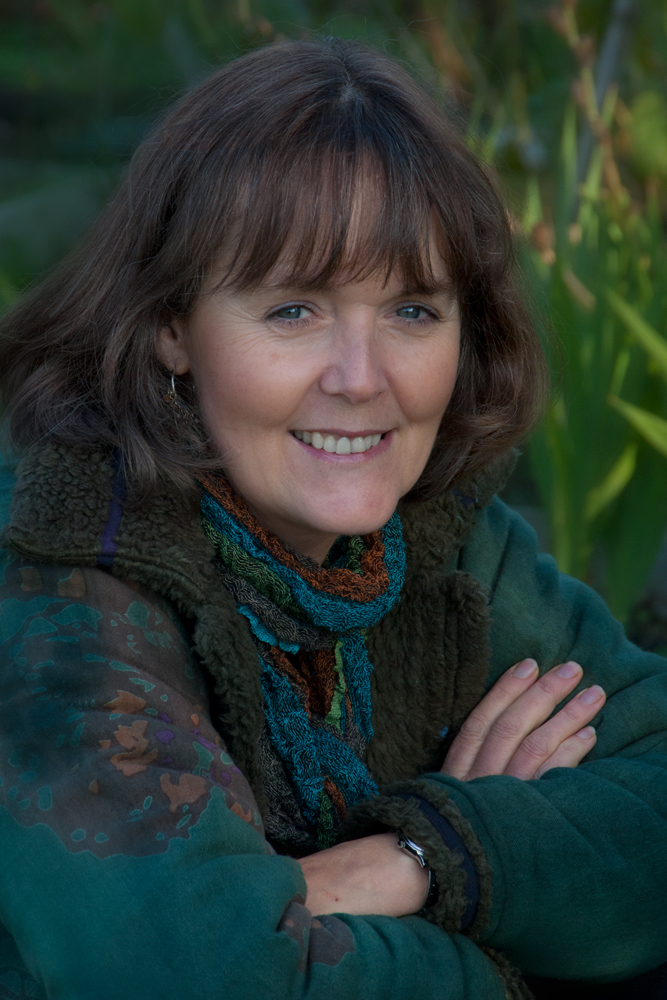
Rhona McAdam is a writer, poet, editor, and Registered Holistic Nutritionist with a Master’s in Food Culture from Italy and a deep-rooted passion for ecology and urban agriculture. Her work spans corporate and technical writing to poetry and creative nonfiction, often exploring the vital links between what we eat and how we live. Based in Victoria, BC, and available via Zoom, Rhona is always open to new writing commissions, readings, or workshops on nutrition and the culinary arts.