-
Aeroponics in Victoria
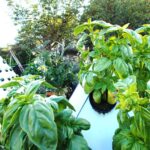
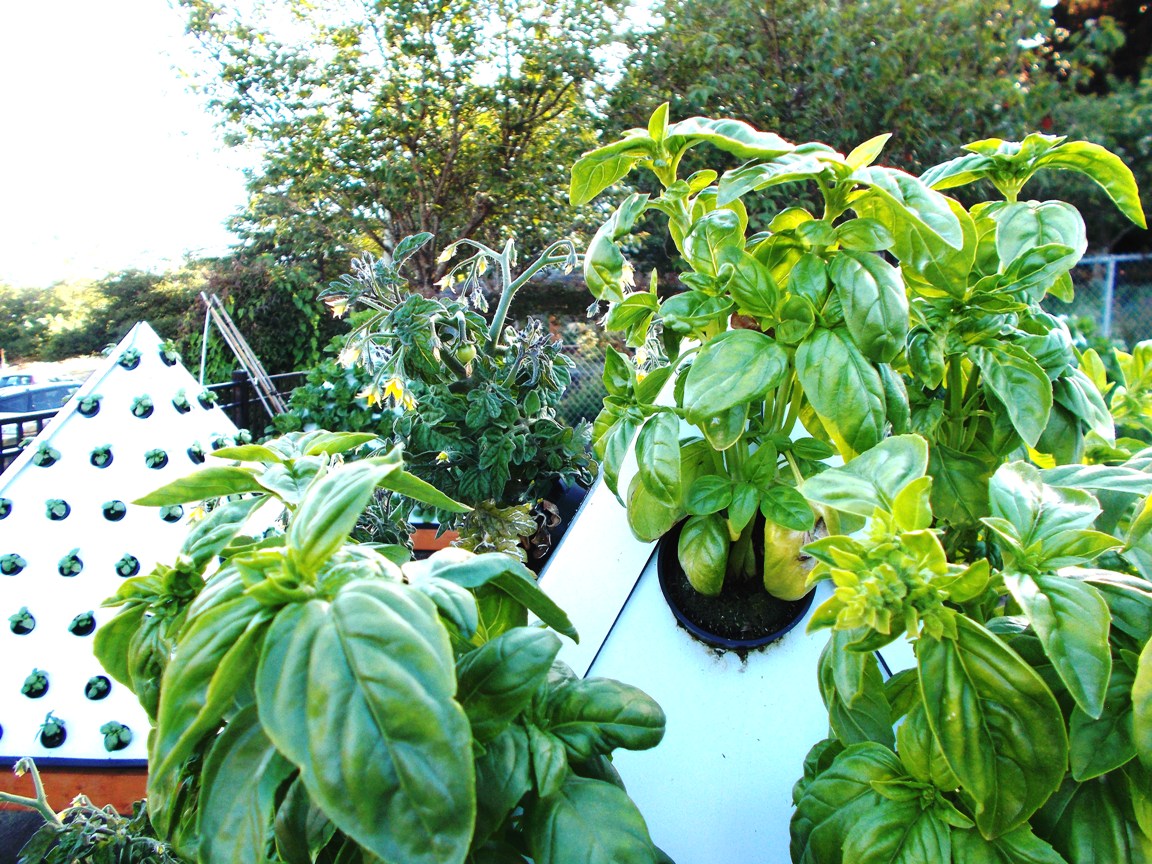
Basil and tiny tomato plants For the first time in a long while I went on a farm tour of sorts last Thursday. This one was a tour of an aeroponics project run by Harvest and Share Food Relief Society. It’s housed on the grounds of Victoria’s Government House, next to its vegetable garden and Victory Over COVID Garden.
While I am not generally a big fan of artificial growing media (more on that shortly) this one was set up with the worthwhile goal to provide fresh greens to local food banks and community kitchens during the summer growing season. Currently they’re growing basil, baby romaine and tiny grape tomatoes.
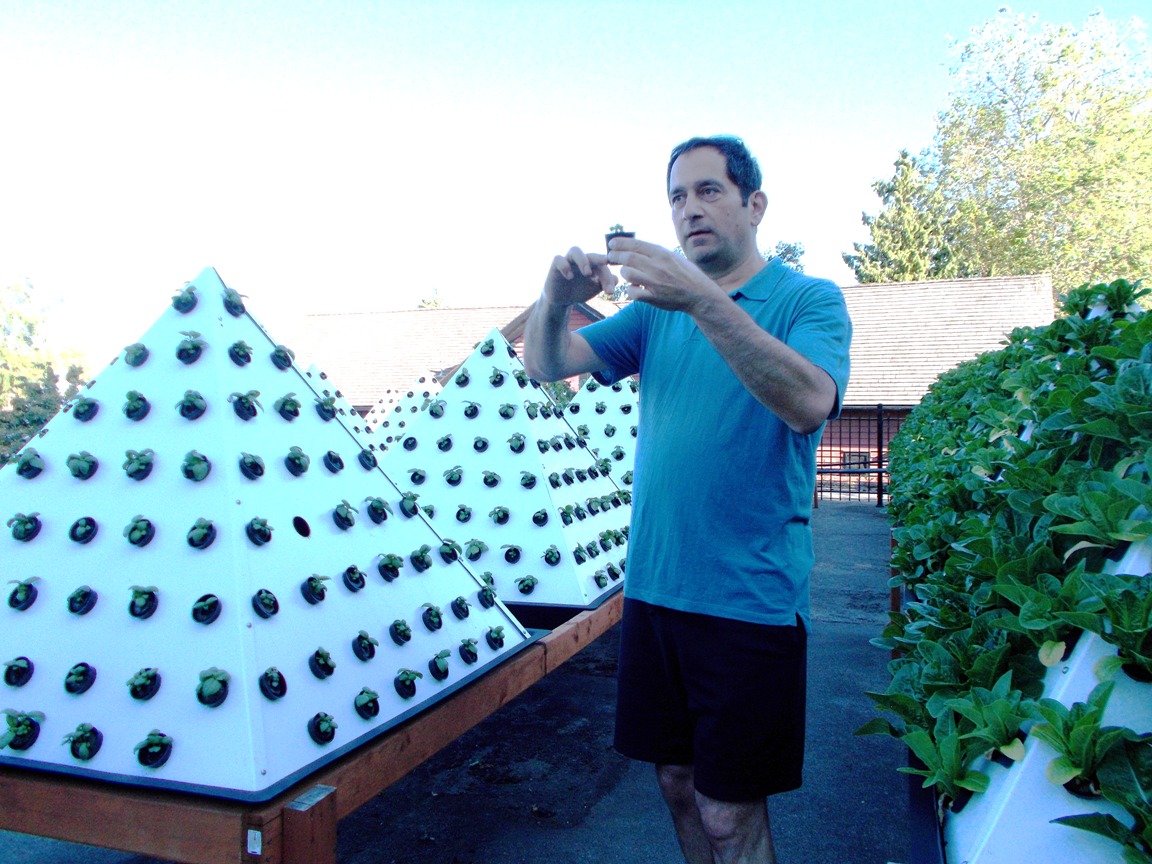
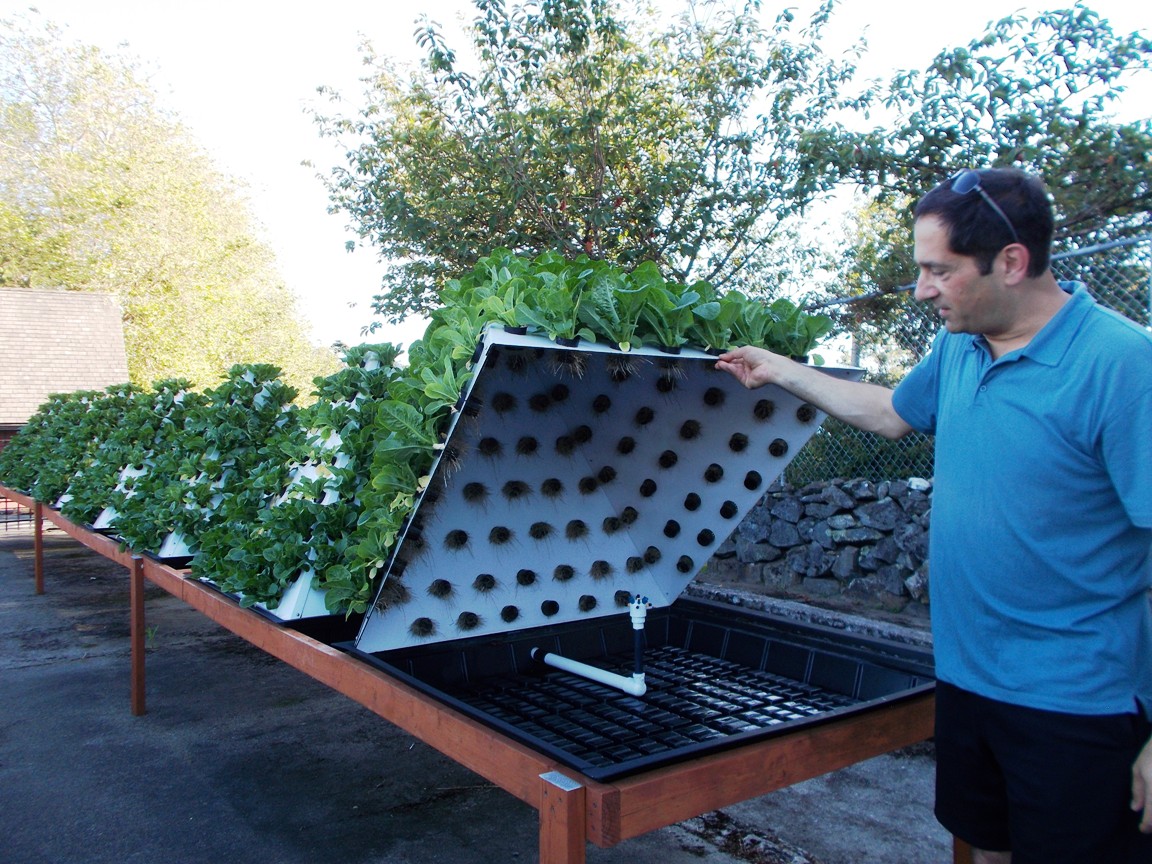
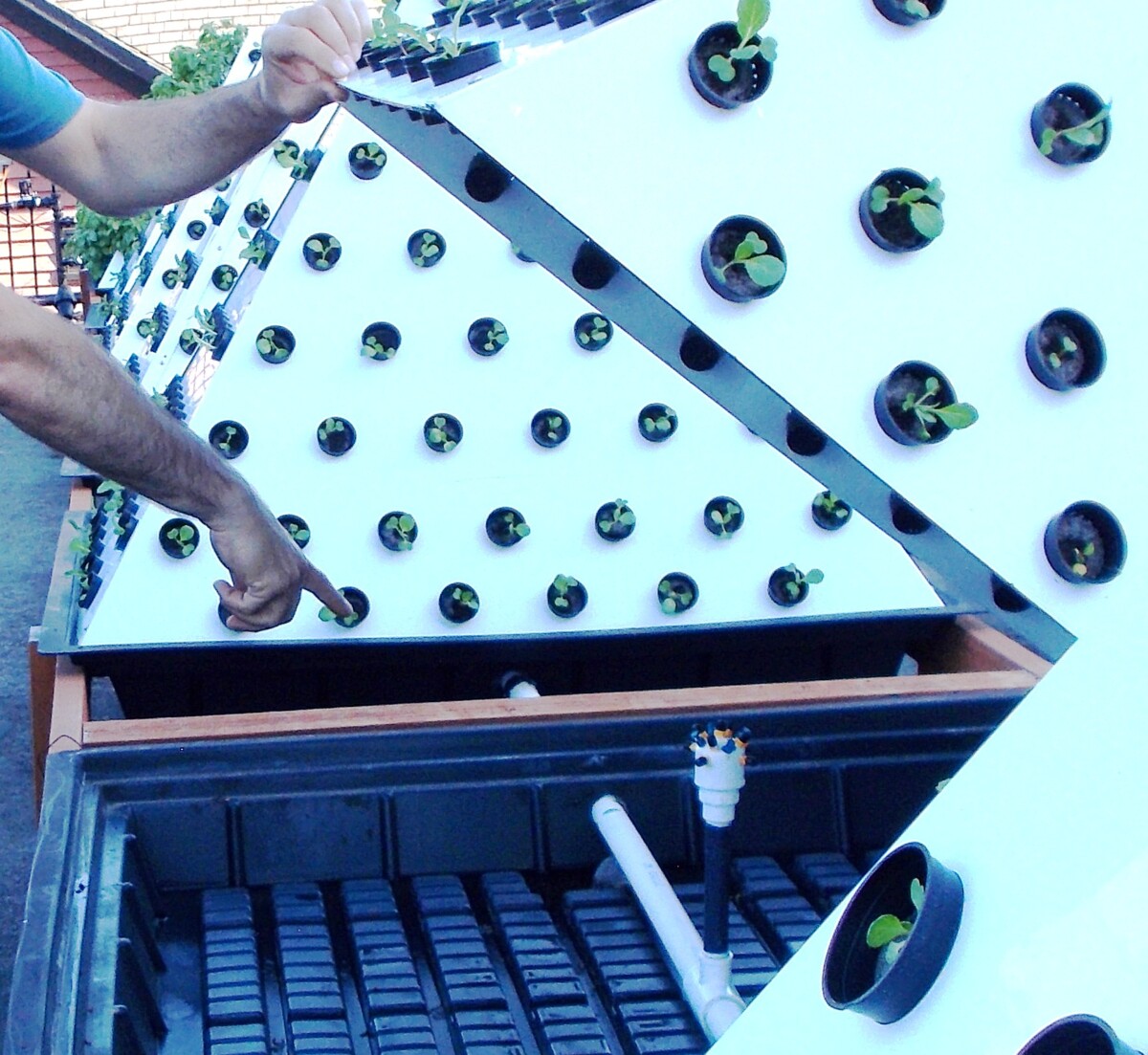
The setup involves aluminum pyramids with planting holes spaced 6 inches apart; each of the 25 planters can hold 136 plants. The plants are started in peat plugs, set into small plastic baskets that fit the planting holes. Foam (styrofoam) is often used in such systems, but can’t be cleaned or easily recycled. The system is lightweight and planters can be tipped up or moved to allow maintenance of the spray nutrient system that feeds them.
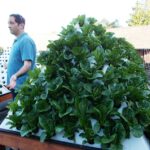
Baby romaine lettuce 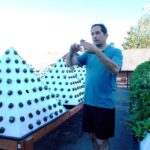
Planters & pots 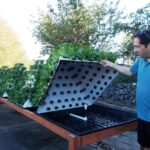
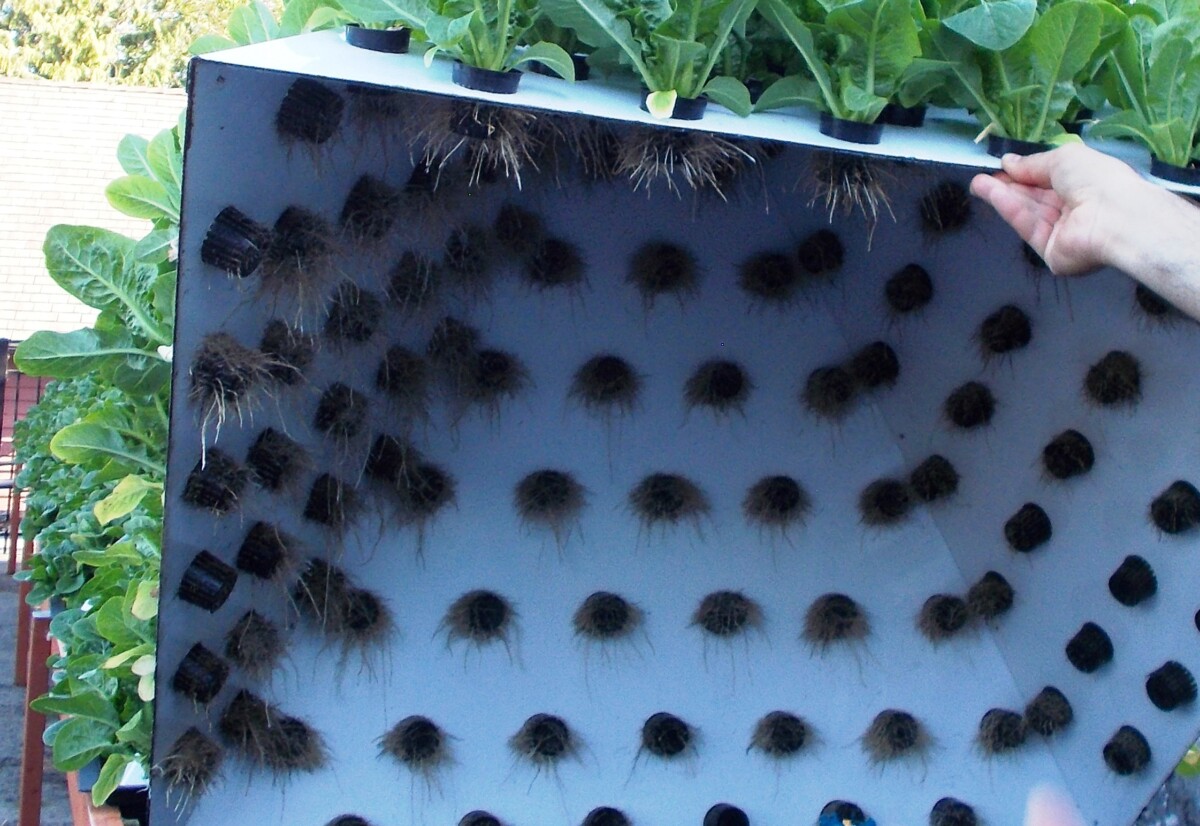
Plants seen from below
The plant roots extend into the growing space where they are misted with a liquid nutrient running through a pipe system beneath the planters, set on timers and propelled with a pump system. The excess liquid runs back into a collection bin where it is filtered and recycled. The nutrient liquid is changed at regular intervals, and the misting system needs checking and cleaning as it can get clogged.
Like many food growing innovations, some of the preliminary research into this method of food production came from the cannabis industry (Michael Pollen remarks on cannabis-grower-inspired horticultural innovation in Botany of Desire)
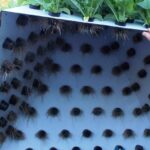
Plant roots within the pyramid 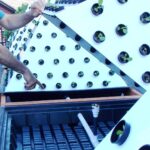
Misting head and pipes 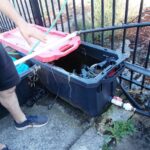
Nutrient recycling bin
The original design of this system was set up for growing basil; plants with larger leafy systems need to be spaced more widely. For example, the planters do work well with potatoes, which will extend inside the pyramid with the leafy matter above, but the plants need to be spaced more widely and/or positioned where their bushy leaves don’t intrude on what else is growing in the same planter. Other plants have been tried, including broccoli and squash, but speed and quantity are the goals in the current setup.
Hopes for the future are to extend the growing season by building a greenhouse (the system is located on the cement pad once used for the greenhouse that served the Government House kitchen).
There are compromises in every agricultural method. Aeroponics is admired for its clean, water-conserving and productive features and small footprint. The nutrients in the foods grown are believed to be similar to those in soil-based methods, although of course it depends which nutrient mix, which growing conditions, and which soil you are talking about.
However, held to a sustainability lens, this particular system does depend on peat plugs, plastic pots, plastic piping and electricity to run; and relies on an imported liquid nutrient mix. So it will never be free of external inputs as a soil-based farm can be. Done on a large scale, it can take farmland out of production and damage the health of the soil beneath its operations as readily as any other human activity. Moved indoors / into a greenhouse, additional requirements include heating and dehumidification systems = more electricity.
Growing without soil means that humans must attempt to mimic nature in providing the nutrients for plant growth; our species has determined there are 17 (or maybe 18) essential plant nutrients, but in the soil of course there are far more micronutrients, as well as microbial helpers working synergistically to nourish plants and build soil, adapted to different soil and climactic conditions. To my mind, there are as well question marks around the source (sustainability) of the ingredients in the nutrient mix, as well as the risk of diseases that can be swiftly circulated through a closed system.
-
Poetry walking in Saskatchewan
A week spent with environmental literati from around the country and beyond was stimulating, delicious and rather warm at times. The first ALECC conference since pandemic times was, as they say, an intimate affair – not everyone who could have attended was yet willing or able to rub shoulders – but protective measures such as masked indoor events felt safe and comradely.
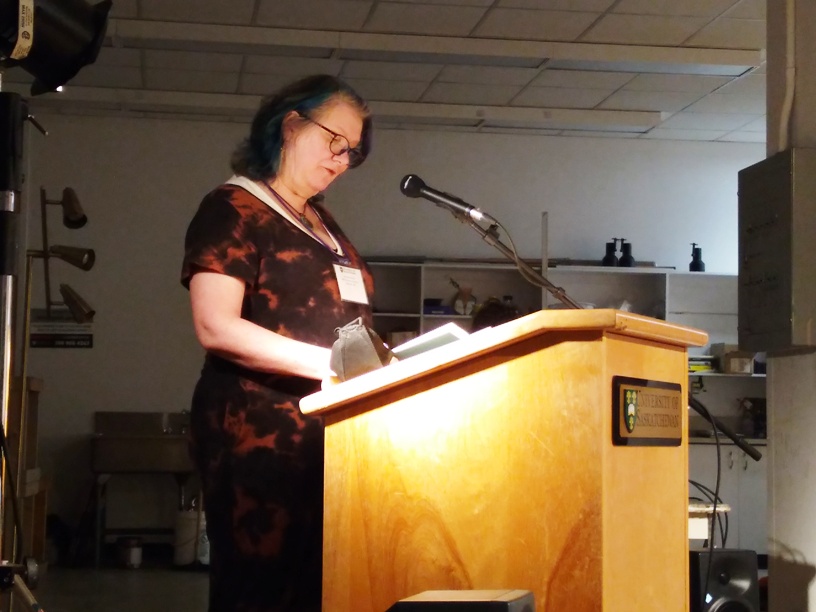
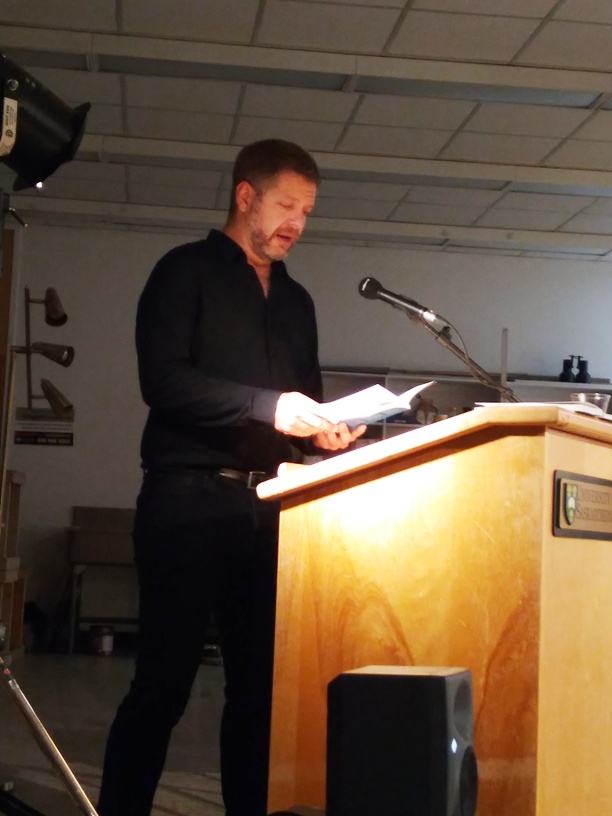
Tuesday, the evening before the conference began, Mari-Lou Rowley, Katherine Lawrence and I read from our new collections to a live (masked) audience who joyously filled the reading space at McNally Robinson, with another 35 or so attending online through the magic of live streaming.

On Wednesday, Mari-Lou and I attended ALECC’s opening reception (the food was excellent and plentiful) and caught up with some familiar names and faces. Ariel Gordon, Tanis MacDonald and Kit Dobson read from their new books with Wolsak and Wynn, and the “Confluence” exhibit by Susan Shantz was on throughout the conference in the next door gallery (her talk on Friday night, “Confluences of Water, Art and Science,” with collaborator Graham Strickert, was excellent)

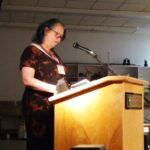
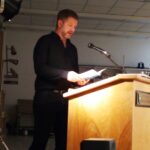
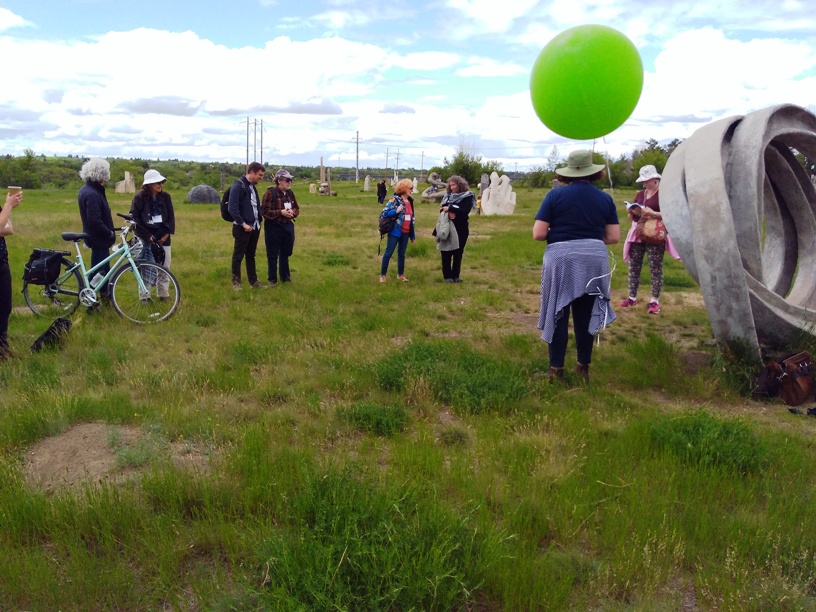
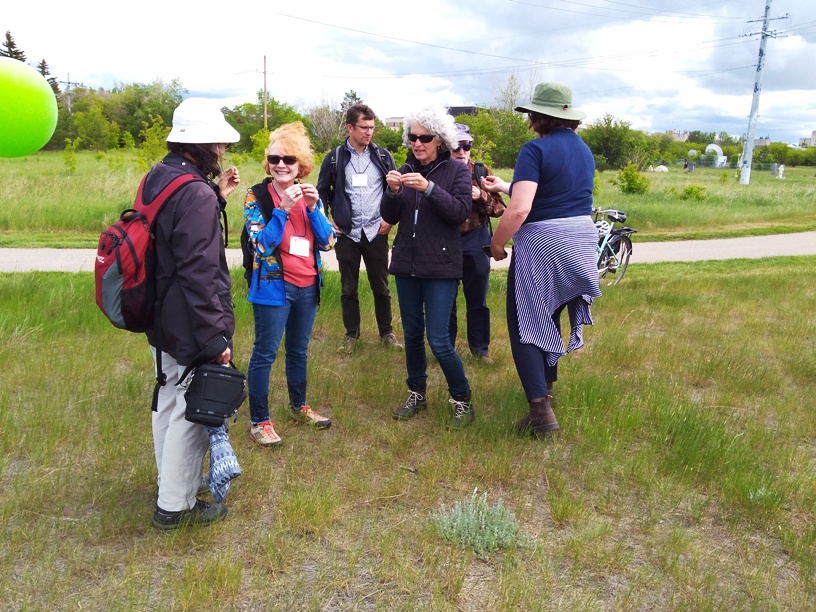
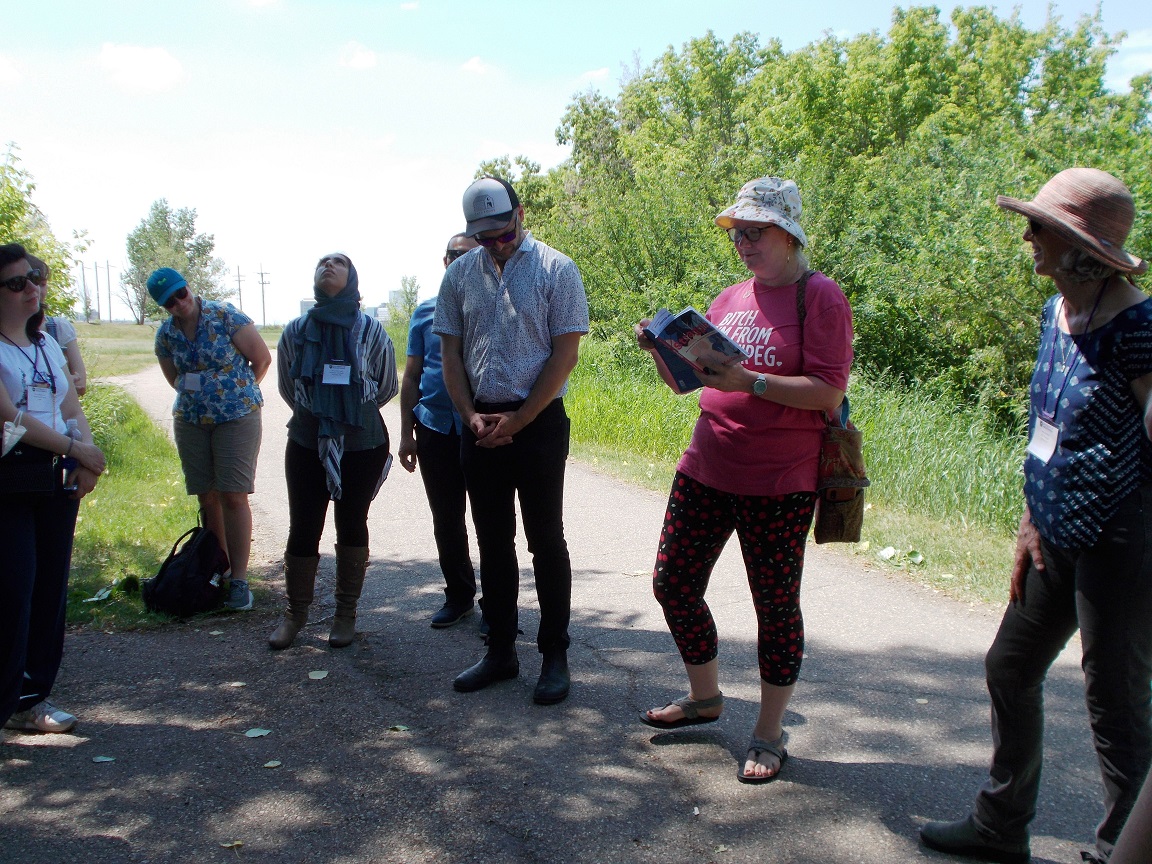
Thursday I was teaching online all morning and turned up in time for the first of two Poetry Walks, with Ariel and Tanis. It was much fun – we walked along a walking / running trail, stopping at intervals to read poems to our followers. Ariel borrowed one of ALECC’s helpful balloons to guide us.
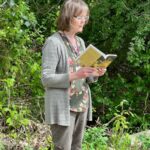
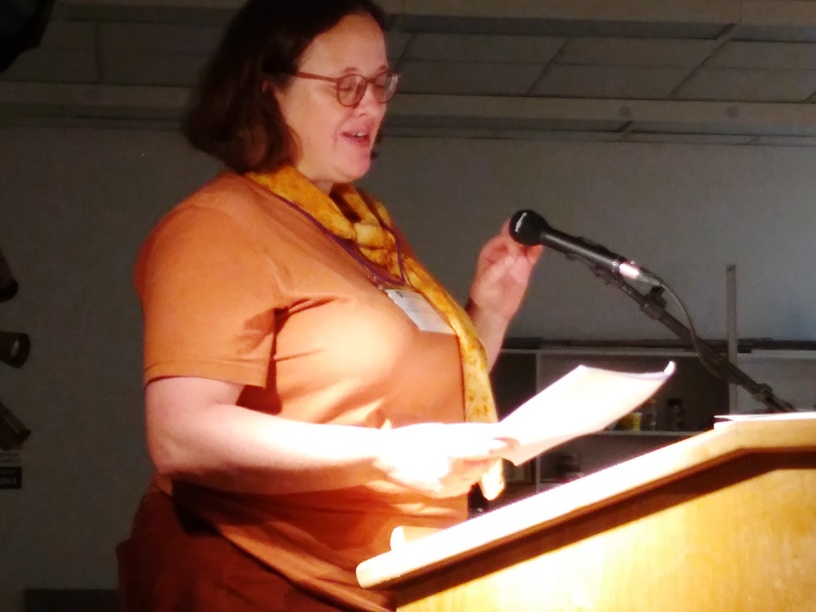
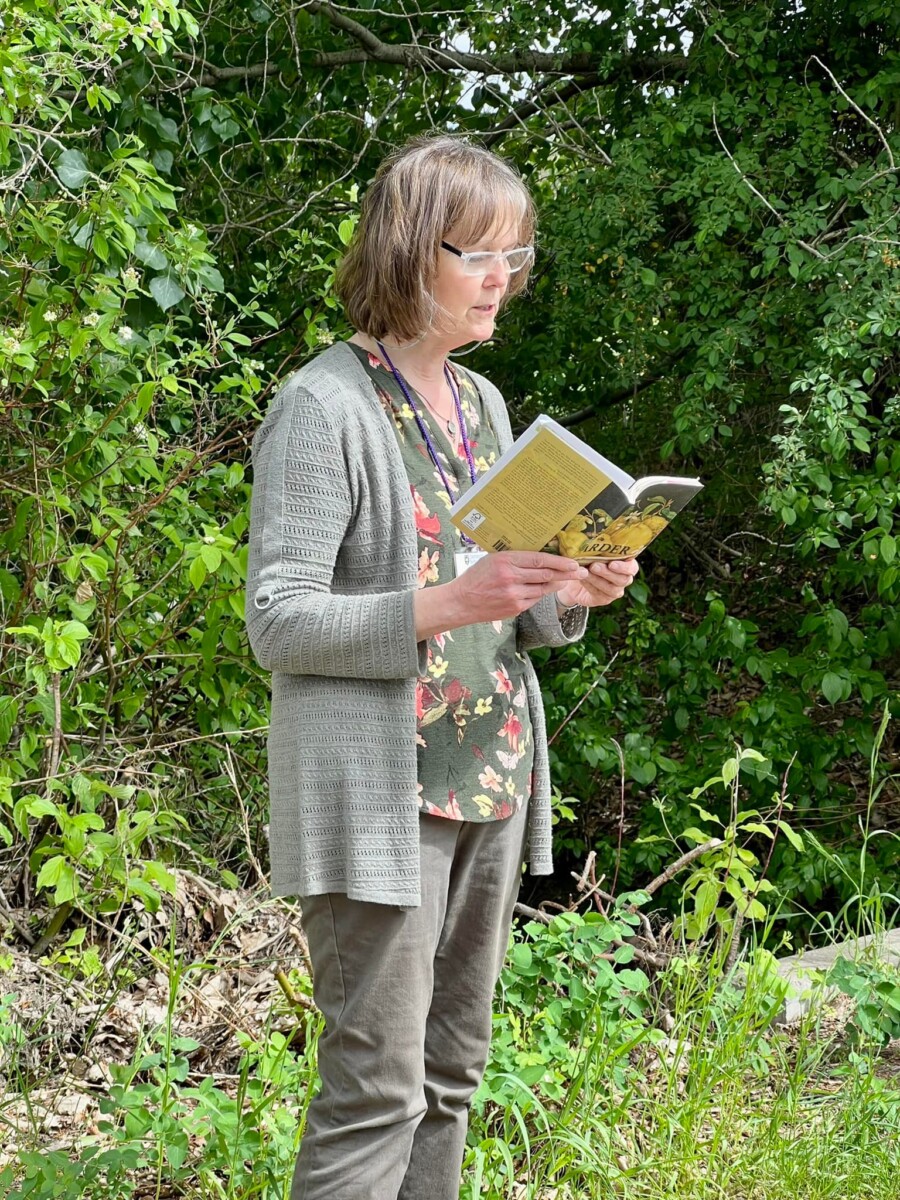
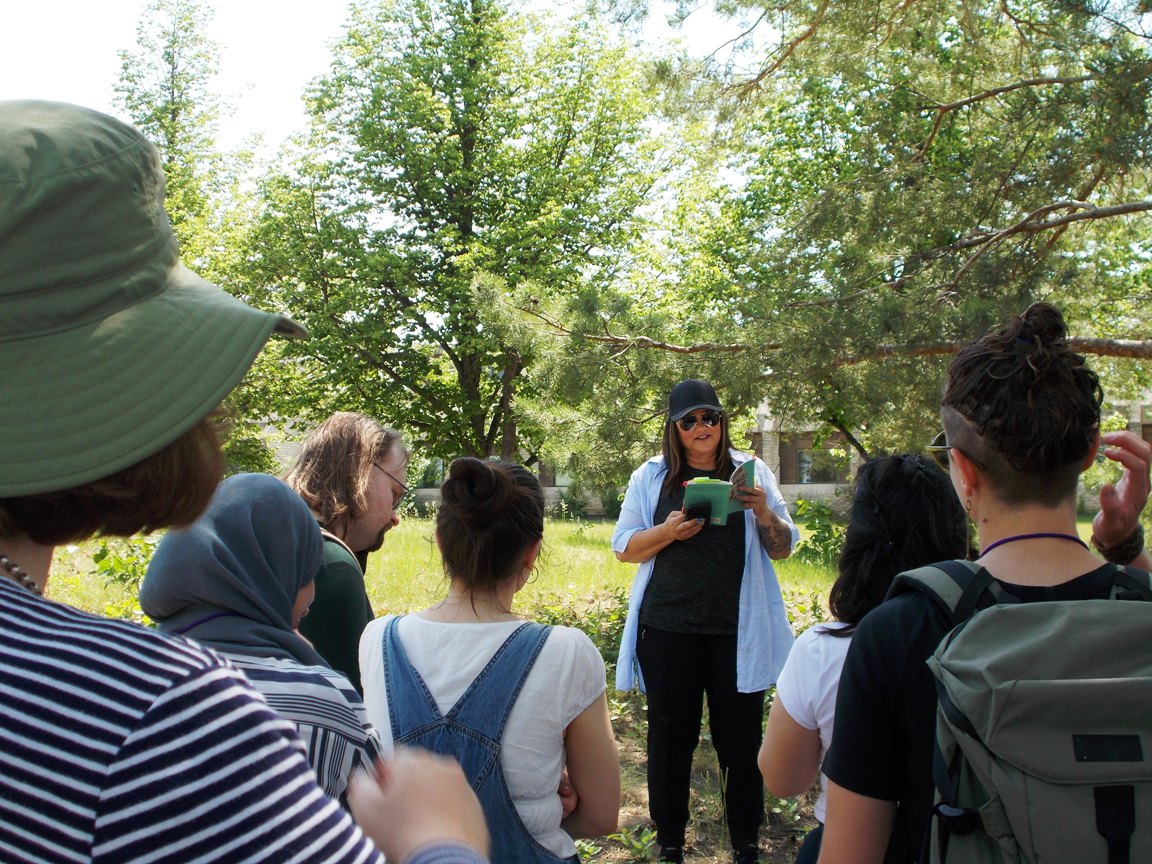
Rhona, reading from Larder 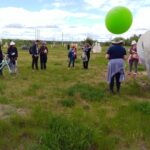
Ah that green balloon 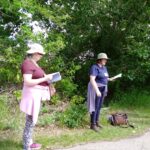
Tanis and Ariel under the cottonwood trees 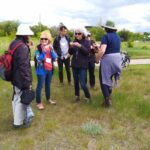
We pause to sniff some wild aromatics
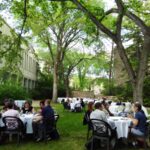
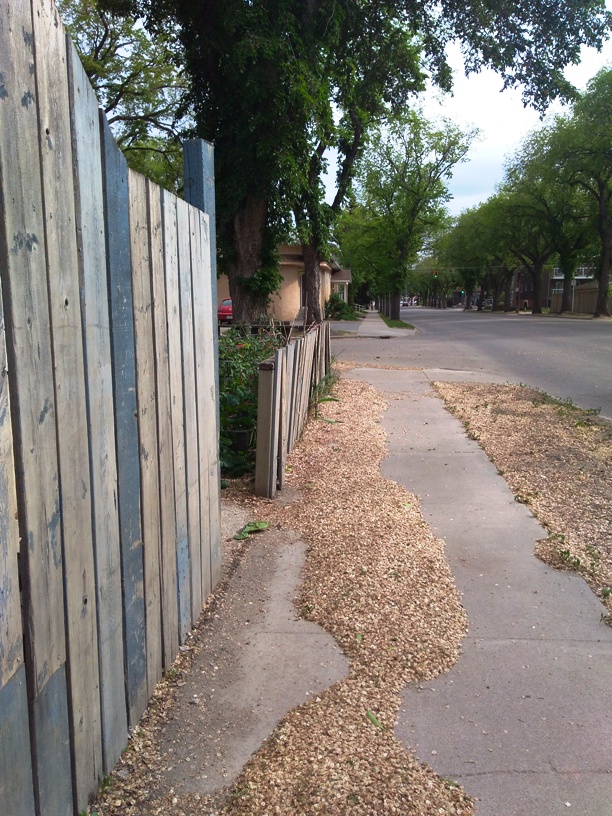
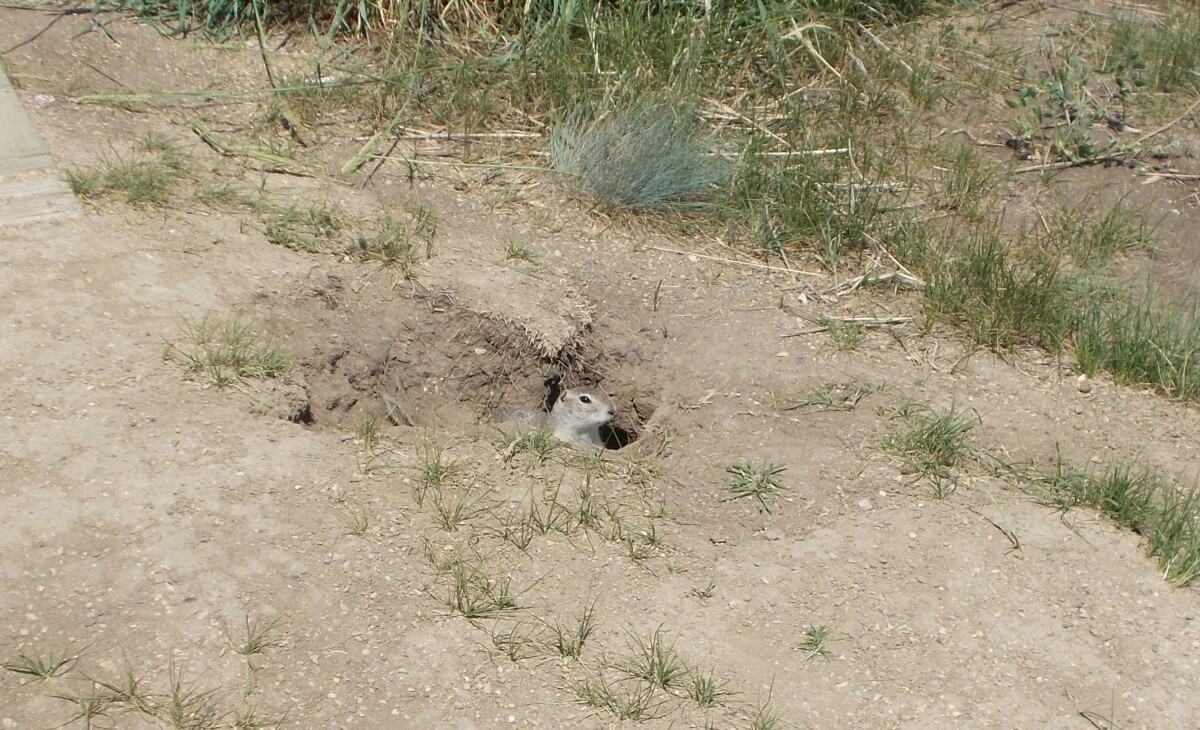
The setting for our Thursday night barbecue dinner was stunning; a hidden grove on the campus of our host organization, the University of Saskatchewan. The prairie dogs (Richardson’s Ground Squirrels) appeared not to have found this space, busy as they were gorging on the drifts of elm seed that covered much of the city… another sign of trouble, since trees shed seed when feeling stressed and needing to secure their genetic futures.
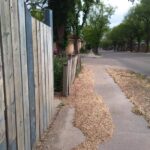
A river of elm seed on a Saskatoon street 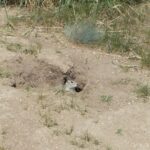
Richardson’s Ground Squirrel – making the grounds somewhat hazardous to human walkers Friday was a long and rather warm day, temperatures starting to climb into the high 20s. Technical difficulties interrupted a video session, but it was all low tech for readings in the “Ceremony, Desire, Requiem: The Poetics of Water and Land” panel. Sheri Benning kicked off with a reading from Field Requiem (starting with the beautiful “Winter Sleep” which was featured in film form on the Paris Review website last winter). Self-described “Indiginerd” Tenille K. Campbell followed with a passionate romp through poems from Nedí Nezu, and some straight talk on some realities of indigeneity in northern SK.
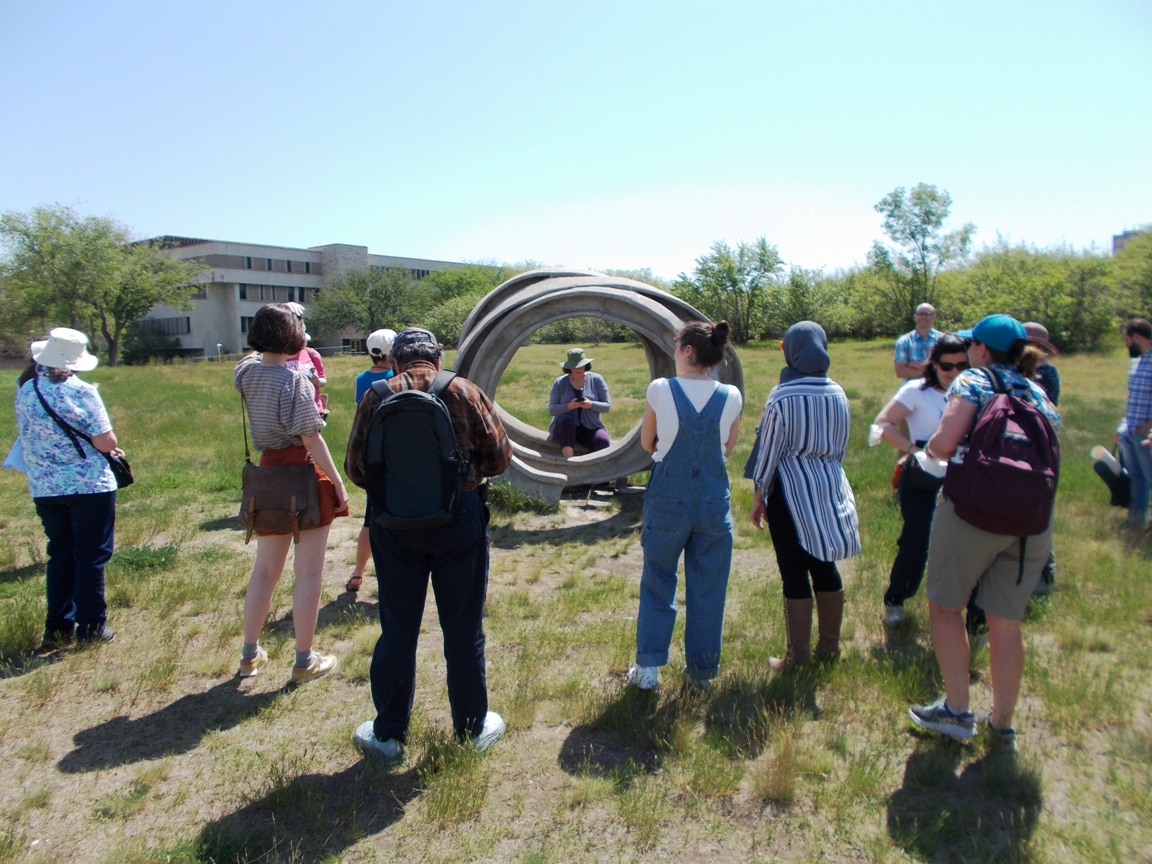
Saturday was a hot one, with temperatures forecast to reach 36c, so I was delighted to find we had a good following for our final poetry walk. Ariel, Tanis and I were joined by Lisa Bird-Wilson who read work about residential schools, while we read mostly environmental poems including a couple by Victoria poet Yvonne Blomer, who had planned the event but was unable to attend.
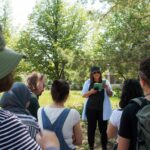
Lisa Bird-Wilson 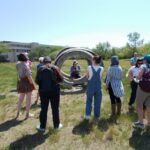
Ariel reads, in the Sculpture Park 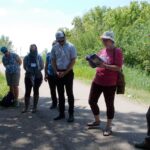
Tanis reads – finally some blessed shade 
At least the pelicans could chill in the South Saskatchewan River -
Next stop: Saskatoon
I’ll be lifting off on Monday – first trip off Vancouver Island since 2019 – and flying to Saskatoon, where I’ll be reading at 7pm on Tuesday evening with two fabulous Saskatchewan poets, Mari-Lou Rowley and Katherine Lawrence at McNally Robinson Booksellers. It will be livestreamed for those who can’t make it! The event link is right here on Facebook.






Latest Posts
- Sublime
- Good weather for reading
- The world, the world
- Sublime launch!
- Planet Earth Poetry – Readings by Volunteers, Victoria 2026
- Poetry at the Goldfinch
Aldeburgh Poetry Festival Barny Haughton BBC BC poets Berkswell blackberries Black Stilt Bologna book launch Borough Market Caerphilly Carlo Petrini Catalonia culatello Cyrus Todiwala dairy Dijon Edinburgh Fanny Bay Feast of Fields ferries Food and Morality food journalism Michael Pollan olive oil tasting Omnivore's Dilemma Our Food Our Future Oxford Parmigiano-Reggiano persimmons Planet Earth Poetry poetry poetry readings Poetry videos prosciutto salumi Sean O'Brien sensory analysis Suffolk ticks tortelli di zucca Troubadour Wendell Berry Wendy Morton Yvonne Blomer
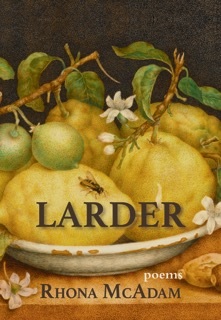
In her latest collection, Rhona McAdam navigates the dark places of human movement through the earth and the exquisite intricacies lingering in backyard gardens and farmlands populated by insects and pollinators, all the while returning to the body, to the tune of staccato beats and the newly discovered symmetries within the human heart.
“…A beautiful, filling collection, Larder is a set of poems to read at the change of the seasons, to appreciate alongside a good meal, and to remind yourself of the beauty in everything, even the things you may not appreciate before opening McAdam’s collection….”
Rhona McAdam is a writer, poet, editor, and Registered Holistic Nutritionist with a Master’s in Food Culture from Italy and a deep-rooted passion for ecology and urban agriculture. Her work spans corporate and technical writing to poetry and creative nonfiction, often exploring the vital links between what we eat and how we live. Based in Victoria, BC, and available via Zoom, Rhona is always open to new writing commissions, readings, or workshops on nutrition and the culinary arts.