-
Wicked chicken; meat and methane
Chicken is a pretty easy food to like, if you’re a meat eater. It can be made to suit almost any taste, and it’s grown remarkably cheap in my lifetime. The much quoted “chicken in every pot” promise made by – well, it turns out to be Henry IV of France (1553-1610) – suggests it was once a far more exotic food than we make it out to be today.
As usual, it’s a question of getting what you pay for. If you want to eat cheap and easy fast-food chicken strips or nuggets, you may be aware just by looking at them – assuming that you are familiar with what chicken meat looks like that these are certainly not made from strips of meat; rather, from a lot of re-formed chicken bits (mostly skin and fat) surrounded by a lot of salty batter.
If you buy skinless, boneless chicken breasts, or ready-to-cook products, read the label: is there a mention of “seasoning” among the ingredients? If so, you might well be paying for, in essence, salty water which plumps the meat up, adding weight that it will lose when this oozes out during cooking. All quite legal: Canadian Food Inspection guidelines allow it. And the Americans do it, as does Britain and the rest of the EU.
It’s not just chicken that is “seasoned” in this way: our guidelines allow any kind of meat to be injected with flavoured water. But in its industrialized state, chicken breast in particular is so lacking in flavour and texture that it needs something – anything – to try to make it remotely palatable. And if that’s what you get used to eating, that’s what you’re going to think chicken is. Someone told me recently about a colleague who doesn’t much like to cook, so buys those whole rotisserie chickens for the family; but none of them likes anything but white meat, so once they’ve stripped that off, they chuck the rest of the carcass.
And I’ve met people on my dog-walks who buy fresh chicken breasts to feed to their dogs. Indeed, I think Anton’s previous owner, if her departing instruction is to be believed, fed him this way as well.
Honestly. Do we deserve to eat chicken? If it’s only to provide cheap food for the white meat eaters and dog-cosseters that we subject all those miserable birds to short, sad lives, then we don’t deserve our plucky friends.
However, should you wish to right some wrongs and rear your own, wouldn’t it be lovely to do so in one of these darling Eglus? You can meet some other chicken lovers in this sweet documentary, Natural History of the Chicken, which is available (in 6 parts) on Youtube.
And if you’re in Victoria, you could come to the next meeting of the BC Sustainable Energy Association, Burnside Gorge Community Assn., 471 Cecelia Road, off Jutland Rd., 7-9pm, where we’ll have a talk about meat and methane from Dr. Peter Carter, of of the Canadian Association of Physicians for the Environment:
Getting to Zero Carbon: What’s Meat Got To Do With It?
Not only is the industrialized livestock industry one of the biggest emitters of potent greenhouse gases (methane and nitrous oxide as well as CO2) in the world, but
refraining from eating meat is the easiest and quickest way for individuals and families to reduce their carbon footprints on the way to the new age of renewable energy and zero carbon. Dr. Carter will focus on the methane part of the meat equation, since research shows its importance in potential runaway global heating.And I imagine we will be referred to the UN’s report (also cited by Mark Bittman, in Food Matters), Livestock’s Long Shadow.
Let me in closing refer you to this fine poem, Chicken Pig, by Jennifer Michael Hecht.
-
New year’s edification
It’s new year resolution time, and the tireless Guy Dauncey offers a few departure points for inspiration on his Climate Challenge page – including a Week-by-Week Guide for people wanting to join with others in “climate challenge circles.” I like his link to the Eat Low Carbon Diet Calculator.
Meanwhile I’ve already seen a couple of inspirational movies this year. Not new ones, but worth digging out from your library or video rental store.
Addicted to Plastic is surprisingly upbeat. It is not shy of the issues, but balances them with lots of airtime for people making positive changes to the consumption and waste of plastic. It starts in the North Pacific Gyre and explains there and in the sections about plastic that is in contact with our food and drink about plastic’s gift for attracting toxins and how these toxins travel into our food system. It’s not exactly news that the chemicals end up in our bloodstreams through ingesting seafood, which accumulates toxins up through the food chain in our oceans; or from the plastic bottles many of us have started avoiding already. But there is plastic lining our food tins as well, and the lids of glass jars – and artifical wine corks, come to think of it. The scientists quoted in the movie were certainly avoiding plastic food packaging in their own lives.
So. It will be tough going, but I’m going to double my efforts to avoid buying plastic this year.
Here’s the trailer for the movie:
The grimly amusing Radiant City, filmed in Calgary, finally unlocked some of the cultural attitudes I really dislike about North America, and reminded me of why I had been in no hurry to move back here from England. It shows the damage that has been done to the cityscape, the sense of community and the economic environment by building the monster single family dwellings that now mar the landscape around Calgary and Edmonton, and anywhere in North America where development is running rampant – more and more built on fertile land even here on Vancouver Island. Some trade-off.
The houses are huge, and remote from urban centres, turning occupants into commuters; all single-occupancy, these developments provide dwellings (per square kilometre) for too few people to make public transport viable, so what might be on offer is patchy. Which means every family living there needs at least two vehicles; the children raised in such an environment will expect likewise to own their own car, as they’ll be used to being driven everywhere. One statistic cited was that North American suburbanites typically spend the equivalent of 55 eight-hour weekdays driving each year.
Since the housing development areas are vast, there is nothing within walking distance, and all amenities are offered through malls. That means no common local meeting places, and that food and other consumables will have to be purchased almost entirely from chain stores owned by multinationals.
Each home is fronted by a massive garage, so each home literally looks inward, and discourages contact with neighbours. It reminded me of a house I visited here in Victoria, where the existing bungalow – in that neighbourhood, probably built sometime between 1920 and 1950 – had been torn down and replace by just such a house: I remember feeling riled by the sheer size of the home, and by the fact it had no front, just a massive driveway and garage. Somehow that garage really got to me, it seemed so unfriendly. The occupants told me that their neighbours had been offended by this new home, and I’m not surprised, faced as they would have been by big new walls. This kind of building is mercifully rare – so far – in existing Victoria neighbourhoods, although it’s certainly contaminating new developments.
It’s a struggle to be sociable in any modern urban environment nowadays, but I find it doubly offensive that isolation is being built into the equation, and that the developers have appropriated the term “community” to describe their pods of detachment. What lunacy is this to think we can live independently and separately from those with whom we share this planet and its future?
The vision of suburbia shown in the film – and by any visit to Calgary – is spectacularly unsustainable in just about any way you could think of, but particularly in anticipation of rocketing fuel prices. I suppose – if the developments actually offer back yards – it is possible there will be some room to grow food (though I imagine most of the topsoil will have been scraped away during development).
Here’s the trailer for this one:
-
Natural Capitalism & last call for Madrona Farm fundraising
Some fresh ideas for the new year…
Emerging Green Builders Victoria presents Natural Capitalism: Creating The Next Industrial Revolution
Thursday, January 7th, 7:00pm; Burnside Gorge Community Centre, 471 Cecilia Road
– 90 minute video presentation followed by discussion and social time –
Please RSVP and BYOMug. Refreshments provided. RSVP to: egbvictoria [AT] gmail [DOT] comNatural Capitalism (1999) by Amory Lovins, L. Hunter Lovins and Paul Hawken, describes how to do business and make money without destroying the environment and the communities and people who live in it.
“Industrial Capitalism recognizes only money and goods as capital, according little value to people and nature. Natural Capitalism, on the other hand, extends that recognition to include human and natural capital. Join us to learn how investing in people and nature alongside money and goods can lead to greater prosperity and a sustainable society.”
Meanwhile, Madrona Farm, our local good cause (aiming to raise a terrifying amount of money by the middle of this month to safeguard the future of its land for farming) is having one last fundraiser: Madrona Farm Benefit: a Grand Old Shindig (Co-sponsored by Share Organics)
Saturday January 9th, 7:00 – 10:00 p.m.
The Orange Hall, 1620 Fernwood Road.
Price: $20 regular / $15 for the underemployed. All proceeds donated to Madrona Farm and the B.C. Land Conservancy.Performers: Poets Lorna Crozier, Tim Lilburn, Carla Hesketh/Funk, and Melanie Seibert; Flamenco Guitarist Gareth Owen & Alma de España; Island Thyme Morris Dancers; The Rabbleberries; and the Great Giffoni, Magician.


Latest Posts
- Sublime
- Good weather for reading
- The world, the world
- Sublime launch!
- Planet Earth Poetry – Readings by Volunteers, Victoria 2026
- Poetry at the Goldfinch
Aldeburgh Poetry Festival Barny Haughton BBC BC poets Berkswell blackberries Black Stilt Bologna book launch Borough Market Caerphilly Carlo Petrini Catalonia culatello Cyrus Todiwala dairy Dijon Edinburgh Fanny Bay Feast of Fields ferries Food and Morality food journalism Michael Pollan olive oil tasting Omnivore's Dilemma Our Food Our Future Oxford Parmigiano-Reggiano persimmons Planet Earth Poetry poetry poetry readings Poetry videos prosciutto salumi Sean O'Brien sensory analysis Suffolk ticks tortelli di zucca Troubadour Wendell Berry Wendy Morton Yvonne Blomer
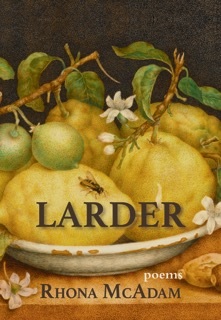
In her latest collection, Rhona McAdam navigates the dark places of human movement through the earth and the exquisite intricacies lingering in backyard gardens and farmlands populated by insects and pollinators, all the while returning to the body, to the tune of staccato beats and the newly discovered symmetries within the human heart.
“…A beautiful, filling collection, Larder is a set of poems to read at the change of the seasons, to appreciate alongside a good meal, and to remind yourself of the beauty in everything, even the things you may not appreciate before opening McAdam’s collection….”
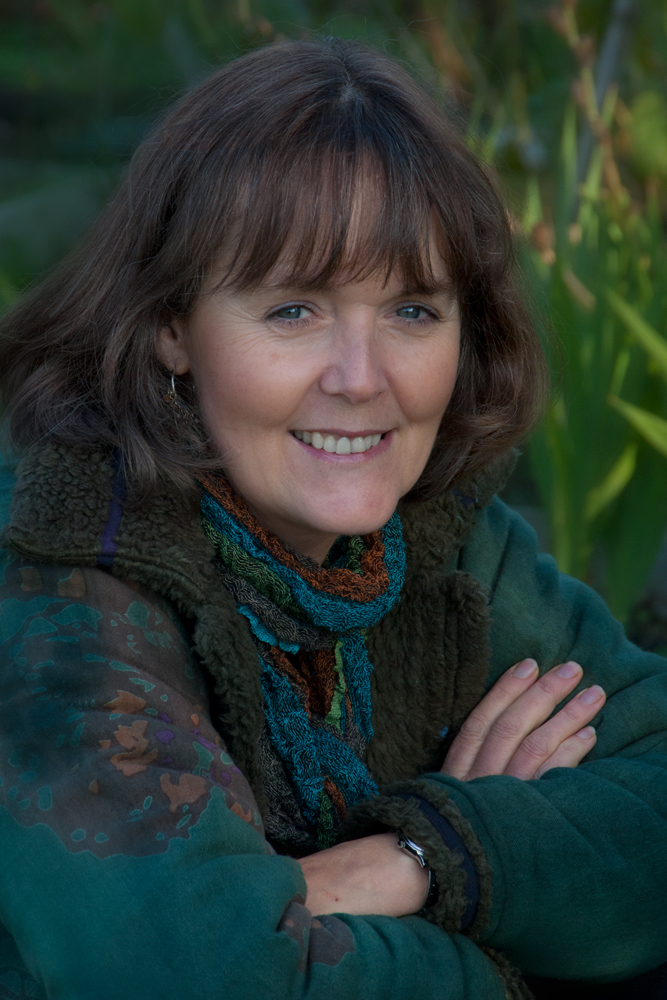
Rhona McAdam is a writer, poet, editor, and Registered Holistic Nutritionist with a Master’s in Food Culture from Italy and a deep-rooted passion for ecology and urban agriculture. Her work spans corporate and technical writing to poetry and creative nonfiction, often exploring the vital links between what we eat and how we live. Based in Victoria, BC, and available via Zoom, Rhona is always open to new writing commissions, readings, or workshops on nutrition and the culinary arts.