-
Many apples
Read Full Post: Many applesI have a quantity – indeed quantities – of yellow transparent apples to work with, so it has been apple everything of late.
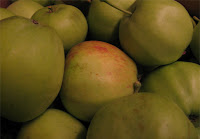
These apples are tart and soft in the cooking, and so sometimes give the illusion there’s been lemon at work. I use them while they’re still green but even when fully ripe they are sharp and puckery. I stew some with blackberries and freeze that; I juice some, using carrots for sweetener and freeze that; and I make a bit of applesauce. I might try dehydrating some, but they are awfully tart. For the rest, I peel, chop and freeze in ziplock bags and leave a few in the veg bin in the fridge. They don’t last as well as some apples, they shrink and wrinkle, but will endure for some months – in fact I made a cake from some 2008 vintage ones I found malingering in the fridge back in April. And they can be chopped and added to everything from soup to curry to dog food (if you make your own!).
Some of the best things I’ve made include Apple Crème Brulée; Dan Lepard‘s Apple, Walnut & Custard pudding; Apple Raisin Cake; my enduring favourite, Delia Smith‘s Caramelised Apple Flan (cheat’s Tarte Tatin);
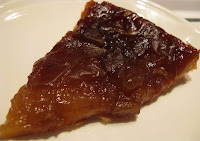
the recently remarked Blackberry-Apple Clafoutis; and a variation on German Apple Cake. Recipes yet to be attempted might include an Apple Soufflé, and one day when I am feeling ambitious enough to marshal the ingredients: Delia’s Prune, Apple & Armagnac Cake with Almond Streusel Topping.
-
Picks & preservation
Read Full Post: Picks & preservationLots of fruit to pick these days. I’ve been blackberrying, of course

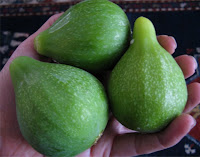
and then Judy connected me with the owner of a fig tree which was laden with green figs
and I joined my first pick with the Fruit Tree Project, where I obtained a quantity of yellow plums.
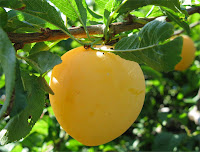
LifeCycles organizes this project in Victoria, which makes use of what would be otherwise wasted urban fruit. Owners register their trees with the project and then LifeCycles sends a team of volunteers equipped with picking aprons and orchard ladders who strip the tree, clean up and distribute the fruit – a share to the owner, a share to the pickers and the rest to LifeCycles which distributes or processes the fruit. Contemporary gleaning I suppose. The tree on Sunday looked like this when we began
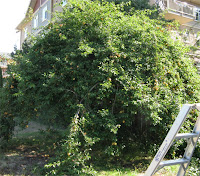
and two hours later looked like this
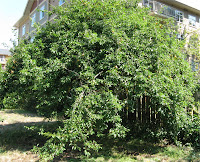
because the tree was absolutely laden and we were short-handed, but more importantly short-fruit-boxed. We filled all these cartons

and departed, promising the owner a second pick one evening.
Come time to deal with all this bounty, I recommend The National Center for Home Preservation which covers most things extremely well– but a laptop in my kitchen is a dangerous thing… for weeks, my counter has been a massive sprawl of books, print-outs, jars, sugar, tongs, lemons, cutting boards. And the omnipresent fruit flies who are watching proceedings with interest.
I’ve done jams


and cans
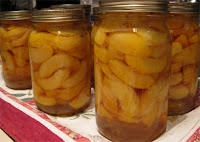
and dehydrations


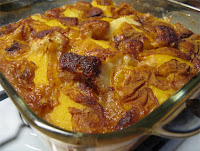
and even a little baking (happy revival of the Lightning Cake!)
And now I must can the rest of the plums. For the tomatoes are starting to ripen.
Thinking of jam making, which has been documented well and poetically by the likes of Maxine Kumin, I came across this snotty poem which claims to know whose history is more-important-with-a-capital-I. Preserving does seem to be one of the last barriers between the genders: although I know men who can vegetables and pickles and fish, I know precious few who make jam (though plenty who eat it). As a public experiment, may I suggest you attend a preserving workshop sometime and count the number of men in the class and interrogate them for their views on this. It is puzzling that more men appear to be willing and interested to learn how to grow things than to to preserve the fruits of their labour. Whence cometh this jam stigma?
-
“SmartStax” GM Corn
Read Full Post: “SmartStax” GM CornThey’ve really done it this time. A new GM corn variety has been approved for planting in Canada by CFIA without being subjected to any safety testing.
CBAN’s campaign asks us to let our government know this is not ok, and they have an email form you can send to Canada’s minister of health, Leona Aglukkaq, right this minute, while you’re thinking about it. Or you can send your message through Health Canada’s contact form.
This is what Health Canada’s own website promises, regarding the introduction of GE and other “novel” foods:
Health Canada assesses the safety of all genetically-modified and other novel foods proposed for sale in Canada. Companies are required to submit detailed scientific data for review and approval by Health Canada, before such foods can be sold.
The Globe & Mail did a good piece on the new variety that’s been approved without testing. This bit pretty much nails the problem:
The health agency said in response to questions from The Globe and Mail that it didn’t have to [assess the seeds for safety], because it is relying on the two companies making the seeds, agriculture giants Monsanto Co. and Dow AgroSciences LLC, to flag any safety concerns. But the companies haven’t tested the seeds either, because they say they aren’t required to.
Elsewhere this unbelievably careless approach to public safety is correctly but inadequately likened to putting the fox in charge of the hen house. Indeed.


Latest Posts
- (no title)
- Sublime and Twisted Readings coming up!
- Sublime
- Good weather for reading
- The world, the world
- Sublime launch!
Aldeburgh Poetry Festival Barny Haughton BBC BC poets Berkswell blackberries Black Stilt Bologna book launch Borough Market Carlo Petrini Catalonia Cyrus Todiwala dairy Daunt's Books Dijon Edinburgh Fanny Bay Feast of Fields Food and Morality food history food journalism Jenna Butler lardo Malahat Review Michael Pollan Okanagan olive oil tasting olive trees Omnivore's Dilemma Our Food Our Future Oxford Parmigiano-Reggiano Planet Earth Poetry poetry poetry readings Poetry videos prosciutto salumi Sean O'Brien Suffolk ticks Wendy Morton Wired Writing Yvonne Blomer
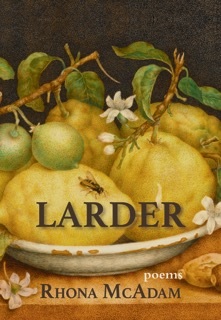
In her latest collection, Rhona McAdam navigates the dark places of human movement through the earth and the exquisite intricacies lingering in backyard gardens and farmlands populated by insects and pollinators, all the while returning to the body, to the tune of staccato beats and the newly discovered symmetries within the human heart.
“…A beautiful, filling collection, Larder is a set of poems to read at the change of the seasons, to appreciate alongside a good meal, and to remind yourself of the beauty in everything, even the things you may not appreciate before opening McAdam’s collection….”
Rhona McAdam is a writer, poet, editor, and Registered Holistic Nutritionist with a Master’s in Food Culture from Italy and a deep-rooted passion for ecology and urban agriculture. Her work spans corporate and technical writing to poetry and creative nonfiction, often exploring the vital links between what we eat and how we live. Based in Victoria, BC, and available via Zoom, Rhona is always open to new writing commissions, readings, or workshops on nutrition and the culinary arts.