-
The Cove and other animals
Read Full Post: The Cove and other animalsWent to see The Cove last night. Billed very accurately as an eco-thriller, it took on the Japanese dolphin trade in a clever and compelling way. It starred the director, Louie Psihoyos, and dolphin activist Ric O’Brien, better known as the trainer of Flipper, both appealing and articulate men, accompanied by an equally appealing handful of idealists and adrenaline junkies (including a couple of divers from Vancouver).
Well and imaginatively shot and scored, its aims were simple: to take viewers along as the team planted cameras and recorders in order to document the dolphin slaughter in the whaling village of Taiji, Japan which has seemingly been targeted by whale activists for some years, to judge by this statement dated 1994. Its annual kill as reported by the film is 23,000 dolphins, which are harpooned by local fishermen between September and March, after a number have first been selected to sell to aquariums, where the real money is.
The questionably less fortunate dolphins who are slaughtered for meat are sold for a pittance, despite the film’s assertion of breathtakingly high levels of mercury in their flesh (2000 ppm in dolphin vs the recommended Japanese limit of .4 ppm). Big carnivorous (piscivorous?) fish, at the top of the food chain, absorb all the mercury of the smaller ones they eat, so they are expected to be more toxic. Cheaper dolphin has for some time been fraudulently sold as whale meat (whale is less prone to mercury toxicity than dolphin due to the difference in diet between larger cetaceans and dolphins).
The film’s sharpest anger is reserved for the International Whaling Commission, which cannot seem to decide if it is interested in the smaller cetaceans (i.e. dolphins) or only the larger whales. The Cove paints the IWC as a lumbering, toothless body, which the Japanese have made a mockery of by vote-rigging: building useless seafood plants in impoverished countries and paying their representatives to come and vote with Japan.
It is difficult to have much sympathy for the fishermen of Taiji, when you see that to them a dolphin is just another fish to be speared, but then I am of a culture raised on affection for dolphins, and as squeamish as most urban eaters about the realities of killing my food.
The other side of the story – what happens to a whaling town if it’s not allowed to kill whales (of any size) – is one that will resonate with the other economic outcasts of our time, including forestry, cod, sealing and manufacturing communities, down the road and around the world. Not to mention the town centres and family farms and businesses that are being ruined and bankrupted by large scale retailers and industries.
Even those communities that choose to prostitute or lampoon themselves by taking up tourism are not winners in this; tourism is a fickle and usurious source of income with a short attention span and a great hunger for unsustainable practices.
As we use up our natural resources, or force ourselves out of the economic picture by voting for “efficiencies” and low prices rather than jobs, the ghost towns of our time will have many different faces, all left with that same big question: so what do we do now to make a living?
-
Monday morning musicals
Read Full Post: Monday morning musicalsA couple of barmy musicals to get your week off on the right foot. The agents of Improv.com have been staging such antics at various places for ages, and I have to say that the Grocery Store Musical
is an improvement in quality over last year’s Food Court Musical,
although, frankly, I would be delighted to witness either one of them in an establishment near me. Being the single minded creature that I am, though, I would have preferred some kind of clever statement about the toxic environments in which these two musicals are staged over the actual and frankly inane lyrics, however amusing. A wasted learning opportunity, the adult educator in me might whisper.
-
Climate Action, transgenic aubergines, chickens, food policy and CBC awards
Read Full Post: Climate Action, transgenic aubergines, chickens, food policy and CBC awardsToday is the International Day of Climate Action! To… er… celebrate it I’ll be attending a screening of A Sea Change, about the acidification of the earth’s oceans.
In Sweden, consumers are being offered new climate change food labelling in order to help them make climactically healthier decisions about what to eat.
Other interesting items to cross my vision include a story published in Nature about the Indian government’s having said no (for now) to transgenic aubergines (eggplants; aka Bt brinjal) on the grounds they can’t evaluate how likely (or not) the transgenic varieties are to cross with non-GM varieties, a well-worn concern that somehow keeps getting overlooked by biotechnology firms.
An article in the New York Times paints a cautionary picture about kind of issues that can result from overenthusiastic backyard chicken-rearing by people who haven’t quite thought the issues through carefully. It’s very much the sort of thing the SPCA argued would happen before bylaws were relaxed to allow it in Vancouver.
And if you want to put your oar in about Canadian food policy, the People’s Food Policy Project website is the place to go. Because Canada hasn’t got a food policy: although one was researched, discussed and proposed a few years ago, it fell into the cracks between elections and died, unknown and unloved on the mean streets of Ottawa. The people’s project is inviting stories and policy suggestions by December 1.
Other deadlines looming include the CBC Literary Awards, which I hadn’t – until last night – realized had tightened their terms to exclude any work that’s had a public reading. Which made me despair, for I have read a lot of my poems aloud and I really couldn’t tell you which ones. It also made me foresee ugly scenarios of literary whistle-blowing by disenfranchised contestant audience members. (Surely there’s a novel in that?)


Latest Posts
- (no title)
- Sublime and Twisted Readings coming up!
- Sublime
- Good weather for reading
- The world, the world
- Sublime launch!
Aldeburgh Poetry Festival Barny Haughton BBC BC poets Berkswell blackberries Black Stilt Bologna book launch Borough Market Carlo Petrini Catalonia Cyrus Todiwala dairy Daunt's Books Dijon Edinburgh Fanny Bay Feast of Fields Food and Morality food history food journalism Jenna Butler lardo Malahat Review Michael Pollan Okanagan olive oil tasting olive trees Omnivore's Dilemma Our Food Our Future Oxford Parmigiano-Reggiano Planet Earth Poetry poetry poetry readings Poetry videos prosciutto salumi Sean O'Brien Suffolk ticks Wendy Morton Wired Writing Yvonne Blomer
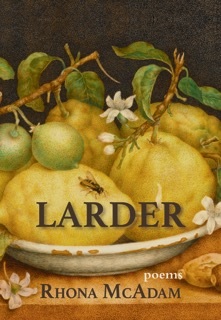
In her latest collection, Rhona McAdam navigates the dark places of human movement through the earth and the exquisite intricacies lingering in backyard gardens and farmlands populated by insects and pollinators, all the while returning to the body, to the tune of staccato beats and the newly discovered symmetries within the human heart.
“…A beautiful, filling collection, Larder is a set of poems to read at the change of the seasons, to appreciate alongside a good meal, and to remind yourself of the beauty in everything, even the things you may not appreciate before opening McAdam’s collection….”
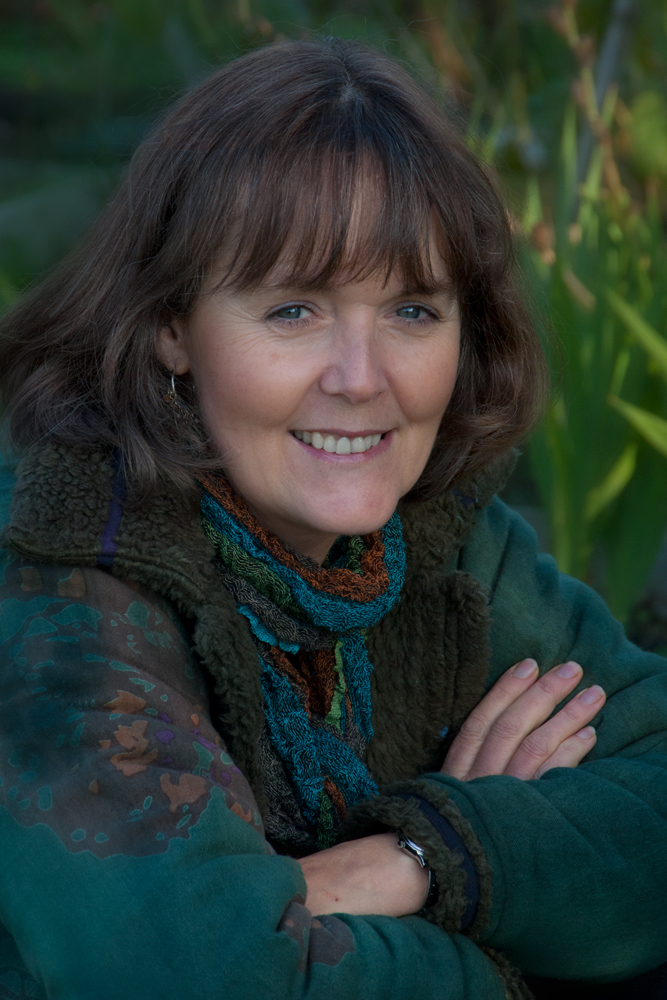
Rhona McAdam is a writer, poet, editor, and Registered Holistic Nutritionist with a Master’s in Food Culture from Italy and a deep-rooted passion for ecology and urban agriculture. Her work spans corporate and technical writing to poetry and creative nonfiction, often exploring the vital links between what we eat and how we live. Based in Victoria, BC, and available via Zoom, Rhona is always open to new writing commissions, readings, or workshops on nutrition and the culinary arts.