-
Untying the Apron – Victoria launch
Read Full Post: Untying the Apron – Victoria launchPlease come and join contributors Eve Joseph, Rhona McAdam, Sheila Norgate, Cynthia Woodman Kerkham and Patricia Young in celebrating this anthology of prose and poetry, which celebrates mothers of the 1950s. At Planet Earth Poetry this Friday, 7:30pm.

-
Cheese and cheers
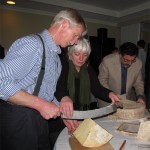
Read Full Post: Cheese and cheers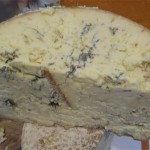 Before April goes out like a lamb, let me share some cow’s milk cheeses with you – much enjoyed at the Cheese & Blues event that Hilary’s Cheese presented in Cowichan Bay last week. Pictured to the left is the king of British cheese, Colston Bassett Stilton, which goes down well with port generally but which paired acceptably with the blackberry dessert wine on offer that evening.
Don Genova was the honorary cheesemaster, forging his way through cloth-wrapped cheddars (Keen’s and Avonlea) and hefty wheels of Shropshire Blue alongside Hilary and Patty. The cheeses – except for the PEI cheddar – had been imported from my spiritual home-from-home, Neals Yard Dairy in Covent Garden, London.
Sunday evening I joined a poet’s dozen (i.e. I lost count) and read a poem from the
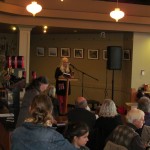 magnificent new anthology, Force Field – 77 Women Poets of BC, introduced by publisher-poet Mona Fertig, and hosted by contributor Yvonne Blomer. The place was packed, the readers disciplined and the audience appreciative. We drizzled off through the rain to a delightful after-party where we solved a few of the world’s problems before retiring.
Last night was the long-awaited Food Talks event at the Belfry, where this year’s local
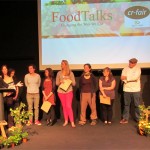 Food Champs were invited to speak their piece before the winner was named. Some superb nominees both present and unable to be there included: Maryanne Carmack – for the Victoria Downtown Public Market Society (Victoria’s public market opens July 2013); Haliburton farmer Derek Powell – for his involvement in Victoria’s Food Swap Program; Miranda Lane – who works with people with multiple challenges at the Community Kitchens Network; Kim Cummins – for the Camosun FarmBox Program which organizes markets and food boxes at local college campuses; Naomi Lyons – for Stone Soup‘s community building and micro-lending fundraising; Dwane Maclsaac – for the Island Chef Collaborative‘s micro-finance initiative; Elizabeth Upton – on behalf of Meadowbrook Farmily (4 local Victoria families that farm together); Jeanette Sheehy – for LifeCycles‘ many projects, but particularly the Growing Schools project; the Salt Spring Agriculture Alliance – for the community abattoir; and the Sooke Food CHI for their work on the Sunriver Community Gardens and Sooke farm bike tour.
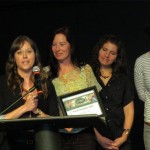
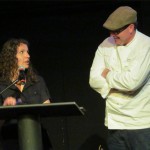
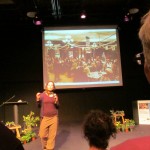
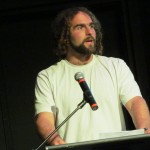
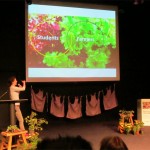
And the winner was… Miranda Lane, Community Kitchens Network, with Kim Cummins, Camosun FarmBox a close second. She is shown below with CRFAIR coordinator Linda Geggie, evening MC chef Heidi Fink, and Kim Cummins. Other pics L-R: chef Heidi with chef Dwane MacIsaac, Naomi Lyons, Derek Powell, Kim Cummins, Elizabeth Upton.
-
Slow Fishing at The Superior
Read Full Post: Slow Fishing at The Superior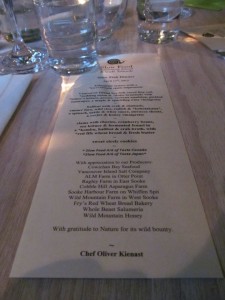 Last Wednesday Slow Food Vancouver Island hosted a celebration of “merroir” as we supped on seafood at The Superior.
Events got off to a briny start with a good hour of oyster shucking by Slow Foodies Kyle Hunker and Cory Pelan. No oyster lingered on the plate for more th
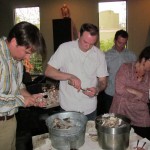 an a sea-second before being quaffed with or without the accompanying Gravenstein apple mignonette.
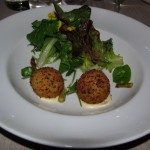
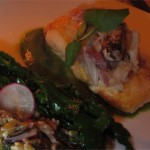
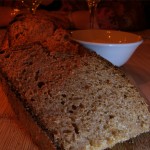
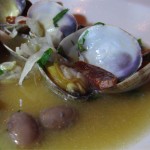
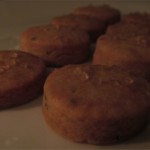
After this, we settled in for a preview of the pleasures to come by chef Oliver Kienast, who had organized a meal ample in local, seasonal, sustainable and Ark of Taste foods. First up were darling little fish-balls made from salt cured lingcod and served with a salad that included miner’s lettuce and other seasonal greens. Then there was halibut, garnished with crab and rhubarb and accompanied by an emmer and wild rice risotto-ish dish and oleracea (brassica) shoots. After a pause, a platter of Fry’s Red Fife wheat bread arrived with a dish of butter, swiftly followed by clams with Whole Beast chorizo and cranberry beans, fermented fennel, sea lettuce and a seafood broth. The sweet cicely biscuits were a suitable finish, after which the silent auction items – including such desirable items as Vancouver Island Salt, a signed copy of Seasonings: Flavours of the Southern Gulf Islands by Andrea & David Spalding, and a stay at Sooke Harbour House – were distributed and we dispersed, slowly and foodily.



Latest Posts
- Writers at Word!
- Sublime and Twisted Readings coming up!
- Sublime
- Good weather for reading
- The world, the world
- Sublime launch!
Aldeburgh Poetry Festival Barny Haughton BBC BC poets Berkswell blackberries Black Stilt Bologna book launch Borough Market Carlo Petrini Catalonia Cyrus Todiwala dairy Daunt's Books Dijon Edinburgh Fanny Bay Feast of Fields Food and Morality food history food journalism Jenna Butler lardo Malahat Review Michael Pollan Okanagan olive oil tasting olive trees Omnivore's Dilemma Our Food Our Future Oxford Parmigiano-Reggiano Planet Earth Poetry poetry poetry readings Poetry videos prosciutto salumi Sean O'Brien Suffolk ticks Wendy Morton Wired Writing Yvonne Blomer
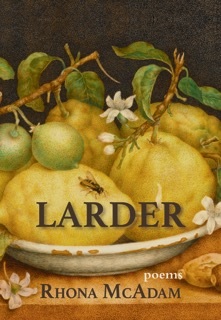
In her latest collection, Rhona McAdam navigates the dark places of human movement through the earth and the exquisite intricacies lingering in backyard gardens and farmlands populated by insects and pollinators, all the while returning to the body, to the tune of staccato beats and the newly discovered symmetries within the human heart.
“…A beautiful, filling collection, Larder is a set of poems to read at the change of the seasons, to appreciate alongside a good meal, and to remind yourself of the beauty in everything, even the things you may not appreciate before opening McAdam’s collection….”
Rhona McAdam is a writer, poet, editor, and Registered Holistic Nutritionist with a Master’s in Food Culture from Italy and a deep-rooted passion for ecology and urban agriculture. Her work spans corporate and technical writing to poetry and creative nonfiction, often exploring the vital links between what we eat and how we live. Based in Victoria, BC, and available via Zoom, Rhona is always open to new writing commissions, readings, or workshops on nutrition and the culinary arts.