-
How it went in Parliament: C-311 & C-474 passed!
Read Full Post: How it went in Parliament: C-311 & C-474 passed!Well. The outcome of yesterday’s votes on bill C-474: proposed Seeds Regulation Act and bill C-311: Climate Change Accountability Act were both excellent, from a citizen’s point of view: for C-474 the vote passed 153 to 134, and C-311 passed 155-137.
Discussion and voting records for both are in the Hansard, which I encourage all interested souls to read: there is so much said and so little reported on matters which affect all of us.
For bill C-474, here’s another place to look to see how your MP voted, so you can drop them a line of thanks or supply them with more improving reading, as the case may warrant. As you will note, a great many (but not all!!) of the Conservatives do not really seem to have a clear grasp of the ramifications of GMO products on international trade, and I hope you will all make sure you explain it to them, loudly. Because you can be very certain the biotech companies will be whispering in their other ear.
Passing this motion means the bill is going to committee for further study and amendments. The Standing Committee Members on Agriculture and Agri-Food will be deliberating the matter further. If your MP is on this committee and voted against the bill, they would benefit from an extra helping of information from you, as there will be strong lobbying coming from the opponents of this bill: they have a lot of money riding on it (we have only our health and future).
Likewise, your MP will benefit from knowing more about your opionions on the Climate Change Accountability Act, and what more you would like to see done in the way of a plan for Canada to meet its climate change obligations. C-311 sets and enforces national emission targets, but it leaves the preparation of plans to meet those targets to the Minister of the Environment. If Mr Harper’s government does not hear from us, they can go on saying that they are acting in all our interests. Which just isn’t so…
-
Water water water
Read Full Post: Water water waterFor those who haven’t turned off the tap on bottled water, here’s the always entertaining Annie Leonard to show us the craziness:
-
Letters to write before Wednesday
Read Full Post: Letters to write before WednesdayHope all who wish and should and can have written to their MPs to invite their support for the vote on Bill C-474, the Seeds Regulation Act, coming up this Wednesday, April 14.
As you may know, there’s another urgent bill on the Hill: this Wednesday will also see a vote on the Climate Change Accountability Act (Bill C-311).
This one is based on a report called The Case for Deep Reductions by the Pembina Institute, the David Suzuki Foundation, and the National Round Table on the Environment and the Economy, which offers an overview of the case for reductions, analysis of objections, and a reminder that we already said we’d make cuts (anyone remember Kyoto?).
Let’s please get together and remind Mr Harper and all the boys and girls who represent us in Parliament that it is we the people – and not the oil industry – who have the right to choose what our world’s future should look like.
Climate change will indisputably mean a damaged food supply for all of us. As a nation we must embrace our share of the changes we need to make now to keep ourselves, our children and grandchildren fed. Frankly, we’re not getting leadership on that from our elected representatives.
Do send the letters that have been prepared for you to support C-474 and C-311: you can edit them if you want; if you don’t, it will only take you seconds to share your views with the people who can act on them.
And now a message from the David Suzuki Foundation:
Act NOW!
The final vote on the Climate Change Accountability Act (Bill C-311) happens Wednesday afternoon. A ‘yes’ vote means the bill passes in the House of Commons. Let the party leaders and environment ministers and critics know you want Canada to be a leader on solutions to global warming.
Bill C-311 would set science-based targets for reducing global warming pollution and start to establish Canada as a leader by accelerating renewable energy and mobilizing green transportation solutions.
The federal government has resisted passing the bill but it is a minority government. The opposition parties have voted for it every time. If they are again supportive, the bill will pass.
Just click here to send an e-mail message telling the Liberal and Conservative party leaders and environment minister/critic to do the right thing on Wednesday, April 14, and vote for C-311.
The time is short. Please send your message now.
The David Suzuki Foundation Team


Latest Posts
- Writers at Word!
- Sublime and Twisted Readings coming up!
- Sublime
- Good weather for reading
- The world, the world
- Sublime launch!
Aldeburgh Poetry Festival Barny Haughton BBC BC poets Berkswell blackberries Black Stilt Bologna book launch Borough Market Carlo Petrini Catalonia Cyrus Todiwala dairy Daunt's Books Dijon Edinburgh Fanny Bay Feast of Fields Food and Morality food history food journalism Jenna Butler lardo Malahat Review Michael Pollan Okanagan olive oil tasting olive trees Omnivore's Dilemma Our Food Our Future Oxford Parmigiano-Reggiano Planet Earth Poetry poetry poetry readings Poetry videos prosciutto salumi Sean O'Brien Suffolk ticks Wendy Morton Wired Writing Yvonne Blomer
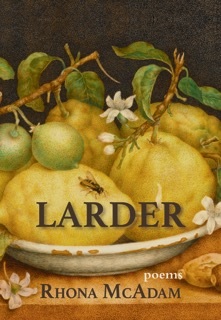
In her latest collection, Rhona McAdam navigates the dark places of human movement through the earth and the exquisite intricacies lingering in backyard gardens and farmlands populated by insects and pollinators, all the while returning to the body, to the tune of staccato beats and the newly discovered symmetries within the human heart.
“…A beautiful, filling collection, Larder is a set of poems to read at the change of the seasons, to appreciate alongside a good meal, and to remind yourself of the beauty in everything, even the things you may not appreciate before opening McAdam’s collection….”
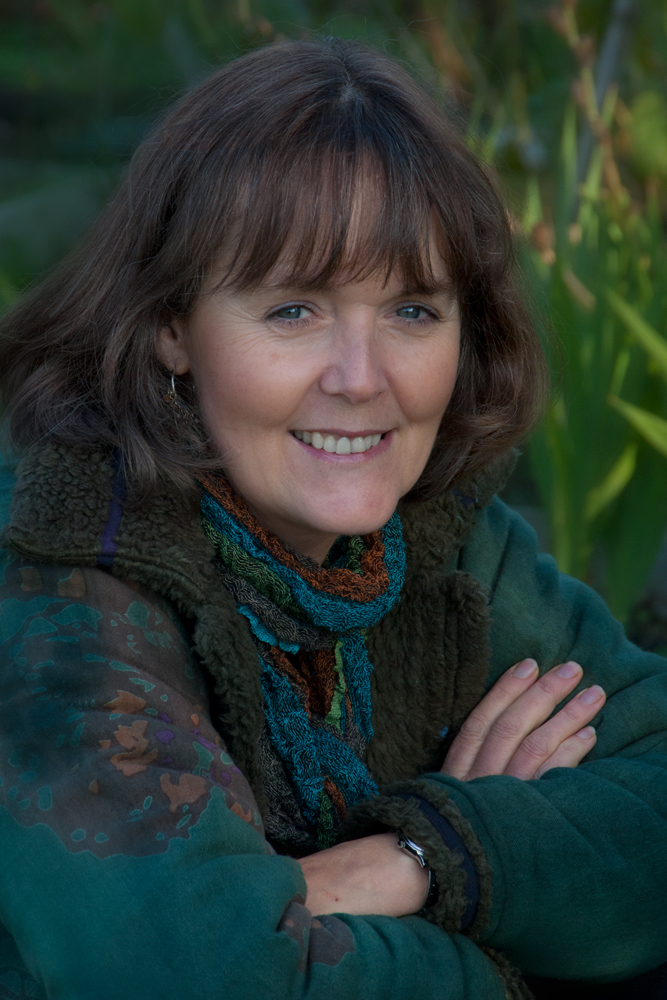
Rhona McAdam is a writer, poet, editor, and Registered Holistic Nutritionist with a Master’s in Food Culture from Italy and a deep-rooted passion for ecology and urban agriculture. Her work spans corporate and technical writing to poetry and creative nonfiction, often exploring the vital links between what we eat and how we live. Based in Victoria, BC, and available via Zoom, Rhona is always open to new writing commissions, readings, or workshops on nutrition and the culinary arts.