-
All kinds of water
Hard not to start the year in a state of environmental angst. Water is always topical here on Vancouver Island: we either have too much or too little at any given time.
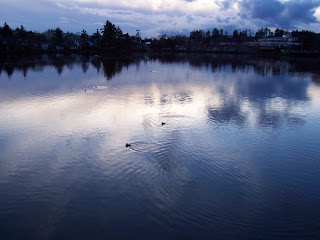
In this our water-fronted, rain-sodden wintertime in Victoria, it’s hard to look ahead to our annual drought season, or to grasp the issues around water waste through the year. So I was interested to hear Costing the Earth this week, which was about how each of us can make a small change to our lifestyles – including being more aware of water use – to improve our record on consumer waste, which contributes to all kinds of evil.
One of the things they talked about was the concept of embedded water – how much water does it take to produce, for example, a single pint of beer (170 litres). Meat is, as usual, the worst enemy: a hamburger (150g) takes 2,400 litres to produce, because of the water needed to raise the animal it comes from. That of course is before you factor in the climactic damage caused by clearing Amazonian rainforest to grow soya to feed northern hemisphere cattle.
The commentator spoke to an environmental activist who was so horrified by what he saw when he visited the Amazon some years ago, he came back to London and changed his life. Among the other things he did was to install solar panels – yes, in London – to heat his water, power his fridge and generate electricity in sufficient quantity to make him the first individual to sell power back to the national grid. He gathers rainwater from his roof to use for flushing his toilet and washing the floor, and meets 75% of his water needs that way.
Over and over the commentator asked, what about China? We could all bend backwards, lower the thermostat, keep our heating off when we’re not in the house, buy less of the things that will go to waste — and meanwhile the Chinese are striving for all they’re worth to be big wasteful consumers just like us.
And the answer was, set a new consumer/environmental standard for those who aspire to a good standard of living. And in doing that, remember that “every single small action you take does make a difference.”
Another bit of trivia I was reading about: the British Medical Journal‘s discounting of the 8 glasses of water a day rule that used to cause us all to have a glass, if not a beaker, of water at our desks over the last decade or two.
“There’s a lack of medical evidence showing you need to down this much water daily,” says the Globe & Mail.
This common prescription can be traced to a 1945 medical recommendation that stated: “A suitable allowance of water for adults is 2.5 litres daily in most instances. An ordinary standard for diverse persons is one ml for each calorie of food. Most of this quantity is contained in prepared foods.”
If the last, crucial sentence is ignored, the statement could be interpreted as an instruction to drink eight glasses of water a day. Evidence suggests you can meet all your fluid needs through food and other beverages including juices, milk and even caffeinated drinks.
And finally, maybe if we don’t have to drink so many glasses of it, we can cut our use of bottled water – with its embedded packaging, transport and retail costs – and go back to the tap. Gosh, who remembers drinking fountains?
-
Something for the new year
A lot of you expressed envy at my departure for Italy to study food for a year, and to anyone of that mindset in the Victoria area I offer glad tidings: my classmate Don Genova is offering a course at UVic called Food Culture: Fast Food to Slow Food which covers a lot of the sorts of things we learned in Italy. It gives you the opportunity to meet local food producers and doesn’t incur the cost of travel to Italy (though you might feel a need to go once it’s over!).
Here’s Don’s blog/podcast site if you want to get a sense of who he is. He’s a good speaker and he knows everyone, so I think it will be a great class. (And no, I’m not getting a commission, though I have certainly offered to be his assistant!!)
Anyone not in Victoria will perhaps enjoy looking at the scenery (from a walk along the Gorge on Boxing Day) and wishing you were here…

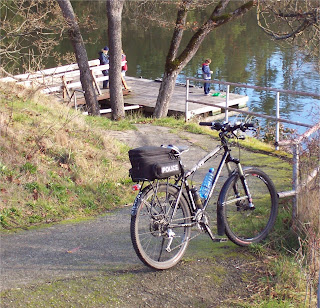
But it’s not all fun and games in Lotusland. We do have a police presence here, and environmentally-minded transportation for them. We weren’t sure what crimes were being fought at this point but it may have been that one of the fisherfolk needed help with a dodgy lure..?
-
Sustainable resolution
Looking for a new year’s resolution? How about aiming for sustainable consumption?
A handy guide to sustainable food has been published on Sustain‘s website. It’s a term that gets bandied around a lot, so it’s good to have a working (and workable) definition, which goes something like this:
- Buy local, seasonally available ingredients as standard.
- Buy food from farming systems that minimise harm to the environment, such as certified organic.
- Reduce the amount of foods of animal origin (meat, dairy products and eggs) eaten and eat meals rich in fruit, vegetables, pulses, wholegrains and nuts.
- Stop buying fish species identified as most ‘at risk’ and buy fish only from sustainable sources.
- Choose Fairtrade-certified products for foods and drinks imported from poorer countries
- Avoid bottled water and instead drink plain or filtered tap water.
- Protect your and your family’s health and well-being by making sure your meals are made up of generous portions of vegetables, fruit and starchy staples.


Latest Posts
- Sublime
- Good weather for reading
- The world, the world
- Sublime launch!
- Planet Earth Poetry – Readings by Volunteers, Victoria 2026
- Poetry at the Goldfinch
Aldeburgh Poetry Festival Barny Haughton BBC BC poets Berkswell blackberries Black Stilt Bologna book launch Borough Market Caerphilly Carlo Petrini Catalonia culatello Cyrus Todiwala dairy Dijon Edinburgh Fanny Bay Feast of Fields ferries Food and Morality food journalism Michael Pollan olive oil tasting Omnivore's Dilemma Our Food Our Future Oxford Parmigiano-Reggiano persimmons Planet Earth Poetry poetry poetry readings Poetry videos prosciutto salumi Sean O'Brien sensory analysis Suffolk ticks tortelli di zucca Troubadour Wendell Berry Wendy Morton Yvonne Blomer
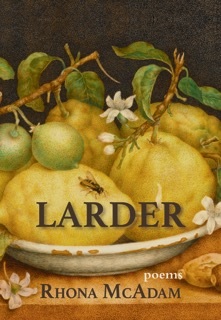
In her latest collection, Rhona McAdam navigates the dark places of human movement through the earth and the exquisite intricacies lingering in backyard gardens and farmlands populated by insects and pollinators, all the while returning to the body, to the tune of staccato beats and the newly discovered symmetries within the human heart.
“…A beautiful, filling collection, Larder is a set of poems to read at the change of the seasons, to appreciate alongside a good meal, and to remind yourself of the beauty in everything, even the things you may not appreciate before opening McAdam’s collection….”
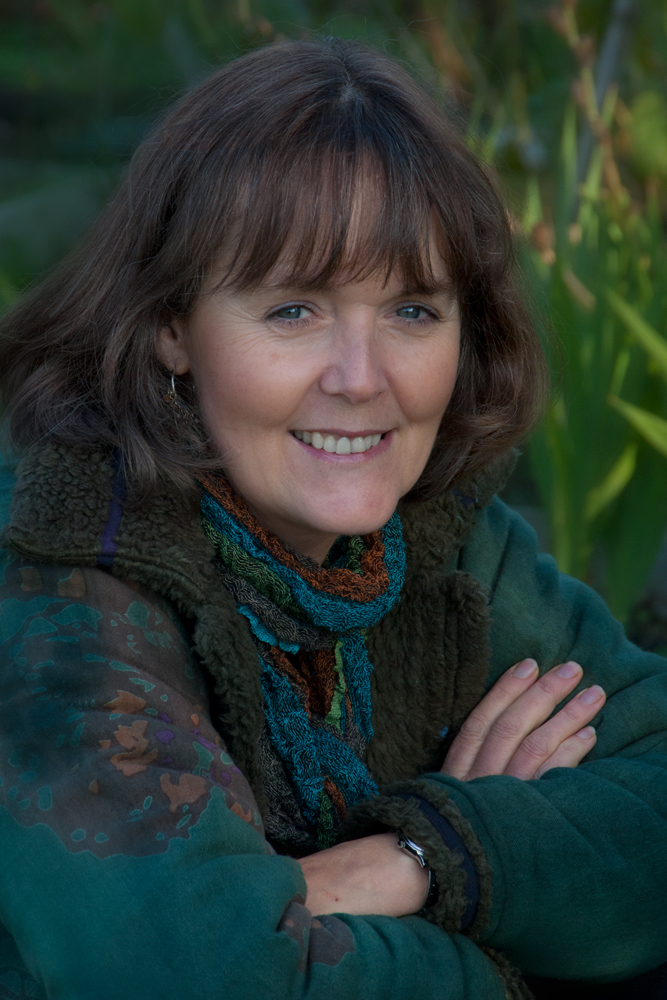
Rhona McAdam is a writer, poet, editor, and Registered Holistic Nutritionist with a Master’s in Food Culture from Italy and a deep-rooted passion for ecology and urban agriculture. Her work spans corporate and technical writing to poetry and creative nonfiction, often exploring the vital links between what we eat and how we live. Based in Victoria, BC, and available via Zoom, Rhona is always open to new writing commissions, readings, or workshops on nutrition and the culinary arts.