-
Innocent fun with hot beverages
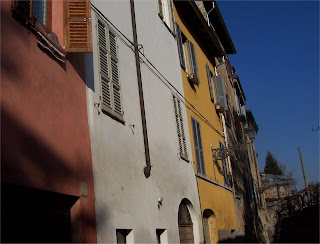
Needing some fresh air, I took a walk around Oltretorrente, just across the river; BBC Weather said it was foggy and cold. Who can you trust?I was trying to study some Italian this afternoon when I got distracted by La Stampa’s photo pages taken from LatteArt. So if you are good at decorating your cappuccino, you can send your photos in to the website, or you can refer to it for demos on making la foglia (leaf), il cuore (heart) or la mela (apple) designs on your cup at home. All you need is a steady hand. And good luck.
That got me thinking about other hot beverages.
- Maybe once you’ve finished messing about with cappuccino you can move on to a spot of tasseography.
- Did you know you can now earn a Tea Appreciation Certificate? (…Only in Canada you say?)
- When I first moved to London and worked as a temp, there were still Tea Ladies to be found in many of the offices I worked in; indeed there was one in our company’s Johannesburg office as well. It was one of those jobs that should never have been phased out, since machines are lacking in character, sympathy and common sense. I loved meeting these ladies who were always kind to newcomers and who knew everyone in the office, and their drink preferences. It’s good to see there are still places in the world that employ them: I found positions advertised in Kuwait and Kuala Lumpur.
- Did you know there’s a web page devoted to the Ovaltineys? On it you can hear that old standard “We are the Ovaltineys” (once heard, never forgotten).
- Horlicks has a fun site with interactive information about sleep (hint: the answer to sleep problems is often a nice cup of Horlicks).
- Sketos, metrios, glykos or vary glykos: how do you like your Greek coffee? Learn how to make it with a series of helpful photos.
- Long ago I tried mate, after reading something that glamourised for me the gourd and bombilla used to drink it. Now it seems to be everywhere, often known as Yerba Mate, although this sounds slightly redundant as my reading suggests yerba (Argentinian spelling of hierba, or grass) is the raw ingredient, and mate is the hot beverage. I didn’t know it had quite so many names though: Erva mate; Congonha; Paraguay cayi; Paraguay tea; Jesuit’s tea; St Bartholomew’s tea; Hervea; K’kiro; Caminu; Kali chaye; Erveira; Hervea; Erva-verdadeira; Matéteestrauch.
-
Corn and turkeys
I was confused when I first moved to England about use of the term “corn” – which to North Americans means the yellow kernels that brighten every summer picnic. In England it’s used in its traditional and more wide-ranging sense, meaning any grain, and generally the kind that feeds livestock. According to Michael Pollan, it used to mean literally any grain at all – including grains of salt, hence the expression “corned beef”. And hence the qualifier “sweet” which is added to the kind of corn that people eat, as in sweetcorn.
While passing through London in November, on my way to Italy, I happened on a copy of his recently published and much-praised book, The Omnivore’s Dilemma, right there in the Bloomsbury Oxfam Bookshop. Delighted I was, but long in the opening of this fascinating story. I have started reading it this week, after coming upon an interview with him recorded a few months before the book hit the shelves. The interview is more about Pollan and his research and writing methods than the content of the book, but he does preface the interview with a reading from it and answers some interesting questions about it at the end.
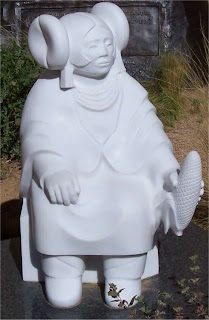
(Corn Maiden, in the sculpture garden of The Museum of Indian Arts & Culture, Santa Fe)And so I’ve been reading the first section, which is a depressing story about the appropriation of corn – one of the traditional foods of American Indians – by agribusiness, and about the enslavement of American farmers to corn subsidies which in turn has created such a surplus of corn that its products form a shocking part of the fabric of American life, from sweeteners to manufacturing materials.
And if we thought it was cruel to feed cow by-products to cows, it turns out it’s actually not much better to feed them corn, which they aren’t designed to digest either (they are grass not grain-eaters). Luckily Pollan is a talented, humane and funny writer, so it’s possible to survive the facts he’s presenting to his fellow humans. I thought I’d take a break and look at some of his other writings today.
His 2003 article about Slow Food (from Mother Jones magazine) is interesting reading, particularly following turkey season. I hadn’t realised, when I wrote my poem, Lamenting the Turkey, that I was writing about Broad Breasted Whites, but seeing them described in Pollan’s article as “mindless eating and shitting machines” that are so deformed by breeding they cannot reproduce without artificial insemination, I’d say that’s exactly what they were; lumpy and awkward like the poem. Here it is, (from Cartography) – let’s dedicate this iteration to Pollan and to omnivores everywhere (oh, and by the way I do -really!- like eating turkey but will of course be more diligent about buying traditional breeds in future..).
Lamenting the Turkey
Stub-winged idiot, a food whose life
is a brief hymn to gluttony: crescendo of feathers
and flesh fills our tables, bloodlessly knifed
as the red leaves of Christmas bloom in the background,
remorselessly bright.In a time we’re kneeling to stars and shepherds
this is our chosen meal: a feathered blunder
so dumb it drowns in rain, gaping at skies
as they seal its throat with liquid wonder.We adopt all the symbols of peace
but consume the corpse of a baleful thing:
it riots at the scent of blood, will slay
wounded brothers with its bladed chin.We fill the season with music, and stop
this wobbling voice with a plug of bread;
it ends its time as it always lived:
stuffed with food, yet never fed.So this is our festive platter:
a death of stupidity and fatted fear,
naked and shining beneath the candles,
a meal we gobble in the gullet of the year. -
Felice Anno Nuovo!
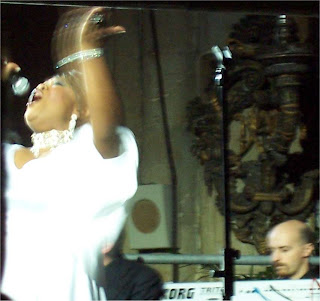
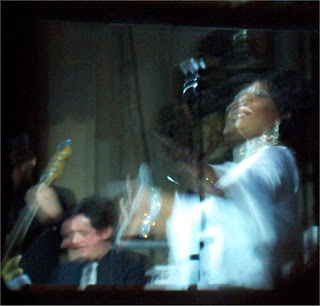
Saturday night in the duomo: Gospel in Cattedrale by Cheryl Porter – singing in English and preaching in fluent Italian.
With her International Gospel Messengers.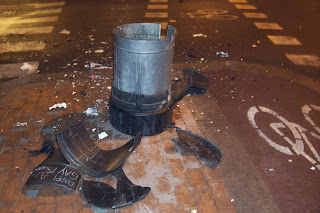
In Parma, New Year’s is all about the fireworks. Garbage cans were not the only things feeling a little nervous on Sunday night…
Just before…
…and after.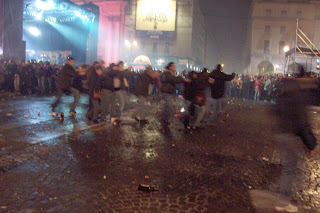
Dance of the broken bottles, Piazza Garibaldi.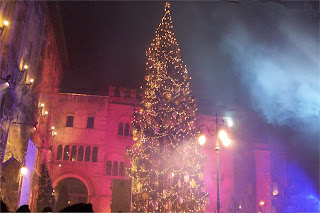
The tree on Piazza Garibaldi.


Latest Posts
- Sublime
- Good weather for reading
- The world, the world
- Sublime launch!
- Planet Earth Poetry – Readings by Volunteers, Victoria 2026
- Poetry at the Goldfinch
Aldeburgh Poetry Festival Barny Haughton BBC BC poets Berkswell blackberries Black Stilt Bologna book launch Borough Market Carlo Petrini Catalonia Cyrus Todiwala dairy Daunt's Books Dijon Edinburgh Fanny Bay Feast of Fields Food and Morality food history food journalism Jenna Butler lardo Malahat Review Michael Pollan Okanagan olive oil tasting olive trees Omnivore's Dilemma Our Food Our Future Oxford Parmigiano-Reggiano Planet Earth Poetry poetry poetry readings Poetry videos prosciutto salumi Sean O'Brien Suffolk ticks Wendy Morton Wired Writing Yvonne Blomer
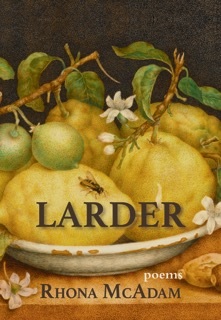
In her latest collection, Rhona McAdam navigates the dark places of human movement through the earth and the exquisite intricacies lingering in backyard gardens and farmlands populated by insects and pollinators, all the while returning to the body, to the tune of staccato beats and the newly discovered symmetries within the human heart.
“…A beautiful, filling collection, Larder is a set of poems to read at the change of the seasons, to appreciate alongside a good meal, and to remind yourself of the beauty in everything, even the things you may not appreciate before opening McAdam’s collection….”
Rhona McAdam is a writer, poet, editor, and Registered Holistic Nutritionist with a Master’s in Food Culture from Italy and a deep-rooted passion for ecology and urban agriculture. Her work spans corporate and technical writing to poetry and creative nonfiction, often exploring the vital links between what we eat and how we live. Based in Victoria, BC, and available via Zoom, Rhona is always open to new writing commissions, readings, or workshops on nutrition and the culinary arts.