-
Provisioning
Read Full Post: Provisioning The Iambic Cafe has been mostly offline these past months, enjoying the summer, which seems to have been abnormally short this year, though things have kept growing and so has the list of things I’m preserving in the kitchen.
So far I have put up three cases of salmon (pink, sockeye and coho), four litres of gingery apple butter, a dozen jars of assorted mixtures of apricot and plum and blackberry jam, and a case
 of canned apricots. My freezer is crammed with bottles of apple & blackberry juice, I have two quart jars of lacto-fermented red cabbage sauerkraut in the fridge, have dehydrated herbs and kale chips and raisins, and am about to start in on the tomatoes. A case of Red Haven organic peaches is finishing its final ripening while the fruit flies wait, loitering hopefully on the cover to the apple scrap vinegar-to-be.
But even after all this, I can’t sit idle. I find myself thinking how useful it would be to make my own sea salt:
 perhaps a winter chore once I start stoking the wood stove, which I expect to heat me through till spring on the bounty of the mighty Douglas fir I had to have felled this spring when its roots intruded on my house’s foundations. The feller tossed giant rounds down as he worked – many so big I could hardly push them – and of such heft they made deep gouges in the soggy ground, creating a whole new landscape where the lawn used to be. Eventually, after several weeks’ chopping and hauling, the woodshed is stacked to the rafters and it should be about ready to burn by the time the autumn chill descends.
Aside from a
 brief and festive sojourn into the darkest reaches of the Shuswap, I’ve remained close to home, tied to house and garden and enjoying a satisfying run of good weather. A steady stream of visitors has kept me hopping between visitations of renovators and obligations with paintbrushes and restoration of trampled garden.
This week classes started up again in Nanaimo and we’ve commenced the final year of nutrition studies with a class on Eco-Nutrition, working through the fascinating if sometimes dispiriting text of Thomas Pawlick’s The End of Food. Not entirely new territory for me, as it echoes the UK situation described in Felicity Lawrence’s Not On the Label, and numerous American books by the likes of Marion Nestle, Michael Pollan, Joel Salatin, Eric Schlosser, et al. Looking forward to the assignment – to research the origins and production of any five foods. We’ll have to choose carefully: I expect our findings are more likely to make us queasy than easy with what we eat.
-
Short film: la surconsommation
Read Full Post: Short film: la surconsommationIn what is pretty much a condensed version of Our Daily Bread, this six minute film gives us hundreds of thousands of good reasons to support small-scale, local, organic food production, processing and retailing.
-
Gluttony, by Allegra McEvedy
Read Full Post: Gluttony, by Allegra McEvedyI was happy to find a place on a School of Life workshop last time I was in London. Alain de Botton‘s genius sideline, this eccentric school in Bloomsbury offers a dazzling range of talks, workshops and Sunday sermons as well as a supremely tempting gift shop. Here for your summer entertainment, is a sermon appropriate to these pages, Allegra McEvedy on Gluttony:


Latest Posts
- Writers at Word!
- Sublime and Twisted Readings coming up!
- Sublime
- Good weather for reading
- The world, the world
- Sublime launch!
Aldeburgh Poetry Festival Barny Haughton BBC BC poets Berkswell blackberries Black Stilt Bologna book launch Borough Market Carlo Petrini Catalonia Cyrus Todiwala dairy Daunt's Books Dijon Edinburgh Fanny Bay Feast of Fields Food and Morality food history food journalism Jenna Butler lardo Malahat Review Michael Pollan Okanagan olive oil tasting olive trees Omnivore's Dilemma Our Food Our Future Oxford Parmigiano-Reggiano Planet Earth Poetry poetry poetry readings Poetry videos prosciutto salumi Sean O'Brien Suffolk ticks Wendy Morton Wired Writing Yvonne Blomer
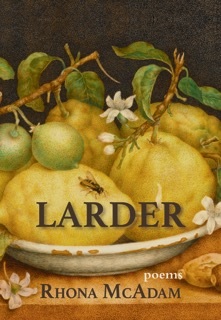
In her latest collection, Rhona McAdam navigates the dark places of human movement through the earth and the exquisite intricacies lingering in backyard gardens and farmlands populated by insects and pollinators, all the while returning to the body, to the tune of staccato beats and the newly discovered symmetries within the human heart.
“…A beautiful, filling collection, Larder is a set of poems to read at the change of the seasons, to appreciate alongside a good meal, and to remind yourself of the beauty in everything, even the things you may not appreciate before opening McAdam’s collection….”
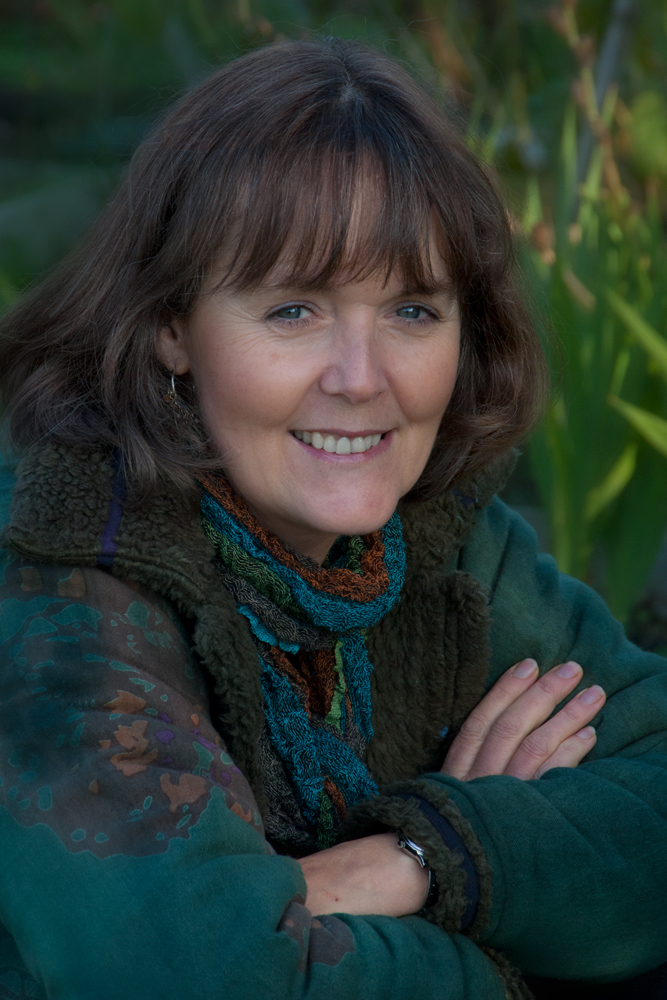
Rhona McAdam is a writer, poet, editor, and Registered Holistic Nutritionist with a Master’s in Food Culture from Italy and a deep-rooted passion for ecology and urban agriculture. Her work spans corporate and technical writing to poetry and creative nonfiction, often exploring the vital links between what we eat and how we live. Based in Victoria, BC, and available via Zoom, Rhona is always open to new writing commissions, readings, or workshops on nutrition and the culinary arts.