-
London Books
Read Full Post: London Books
Reading at the RA Still a few more bits and pieces to share from my time in London, back in March, before this month, like the past couple, get away from me.
I went to a number of events while in town. One, a reading at the Royal Academy, was themed to reflect the architectural exhibit, Sensing Spaces. Poets were commissioned to write poems inspired by the pieces and then come along and read them one evening, in and around the exhibition. The affair was a mixed success, from my point of view out there in the audience. The show carried on around the readings, with bemused art-lovers pausing to
 puzzle over who these people were and what they were doing. The reading spaces were not always ideal, as in the one shown above, which was a large, cavernous room with a bar – attracting a fair amount of traffic and chat and requiring the poets to bellow above the din. Which not everyone can manage, and it doesn’t always serve the poem’s quiet purpose. Another, shown here, was more intimate and atmospheric, but not always in the best way, as it featured a pebble floor which made, well, pebble sounds when anyone moved or walked over it. Still, a tip of the hat to organizers for trying to include poetry – which is incompatible with many features of our rushed, noisy lives.
 A quieter event was Carrie Etter’s launch of Imagined Sons. Most pubs in England have function rooms, mostly above the main tavern. The Yorkshire Grey in Clerkenwell had one that was perfectly sized and situated, and offered what looked like pretty good food too. A goodly throng assembled to wish Carrie well with her most recent poetry collection. We were treated to Carrie’s reading of a number of these moving and imaginative reflections on the unanswerable question of what becomes of a child given up for adoption, and how the act haunts a teenaged birth mother throughout the rest of her life.
Other events included a visit to Poetry in the Crypt, which was, as always, a packed-out event
 in which poets waive their reading fee and all monies raised are given over to charity. The readers du jour were Clare Best, Robert Chandler and Jean Sprackland, who gave generously of their words, alongside many fine readers from the floor. On my way to the venue, in the crypt of St Mary’s Church in Islington, I noticed other audiences spilling out of pub doorways, as the Six Nations Rugby match was on.
And finally, right at the end of my visit, I was able to attend a book laun
 ch by an old friend from way back, Stephen Watts, who was launching his beautifully titled collection, Ancient Sunlight. He read in his characteristically powerful style, from a collection that travels around London and Europe but remains rooted in his personal web of humanitarian and political concerns. A good literary finale, although it meant I had missed Jenny Lewis reading from Taking Mesopotamia in Oxford. And illness kept me from the launch of Heart Archives by Sue Rose. But I managed to get to quite a lot over a relatively short visit. Always so many reasons to return!
 -
London Looks
Read Full Post: London Looks And where there is food, I find poetry. London rich in both. I was lucky enough to catch some readings, some writing and some launching. But first, some touristic ramblings.
Once in a while London can offer some stunningly beautiful weather (in balmy contrast to last March’s snows) which I was able to enjoy almost every day of my visit, including a Sunday afternoon when I visited Camden and wandered past Regents Canal towards Primrose Hill, where everyone and her dog was having a picnic. Camden Market seething and happy and the weather perfect for queuing for gelato at Marine Ice – delighted to see it still there when so much else has changed, but did not get closer in case it wasn’t exactly as I remembered.


And a few bits more: Seven Dials, Covent Garden, by night; the escalator in Holborn tube, and the oddly awesome London Shard.


-
London Cooks
Read Full Post: London Cooks
Recipease, Notting Hill More catch-up posting. London is receding into the recent past at alarming speed, as the present gallops along. Here are a few culinary memories of that still-recent visit. It was not as food -centred as some of my trips, as I was not there over long and more concerned with catching up than dining out, but there is much good food in London, and I had some very nice meals.
The Jamie Oliver cookery school/cafe in Notting Hill, Recipease,
 had lured us in for carrot pancakes, on Pancake Day – and then, near the end of my stay, to a cookery class. The school and cafe are perched a floor above the glass-walled Recipease kitchen and shop. Lessons are taught around an open square within which the instructors move from student station to student station, and diners can look on while they dine. We chose North Indian Thali, which turned out to entail a demonstration (dhal) and some hands-on (chickpea masala, crispy spiced okra, puri bread from scratch, and stir-fried vegetable salad) cooking. After which we ate our own cooking, accompanied by rice, dhal and a mango puree.


I’d also made the required pilgrimage to Ottolenghi‘s Islington shrine, where the meringues beckoned and the salads gleamed. Everything always so beautiful there.


And elsewhere: home cooking isn’t too shabby when it comes in the form of anchovy-draped tuna-stuffed peppers. Another day I had a nostalgically quirky dining experience at the Maja cafe, in the ground floor of the Polish Social & Cultural Centre, where the pierogies were ample and the golabki available in both meat and vegetarian forms; brought back memories of Edmonton’s Ukranian fare. On another day we went to the Black Dog in Vauxhall, accompanied – of course – by a black dog, who napped beneath the table while we tucked in – a perfectly beautiful beetroot salad (with three colours of beets!) for me. And (hear this, food inspectors everywhere!) even with a canine companion so close by, I can confidently state that nobody caught rabies, supped on dog hair or perished from being in the same room as an animal during that meal.


Latest Posts
- Writers at Word!
- Sublime and Twisted Readings coming up!
- Sublime
- Good weather for reading
- The world, the world
- Sublime launch!
Aldeburgh Poetry Festival Barny Haughton BBC BC poets Berkswell blackberries Black Stilt Bologna book launch Borough Market Carlo Petrini Catalonia Cyrus Todiwala dairy Daunt's Books Dijon Edinburgh Fanny Bay Feast of Fields Food and Morality food history food journalism Jenna Butler lardo Malahat Review Michael Pollan Okanagan olive oil tasting olive trees Omnivore's Dilemma Our Food Our Future Oxford Parmigiano-Reggiano Planet Earth Poetry poetry poetry readings Poetry videos prosciutto salumi Sean O'Brien Suffolk ticks Wendy Morton Wired Writing Yvonne Blomer
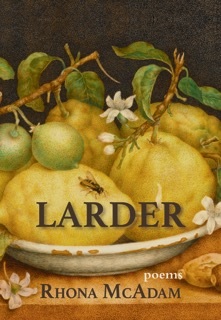
In her latest collection, Rhona McAdam navigates the dark places of human movement through the earth and the exquisite intricacies lingering in backyard gardens and farmlands populated by insects and pollinators, all the while returning to the body, to the tune of staccato beats and the newly discovered symmetries within the human heart.
“…A beautiful, filling collection, Larder is a set of poems to read at the change of the seasons, to appreciate alongside a good meal, and to remind yourself of the beauty in everything, even the things you may not appreciate before opening McAdam’s collection….”
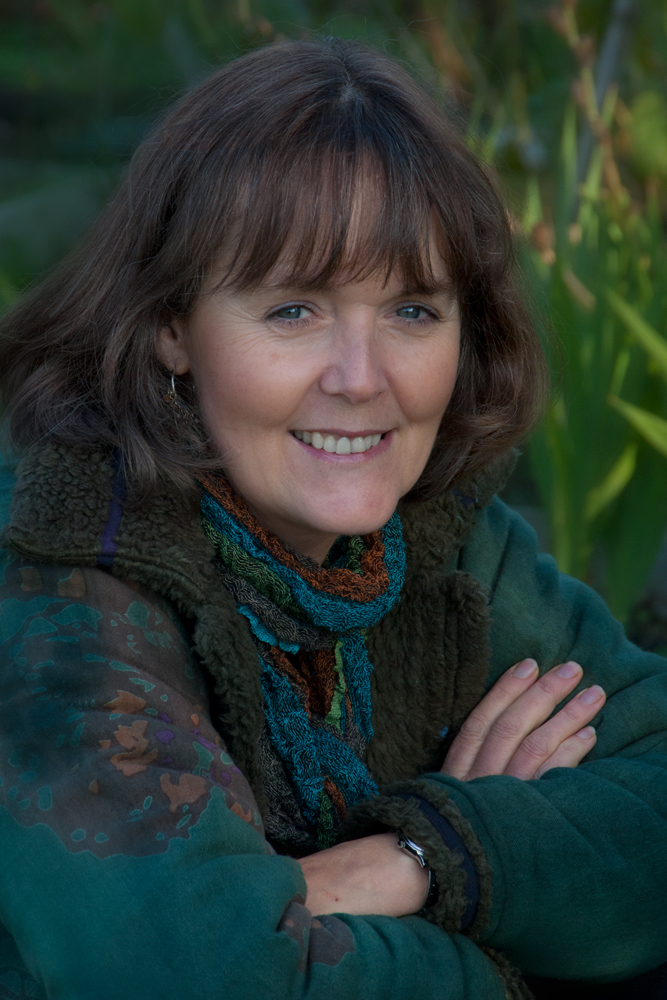
Rhona McAdam is a writer, poet, editor, and Registered Holistic Nutritionist with a Master’s in Food Culture from Italy and a deep-rooted passion for ecology and urban agriculture. Her work spans corporate and technical writing to poetry and creative nonfiction, often exploring the vital links between what we eat and how we live. Based in Victoria, BC, and available via Zoom, Rhona is always open to new writing commissions, readings, or workshops on nutrition and the culinary arts.