-
Knedliky, muffins and poetry from Manchester to Newcastle
Read Full Post: Knedliky, muffins and poetry from Manchester to NewcastleSusan tells me that Rick was preparing a giant Czech dumpling (knedliky) for supper last night. Lucky them! I remember it well: thick, fragrant and delightfully absorbent slices accompanied some of the lovely meat specialties I had on a couple of trips to Prague, and many more were lurking in the kitchens of the Czech and Slovak Club that was so conveniently situated at the end of my street in London.
What is it about soft doughy substances… I’ve had a week of struggles with muffins. Made my third batch today after failures with apple muffins from the Steinbeck House cookbook a week ago (dry and hard), lemon poppyseed muffins from an internet recipe yesterday (flopped hideously over the rims of the muffin cups). This morning we returned to old faithful, blueberry muffins from the good old New Recipes from Moosewood, and – at last – success. Not perfection, but sweet, warm, edible success.

I came across Michael Schmidt’s Stanza lecture yesterday. His Lives of the Poets is not so much littering as landscaping my personal wasteland of unread works: it is one book that you can honestly say, before you’ve even opened it, has real stature. Apparently last year’s Neil Astley lecture was believed to be at least partially directed at Schmidt, the Mexican-born founder and publisher of Manchester-based literary journal PN Review, and of Carcanet, which is certainly a very different press than Newcastle’s Bloodaxe. Two worlds of opinion in two northern cities.
While enjoying both sides of the argument, I do have a lot more Carcanet on my shelves than Bloodaxe, and the reasons include Gillian Clarke, Eavan Boland, Sujata Bhatt, Les Murray and Elizabeth Jennings.
But I also cherish a number of titles from Bloodaxe: Ken Smith’s Wild Root, collections by Carol Rumens, Stephen Knight, Helen Dunmore. Not to forget Peter Sansom’s Writing Poems and Astley’s own Staying Alive.
-
A different kind of Easter egg
Read Full Post: A different kind of Easter eggI found a recipe of a different kind for a different kind of appetite. Poor old Anton was scratching away after he returned from a perhaps too cozy weekend with some other dogs when I was away in Campbell River. So I thought, maybe fleas, and looked up some home remedies (the flea collar wasn’t cutting it, although he’s keeping it on as I do NOT like pulling ticks out of dogs’ faces, no I do not) . (Be careful when using remedies with borax, by the way, as you don’t want dogs or children rolling in or ingesting that.)
My absolute favourite was the cure where you place a dish of water in the flea-ridden room, switch off the lights, and place a candle in the dish, the idea being that the fleas will jump towards the light, fall in the water and drown. There was something heroic and tragic in the idea that really appealed to me, but I don’t think it works. Maybe I wasn’t playing the right music?
My, has it only been a decade? The Heather Robinson copyright case is coming up for re-hearing by the Supreme Court of Canada. It feels like it’s been going on all my life. The case seeks to help freelance writers retain copyright on their works, and to obtain payment if their works are sold again by the publisher. It began when Heather Robertson sold first serial rights to a story, and the newspaper without further payment or permission included the story on its digital (online database) services, which re-sell published pieces.On Sunday April 16, 8 am, CBC North by Northwest host Sheryl McKay will interview Kate Braid and Sandy Shreve, editors of In Fine Form.
-
Toasting poetry
Read Full Post: Toasting poetryJust sitting around adding a layer of cookbooks to the layer of poetry books on my desk. A gift from the gods — well, from Susan in Calgary really — arrived in my mailbox yesterday: the gastro-biography Toast, by that most laid back of the British celebrity chefs Nigel Slater. Pretentious is certainly not a word you could use about someone who describes his mother’s chronically burnt toast thus:
“It is impossible not to love someone who makes toast for you. People’s failings, even major ones such as when they make you wear short trousers to school, fall into insignificance as your teeth break through the rough, toasted crust and sink into the doughy cushion of white bread underneath. Once the warm, salty butter has hit your tongue, you are smitten.”
Meanwhile I peruse recipes of a non-toasty nature as I have been smitten myself by an insane plan to cater my own book launch. Will I never learn? I think it was finding a caterer who charged $69 for a smoked salmon cheesecake that unhinged me. So I and my crispy assistant Miss Vicky will take care of things.
I’ve picked up another half-read book. This time it’s the always unpredictable and hugely successful anthology Staying Alive, edited by Bloodaxe’s own Neil Astley (check out his controversial lecture, Guile, Bile and Dangerous to Poetry). I was surprised – favourably – to discover Gwendolyn MacEwan among the contributors; and Anne Michaels, P.K. Page, and lots (7 poems!) of Alden Nowlan. One or two of the section introductions are more confusing than the poems — I have long been baffled by Astley’s assertion that Elizabeth Bishop’s Chemin de Fer could “be read as a ‘coded’ account of female masturbation.” Huh?!? Still, the poems themselves are ones to be grateful for and it is a wonderfully broad selection.


Latest Posts
- Writers at Word!
- Sublime and Twisted Readings coming up!
- Sublime
- Good weather for reading
- The world, the world
- Sublime launch!
Aldeburgh Poetry Festival Barny Haughton BBC BC poets Berkswell blackberries Black Stilt Bologna book launch Borough Market Carlo Petrini Catalonia Cyrus Todiwala dairy Daunt's Books Dijon Edinburgh Fanny Bay Feast of Fields Food and Morality food history food journalism Jenna Butler lardo Malahat Review Michael Pollan Okanagan olive oil tasting olive trees Omnivore's Dilemma Our Food Our Future Oxford Parmigiano-Reggiano Planet Earth Poetry poetry poetry readings Poetry videos prosciutto salumi Sean O'Brien Suffolk ticks Wendy Morton Wired Writing Yvonne Blomer
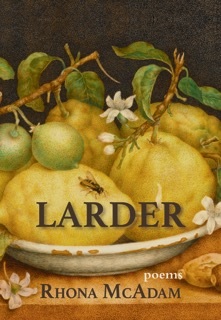
In her latest collection, Rhona McAdam navigates the dark places of human movement through the earth and the exquisite intricacies lingering in backyard gardens and farmlands populated by insects and pollinators, all the while returning to the body, to the tune of staccato beats and the newly discovered symmetries within the human heart.
“…A beautiful, filling collection, Larder is a set of poems to read at the change of the seasons, to appreciate alongside a good meal, and to remind yourself of the beauty in everything, even the things you may not appreciate before opening McAdam’s collection….”
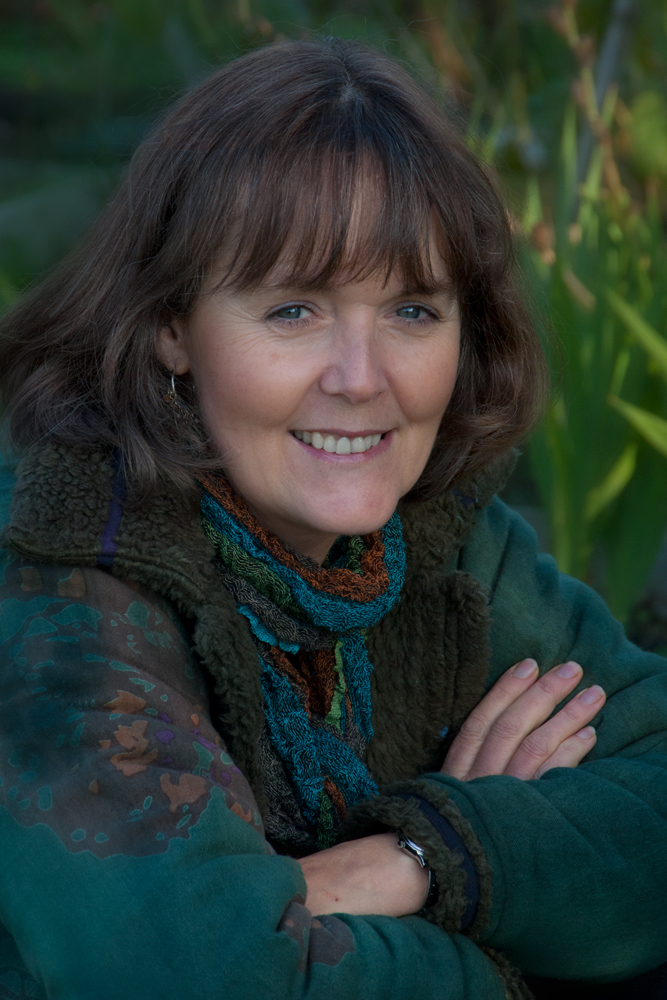
Rhona McAdam is a writer, poet, editor, and Registered Holistic Nutritionist with a Master’s in Food Culture from Italy and a deep-rooted passion for ecology and urban agriculture. Her work spans corporate and technical writing to poetry and creative nonfiction, often exploring the vital links between what we eat and how we live. Based in Victoria, BC, and available via Zoom, Rhona is always open to new writing commissions, readings, or workshops on nutrition and the culinary arts.