-
Aldeburgh 2
A fairly full Saturday at the festival. We began with a morning reading by Harry Clifton
from his Secular Eden: Paris Notebooks – it was a set which included several lovely food poems and a gentle and intelligent humour; Imtiaz Dharker followed with performance-oriented work of which I most enjoyed her Bombay tiffin-carriers poem; and Elaine Feinstein who read from works including Talking to the Dead. She also managed to squeeze in one of her Marina Tsvetaeva translations.
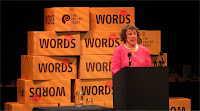
After a quick sandwich in town, we hastened back to the hall to hear New Blood
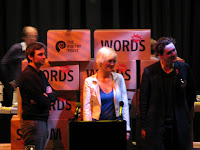
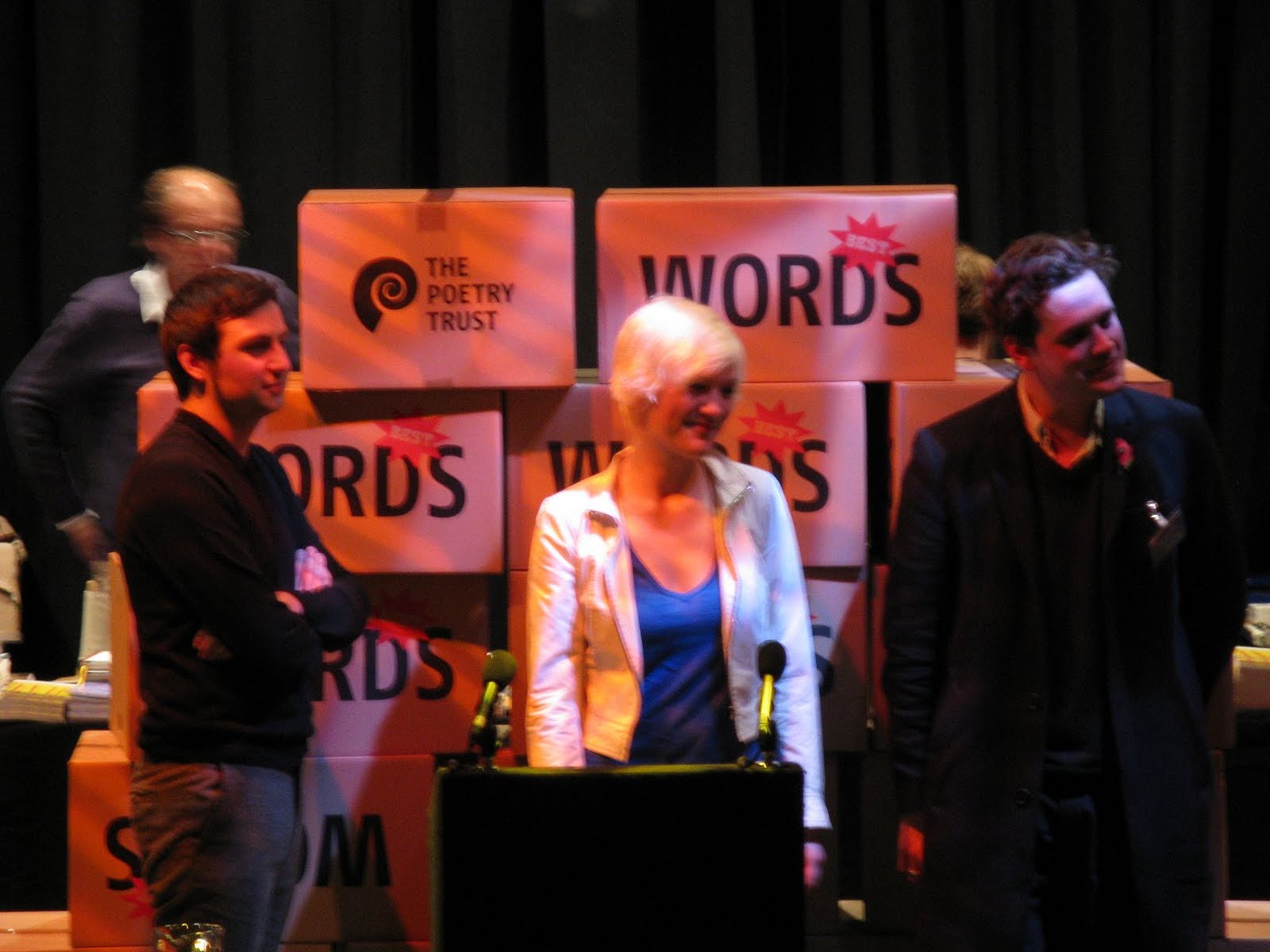
which offered up three talented young poets: the confident and entertaining Caroline Bird; Jack Underwood and Luke Kennard. All young, all talented, what can you say but watch for more from them?
After a bit of workshopping ourselves, we had a good if slightly hasty supper at the Pelican (duck confit with red cabbage and parsnip mash was great)

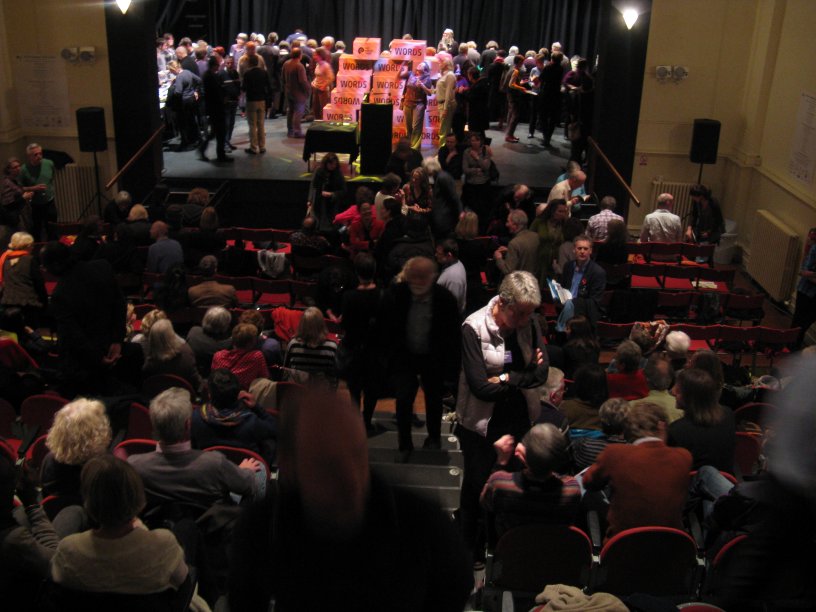
and then back to Jubilee Hall,
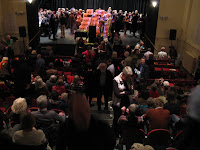
packed to the rafters for an evening reading which commenced with my personal favourite, John Glenday
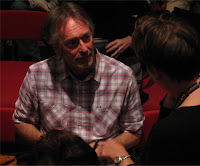
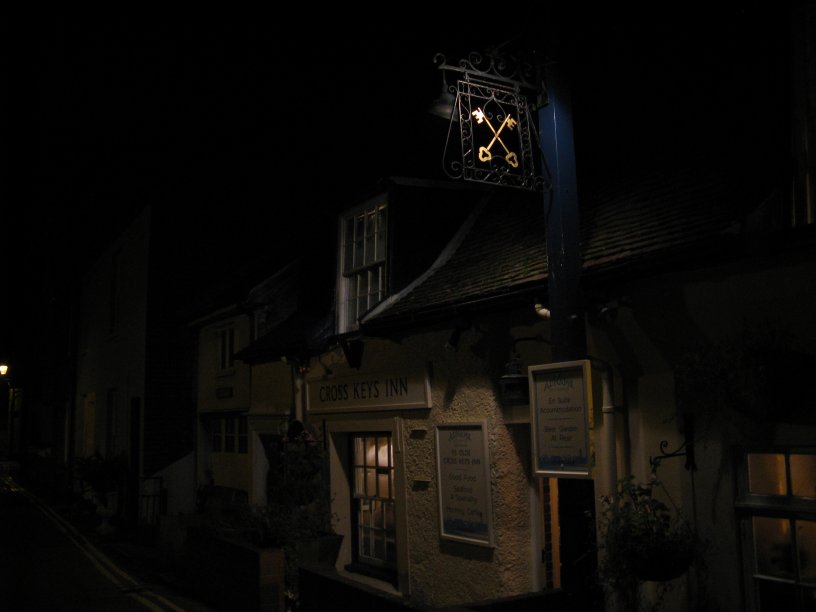
reading from his excellent new collection, Grain. We heard also from Dorianne Laux and Bernard Kops, and then repaired to the Cross Keys for a nightcap.
-
A is for Aldeburgh
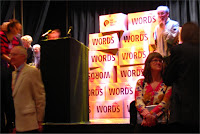
American poet Marie Howe thought it was pronounced Aydelburg, but as we all eventually learn it’s really Ohld-brah. The Aldeburgh Poetry Festival celebrates its 22nd birthday this year and – though like all arts organizations is struggling for survival in rocky times – has brought back the usual throng of poets and readers for a weekend by the sea.
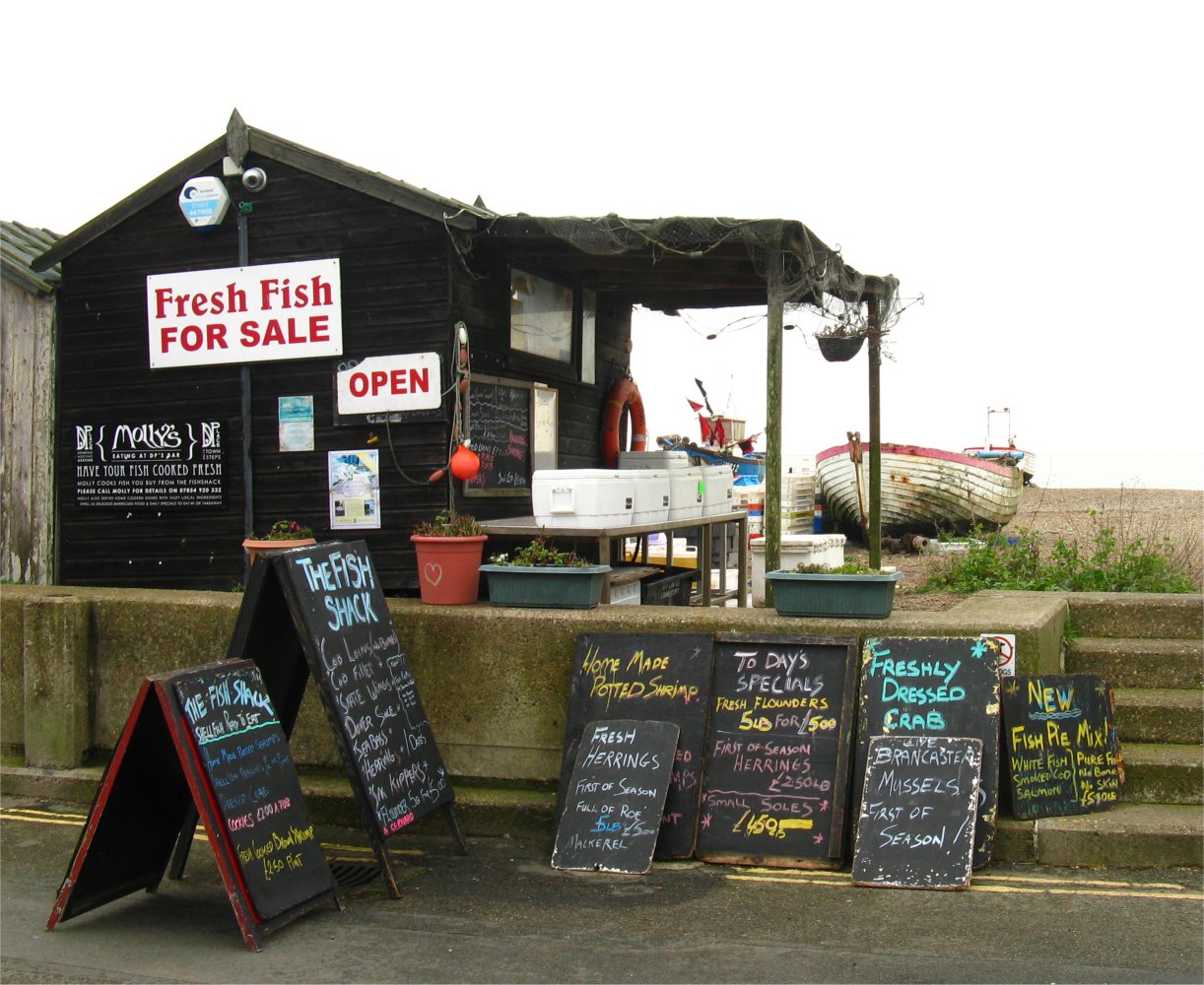
We arrived early, in time to dine on sole from the local farm shop’s sustainable fish shop

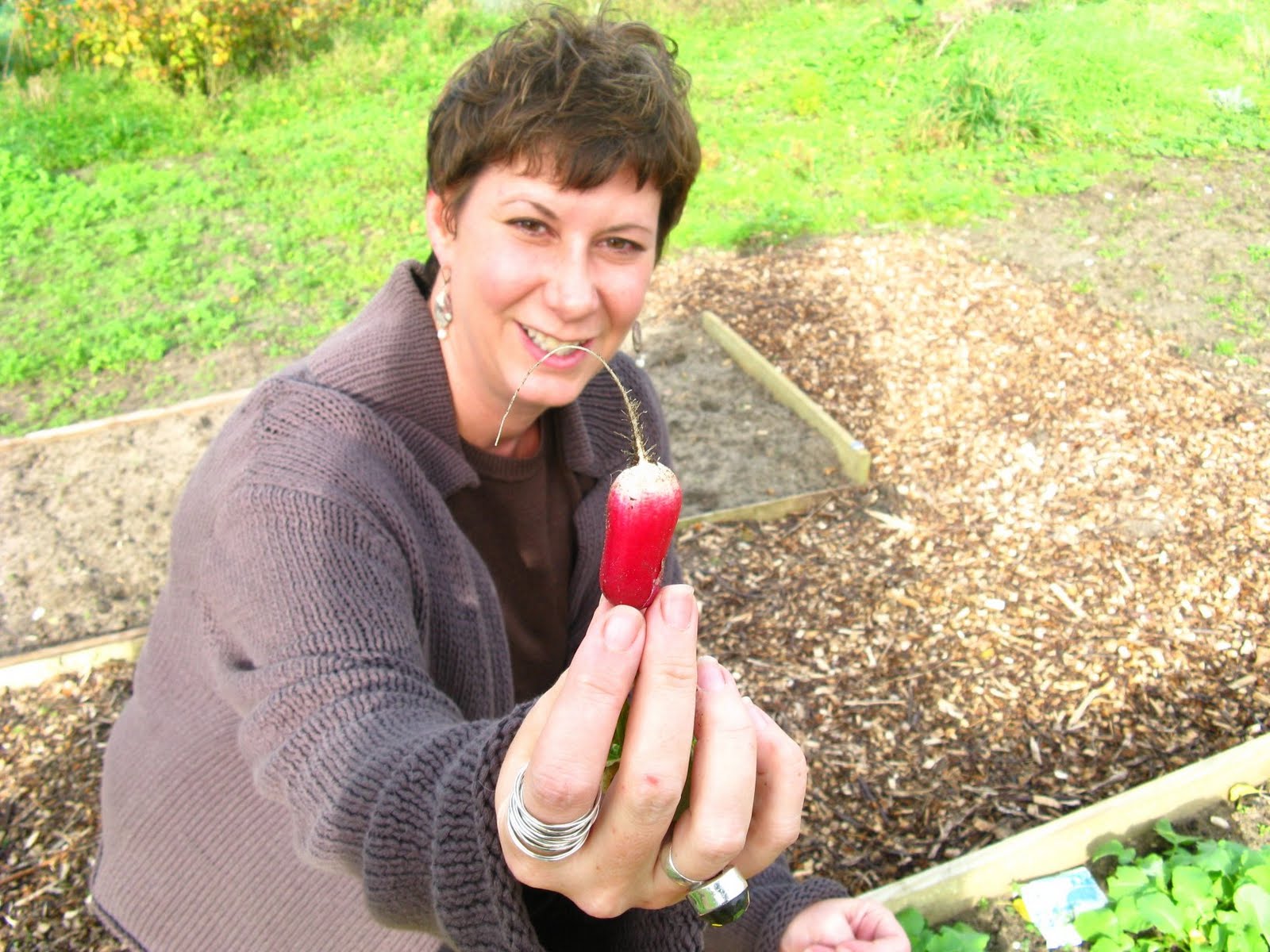
and check out Tammy’s allotment, where even after a late planting the radishes were flourishing


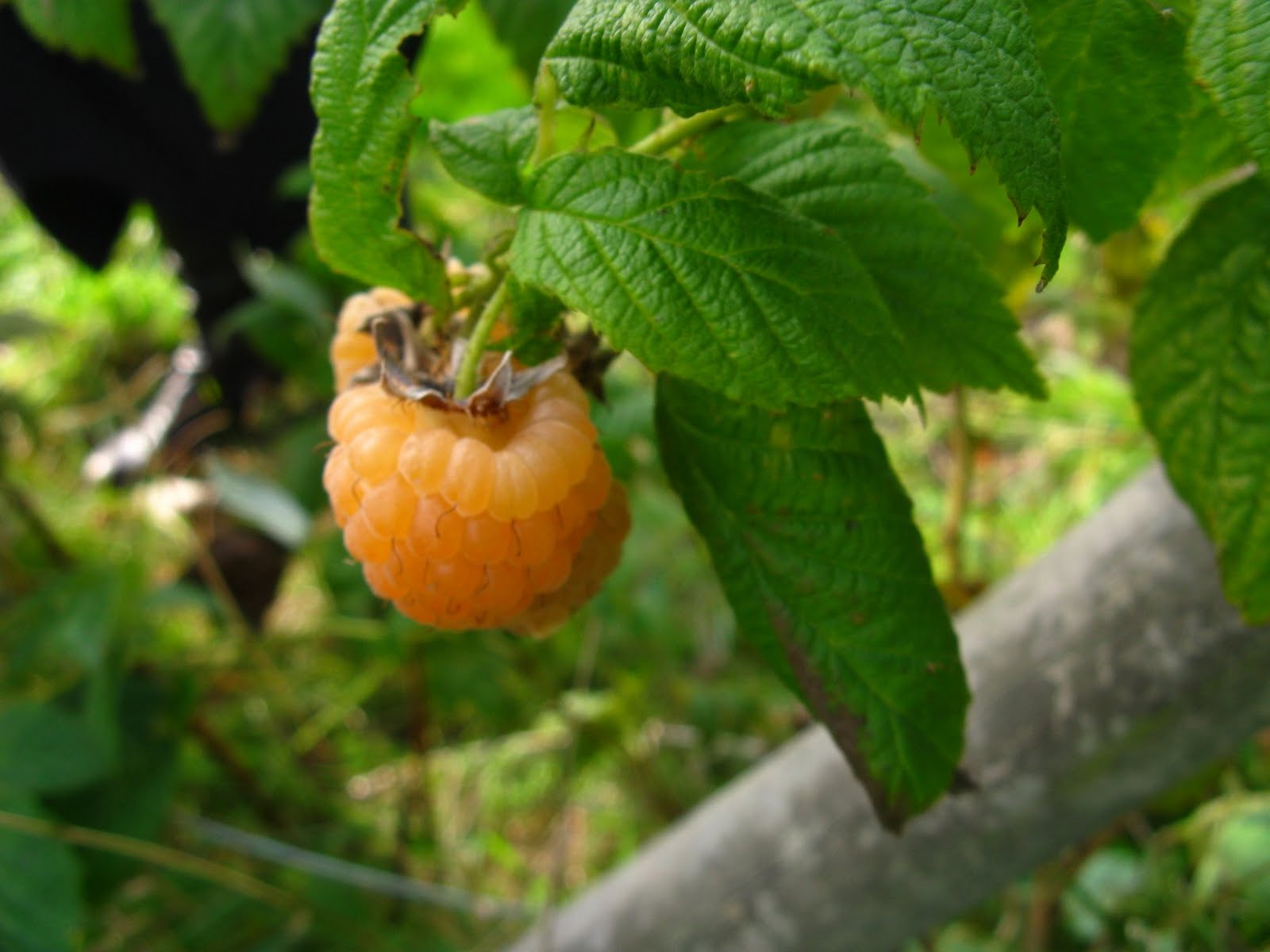
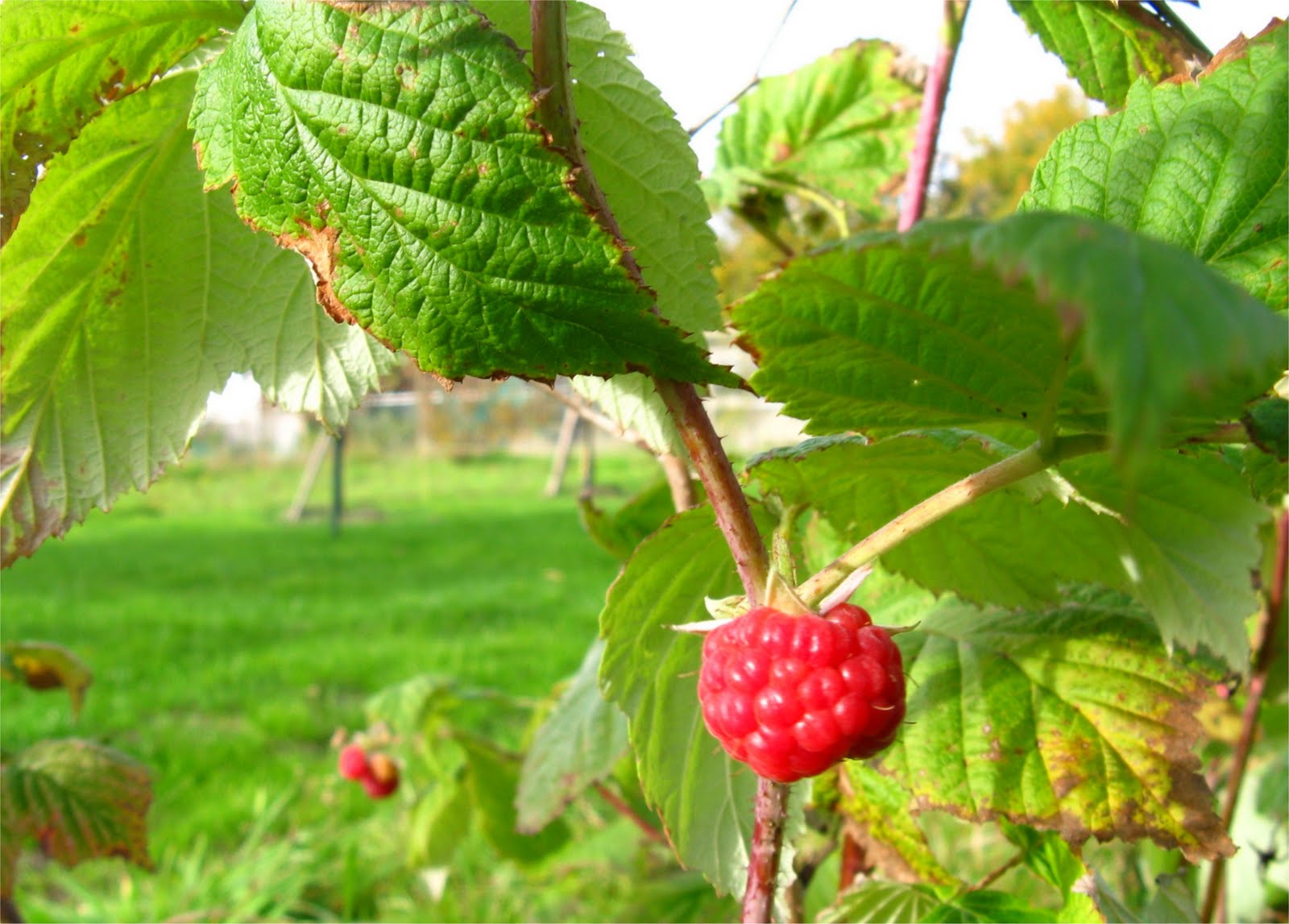
likewise the raspberries


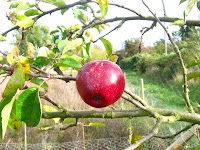
and apples
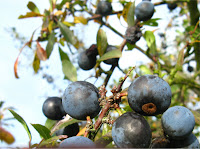
and sloes, begging for gin:
After some heavy poetry workshopping, we fortified ourselves at 152 (feta-pomegranate salad and beetroot risotto with a natty parmesan chapeau for me)


before taking in our first reading of the festival, where we heard J.O. Morgan, Matthew Caley and Don Paterson (who will be giving a lecture on Robert Frost as well).
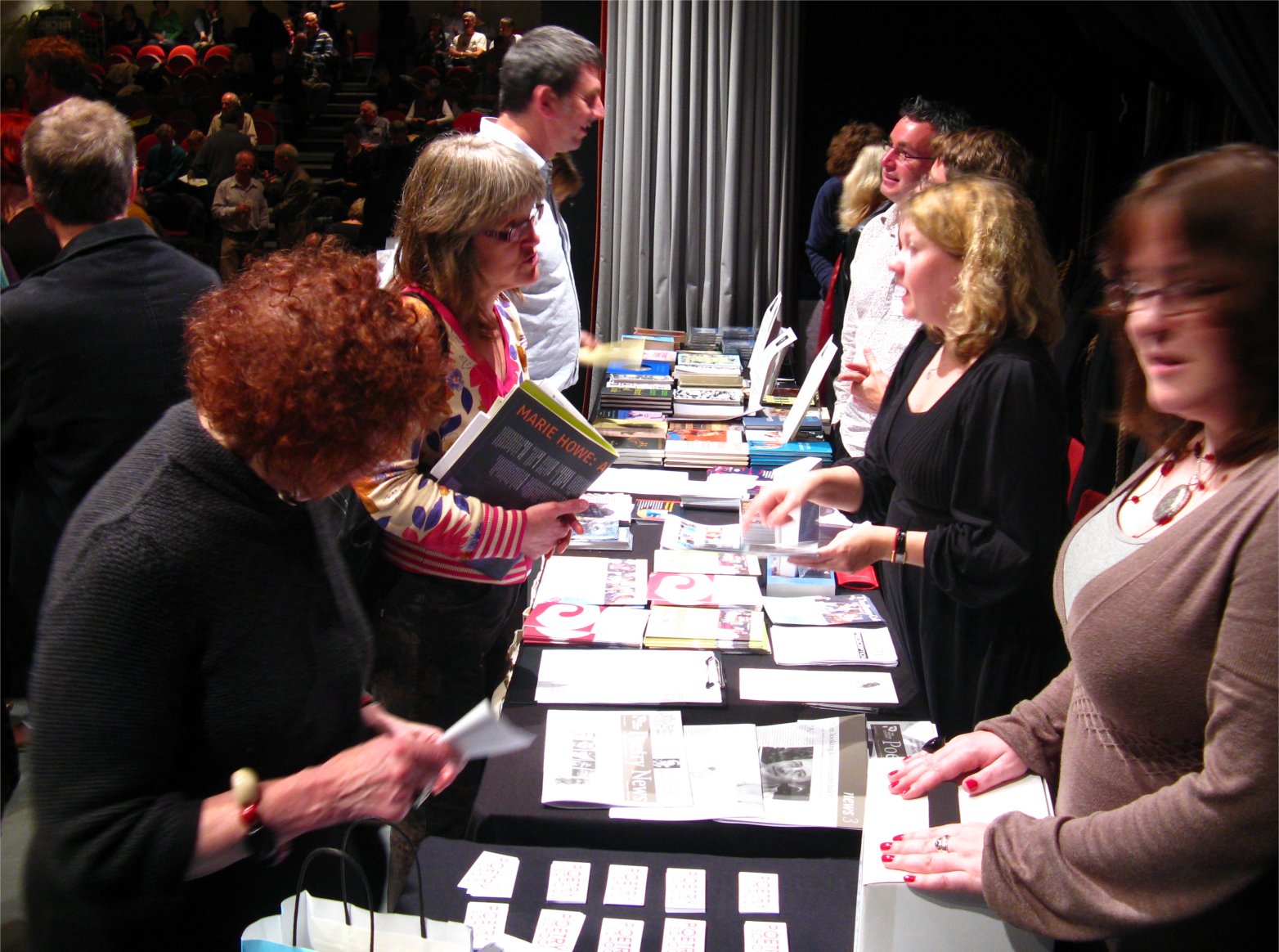
Several poetry organizations were represented (the Poetry Society, the Poetry Book Society, the Poetry School, and the Poetry Foundation)
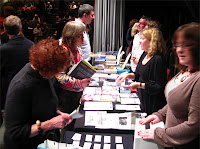
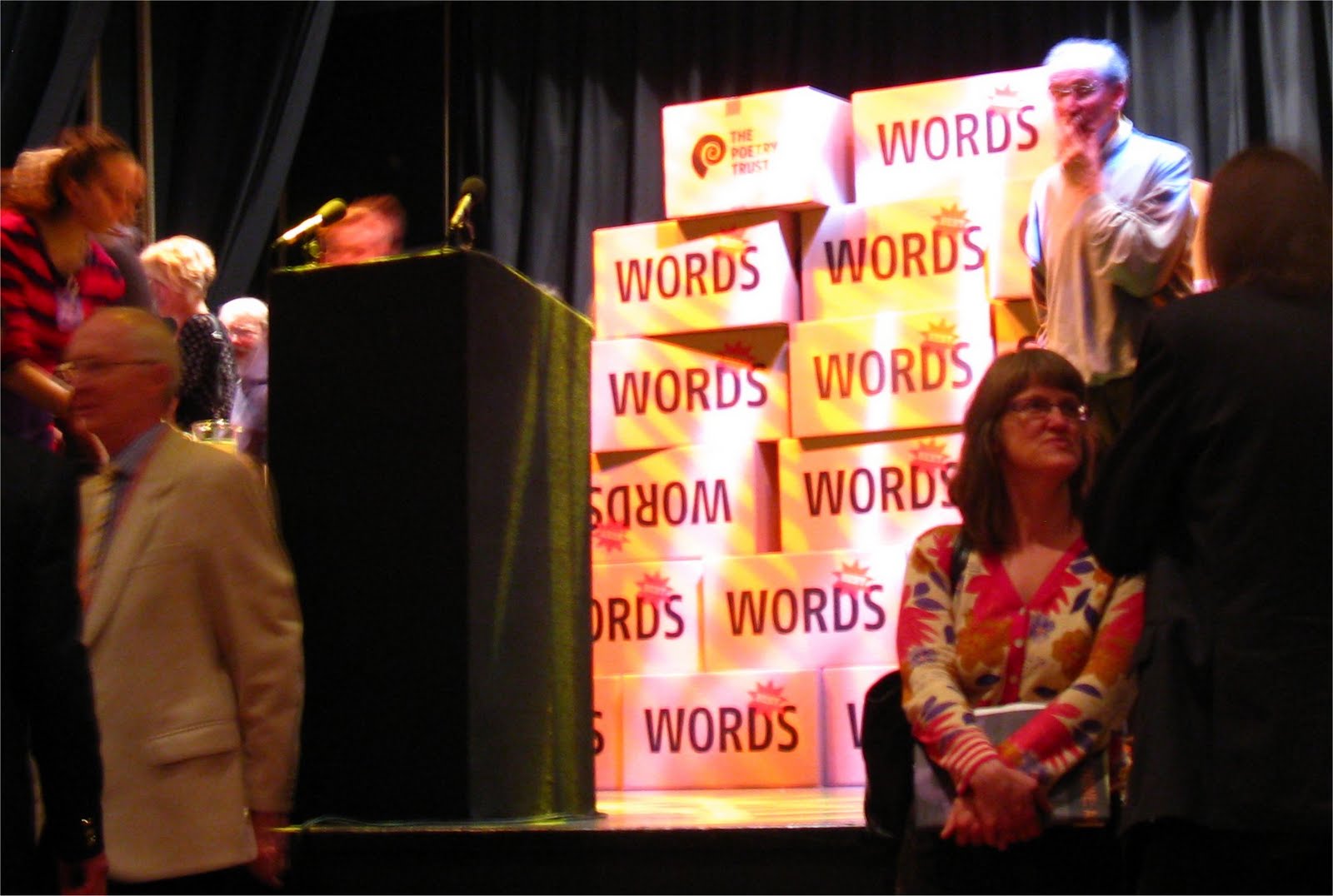
and the book tables at the back of the stage were thronged as ever. My bags grow heavier, my wallet lighter.


-
London: British Library and Poetry International
Spent yesterday morning in the shadow of Newton
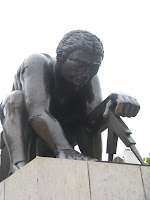
at the British Library’s Business & IP (intellectual property) centre, attending a workshop on search engine optimization. It was a fairly fleeting visit, not allowing time to go and breathe the studious air of the reading rooms, but lovely to be there nonetheless. I had to rush off up the road to Islington to see Nancy and Mike, who had laid on a lovely spread of Ottolenghi treats, the better to catch up on our mutual travels. They’d been to the Torbay Festival of Poetry and, well, I hadn’t. But I’d been some other places we could talk about.
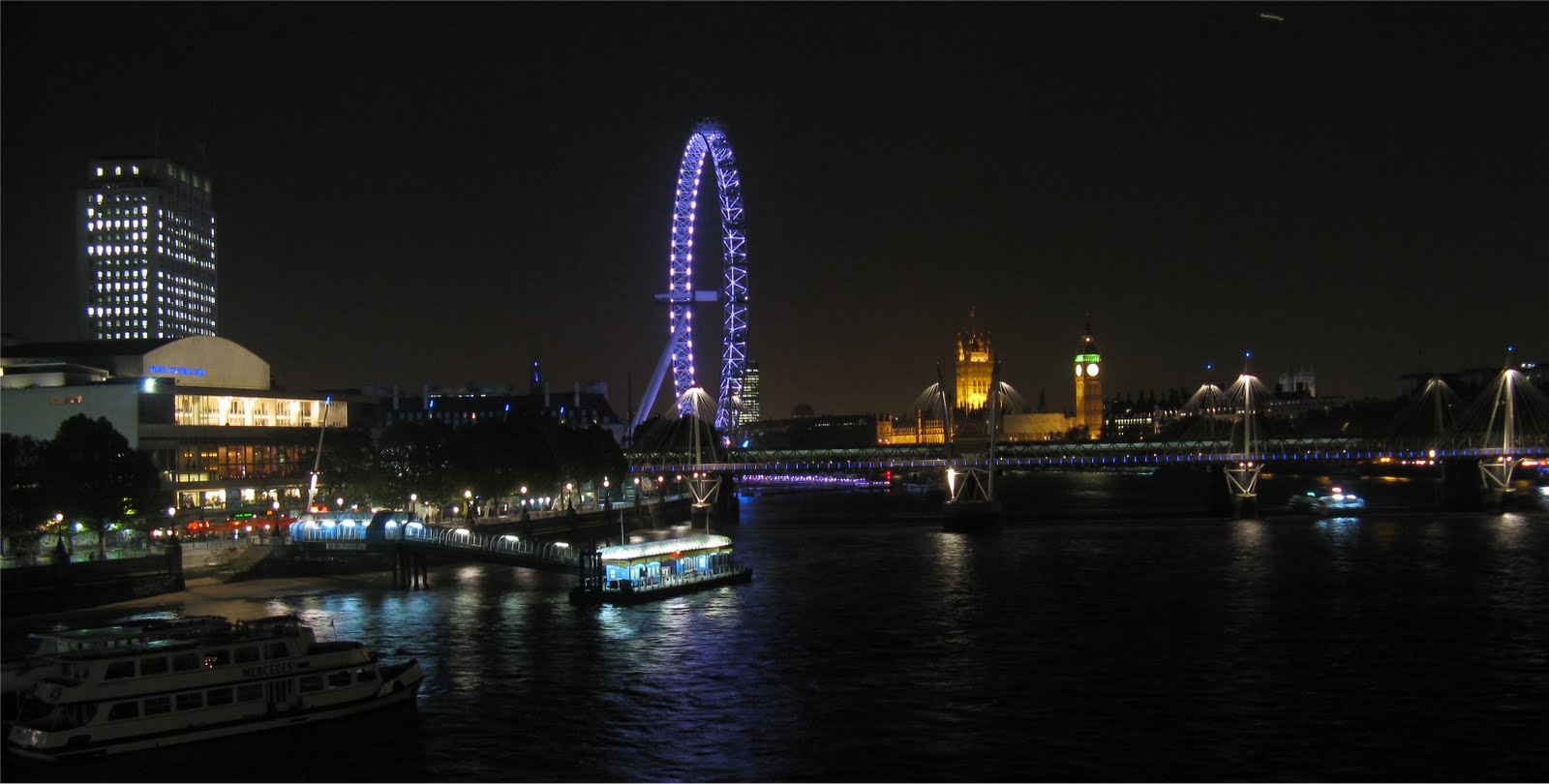
Then we all headed out to catch a bus, since it was a tube strike night, to get to the Southbank. Owing to all the extra road traffic, the bus ground to a halt and then chucked us all off early, so we walked along the Strand for a while and crossed over Waterloo Bridge with its admirable views of the Southbank, the Eye and Parliament.

Had it been light we might have taken a look at the Drop sculpture which I saw a couple of weeks ago.
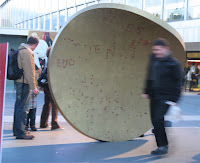
But: it was dark, and we were there for a Poetry International reading, introduced by Simon Armitage, who’ll be in residence there for the next three years, seeing in the Poetry Parnassus project which aims to bring in 200+ poets, from all participating Olympics countries.

On this occasion we heard from six poets: Anne Carson (Canada), Kristiina Ehin (Estonia), Mimi Khalvati (UK/Iran), Bill Manhire (New Zealand), William Ospina (Colombia)
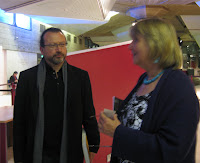
and Nii Parkes (UK/Ghana). Among my favourite readers in a very good evening were Anne Carson, reading from her gorgeous new collection, Nox; the amazing William Ospina, whose haunting works are sadly not available in English (but a small selection had been translated for the occasion); and Kristiina Ehin’s wildly entertaining reading which included some wedding songs: she warned us we’d find the melodies sad, and said this was because the idea is that if Estonian brides do not weep the night of their wedding, they will weep for all the years of their marriage.
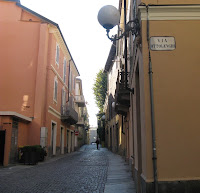
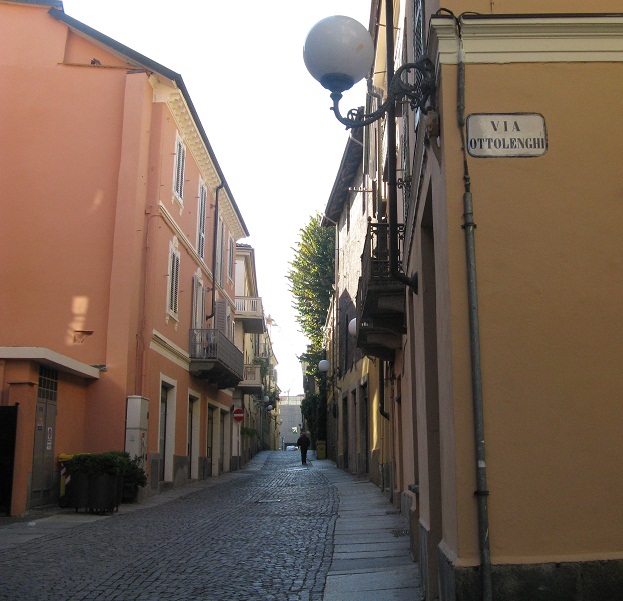
And now for a picture of a nicely named street in Asti:














Latest Posts
- Sublime
- Good weather for reading
- The world, the world
- Sublime launch!
- Planet Earth Poetry – Readings by Volunteers, Victoria 2026
- Poetry at the Goldfinch
Aldeburgh Poetry Festival Barny Haughton BBC BC poets Berkswell blackberries Black Stilt Bologna book launch Borough Market Caerphilly Carlo Petrini Catalonia culatello Cyrus Todiwala dairy Dijon Edinburgh Fanny Bay Feast of Fields ferries Food and Morality food journalism Michael Pollan olive oil tasting Omnivore's Dilemma Our Food Our Future Oxford Parmigiano-Reggiano persimmons Planet Earth Poetry poetry poetry readings Poetry videos prosciutto salumi Sean O'Brien sensory analysis Suffolk ticks tortelli di zucca Troubadour Wendell Berry Wendy Morton Yvonne Blomer
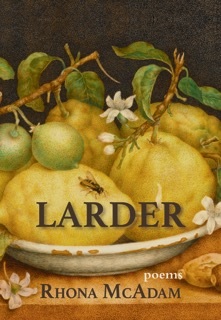
In her latest collection, Rhona McAdam navigates the dark places of human movement through the earth and the exquisite intricacies lingering in backyard gardens and farmlands populated by insects and pollinators, all the while returning to the body, to the tune of staccato beats and the newly discovered symmetries within the human heart.
“…A beautiful, filling collection, Larder is a set of poems to read at the change of the seasons, to appreciate alongside a good meal, and to remind yourself of the beauty in everything, even the things you may not appreciate before opening McAdam’s collection….”
Rhona McAdam is a writer, poet, editor, and Registered Holistic Nutritionist with a Master’s in Food Culture from Italy and a deep-rooted passion for ecology and urban agriculture. Her work spans corporate and technical writing to poetry and creative nonfiction, often exploring the vital links between what we eat and how we live. Based in Victoria, BC, and available via Zoom, Rhona is always open to new writing commissions, readings, or workshops on nutrition and the culinary arts.