-
Starting with Salone
Read Full Post: Starting with SaloneWhat can one say about Salone del Gusto? The world’s largest artisanal food fair is how I describe it. We attempted to have a quick look round in an hour or so, but barely managed to tour one small corner. An interesting corner though.
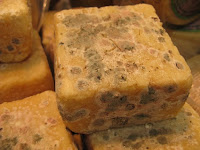
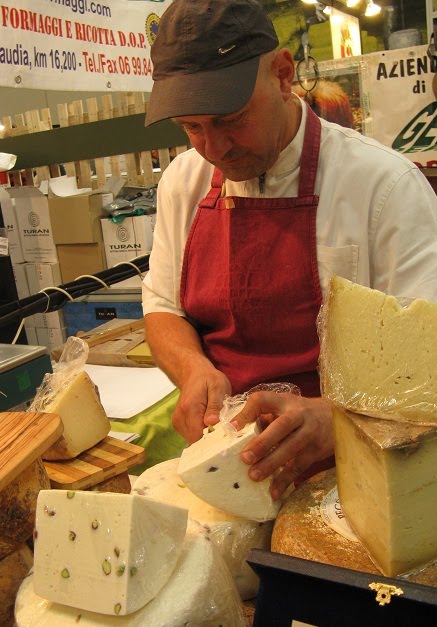
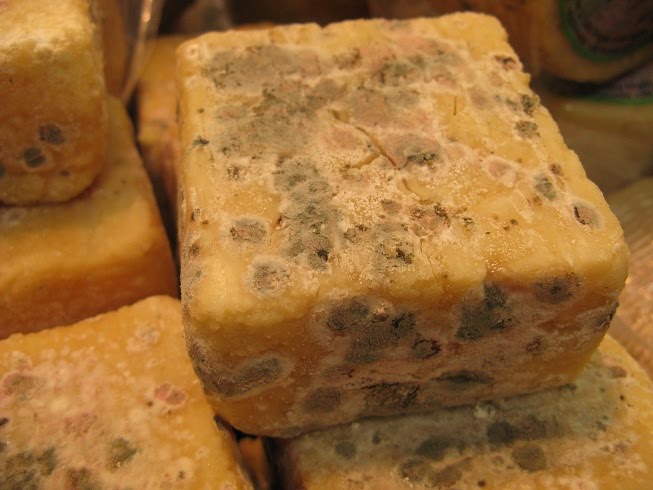
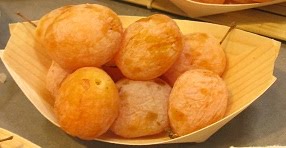
We started in Sardinia, where there were lots of interesting shapes and sizes of cheese:
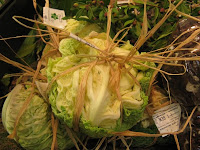
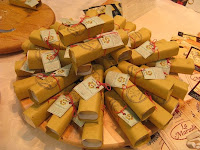
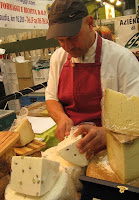
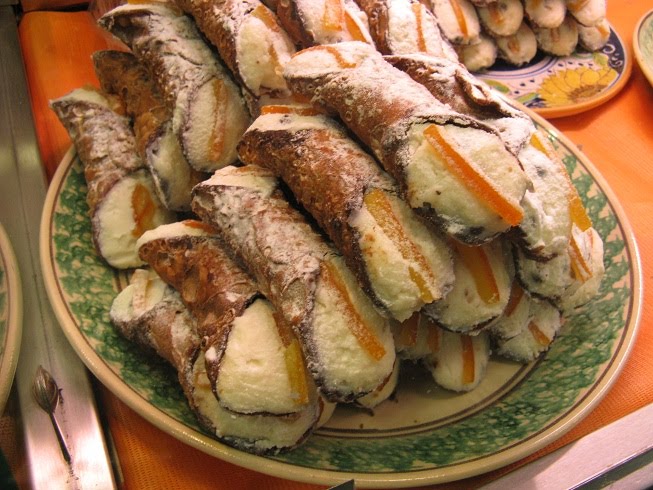
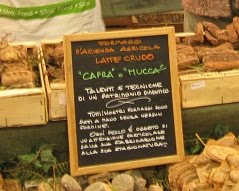
Sicily had lots and lots and lots and lots and lots of things on offer as well, including pastries and cheese.
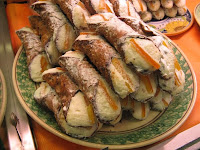
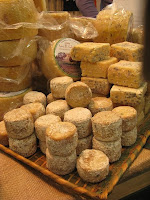
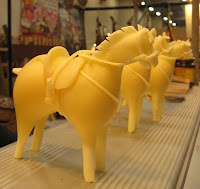
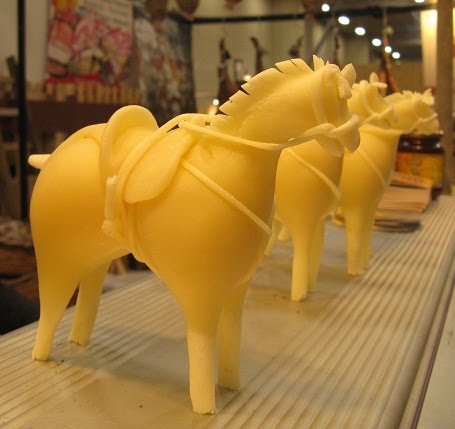
The caciocavallo stall was nicely decorated:
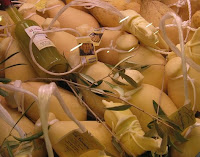
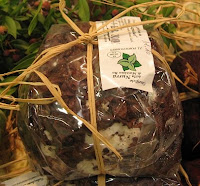
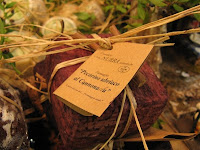
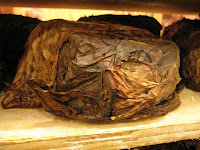
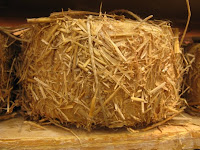
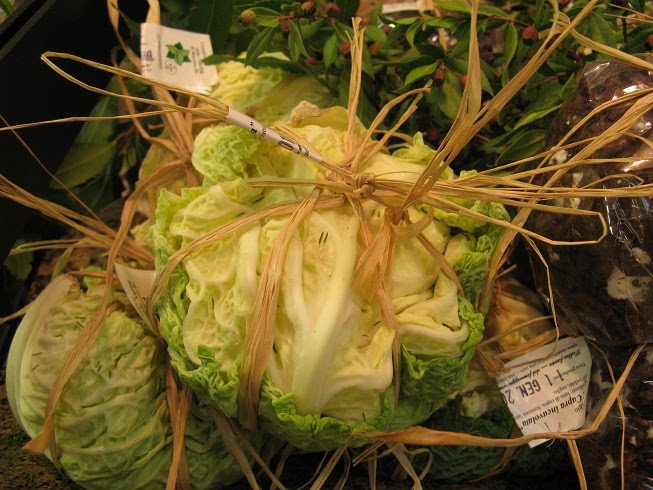
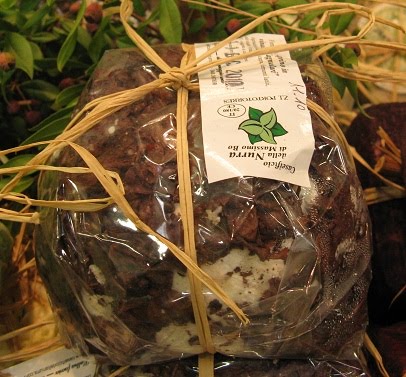
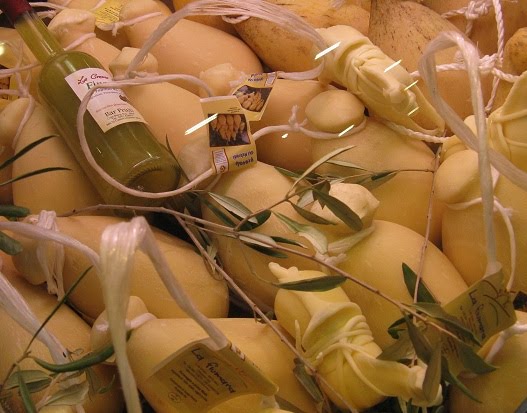
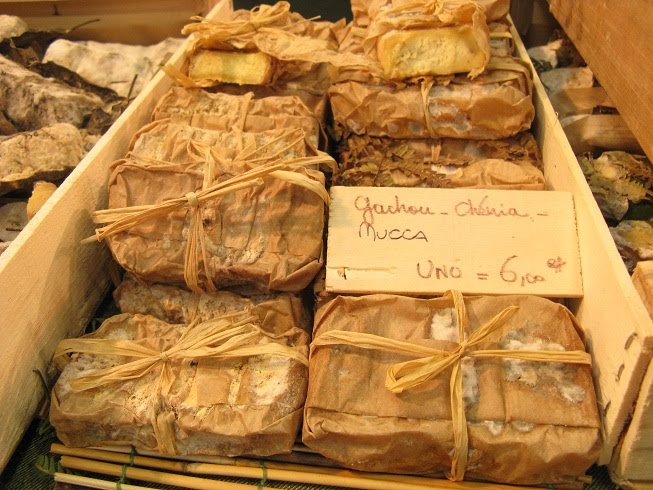
They don’t hesitate to choose interesting ways to wrap their cheeses either:
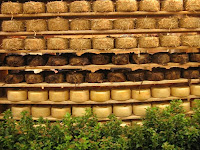
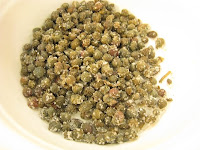
The capers were incredible:
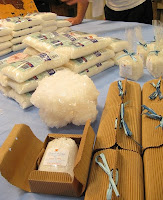
The salt was stupendous:
The plums were plump and perfect.
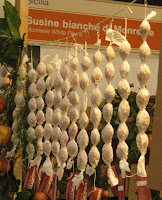
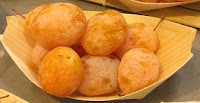
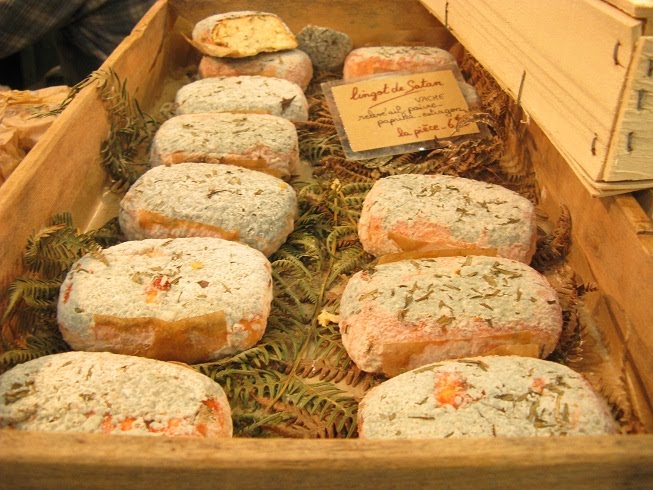
We passed France which had stunning cheeses of many shapes
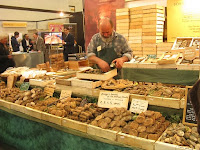
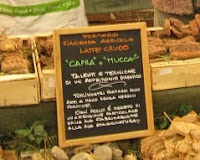
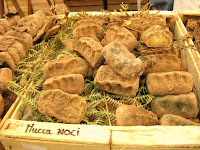
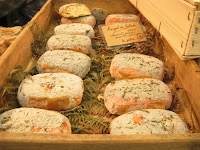
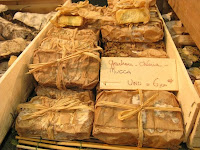
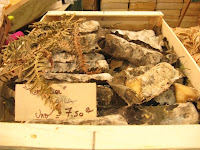
The nougat was popular,
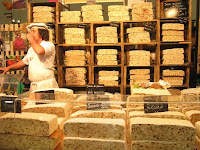
but the armagnac stand is going to be hard to pass by again. I feel sure my bags are going to be heavier by at least one bottle.
-
Italian beginnings
Read Full Post: Italian beginnings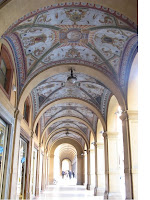
Flew into Bologna only yesterday, shattered after an early morning that could have passed for a late night; such are the travails of crossing London in time for a 7.10 flight from Stansted Airport. After a doze on the plane and another on the airport bus, I woke into a happy dream when we found our way to the market area.
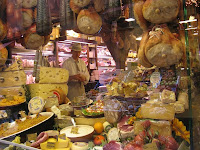

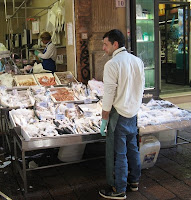


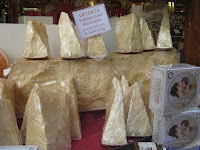
After a good lunch at Tamburini, everything felt more than OK as we headed out of town, to start our journey west.
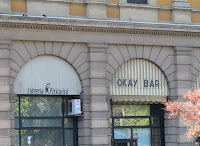
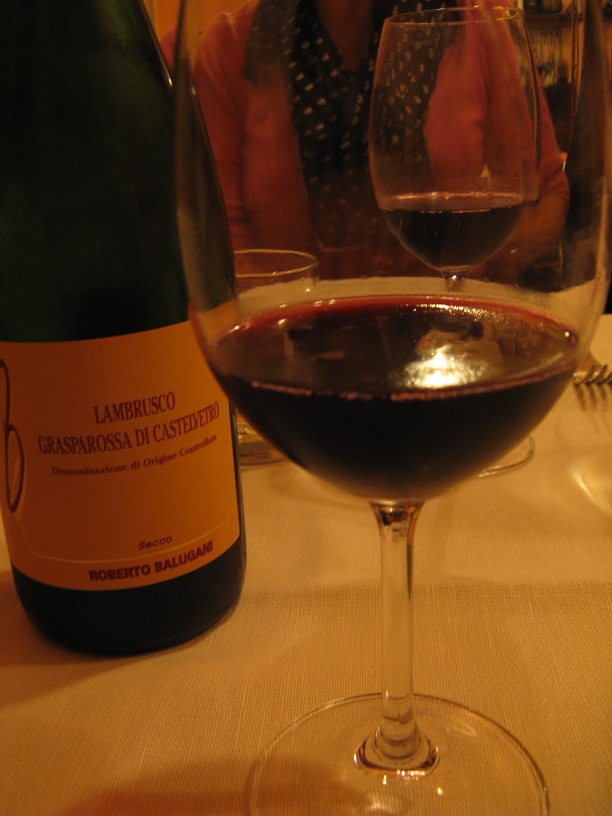
We arrived in Modena, which is Lambrusco country.
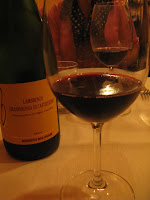
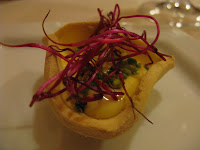
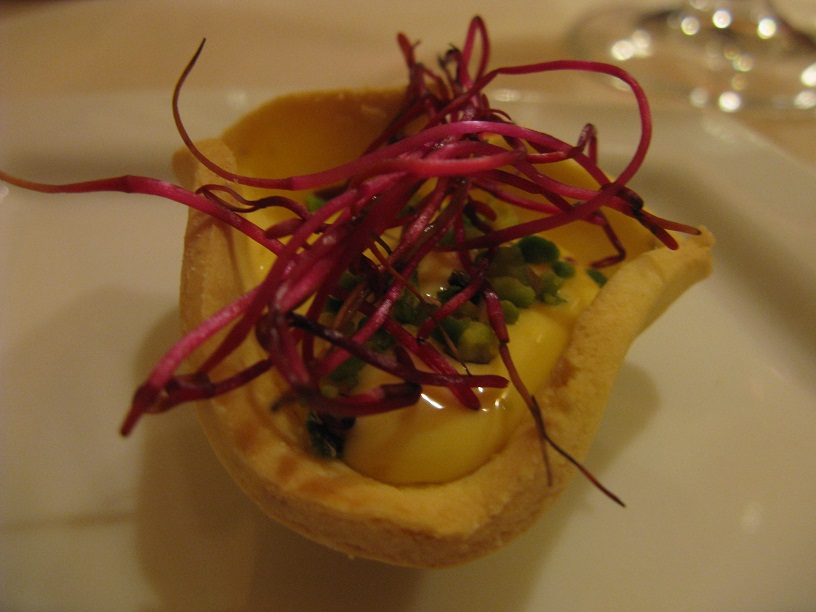
The meal at the Osteria Stallo del Pomodoro was affably served and began with this fetching amuse-bouche, a tart of soft goat cheese with pistachio and fried shredded beetroot. So pretty!
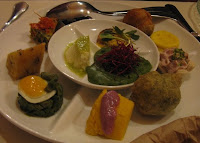
The antipasto misto was a marvellous misto of many interesting things. So colourful!
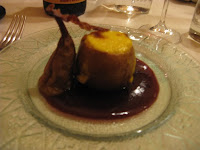
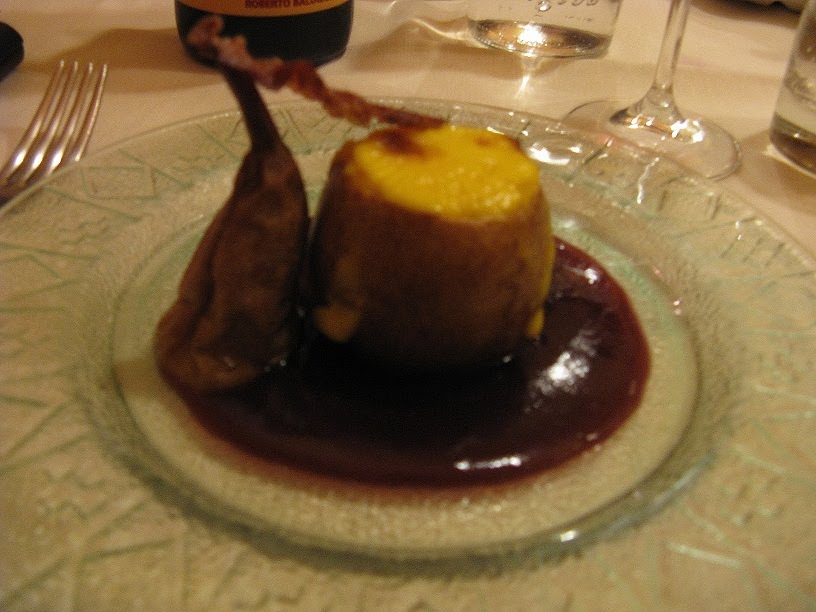
The Soffiato di Parmigiano-Reggiano was a cheesy mousse baked in a hollow pear and served with vino cotto. Very nice.
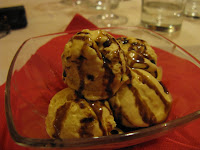
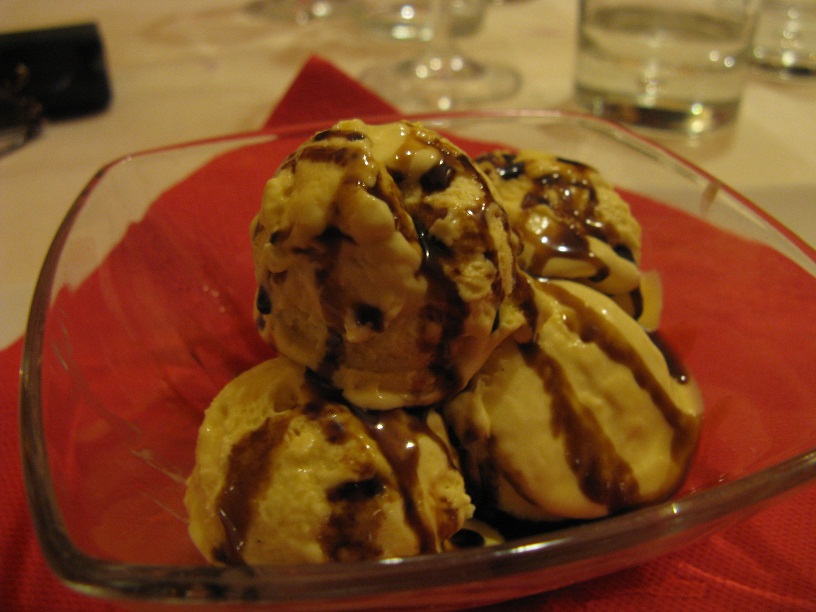
When in Modena… gelato with balsamico tradizionale. We behaved so nicely that the waiter gave us each a few precious drops of 25+ year old traditionale as a parting gift.
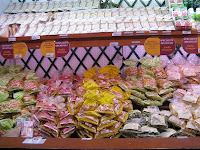
En route to Asti, we stopped for some inexplicable reason at the AutoGrill,

where the amusements are many. It is not what most countries stock their highway rest stops with…
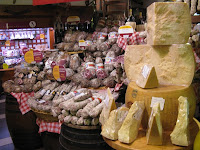
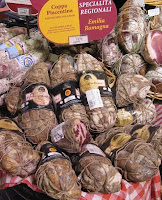
On to Asti where the sun shone on our afternoon stroll.
A watchful dog:
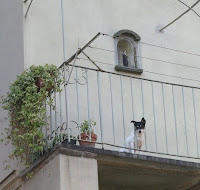
Who wouldn’t want to shop at Save Money Square?
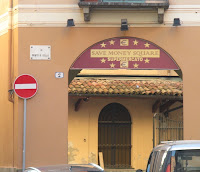
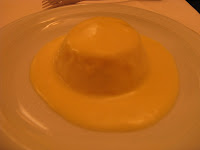
Supper at Il Convivio began with a warm and wonderful jerusalem artichoke tart, which was a sort of artichoke custard, with a sauce of local cheese and anchovies.
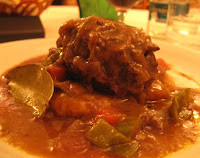
Then Ganascino di maiale – described as pork chicklets in the menu – braised in Barbera and beautifully seasoned; served on a polenta pancake which was a bit like a lovely dumpling.
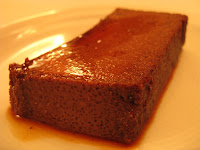
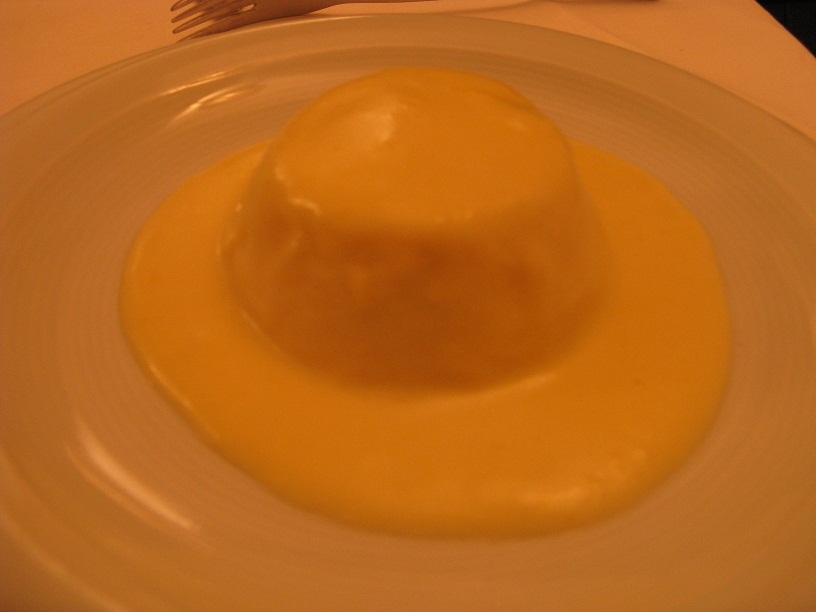
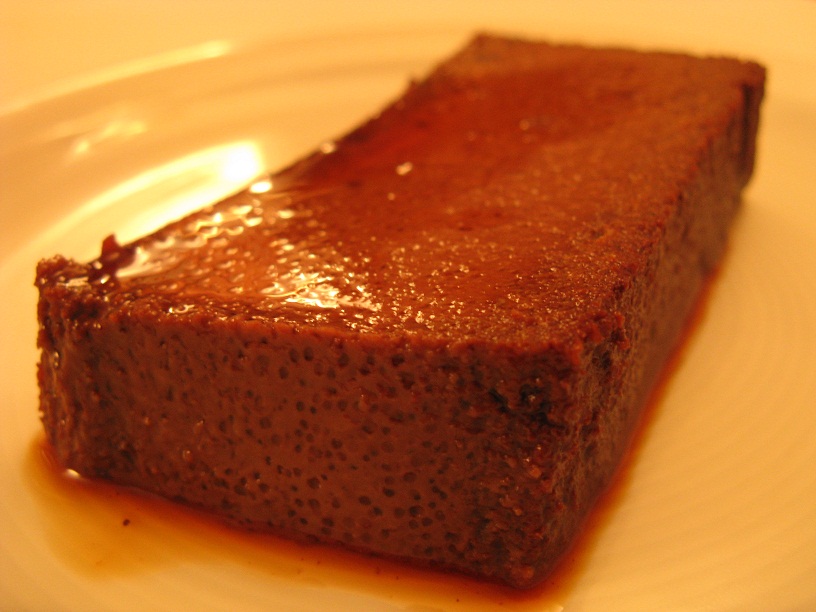
When in Piemonte… of course it was necessary to finish with Bonet!
Tomorrow the biannual food and madness of Terra Madre/Salone del Gusto begins. Watch this space…
-
London: poetry and cheese
Read Full Post: London: poetry and cheese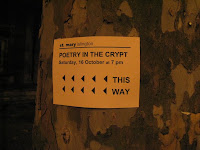
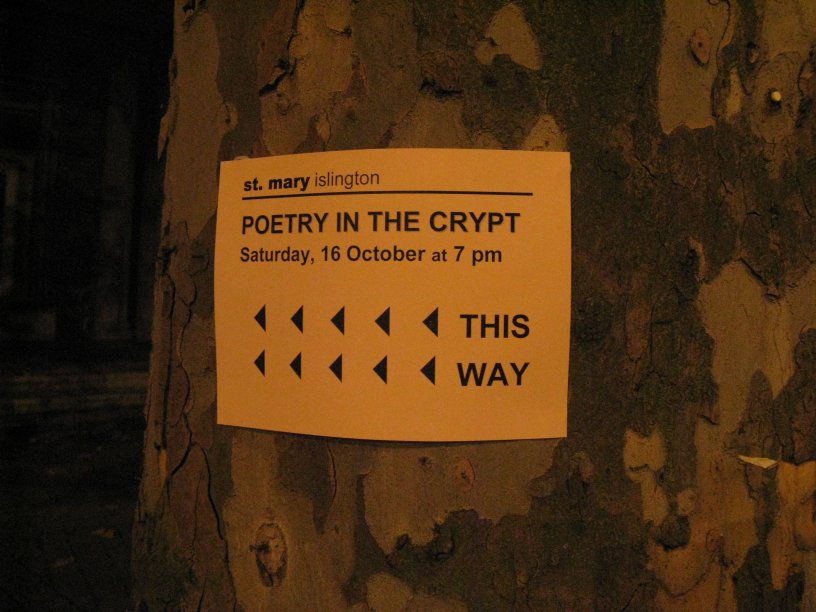
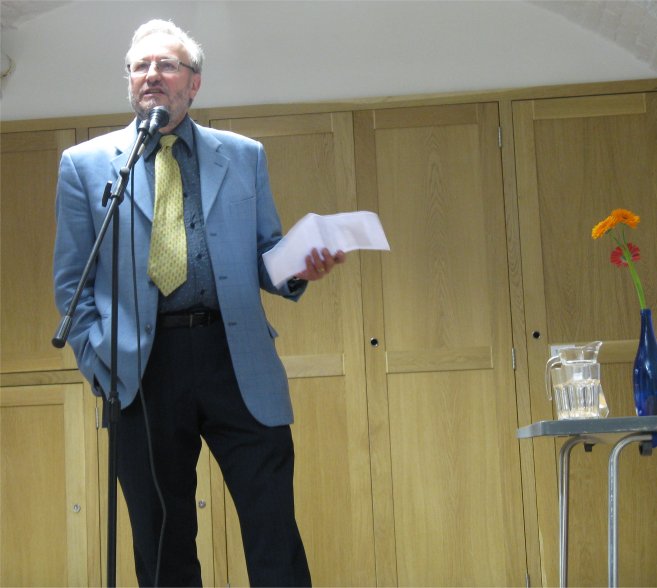
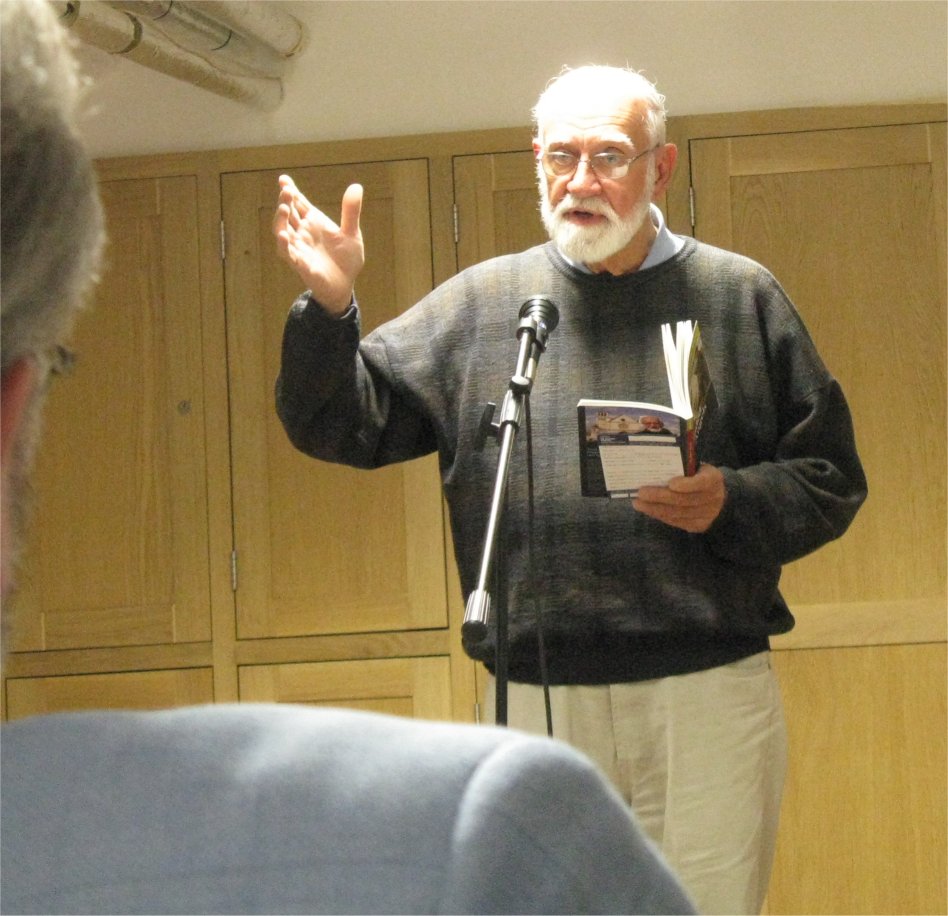
Back in London and what’s a food-loving poet to do but jump off the plane and onto the train and get myself to Islington to catch Poetry in the Crypt. Mike Bartholomew-Biggs
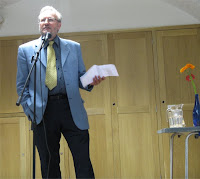
introduces the evening’s three featured readers and here are two of them; Franciscan monk, Murray Bodo, on his way home from Assisi to inner city Cincinnati
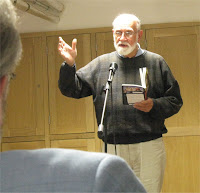
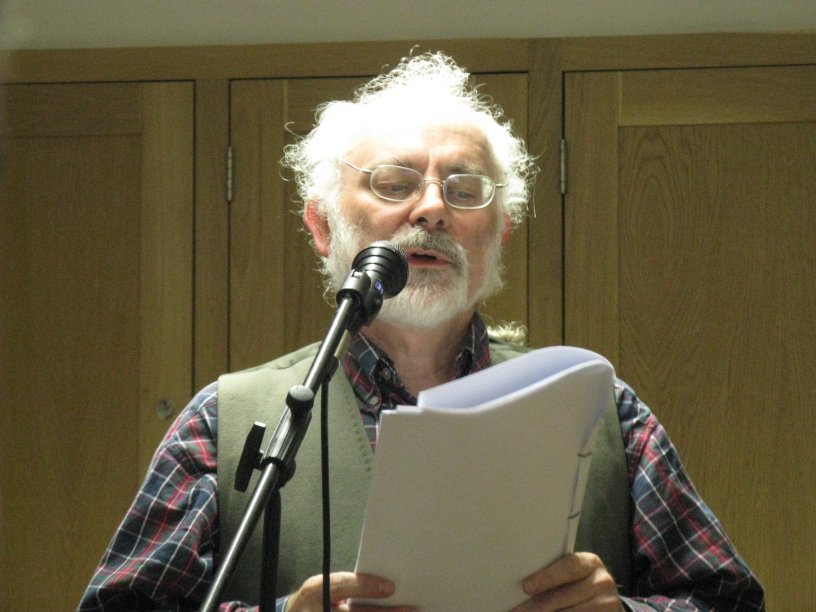
and the lovely Sue Rose whose first collection is due out next year from Cinnamon Press.

There were floor spots as well, including one from Peter Daniels:
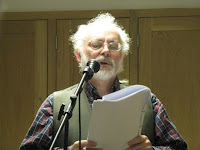
After a wee drop with the poets at the Almeida‘s bar, I headed off into the night.

The next morning we had some breakfast at Gail’s Bakery, which offers an awesome brioche french toast with a decadent dollop of mascarpone
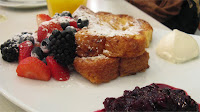
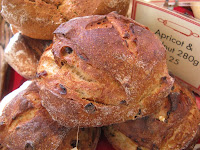
as well as a window full of breads and pastry, including some nice looking apricot-walnut bread.
After you’ve shopped there, you might want to stop for some cash, being careful not to be distracted.

We made our way to the South Bank Centre, crossing the Thames at Charing Cross on a beautiful autumn day

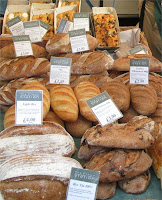
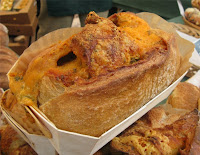
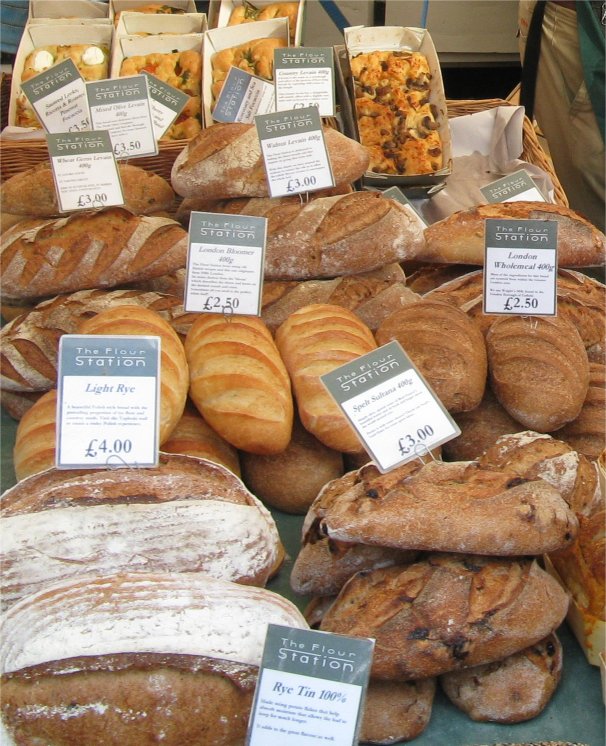
to check out the Cheese & Wine Festival that was enjoying big crowds on its last day. There was a lot to look at including some lovely breads to wrap your cheeses in
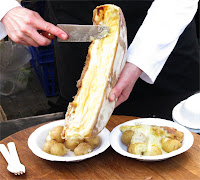
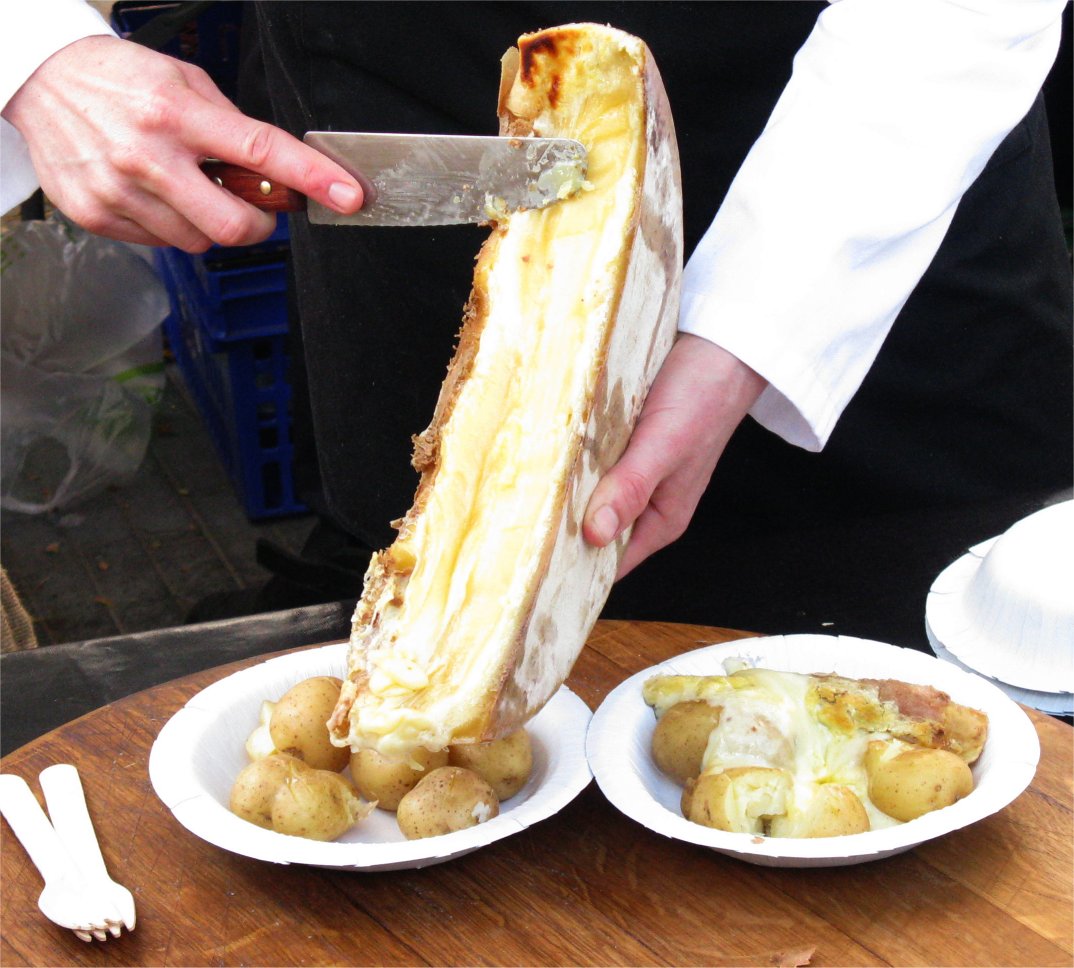
or if you prefer potatoes, you could get them smothered in raclette
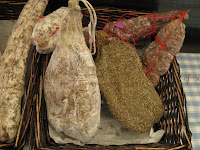
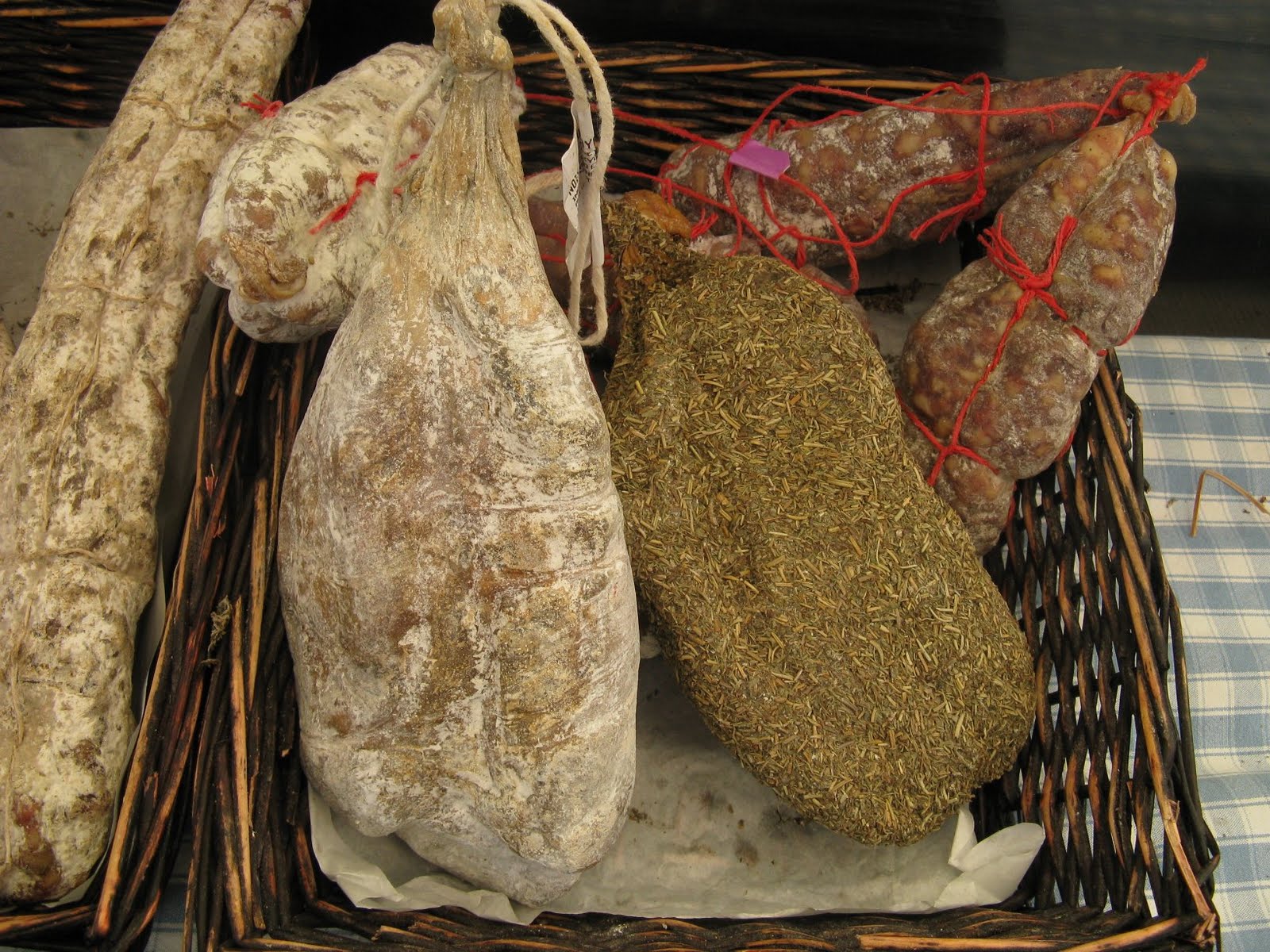
and accompanied by French sausages
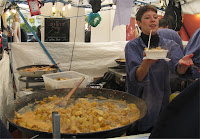
or a nice bowl of something hot.
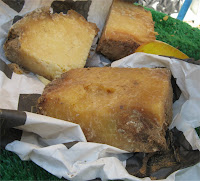
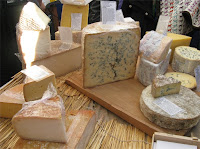
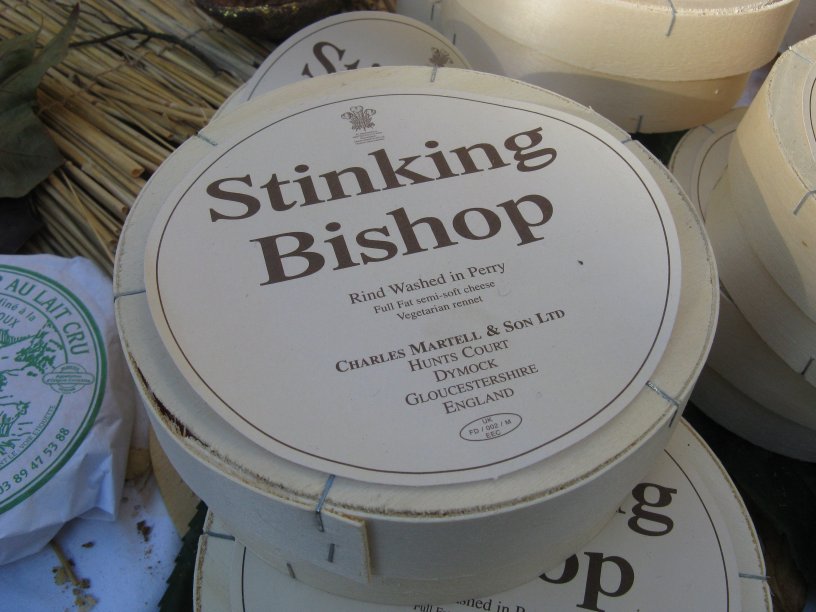
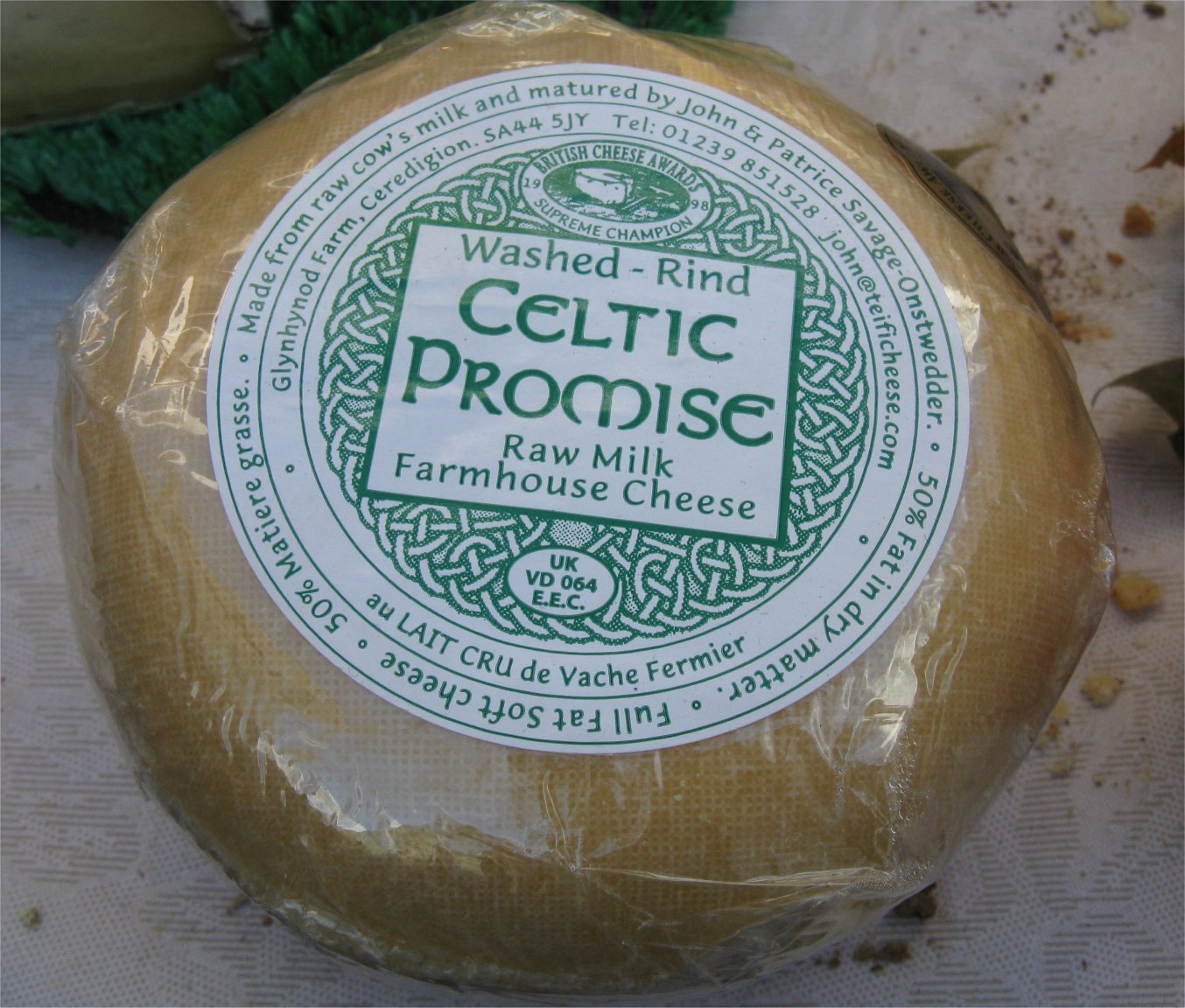
There was British cheese
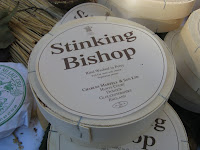
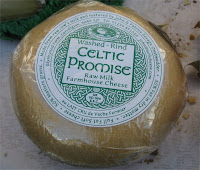
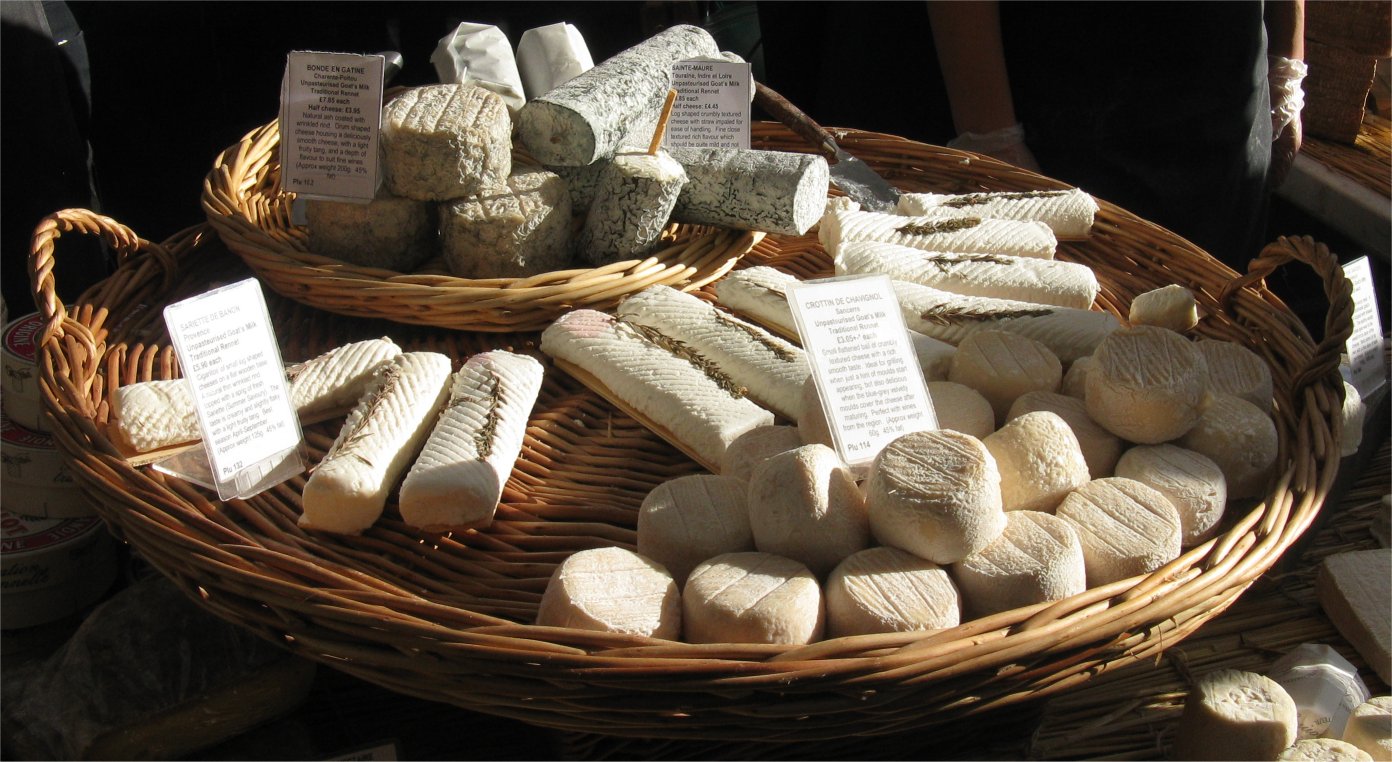
French cheese
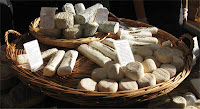
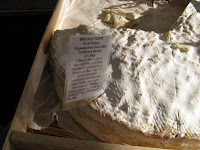
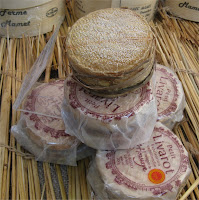
and Italian.
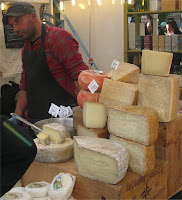
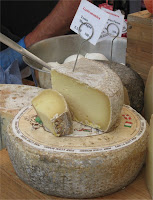
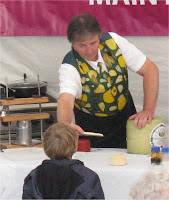
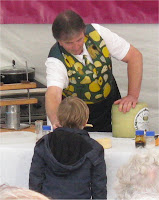
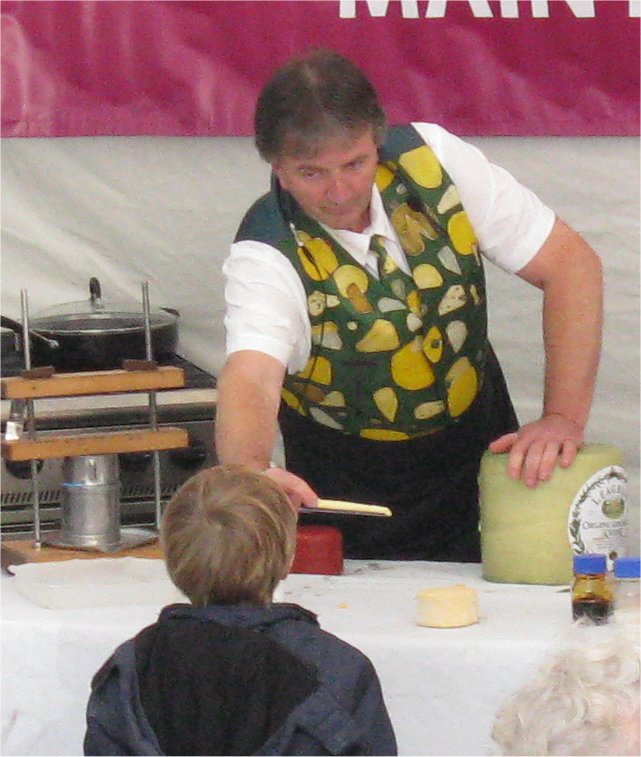
There was a cheesemaking demonstration by organic cheeseman Bob Kitching, who taught young Thomas the bystander a thing or two about sampling a nice fresh Lancashire cheese.































Latest Posts
- Writers at Word!
- Sublime and Twisted Readings coming up!
- Sublime
- Good weather for reading
- The world, the world
- Sublime launch!
Aldeburgh Poetry Festival Barny Haughton BBC BC poets Berkswell blackberries Black Stilt Bologna book launch Borough Market Carlo Petrini Catalonia Cyrus Todiwala dairy Daunt's Books Dijon Edinburgh Fanny Bay Feast of Fields Food and Morality food history food journalism Jenna Butler lardo Malahat Review Michael Pollan Okanagan olive oil tasting olive trees Omnivore's Dilemma Our Food Our Future Oxford Parmigiano-Reggiano Planet Earth Poetry poetry poetry readings Poetry videos prosciutto salumi Sean O'Brien Suffolk ticks Wendy Morton Wired Writing Yvonne Blomer
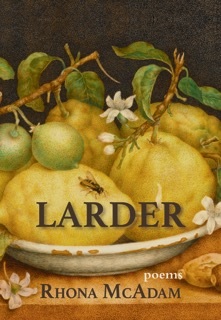
In her latest collection, Rhona McAdam navigates the dark places of human movement through the earth and the exquisite intricacies lingering in backyard gardens and farmlands populated by insects and pollinators, all the while returning to the body, to the tune of staccato beats and the newly discovered symmetries within the human heart.
“…A beautiful, filling collection, Larder is a set of poems to read at the change of the seasons, to appreciate alongside a good meal, and to remind yourself of the beauty in everything, even the things you may not appreciate before opening McAdam’s collection….”
Rhona McAdam is a writer, poet, editor, and Registered Holistic Nutritionist with a Master’s in Food Culture from Italy and a deep-rooted passion for ecology and urban agriculture. Her work spans corporate and technical writing to poetry and creative nonfiction, often exploring the vital links between what we eat and how we live. Based in Victoria, BC, and available via Zoom, Rhona is always open to new writing commissions, readings, or workshops on nutrition and the culinary arts.