-
Hail to the Queen
Read Full Post: Hail to the QueenFrom the incomparable 1955 edition of the Good Housekeeping Cookbook – its pages starting to scallop at the edges, spine restored long ago with silver duct tape – and with a little customization, one of my mother’s triumphs: Queen of Puddings.
For pudding:
1 qt. milk
2 cups 2‑day old bread in 1/2 inch cubes
1/2 cup raisins, plumped in hot tea, sherry or spiced water for half an hour
2 eggs plus 2 yolks
1/4 cup granulated sugar
1/2 tsp salt
1/4 tsp nutmeg
1 tbsp vanilla
4 tbsp melted butter/margarine
For topping:
2 egg whites
1/4 cup sugar
1/3 cup blackcurrant or other fruit jelly- Heat oven to 350f. Grease 1‑1/2 quart casserole. In double boiler, heat milk until tiny bubbles appear around edges. Remove from heat; stir in bread cubes; set aside.
- Break 2 eggs and 2 yolks into casserole; beat lightly with fork. Stir in 1/4 cup sugar, salt, nutmeg, vanilla, melted butter then fold in bread/milk mixture.
- Set casserole in baking pan and place it in the oven. Fill the pan with warm water to 1 inch from top of casserole.
- Bake, uncovered, 34‑50 minutes. Remove from oven.
- Beat the egg whites until they form peaks; slowly add 1/4 cup sugar, beating till stiff.
- Spread the jelly on the top of the pudding and then heap the beaten whites on top of that.
Bake in pan of warm water 12‑15 minutes more, until the meringue is golden. Serve warm or cold. - Alternatively, heap the beaten whites/sugar directly on the pudding, leaving impressions in each serving. When you serve the pudding, put a dab of jelly in each impression.
I do not know of any poems already written about or featuring bread pudding, let alone queen of puddings, but if you try this recipe it may drive you to verse. The blessed Delia (I’ve just read that she baked the very cake seen on the cover of the Rolling Stones album Let It Bleed!) makes a version in individual ramekins, which is worth looking at if only to see how beautiful a dish it is.
-
Lady Sara
Read Full Post: Lady Sara
A year ago this week we lost our lovely Sara: Australian Shepherdess extraordinaire, aged 16.
…your gaze could cure
multitudes, the silk of your head
soothe any worry.
You teach us to taste
each morning as if it’s our first.And day after day you lie
near my feet, dreaming and fixed
on some distant thing that is, at last,
outrunning you.Last night we went to Alix Goolden Hall to see/hear a Ballet BC performance of the impossibly lovely Stabat Mater by Pergolesi . I hadn’t realised till I was home reading my cd liner notes that Pergolesi died at 26, and this was possibly his last composition. Quite a finale. In the recording I have, a countertenor, Michael Chance, sings the alto which is extraordinary, and it was recorded at Church of St Jude-on-the-Hill, Hampstead (London) by The King’s Consort, who play period instruments. “Forty minutes of undiluted peace” said one of the Amazon reviewers.
Off to dine with the relatives tonight, and I’m bringing dessert. Thank you Delia Smith (and my apple tree) for Baked Apple and Almond Pudding.
-
Next year in West Chester
Read Full Post: Next year in West ChesterI have been looking with longing at the program for the 12th Annual West Chester University Poetry Conference: Exploring Form and Narrative. Among the offerings are workshops on rhyme with Dick Davis, meter with Timothy Steele, a master class with Mark Jarman, and a keynote address by James Fenton, who is also interviewed by Dana Gioia. Alas I can’t fit it in this year, but perhaps I can make the thirteenth edition next year. Never been to Pennsylvania…
Back here on the Coast, I was minding my own business on Tuesday afternoon… well, to be truthful I was engaged in some anguished last minute edits of my poems for the final Form in Poetry class, when the phone rang and Peg said: so, we’ve just got some fresh crab, want to come over and help us eat it? I dithered for a number of seconds, remembering several ill-starred occasions under the sign of the crab back in my Edmonton days. Then I thought, well, maybe it was a passing thing. Maybe it was bad frozen crab crossed with too many libations. Maybe it was just time to give it another try. So I brought along a quiche lorraine for a back-up, but the crab was fresh and simple, boiled in salt water, needing nothing but a nice bit of french bread and salad. And it went well with gin! The best news was that I suffered no ill-effects at all, so that strikes off the only food I’ve ever believed I was allergic, or at least intolerant to. I am grateful.


Latest Posts
- (no title)
- Sublime and Twisted Readings coming up!
- Sublime
- Good weather for reading
- The world, the world
- Sublime launch!
Aldeburgh Poetry Festival Barny Haughton BBC BC poets Berkswell blackberries Black Stilt Bologna book launch Borough Market Carlo Petrini Catalonia Cyrus Todiwala dairy Daunt's Books Dijon Edinburgh Fanny Bay Feast of Fields Food and Morality food history food journalism Jenna Butler lardo Malahat Review Michael Pollan Okanagan olive oil tasting olive trees Omnivore's Dilemma Our Food Our Future Oxford Parmigiano-Reggiano Planet Earth Poetry poetry poetry readings Poetry videos prosciutto salumi Sean O'Brien Suffolk ticks Wendy Morton Wired Writing Yvonne Blomer
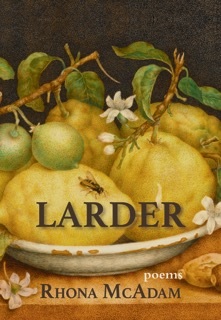
In her latest collection, Rhona McAdam navigates the dark places of human movement through the earth and the exquisite intricacies lingering in backyard gardens and farmlands populated by insects and pollinators, all the while returning to the body, to the tune of staccato beats and the newly discovered symmetries within the human heart.
“…A beautiful, filling collection, Larder is a set of poems to read at the change of the seasons, to appreciate alongside a good meal, and to remind yourself of the beauty in everything, even the things you may not appreciate before opening McAdam’s collection….”
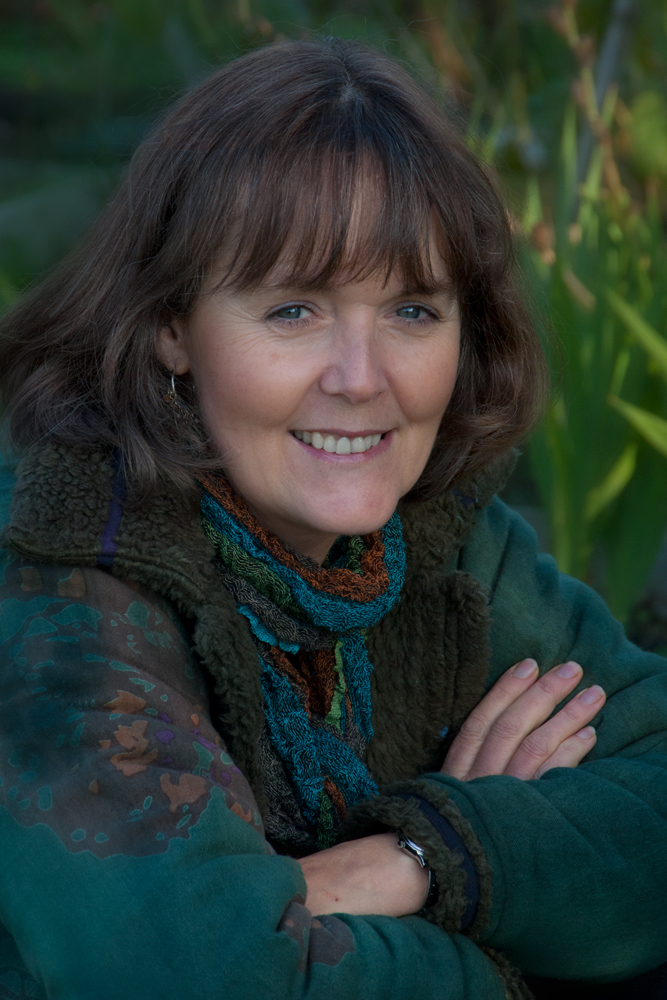
Rhona McAdam is a writer, poet, editor, and Registered Holistic Nutritionist with a Master’s in Food Culture from Italy and a deep-rooted passion for ecology and urban agriculture. Her work spans corporate and technical writing to poetry and creative nonfiction, often exploring the vital links between what we eat and how we live. Based in Victoria, BC, and available via Zoom, Rhona is always open to new writing commissions, readings, or workshops on nutrition and the culinary arts.