-
Meeting one’s maker – an act of exceptional good taste
Read Full Post: Meeting one’s maker – an act of exceptional good taste
One of Haliburton Farm's donations Life in the salad bowl continued last Monday when I was privileged to spend a day volunteering in the kitchen for the Meet Your Maker Vancouver Island event. Organized by Farm Folk City Folk, it was the first time it had been offered on the Island, and it was a staggeringly good affair, at least from where I was standing (and peeling and chopping and arranging and carrying and washing and slicing).
Around 80 food producers (farmers, fisherfolk, processors) and food buyers (from restaurants, delis, grocery stores) converged on the Saanich Fairgrounds for a day of networking and information exchange. Participating producers were invited to donate their wares which local chefs turned into the most extraordinary potluck lunch I’ve ever had the good fortune to sample. We kitchen volunteers were kept busy for four or five hours arranging, heating, cooking and/or simply laying out the wares that arrived in a steady stream starting at 8am.


Here’s a small sampling of the wonders that came our way… Squash soup from Haliburton Farm, mixed roasted vegetables, oysters from the Gulf Islands, Fry’s Bakery sausage rolls, raw veggies from Saanich Organics, Madrona Farm and other local farms, crab legs, focaccia from Il Forno di Claudio, lots of Natural Pastures, Moonstruck, Salt Spring & Kootenay Alpine cheeses from Niagara Grocery, a salumi platter from The Whole Beast, and phyllo halibut parcels and smoked canned salmon.


Below, Haliburton Farmer Nate from New Mountain Farm; luscious lemon bars; baker Byron Fry and chef Dwane MacIsaac find their zen at the start of the long buffet.


As I overheard someone say, gaping at the bounty heaping their plate, it’s hard to believe in food insecurity when you see this small sampling of what can be produced on Vancouver Island. Which, need we remind ourselves, is small scale agriculture by necessity.
-
Long lost blogger: farmers & food
Read Full Post: Long lost blogger: farmers & food
Chef Dwane & Farmer Robin It has been quite the delicious craziness over the past couple of weeks which has kept me away from this blog and out in the edible world enjoying lots of food and food talk. Here’s one of the events I was party to.
Farmer 2 Farmer was a modest little conference held back on March 7. Robin Tunnicliffe, from Saanich Organics, was behind much of it, and Dwane MacIsaac of the Island Chefs Collaborative led the kitchen. The registration was around 100 in the week leading up, and the organizers prepared for around 120. But on the day there were more like 200 farm and food folk in attendance, chewing the fat over issues like options for farm labour, organic certification and creative fundraising solutions for farming, as well as more hands-on info on poultry nutrition, choosing berry varieties and techniques for direct marketing farm products. Most interesting to me (tethered much of the morning to the registration desk, and later to the book signing table after a short stint explaining Haliburton Farm‘s development in the context of a workshop on farm succession) was the generous lunch rolled out by members of the Island Chefs’ Collaborative. Bread from Byron Fry, Salumi from Cory Pelan and assorted wizardry from David Mincey and Dwane MacIsaac, with seasonal produce from local farms (squash, lentils, roasted beets, rutabagas, garlic), meant some pretty nifty loaves into fishes work and a good feed for all those extra bodies.


-
Seedy, raw community
Read Full Post: Seedy, raw community
Maple Bay Witch Hazel It was an intense ag-food weekend starting with Seedy Saturday at the Victoria Conference Centre. Many were the crowds, nigh on as numerous as the seeds on sale, and much was the diversity on offer. I was helping out at the CRFAIR stand, conveniently situated next to Jacob of Salt Spring Sprouts & Organic Mushrooms, who is always generous with his samples. I also sampled some excellent banana pancakes made by chef Joseph from his bean flour pancake mix. Managed to escape with only one package of seeds, this one from GTUFer Kendell Nielsen, PAg, who had dropped off some mini-spaghetti squash seeds that caught my eye. I did not need her giant Jerusalem artichokes though they were beautiful. There was a very busy table of volunteers repackaging the donated seeds, and a large variety on offer (free for trade or $1 a package).


My book was on sale at the CRFAIR table (near the giant rutabaga); Verna & Bob Duncan talked fruit and fruit trees at their very popular stand, and it was spring all over the place with tender snowdrops and other spring shoots waiting to be taken home. There were many workshops as well, including a preview of the Changing the Way We Eat food talks which are upcoming at the Belfry Theatre in late April. Watch this space for news..


Sunday was a double whammy. First, the GTUF meeting, in which Gabe Epstein and Belle Leon shared some photos of community gardens in Victoria, Seattle and South Africa, and invited discussion about the nature and purpose of community gardens in our area. Then we broke for snacks – including two glorious pizzas hand-crafted by local caterer Eugene Monast who has often blessed us with food at our meetings. GTUFer Robert Baker had brought a basket along to show what he’d harvested from his garden that morning, encouraging us to make the most of winter growing.


And finally it was on to the VIVA-RAW monthly potluck, to see what delectables
 were on the table and to hear Aika Tuomi talk about mushrooms. He focused on shiitake, reishi and chaga mushrooms and did a good plug for mushroom powders and extracts on sale where he works, Ingredients Health Foods.
And the raw food we ate: below, a delicious and beautiful salad featuring pomegranate, kiwi and avocado; seedy flax crackers; mock salmon (walnut) pate (my contribution); zucchini noodles; ingredients list from some cocoa-date cookies; and finally the groaning plate which features everything but the late-breaking and improbable-sounding but gorgeous salad of mango, citrus and sauerkraut.


Latest Posts
- Writers at Word!
- Sublime and Twisted Readings coming up!
- Sublime
- Good weather for reading
- The world, the world
- Sublime launch!
Aldeburgh Poetry Festival Barny Haughton BBC BC poets Berkswell blackberries Black Stilt Bologna book launch Borough Market Carlo Petrini Catalonia Cyrus Todiwala dairy Daunt's Books Dijon Edinburgh Fanny Bay Feast of Fields Food and Morality food history food journalism Jenna Butler lardo Malahat Review Michael Pollan Okanagan olive oil tasting olive trees Omnivore's Dilemma Our Food Our Future Oxford Parmigiano-Reggiano Planet Earth Poetry poetry poetry readings Poetry videos prosciutto salumi Sean O'Brien Suffolk ticks Wendy Morton Wired Writing Yvonne Blomer
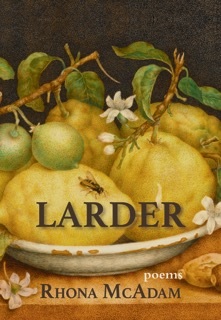
In her latest collection, Rhona McAdam navigates the dark places of human movement through the earth and the exquisite intricacies lingering in backyard gardens and farmlands populated by insects and pollinators, all the while returning to the body, to the tune of staccato beats and the newly discovered symmetries within the human heart.
“…A beautiful, filling collection, Larder is a set of poems to read at the change of the seasons, to appreciate alongside a good meal, and to remind yourself of the beauty in everything, even the things you may not appreciate before opening McAdam’s collection….”
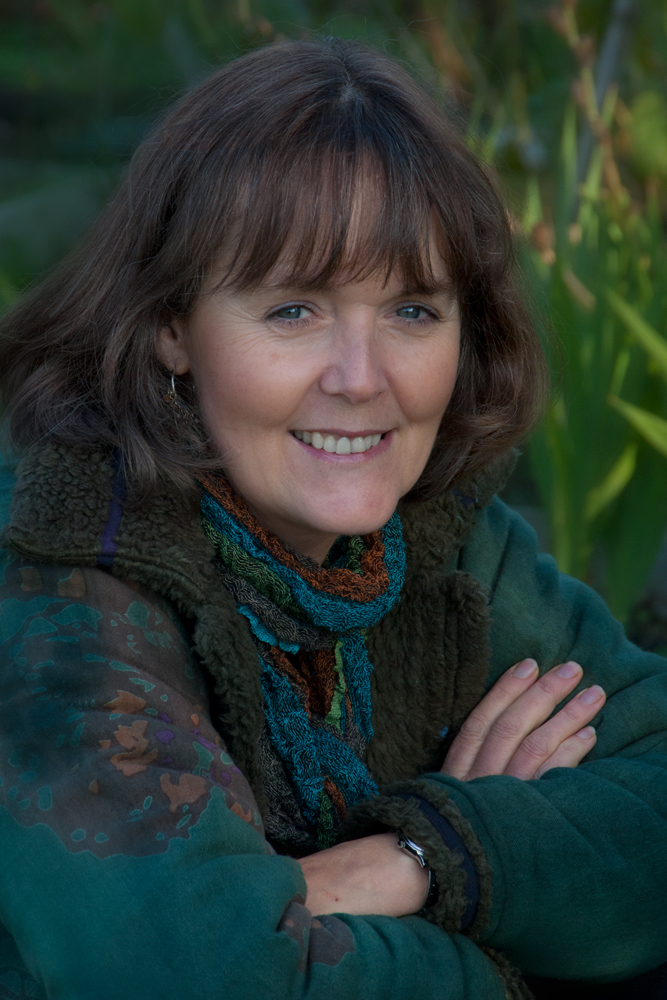
Rhona McAdam is a writer, poet, editor, and Registered Holistic Nutritionist with a Master’s in Food Culture from Italy and a deep-rooted passion for ecology and urban agriculture. Her work spans corporate and technical writing to poetry and creative nonfiction, often exploring the vital links between what we eat and how we live. Based in Victoria, BC, and available via Zoom, Rhona is always open to new writing commissions, readings, or workshops on nutrition and the culinary arts.