-
Such a deal
If you didn’t catch this article in the weekend Globe & Mail, by Leah McLaren, about
Cheap: The High Cost of Discount Culture, a fascinating new book by U.S. writer and analyst Ellen Ruppel Shell, who examines the ramifications of what she calls “our relentless fixation on low price.”
it’s worth a look. It has everything to do with food. If we wonder why the quality of food produced and sold to us has been diving, while food-related illnesses skyrocket, read on:
Examined in a broader, historical context, our hunger for cheap merchandise has been a destructive force. Sure, we can buy our Costco family pack and eat it too, but at what cost? The culture of cheap has driven down wages (by outsourcing manufacturing and ushering in an era of big-box mega-chains), driven up personal debt (by tricking us into spending more on scads of cheap stuff and less on carefully chosen quality) and created the globalized economy in which underpaid developing-world labour churns out disposable merchandise for the bargain-hungry West.
The culture of cheap is why North America is ahead of Europe in these social problems, where prices have always been high and traditions of quality endure. But only just ahead; Europe has the same discount mania, being the home of Lidl and IKEA and Primark.
These figures from the US were also mind-blowing:
From 2000 to 2007, median family income in the United States (adjusted for inflation) dropped by $1,175 (U.S.), while basic expenses grew by $4,655. In the same period, corporate profits doubled.
As explained later, one reason those corporate profits doubled was, in McLaren’s terms, darkly ironic, and very much tied the prevalence of engineered obsolescence and disposability, which have driven out of business most of the manufacturers of items of enduring quality:
Low pricing doesn’t make us spend less. It makes us spend more. As budget-brand retailers from Frank W. Woolworth to Ingvar Kamprad, the multibillionaire founder of IKEA, have long known, low prices equal high profits.
So the message is simple: buy less of everything, but better quality. And don’t be afraid of paying full price. Let the suckers buy the bargains if they must, as they’ll be outspending you in the process.
-
More seafood
The New York Times offers another of the seemingly endless guides to sustainable seafood which are starting to make me very uncomfortable. For example they recommend eating anchovies on the grounds they’re low on the food chain and reproduce more readily, but anchovies are known to be endangered.
I begin to wonder if it is right to eat any kind of seafood (I will for the time being draw the line at farmed oysters, however).
-
Regrettable food & bluefin tuna
I spent a gentle morning, not so long ago, reading through the comments to an article Meli sent me about the worst recipe ever written (though I agree with the reader who guessed a typo had turned “peas” into “pears” in the recipe cited — on the other hand, canned peas are a horrifying enough substance).
While some of the comments link to truly awful things, many others I would say cheat by being deliberately horrible constructions never intended to be eaten (e.g. the Twinkie Souffle), while others fall into the “edible” but not entirely serious (the spectacular Meat Ship, arrrr, the perfect meal with which to celebrate International Talk Like a Pirate Day). The Gallery of Regrettable Food is excellent though, since the recipes are honest examples of foods once recommended, even if by the demons of a food company’s marketing department. (How can I ever forget those Kraft Foods commercials that brightened my childhood Disney Show evenings?)
On a more serious note, it is good to see the UK taking action on the plight of bluefin tuna. The attitude taken by Nobu (the swish sushi joint co-owned by Robert De Niro) as reported in the Times article is a prime excellent example of how our market economy treats the world like its personal shopping basket, and damn the consequences.
Pablo Neruda once wrote an Ode to a Large Tuna in the Market. Thanks to overfishing, he’d have quite a bit more trouble finding a large one to address nowadays.


Latest Posts
- Sublime
- Good weather for reading
- The world, the world
- Sublime launch!
- Planet Earth Poetry – Readings by Volunteers, Victoria 2026
- Poetry at the Goldfinch
Aldeburgh Poetry Festival Barny Haughton BBC BC poets Berkswell blackberries Black Stilt Bologna book launch Borough Market Carlo Petrini Catalonia Cyrus Todiwala dairy Daunt's Books Dijon Edinburgh Fanny Bay Feast of Fields Food and Morality food history food journalism Jenna Butler lardo Malahat Review Michael Pollan Okanagan olive oil tasting olive trees Omnivore's Dilemma Our Food Our Future Oxford Parmigiano-Reggiano Planet Earth Poetry poetry poetry readings Poetry videos prosciutto salumi Sean O'Brien Suffolk ticks Wendy Morton Wired Writing Yvonne Blomer
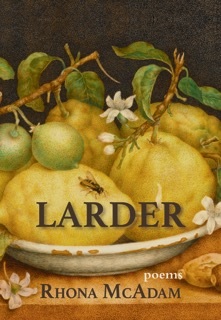
In her latest collection, Rhona McAdam navigates the dark places of human movement through the earth and the exquisite intricacies lingering in backyard gardens and farmlands populated by insects and pollinators, all the while returning to the body, to the tune of staccato beats and the newly discovered symmetries within the human heart.
“…A beautiful, filling collection, Larder is a set of poems to read at the change of the seasons, to appreciate alongside a good meal, and to remind yourself of the beauty in everything, even the things you may not appreciate before opening McAdam’s collection….”
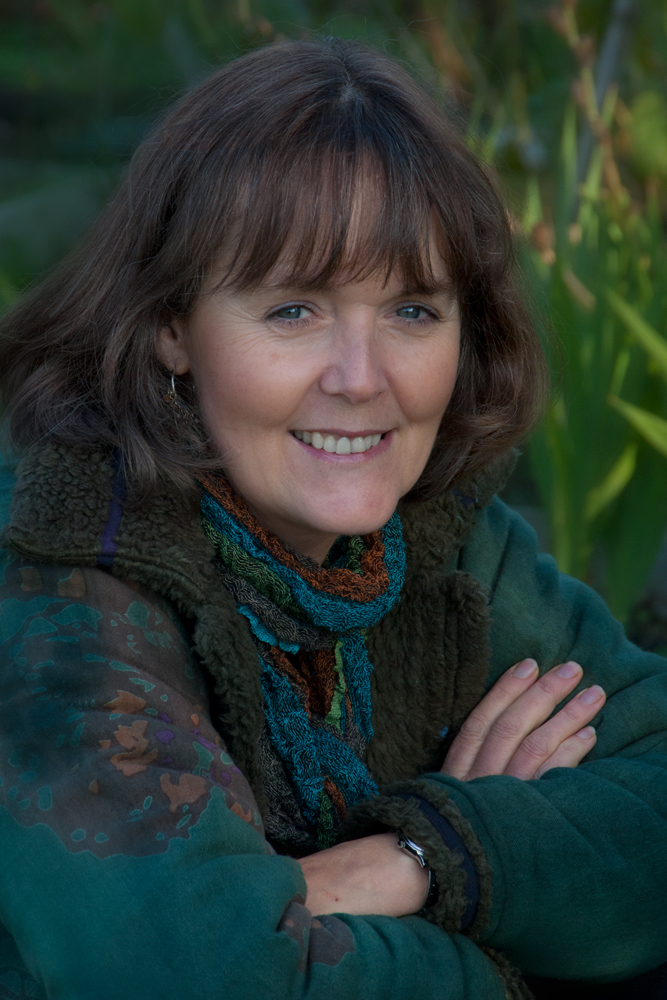
Rhona McAdam is a writer, poet, editor, and Registered Holistic Nutritionist with a Master’s in Food Culture from Italy and a deep-rooted passion for ecology and urban agriculture. Her work spans corporate and technical writing to poetry and creative nonfiction, often exploring the vital links between what we eat and how we live. Based in Victoria, BC, and available via Zoom, Rhona is always open to new writing commissions, readings, or workshops on nutrition and the culinary arts.