-
“SmartStax” GM Corn
They’ve really done it this time. A new GM corn variety has been approved for planting in Canada by CFIA without being subjected to any safety testing.
CBAN’s campaign asks us to let our government know this is not ok, and they have an email form you can send to Canada’s minister of health, Leona Aglukkaq, right this minute, while you’re thinking about it. Or you can send your message through Health Canada’s contact form.
This is what Health Canada’s own website promises, regarding the introduction of GE and other “novel” foods:
Health Canada assesses the safety of all genetically-modified and other novel foods proposed for sale in Canada. Companies are required to submit detailed scientific data for review and approval by Health Canada, before such foods can be sold.
The Globe & Mail did a good piece on the new variety that’s been approved without testing. This bit pretty much nails the problem:
The health agency said in response to questions from The Globe and Mail that it didn’t have to [assess the seeds for safety], because it is relying on the two companies making the seeds, agriculture giants Monsanto Co. and Dow AgroSciences LLC, to flag any safety concerns. But the companies haven’t tested the seeds either, because they say they aren’t required to.
Elsewhere this unbelievably careless approach to public safety is correctly but inadequately likened to putting the fox in charge of the hen house. Indeed.
-
Definitely not sour grapes
I was by coincidence invited along to the last ever Grapevine event last Thursday.

The Grapevine was started five years ago by a group of entrepreneurial women who thought the best thing they could do for small businesses in Victoria was to bring them customers. They selected from among the best new small businesses in town and organized “grapings”, where a bunch of people from their 400-strong mailing list – usually numbering around 20-25 – would meet at a nearby location and walk to the graping point. They used all means licit and illicit to trick the owners into being their for their visit, so that they could have a chance to meet some consumers and tell them a bit about their business. The idea was that those who came to the graping would let their friends and colleagues know about it, and the organizers posted articles and photos on the website to spread the word. Simple, beautiful and now over, sadly, 5 years and 42 grapings later.
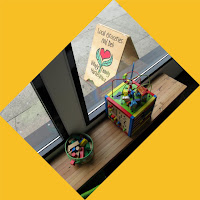
This last one was at a place I’d wanted to visit anyway: Village Family Marketplace is Victoria’s latest local food emporium. Seven young partners have pooled their resources and talents to start a grocery store downtown, where it might be difficult for locals to make it to farm shops or find good local produce. Two of the partners, Dustin and Justine, walk us through the history
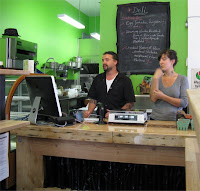
and explain that everything they sell is either grown or produced locally. They’ve only been open for three weeks so the shelves are not yet as full as they will be. The professional kitchen in the back is geared to produce deli items, ready meals, condiments and treats to fill the display case. They have frozen goods including local organic meats, as well as dairy and produce,


a few items you won’t find everywhere, like purslane and lemon cucumbers and kelp
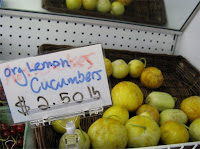

and a few dry goods. The group has dolled up a standard shipping container
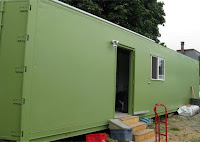
and equipped it with coolers to add capacity; there are play stations for children; and they’ve build picnic tables so that one day there can be a place to relax out back. The interior makes use of reclaimed timber.. for example in the handsome front counter with its arbutus inlay.
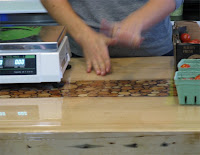
So.. a happy morning spent poking round the shop and I’ll be making a return visit before too long. Not difficult since one of my other favourite food shops, the spectacularly well-stocked Mediterranean deli Blair Mart, is just about next door – and its courtly owner the Village’s landlord.
-
Easier than pie
The blackberries have been calling me and I have been answering by the bucketful. These are, as I have said before, Himalayan blackberries, and they are the ones everyone thinks of when you say ‘blackberry’. They’re big, fat and in season from August through September.
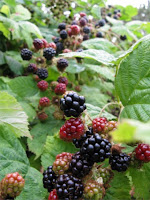
The native blackberries, smaller and trailing, are now finished. They ripen in June and July and are very much worth the hunt. It might take three or four times the picking time to fill a pail, compared with Himalayans, but theirs is a different, more intense flavour.
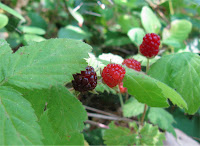
Himalyans are not native to BC; they were brought to North America by Luther Burbank and have spread throughout the land with joy and vigour. The plant is highly invasive, and you need to practice extreme caution about putting any part of it into your compost. Moreover, as I saw happen during this spring’s ground-clearning at Haliburton, new plants can and will sprout from chopped stems. Perhaps if you decompose them for a while in black plastic bags, or make sure they are completely dried out they’d be safe, but they’re nasty and prickly any way you look at them so I think send them wherever you send other pernicious weeds. And don’t put berries into the compost either (birds and gravity put enough of them around).
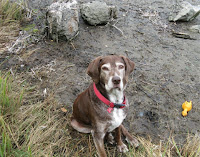
Anton finds picking days Very Boring. He is like any 13 year old: if he could speak, his first words would be, Can we go now?
One excellent use you can put this booty to is a clafoutis (or clafouti), which I maintain is the righteous ancestor of the food known as impossible pie. Both these dishes are a kind of starched custard that creates its own base while enfolding the main ingredient in a soft eggy filling. They appear in both savoury and sweet versions; the savouries make good quick quiches, while the well-known coconut pie is an excellent dessert. Last night we had a blackberry and apple clafoutis which was exceptionally good. This recipe – which uses apricots and raspberries – is a good one to base it on. Serve it warm, but it’s not bad cold.


Latest Posts
- Sublime
- Good weather for reading
- The world, the world
- Sublime launch!
- Planet Earth Poetry – Readings by Volunteers, Victoria 2026
- Poetry at the Goldfinch
Aldeburgh Poetry Festival Barny Haughton BBC BC poets Berkswell blackberries Black Stilt Bologna book launch Borough Market Carlo Petrini Catalonia Cyrus Todiwala dairy Daunt's Books Dijon Edinburgh Fanny Bay Feast of Fields Food and Morality food history food journalism Jenna Butler lardo Malahat Review Michael Pollan Okanagan olive oil tasting olive trees Omnivore's Dilemma Our Food Our Future Oxford Parmigiano-Reggiano Planet Earth Poetry poetry poetry readings Poetry videos prosciutto salumi Sean O'Brien Suffolk ticks Wendy Morton Wired Writing Yvonne Blomer
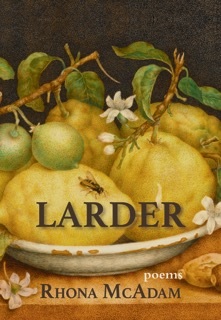
In her latest collection, Rhona McAdam navigates the dark places of human movement through the earth and the exquisite intricacies lingering in backyard gardens and farmlands populated by insects and pollinators, all the while returning to the body, to the tune of staccato beats and the newly discovered symmetries within the human heart.
“…A beautiful, filling collection, Larder is a set of poems to read at the change of the seasons, to appreciate alongside a good meal, and to remind yourself of the beauty in everything, even the things you may not appreciate before opening McAdam’s collection….”
Rhona McAdam is a writer, poet, editor, and Registered Holistic Nutritionist with a Master’s in Food Culture from Italy and a deep-rooted passion for ecology and urban agriculture. Her work spans corporate and technical writing to poetry and creative nonfiction, often exploring the vital links between what we eat and how we live. Based in Victoria, BC, and available via Zoom, Rhona is always open to new writing commissions, readings, or workshops on nutrition and the culinary arts.